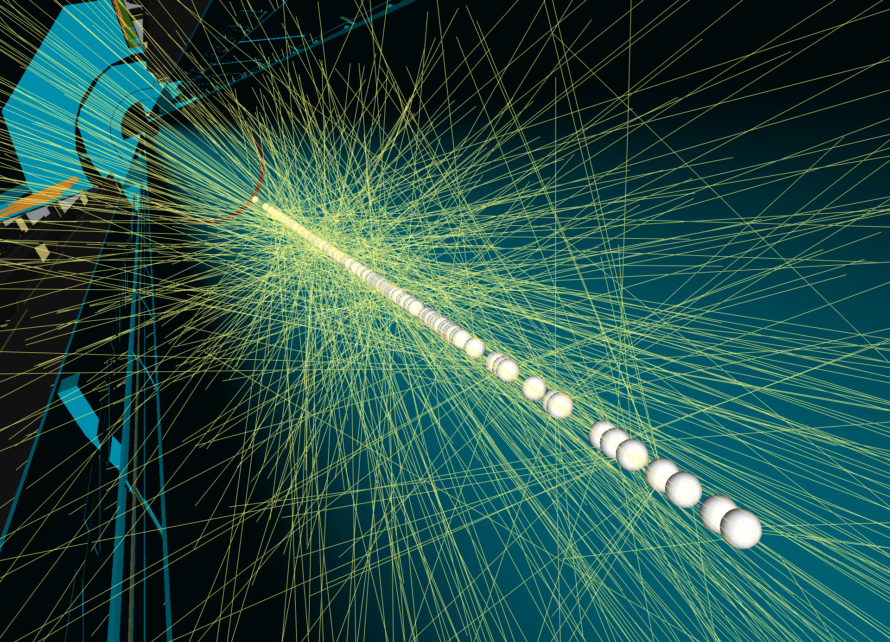
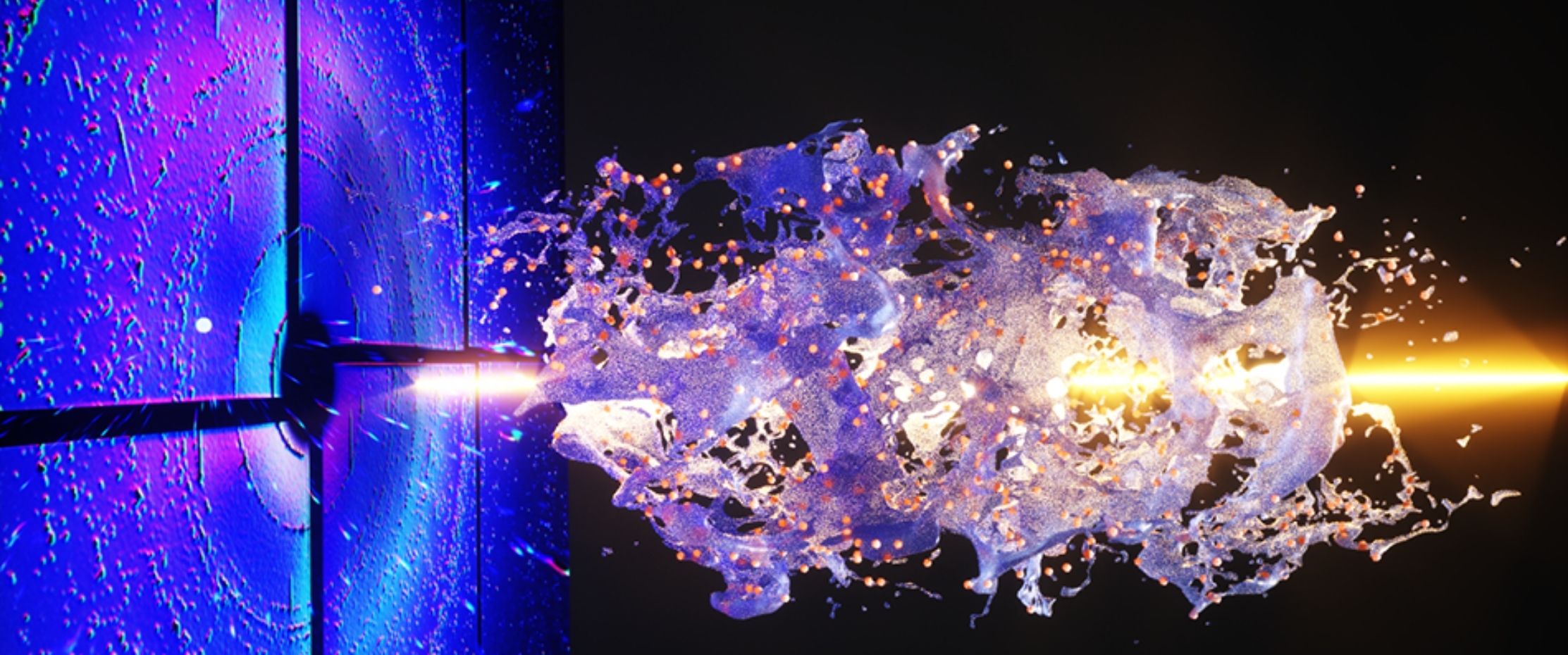
Modeling and simulation are critical elements of discovery science. They help us better understand our physical world, especially phenomena that cannot be fully grasped through observation or experimentation alone. These systems might be enormous, like the structure formation of our universe, or minuscule, like quantum chemistry and microelectronics design. They could also involve extremely fast processes, such as those in particle physics, or very slow ones, like climate change and stellar evolution. By shedding light on the underlying mechanisms of a system, simulations enable researchers to predict how these systems will behave in the future.
At Berkeley Lab, we develop state-of-the-art methodologies and techniques to understand and predict both continuous (measurable) and discrete (countable) aspects of physical systems—like hurricanes or traffic flow—and their dynamic behavior. We ensure that the mathematical characteristics of our models are accurate so that researchers can rely on the results. Our models and simulations can be run on computers of all scales, from laptops to modern supercomputers.
Our mathematicians, computational scientists, and data scientists collaborate with researchers from various disciplines to model complex systems, including the intricate dynamics of commercial spray painting, wind farms, transportation networks, computer hardware, fluid flows, and much more.
AMReX
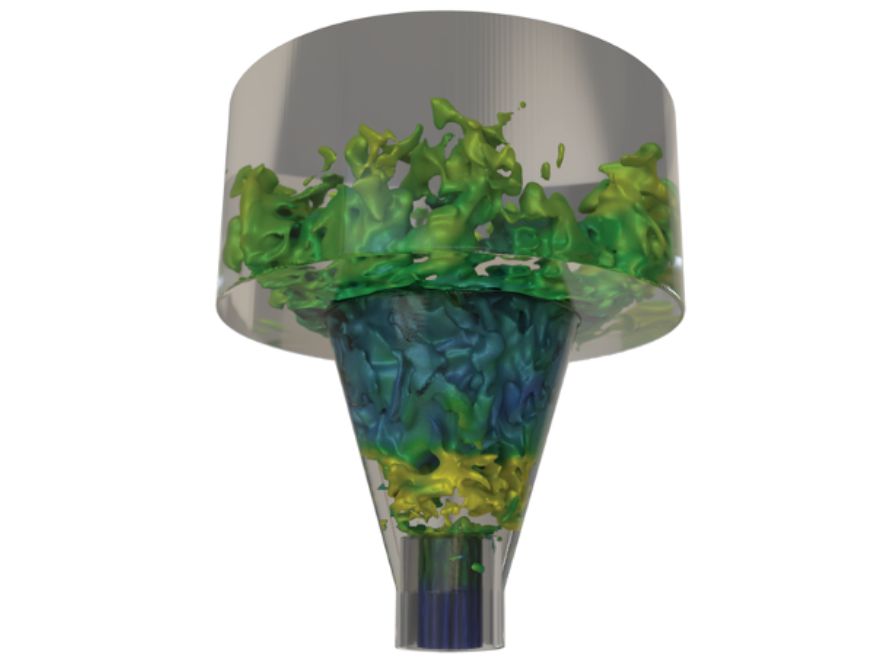
AMReX is a leading open-source software framework for massively parallel simulations with adaptive mesh refinement (AMR). It supports complex multiphysics applications in astrophysics, fusion, combustion, and microelectronics, and is widely used by DOE Exascale Computing Projects.
Chombo
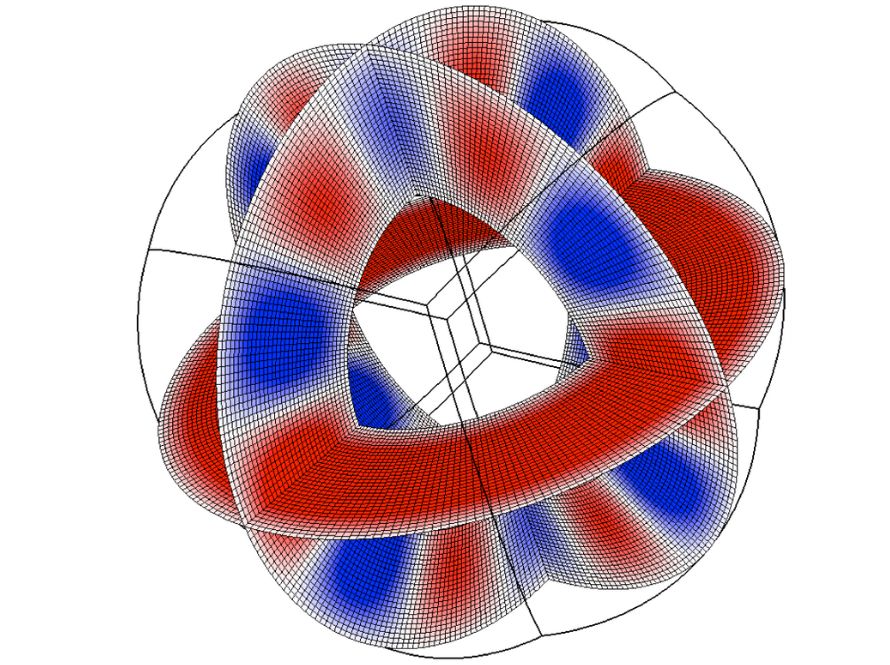
Chombo is a flexible, widely adopted open-source AMR framework tailored for structured grid applications and complex partial differential equations. Known for its versatility and robust support for multiphase flows, magnetohydrodynamics, and industrial processes, Chombo enables researchers to tackle challenging geometries and legacy scientific codes with ease.
Chombo-Crunch
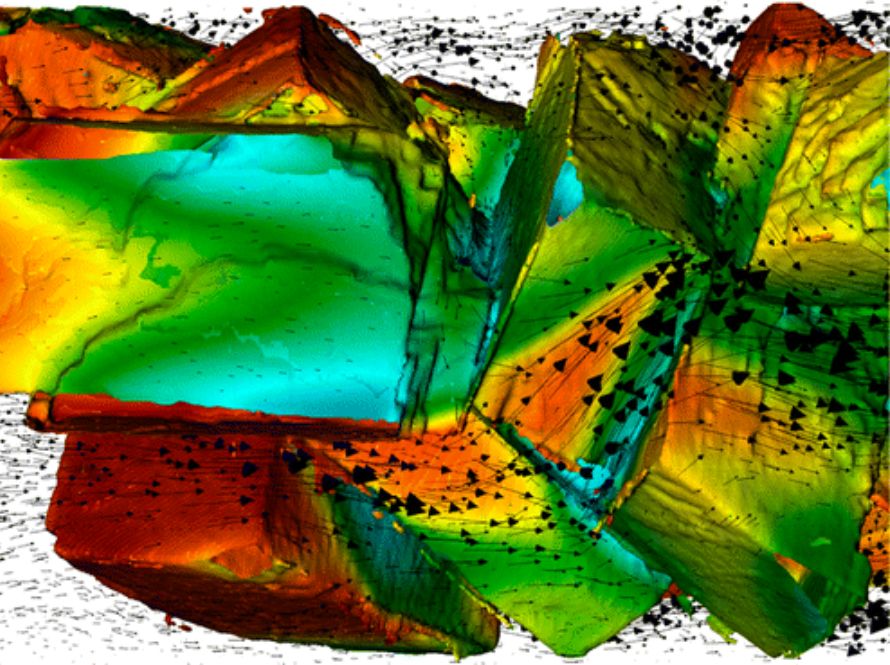
Chombo-Crunch is a high-performance simulator for flow and transport in complex, heterogeneous materials, scalable on DOE supercomputers and GPU-ready. Its unique ability to run direct simulations from image data drives advances in subsurface science—such as carbon sequestration and fracture evolution—and powers engineering applications from battery electrodes to manufacturing.
BerkeleyGW
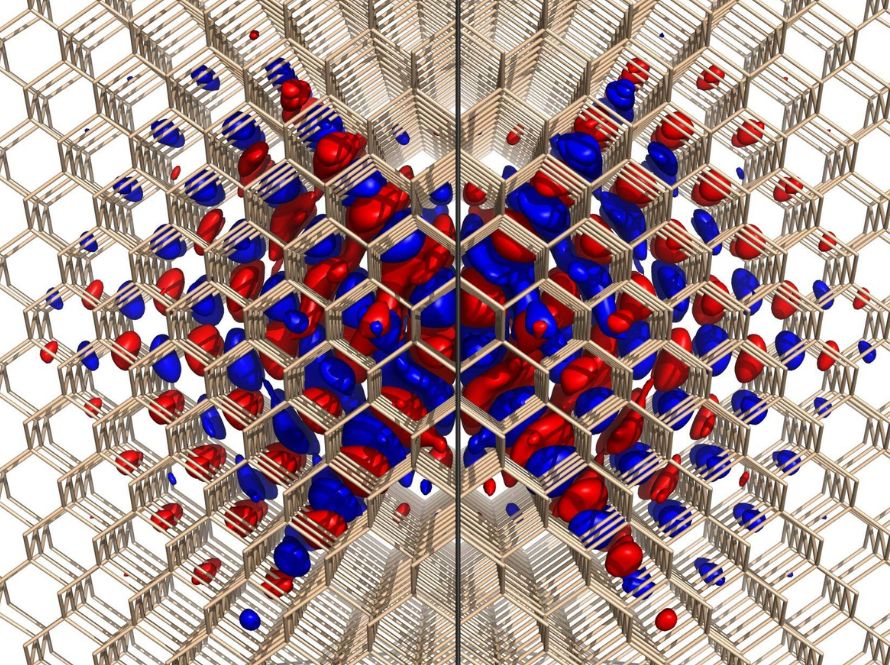
BerkeleyGW is a state-of-the-art software package for excited-state calculations in quantum materials. It enables high-fidelity simulations of electronic structure and optical properties, supporting advances in materials for quantum information science and next-generation electronics.
TomoCAM
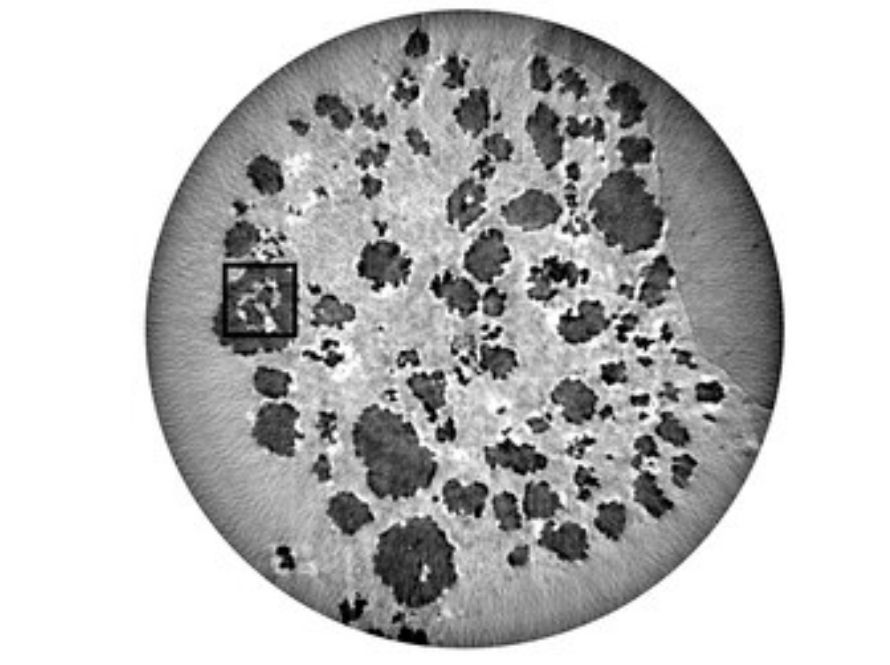
TomoCAM is an open-source algorithm that reconstructs 3D images from X-ray tomography data at record speed and accuracy. It’s used for rapid analysis of complex materials and supports real-time feedback at experimental facilities.
CAMERA
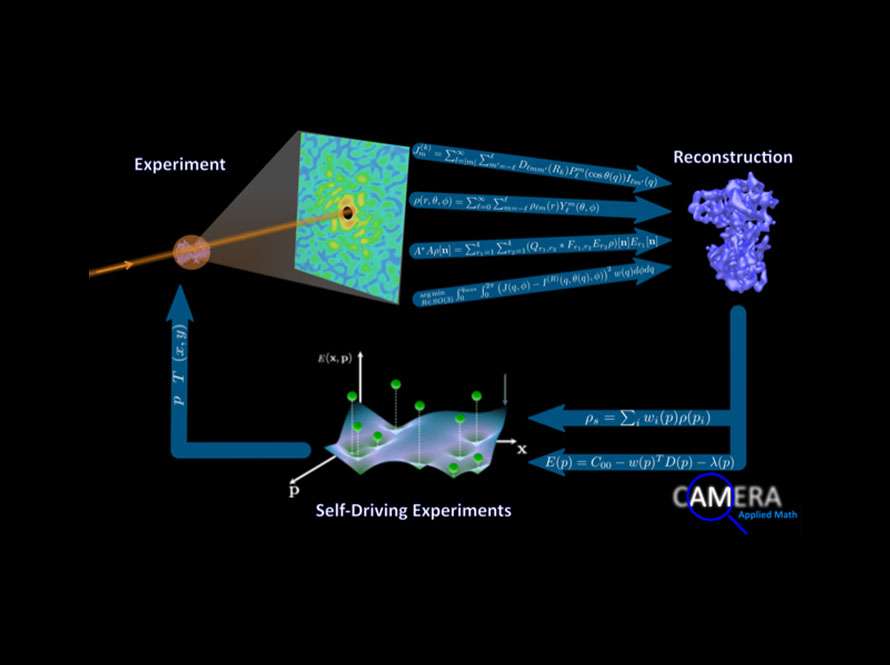
CAMERA (Center for Advanced Mathematics for Energy Research Applications) develops new mathematics and algorithms for experimental data interpretation, uncertainty quantification, and real-time autonomous experiments at DOE user facilities, directly linking simulation and experiment.
Xi-cam
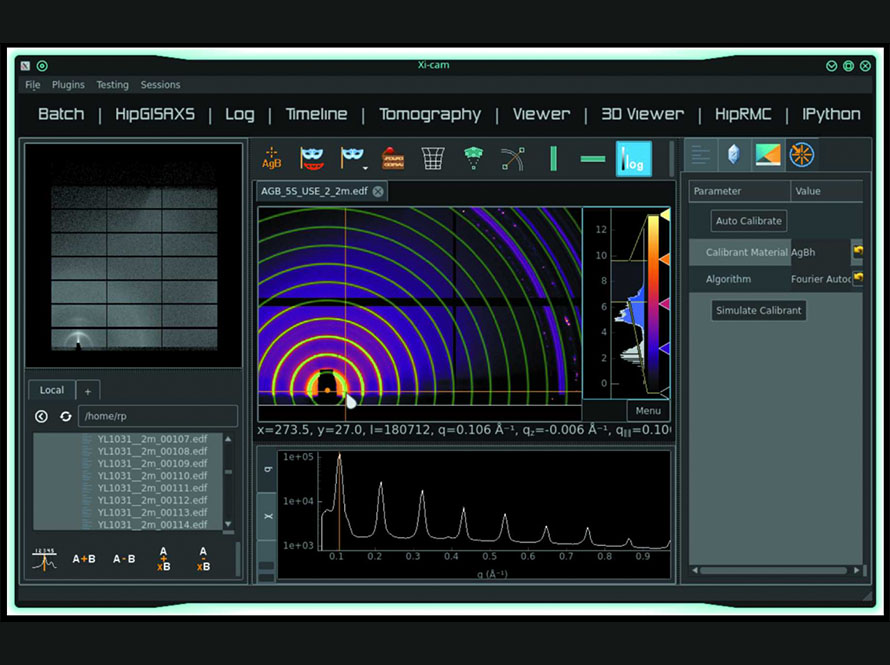
Xi-cam is an open-source platform for high-throughput data management, visualization, and analysis, bridging experimental data with simulation workflows in materials and photon science.
RhizoNet
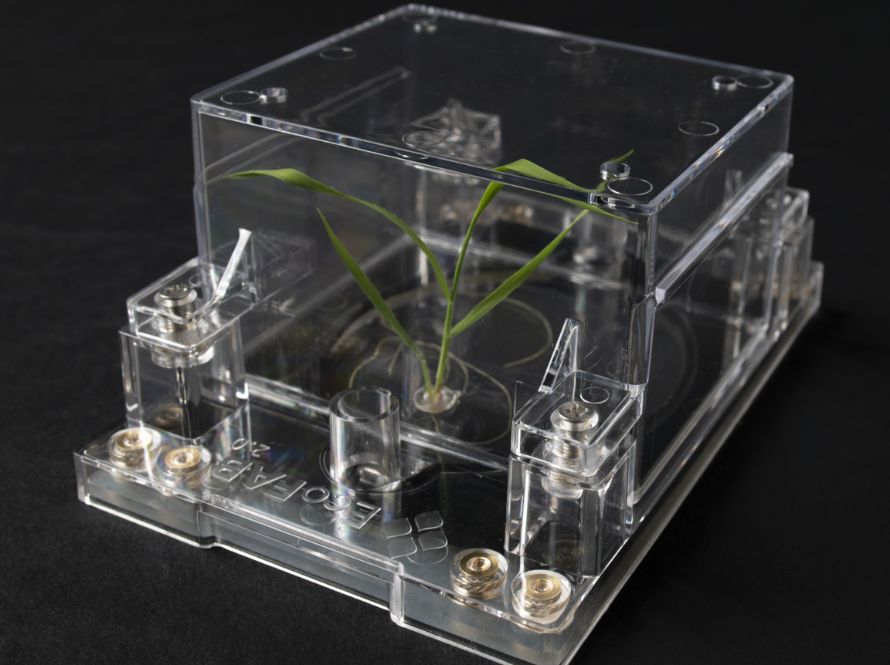
RhizoNet leverages AI to analyze plant root images, enabling automated, high-throughput phenotyping and supporting self-driving laboratory experiments in agricultural research.
SuperLU
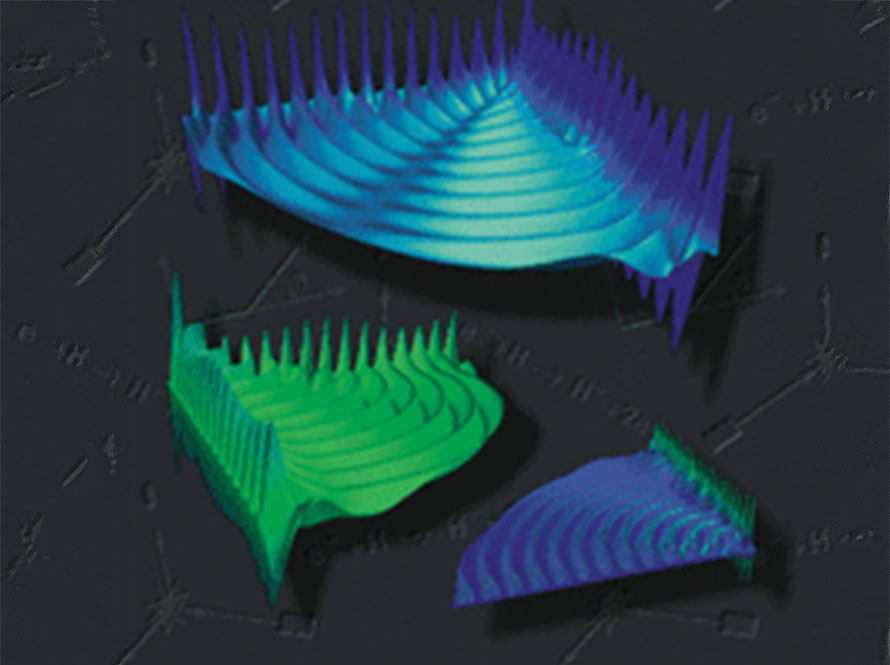
SuperLU is a high-performance library for solving large, sparse linear systems using direct LU factorization. With support for MPI, OpenMP, and CUDA, it delivers scalable performance on modern HPC systems, making it a cornerstone for accurate and efficient scientific simulations.
STRUMPACK
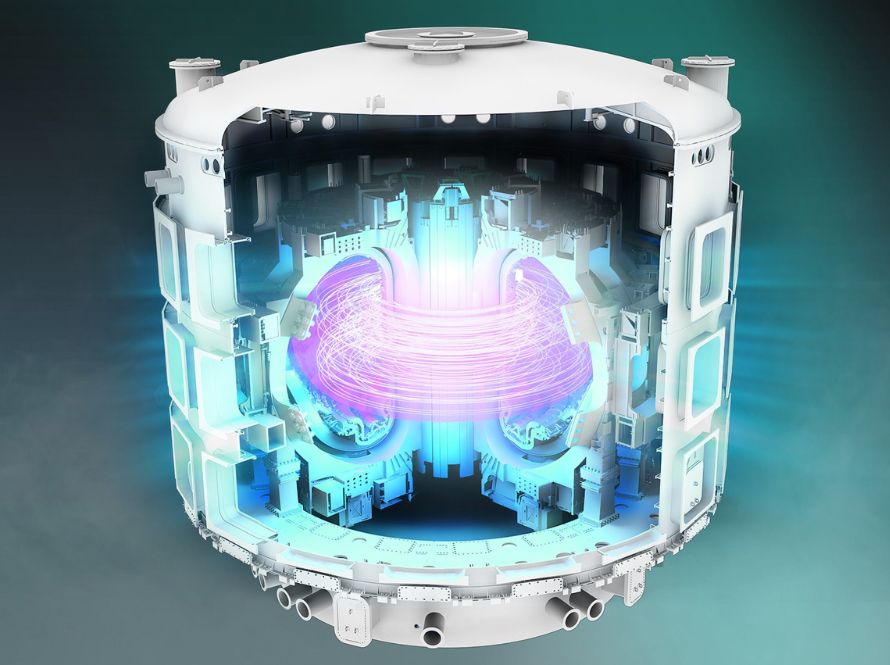
STRUMPACK is a scalable solver for sparse and dense linear systems, specializing in matrices with hierarchical low-rank structure. Its advanced compression techniques and strong GPU and distributed memory support enable fast, memory-efficient solutions for large-scale modeling and simulation tasks.
Center for Computational Sciences & Engineering (CCSE)
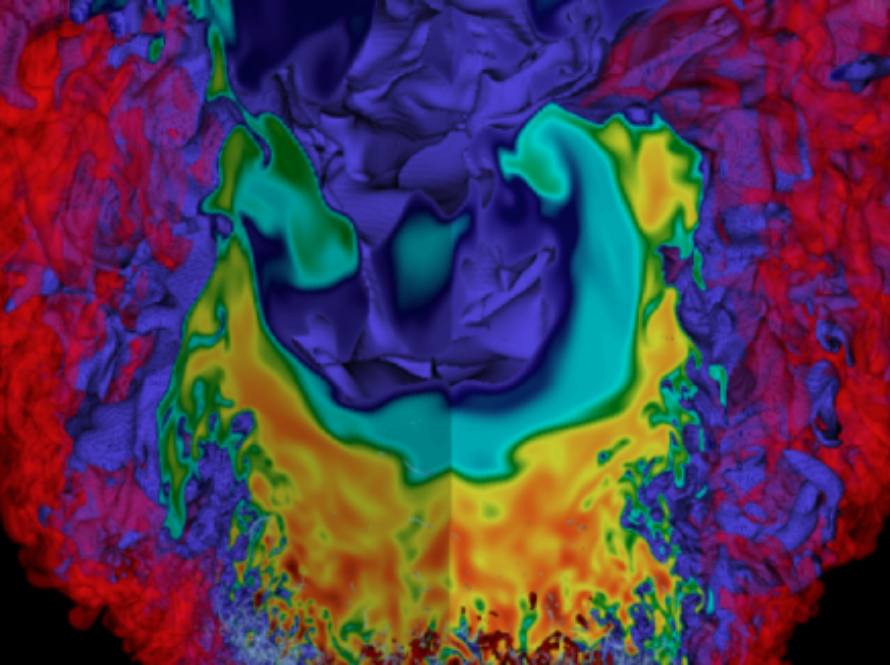
AMCR Modeling and Simulation
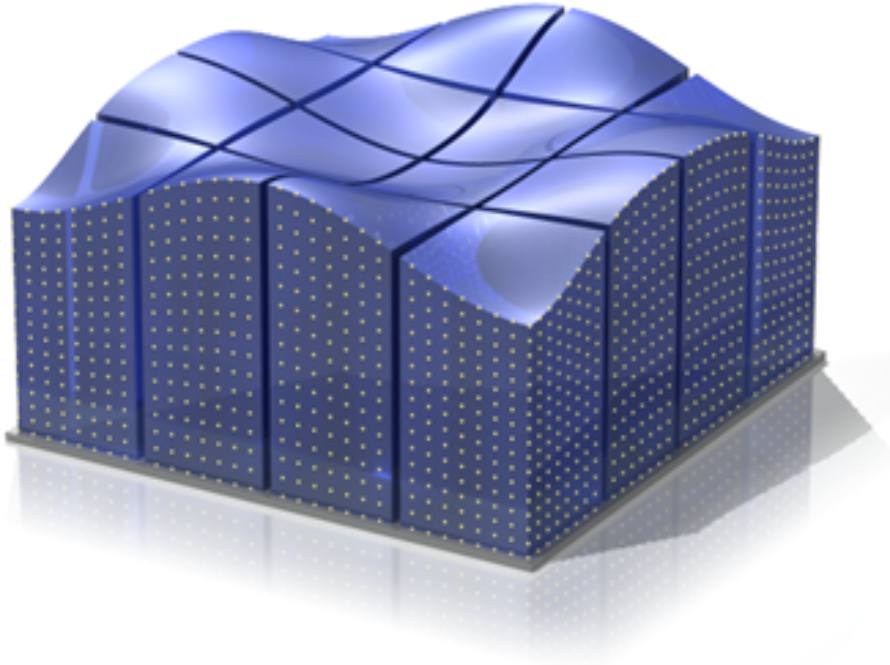
Physics & X-ray Computing Group