News

Hydrogen Fuel Cells: An Environmentally Friendly Alternative
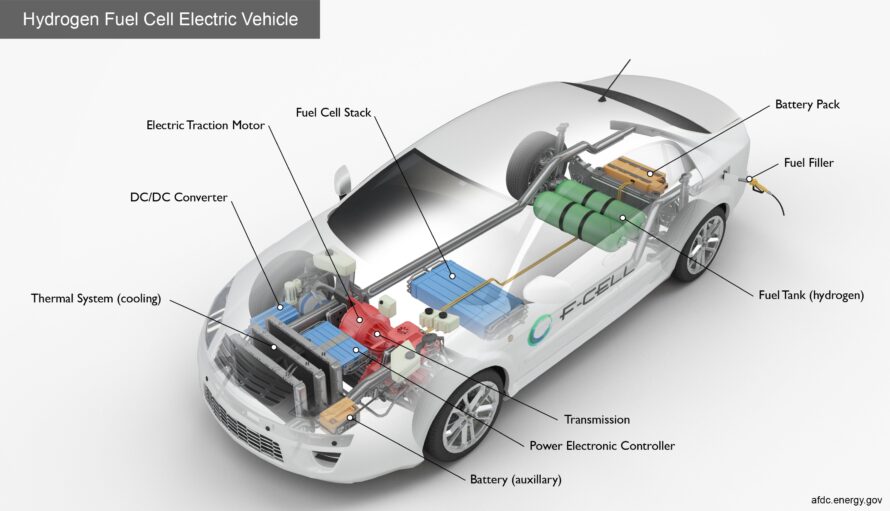
Hydrogen Fuel Cell Electric Vehicles: How they Work Hydrogen fuel cell electric vehicles (FCEVs) are similar to electric vehicles in that they use an electric motor instead of an internal combustion engine to power the wheels. However, while electric vehicles run on batteries that must be plugged in to recharge, FCEVs generate their electricity onboard. In a fuel cell, hydrogen gas from the vehicle’s fuel tank combines with oxygen from the air to generate electricity with only water and heat as byproducts of the process. Fueling a hydrogen FCEV is similar to refilling a vehicle’s gas tank, but using a nozzle from a designated hydrogen dispenser at a public station. Refueling times are also similar: FCEVs can be refueled in as little as 5 minutes. Some FCEVs can go more than 300 miles on one tank of hydrogen fuel — greater than the distance from St. Louis to Chicago — and fuel economy close to 70 MPGe (miles per gasoline gallon equivalent). For more details about hydrogen FCEVs and how they work, visit this U.S. Environmental Protection Agency information site.

Berkeley Lab Computing Resources Enable Deeper Understanding of Supernovae Explosions
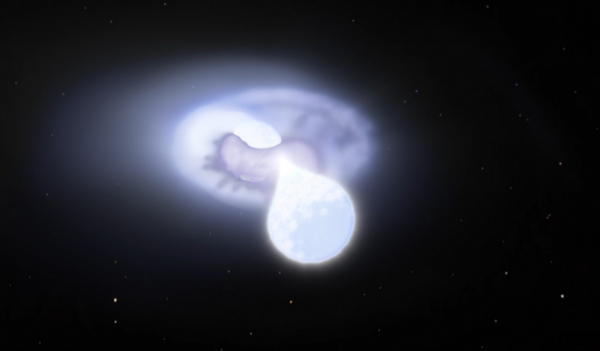
A dead star explodes as a Type Ia supernova. (Image credit: NASA)

X-Ray Crystallography Goes Even Tinier
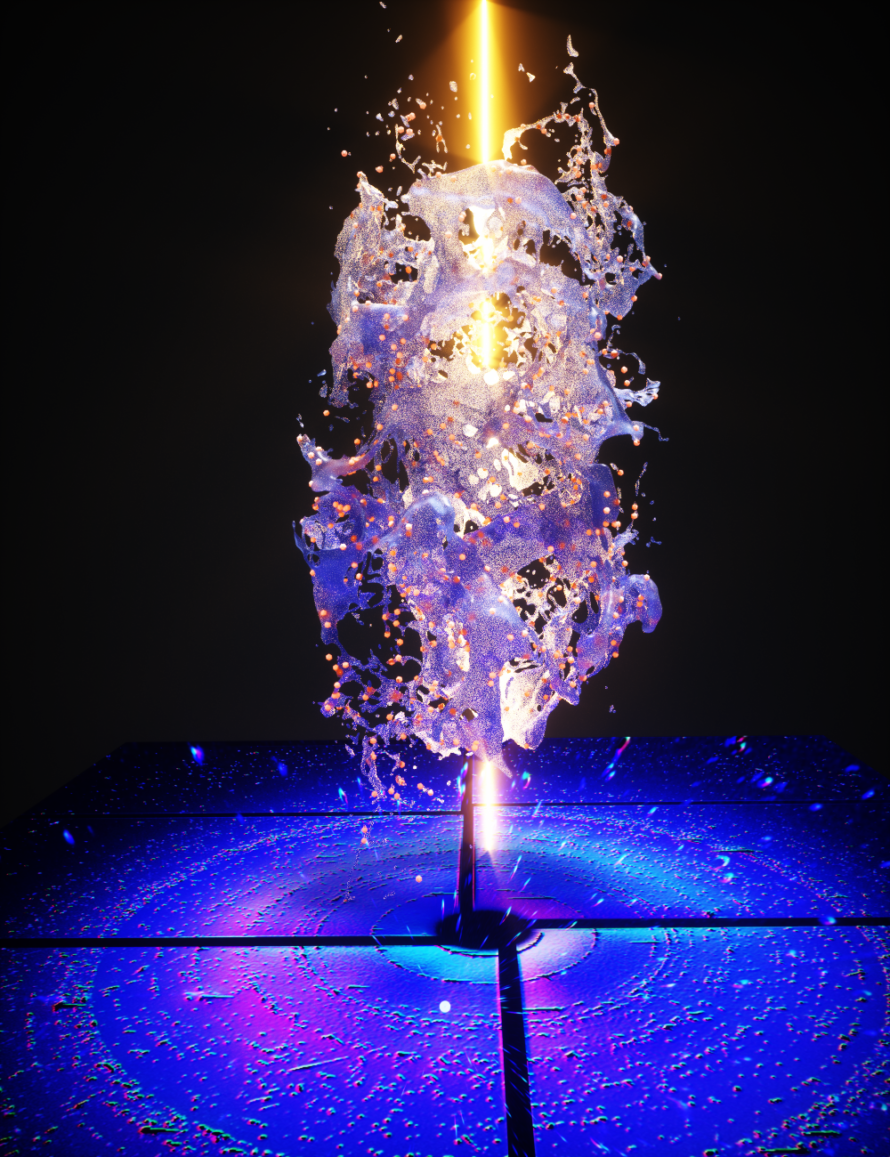
A new method for x-ray crystallography expands the technique to identify the structures of molecules that don't easily form large, symmetrical nanocrystals.

Climate Simulations Redefine Causes of North American Monsoon
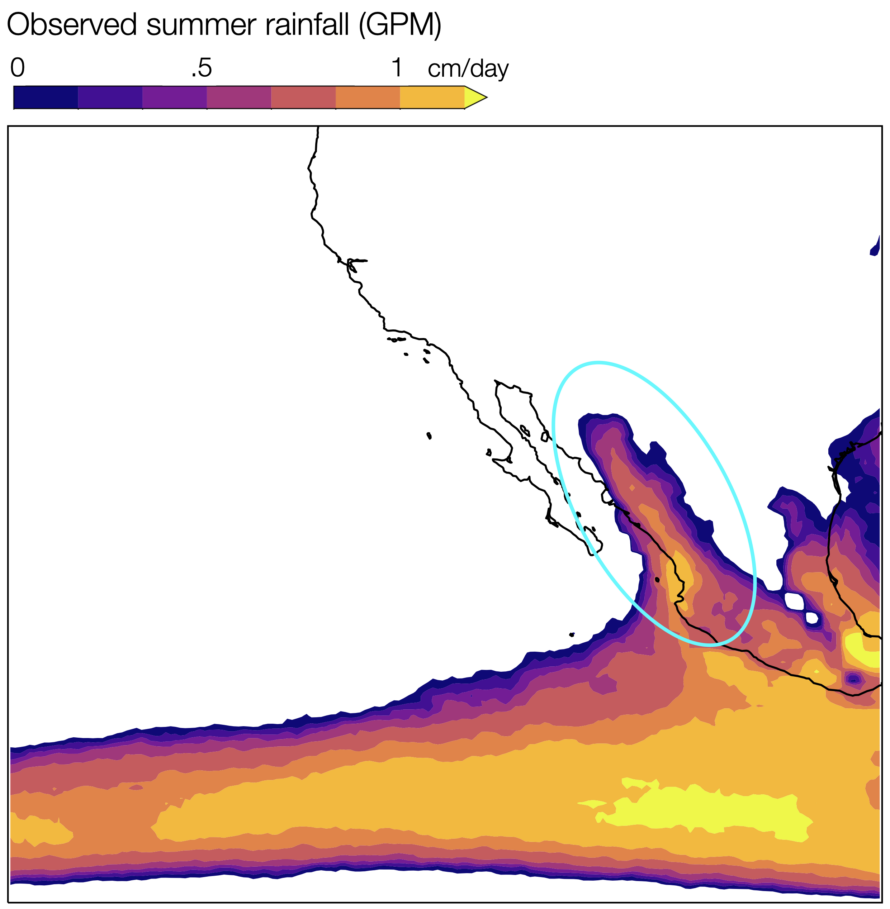
The North American Monsoon pattern can cause heavy rainfall in Mexico and the American Southwest in the late summer. New research using a more granular model shows that this monsoon is mechanically, rather than thermally, forced.

Hopper Fellow Brings ML, Math, and Algorithmic Expertise to NERSC

Richard Barnes

NERSC Resources Help Achieve Milestone in Neutrino Research
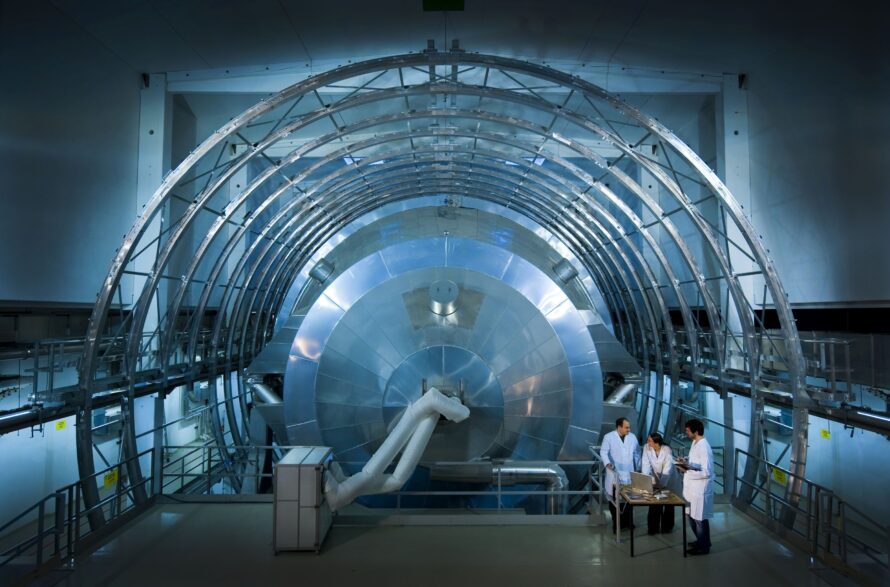
Experimental hall of the KATRIN experiment showing the main spectrometer from the front. The outside rings are air-coil magnets used to compensate for the earth's magnetic field. (Credit: KIT/Markus Breig)

CosmoGAN: Training a Neural Network to Study Dark Matter

Computing Sciences logo