
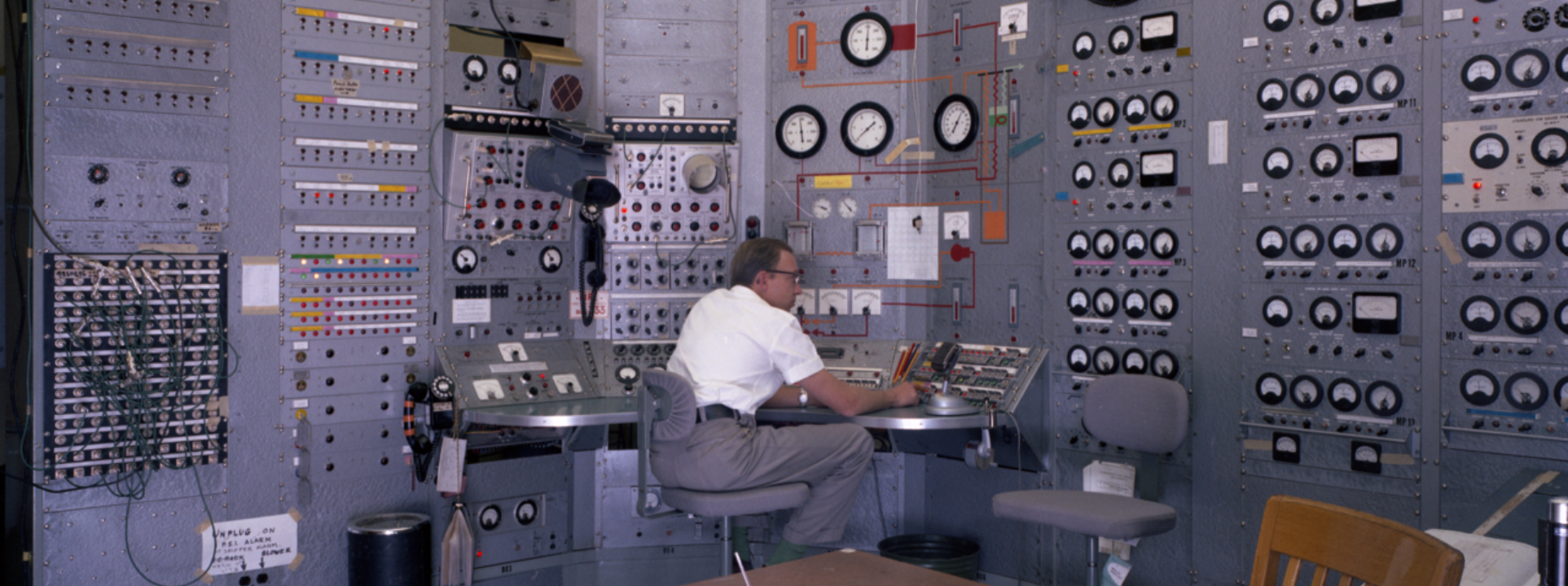
A sampling of more than 70 years of Berkeley Lab’s storied history in computer science, computational science, data science, and mathematics is captured in this timeline, a legacy that predates the Department of Energy’s inception.
Beginning in the 1950s and 60s, our researchers developed novel computational science techniques that led to the discovery of new particles in Luis Alvarez’s “Bubble Chamber.” They developed mathematical methods that have led to better aircraft and combustion designs, semiconductor processing, and medical imaging, among other breakthroughs. And did you know that one of the world’s first video-conferencing and live-streaming applications – the Multicast Backbone (MBONE) – was invented by Lab researchers in the 1990s?
Explore our interactive timeline for more history
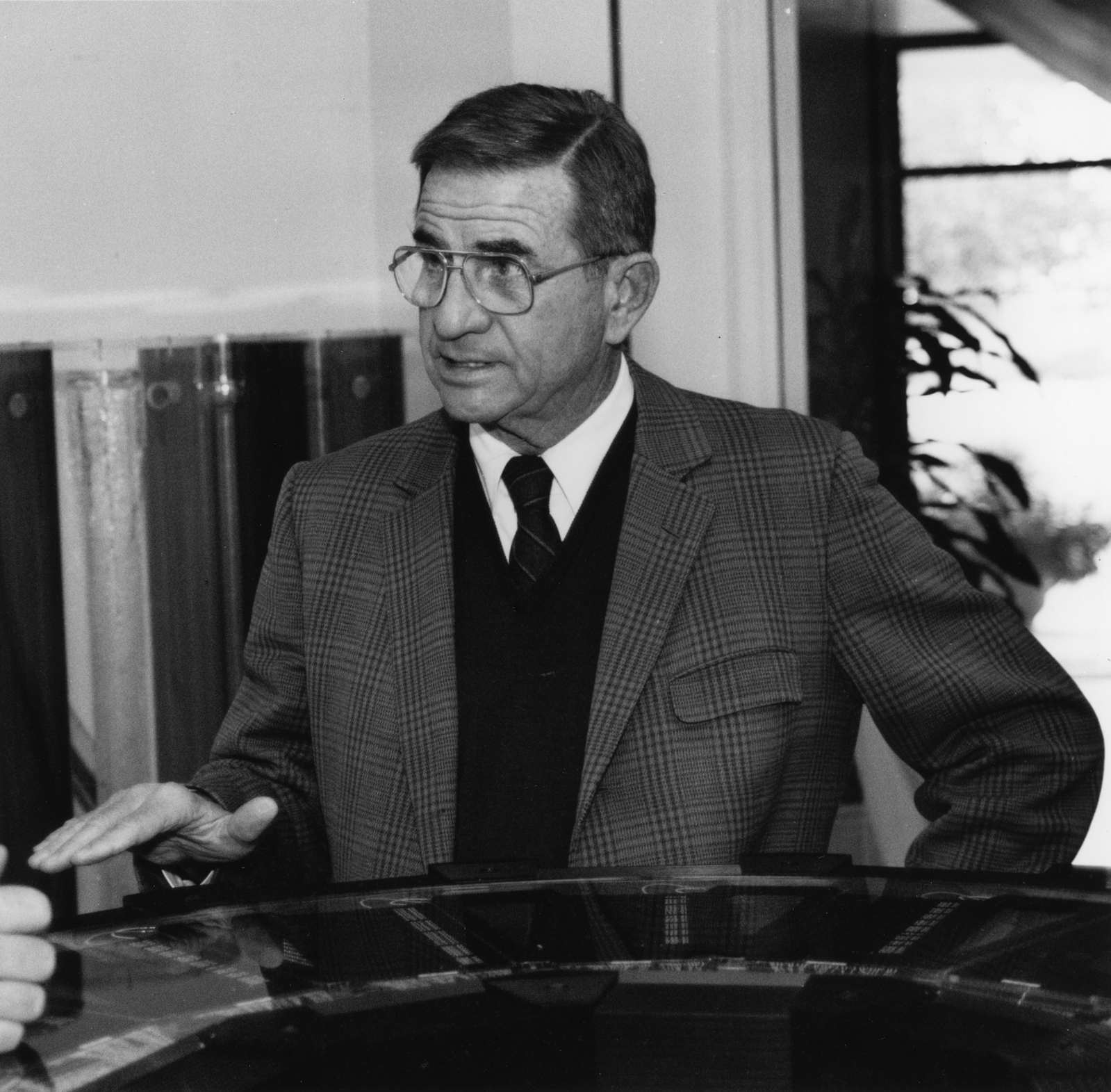
Birth of Computational Science at the Lab
John Killeen, a graduate student at UC Berkeley, is a research assistant in Lawrence Radiation Laboratory (LRL) Berkeley’s theoretical physics group and heads up the laboratory’s first small computation staff. In 1957, Killeen moves to LRL Livermore and in 1974 was named the first director of the Controlled Thermonuclear Research Computer Center, later known as NERSC.
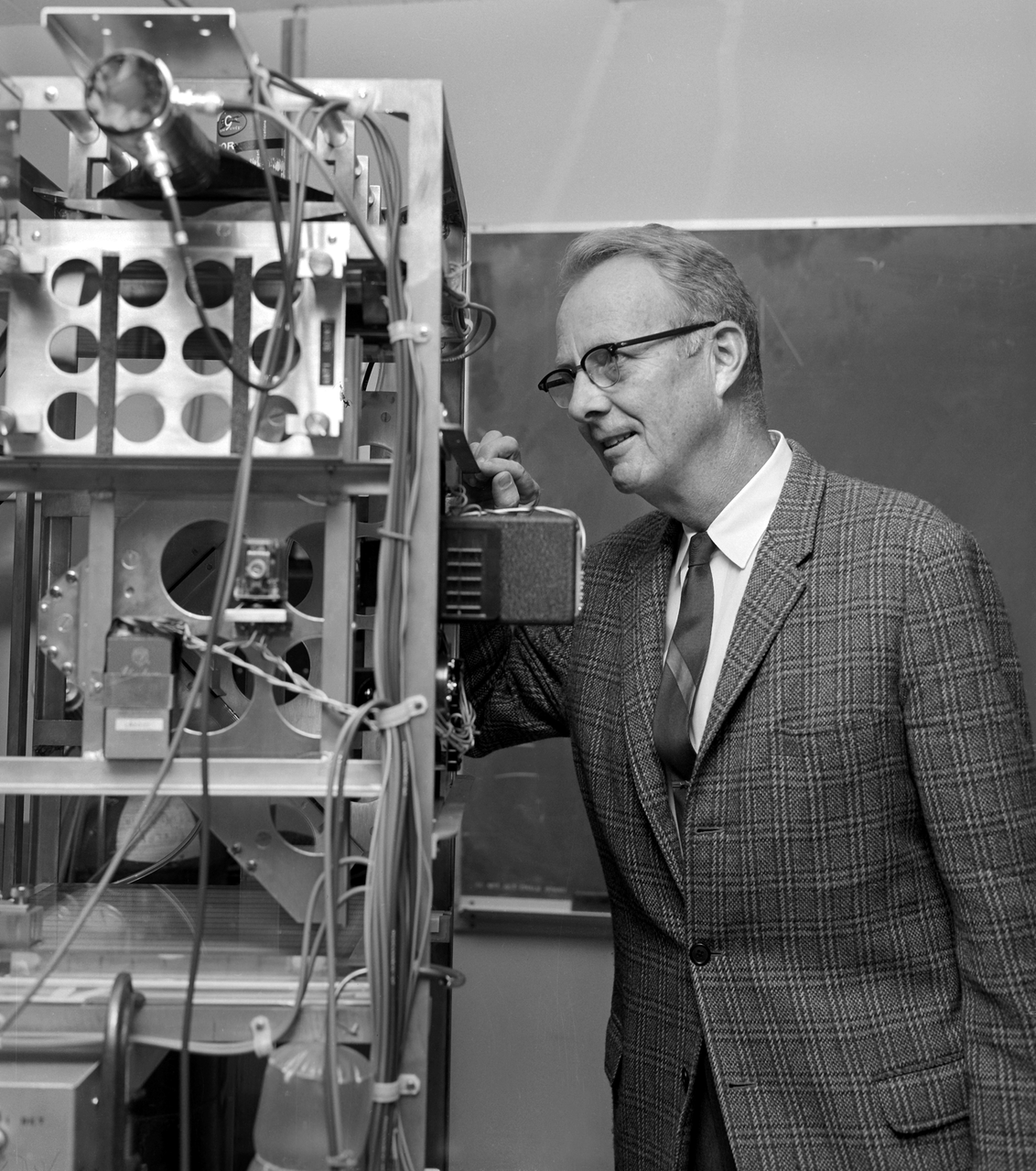
A New Era in High Energy Physics
In 1955, Luis Alvarez opened a new era in high-energy physics by proposing to build a “bubble chamber” for discovering and analyzing new particles. He was among the first to suggest analyzing experimental data with computers. When Alvarez’s vision was realized in the 1960s, computers tracked some 1.5 million particle events annually. His team also developed novel scientific computing techniques that were adopted by researchers globally. Alvarez received the 1968 Nobel Prize for Physics.
Source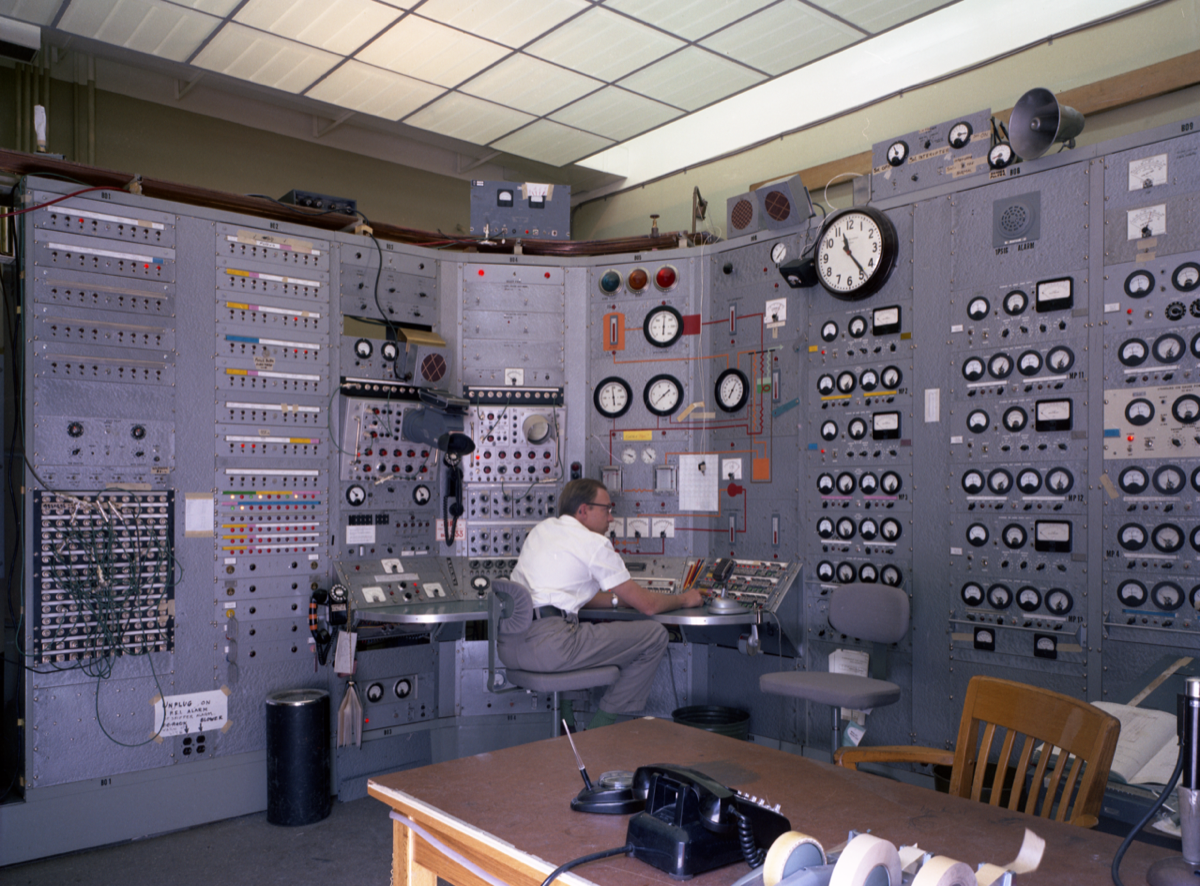
KICK Program Propels Physics into High Gear
Computer programmer Robert “Bob” Harvey wrote the KICK 1 program using data on IBM punch cards. KICK was designed to help researchers determine which subatomic particles made observed tracks in a bubble chamber event. After joining the lab in 1957, Harvey designed and implemented digital computer programs to solve a variety of scientific and engineering problems. He made several significant contributions to the lab’s computing capabilities over the years.
Source
Rad Lab named in Honor of Ernest Lawrence
Just 23 days after Ernest Orlando Lawrence’s death on August 27, 1958, the Regents of the University of California voted to rename two of the university's “Rad Labs” in his honor: Lawrence Radiation Lab Berkeley and Lawrence Radiation Laboratory Livermore.
Source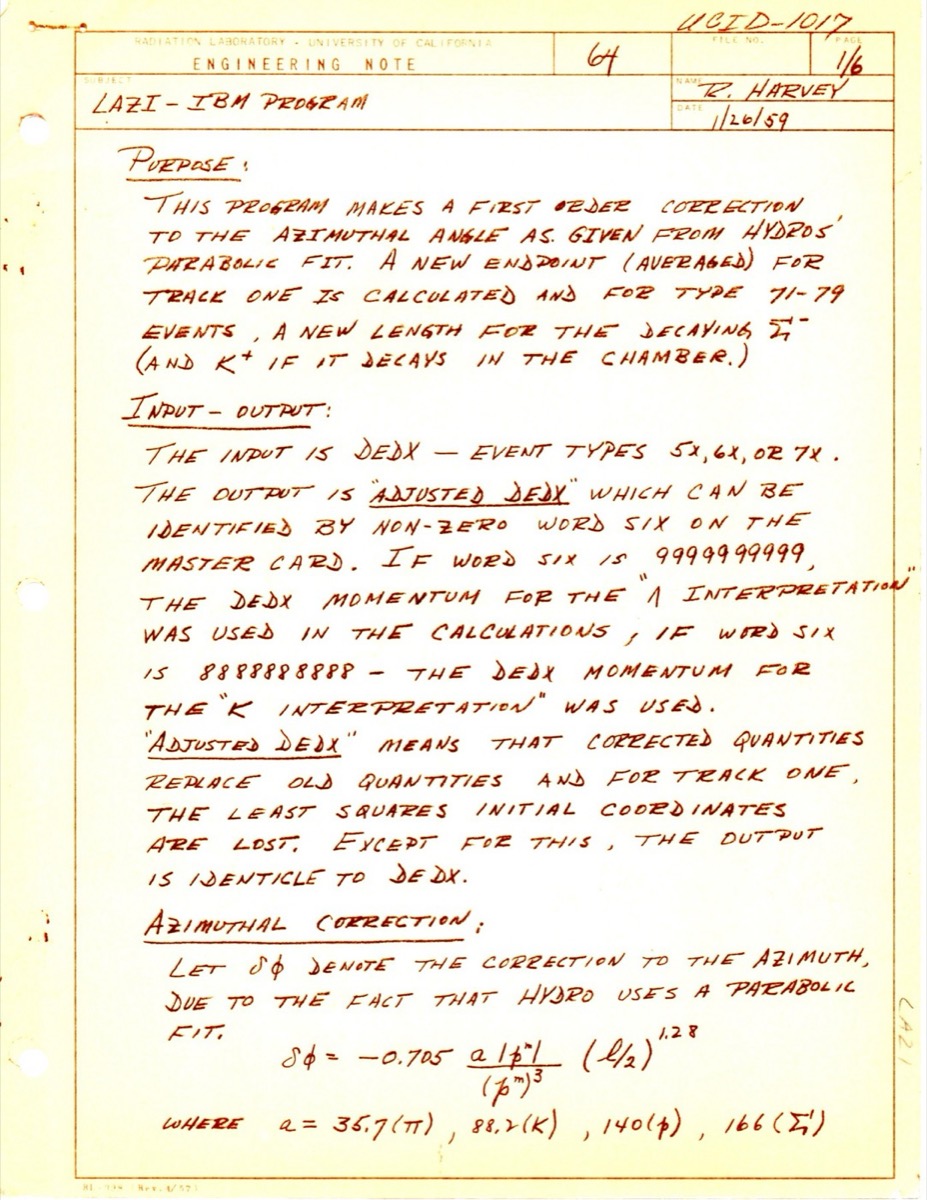
LAZI Program Tracks Particle Angles
Computer programmer Robert “Bob” Harvey writes LAZI, a program similar to KICK, making the first-order correction in determining the angle of particles in the bubble chamber.
Source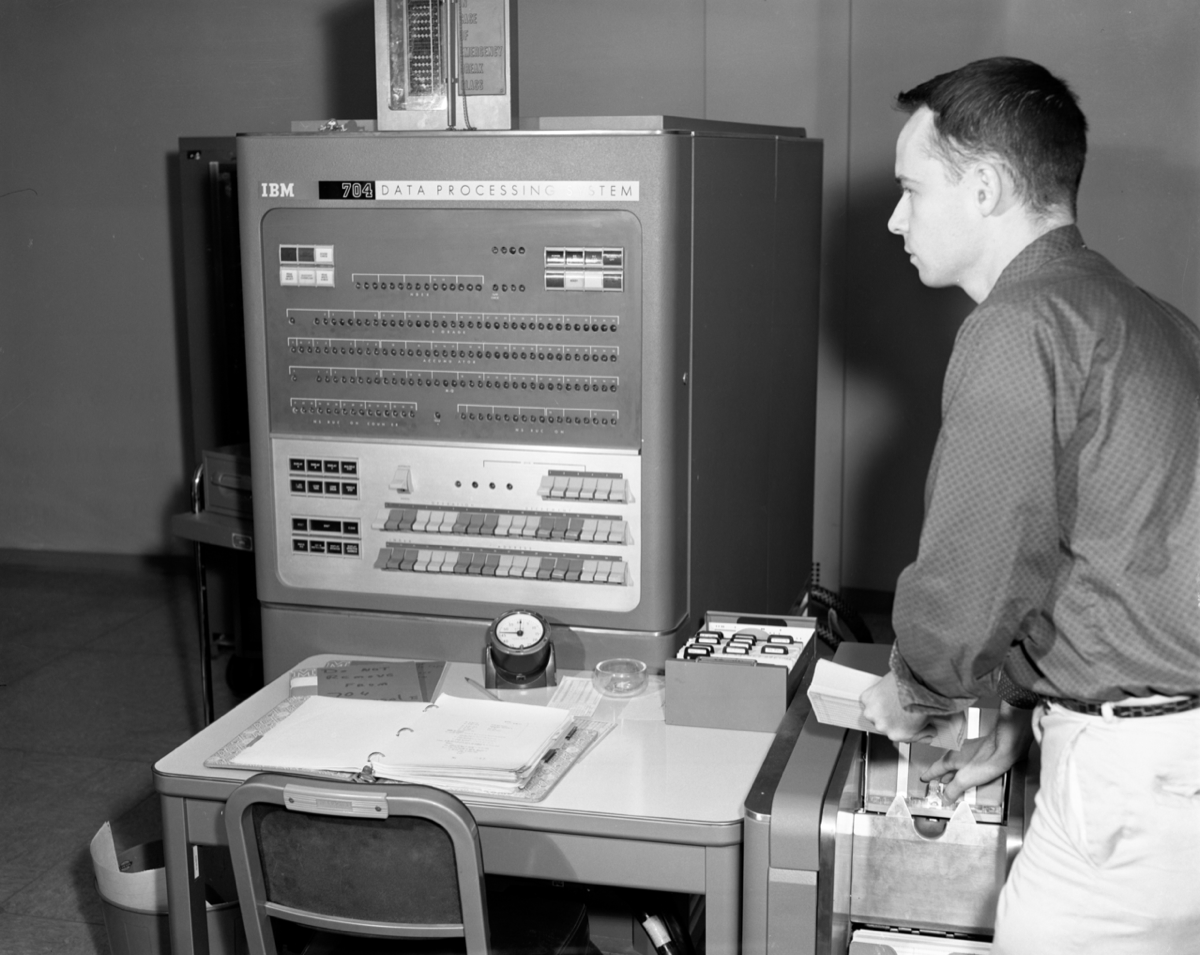
Computing Propels Discovery at the Bubble Chamber
When Luis Alvarez’s “Bubble Chamber” became a reality, computers tracked some 1.5 million particle events annually. The events were measured either on stage microscopes, with digitizers that automatically punched IBM cards, or on a "Frankenstein" automatic measuring and card-punching machine. The machines measured the original position of an event and several points along each track, then the data was sent to an IBM 704 for computation of the characteristics of the event.
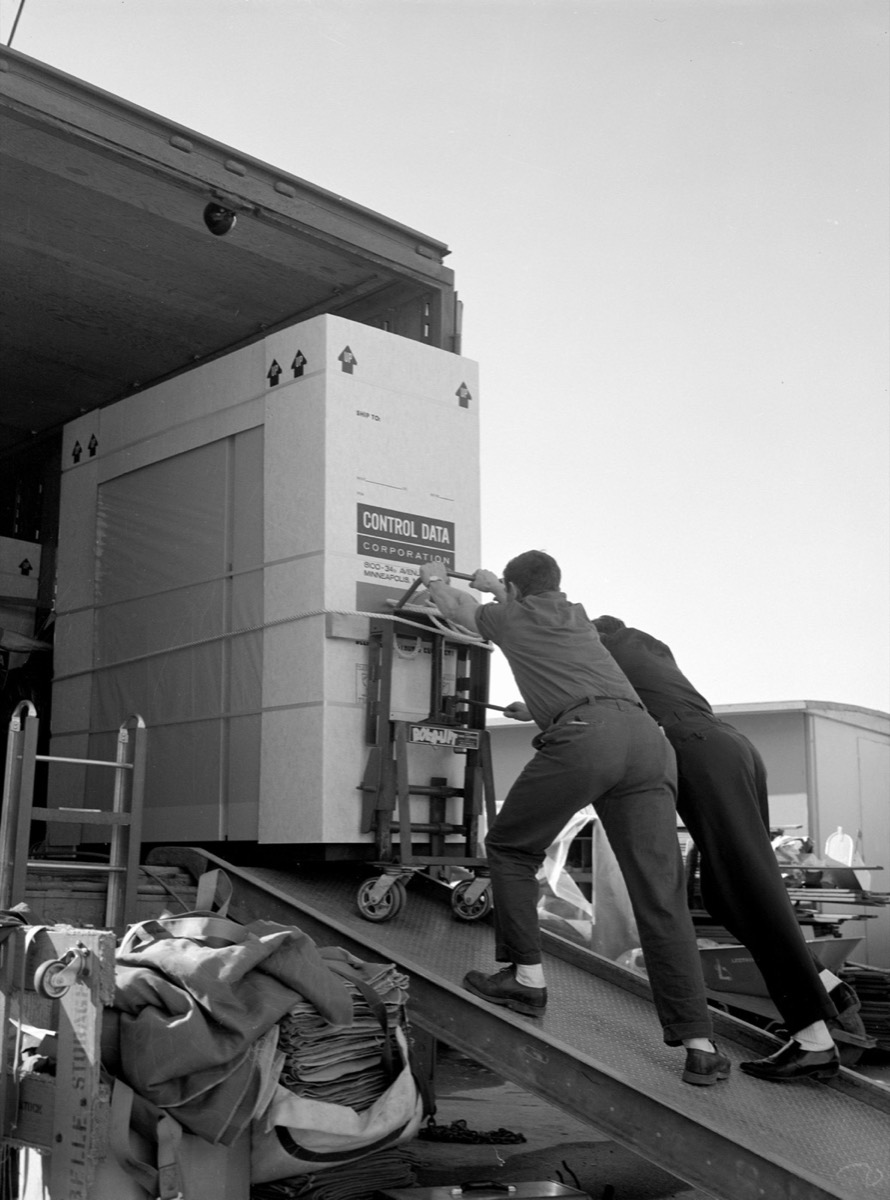
IBM Gets Some Competition in Scientific Computing
David Stevens joins the Physics Division’s Math and Computing Group. Stevens worked on a range of early IBM computers. When IBM introduced the 360, Stevens wrote that it was unsuitable for scientific work and pushed the labs to adopt the Control Data Corporation (CDC) 6600 designed by Seymour Cray. During a factory test, the 6600 finished the job significantly faster than its IBM competitor. The demonstration persuaded the Atomic Energy Commission to buy CDC machines.
Source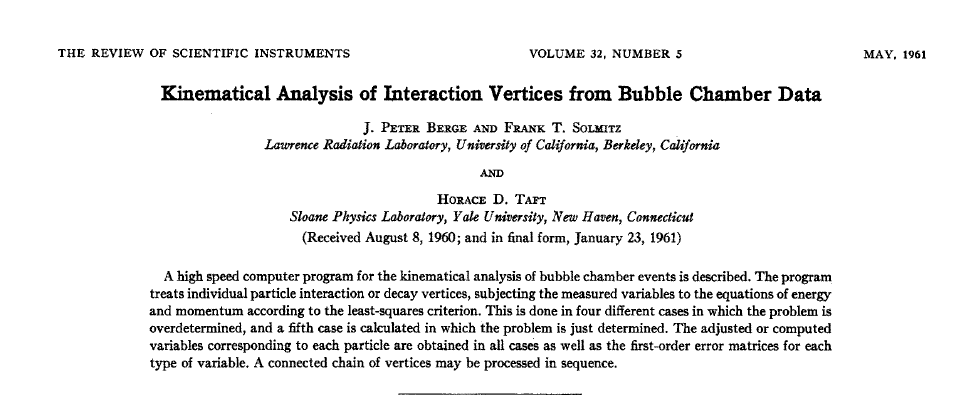
KICK Program Described in Scientific Instruments
J. Peter Berge and Frank T. Solmitz of Lawrence Radiation Lab, Berkeley, and Horace D. Taft of Yale University publish the paper “Kinematical Analysis of Interaction Vertices from Bubble Chamber Data,” which describes KICK, “a high-speed computer program for the kinematical analysis of bubble chamber events.” The paper appeared in the May 1961 issue of The Review of Scientific Instruments.
Source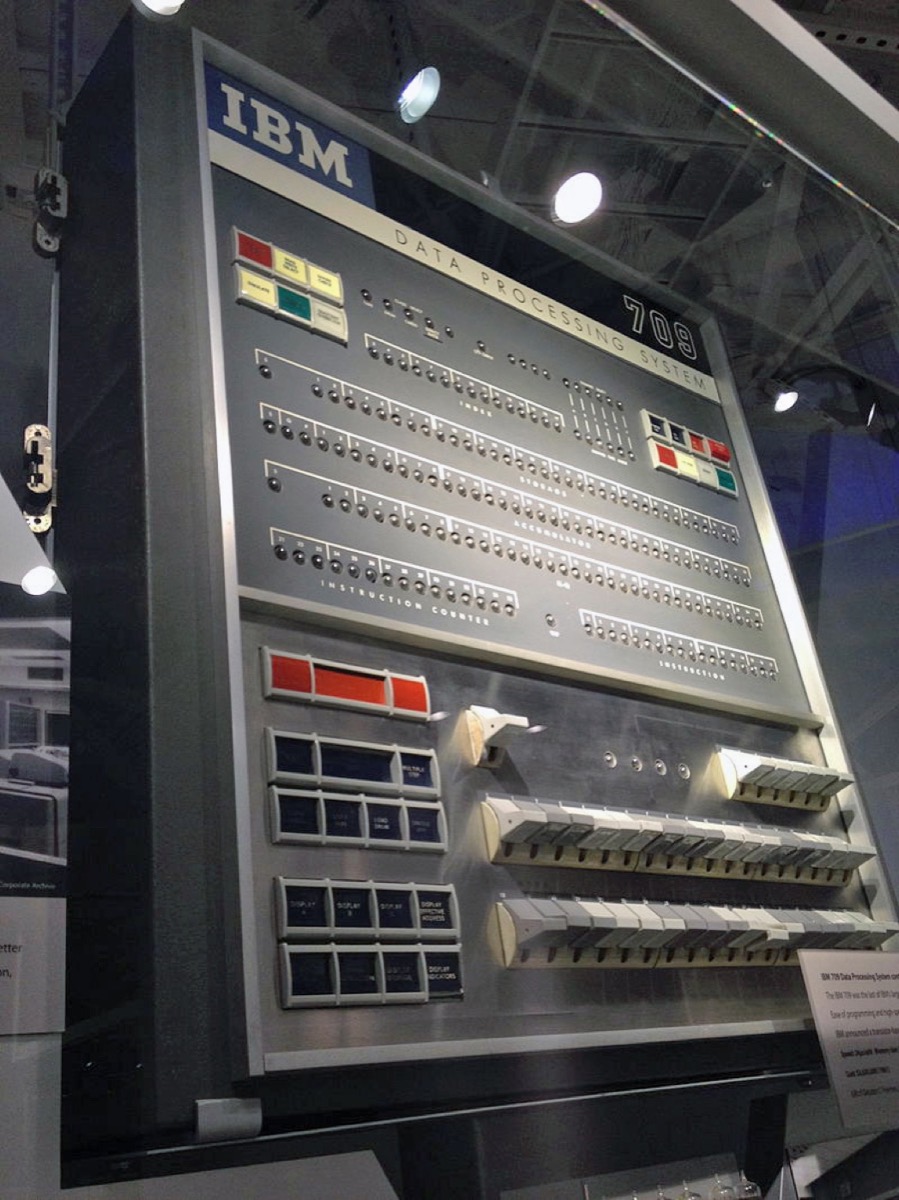
A Program to Solve Maximum-Likelihood Method
A paper by Fernand Grard of the Lawrence Radiation Lab describes MALIK, a computer program that analyzes experimental data by use of the maximum-likelihood method, a statistical approach that can be used to search a space of possible distribution and parameters. MALIK was written for the Lawrence Radiation Laboratory’s IBM 709 and 7090 computers.
Source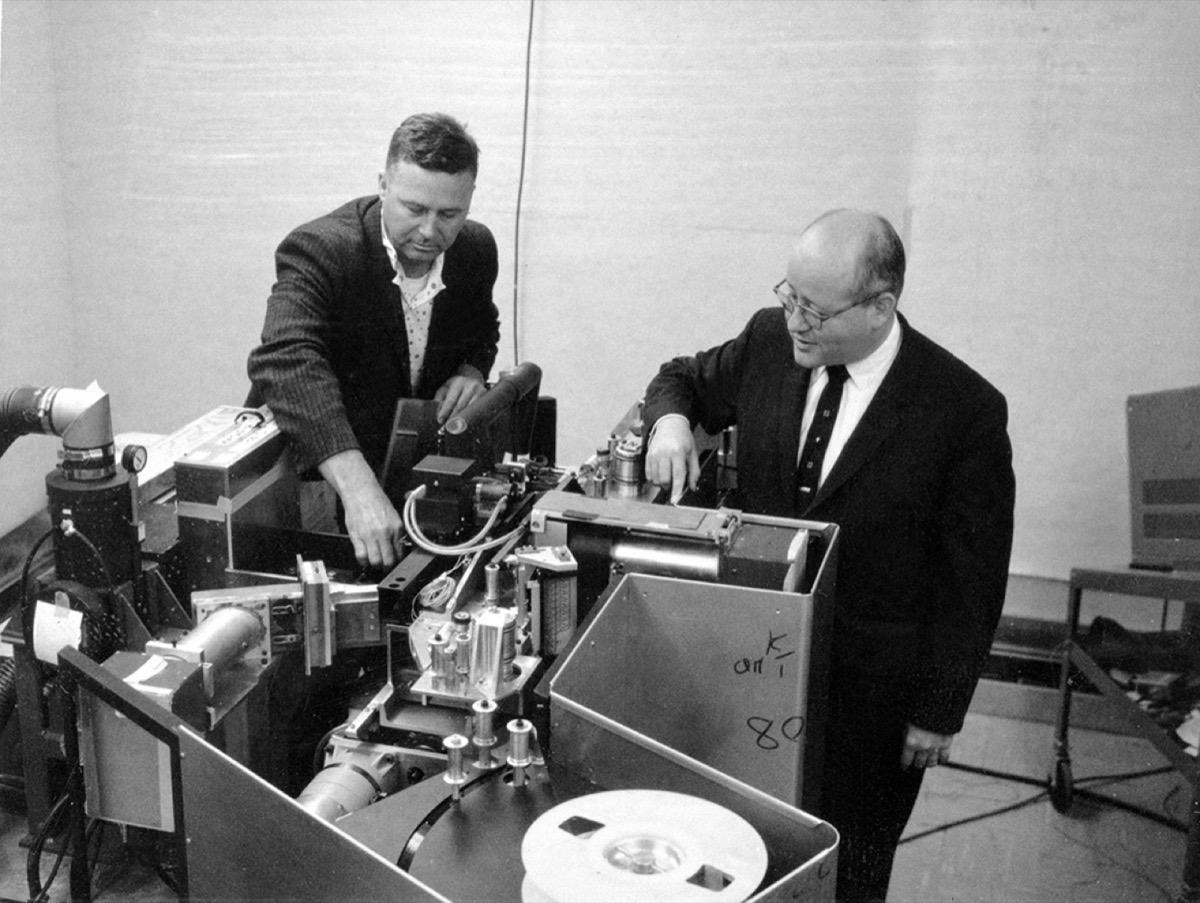
A Method to Discover New and Short-Lived Particles
An article in the August issue of The Magnet, Lawrence Radiation Lab’s (LRL) newsletter, describes a meeting at CERN where LRL researchers presented “encouraging progress reports” on the development of two data-reduction devices (the Flying Spot Digitizer and the Scanning-Measuring Projector) for discovering new particles and resonances (short-lived particle states).
Source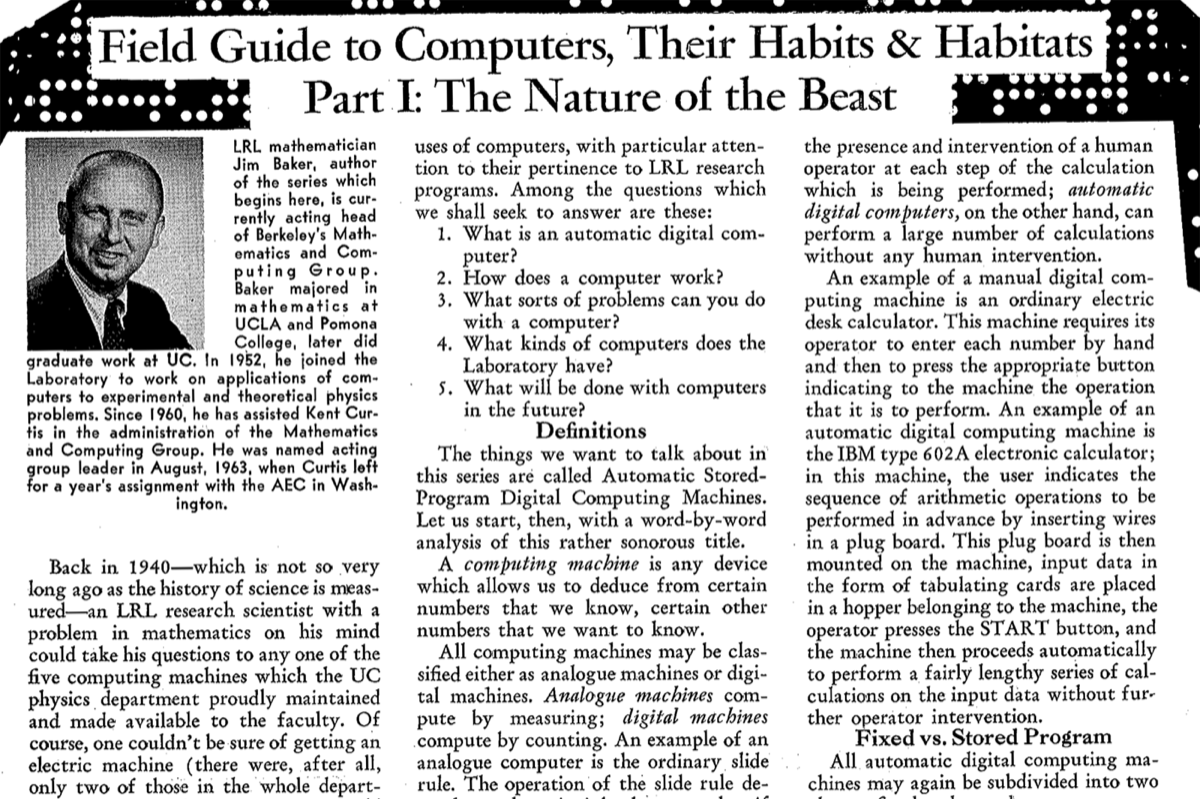
Field Guide to Computers, Their Habits & Habitats
The April issue of The Magnet includes the first installment of “Field Guide to Computers, their Habits & Habitats, Part I: The Nature of the Beast.” The article, written by Jim Baker, acting head of Berkeley’s Mathematics and Computing Group, describes the four main parts of an automatic digital computer.
Source
Field Guide to Computers: The World of the Future
The November issue of The Magnet includes the final installment of “Field Guide to Computers, their Habits & Habitats, Part VII: The World of the Future,” in which Jim Baker looks at new developments in hardware and software and offers predictions on how they will influence how computers will be used in the future.
Source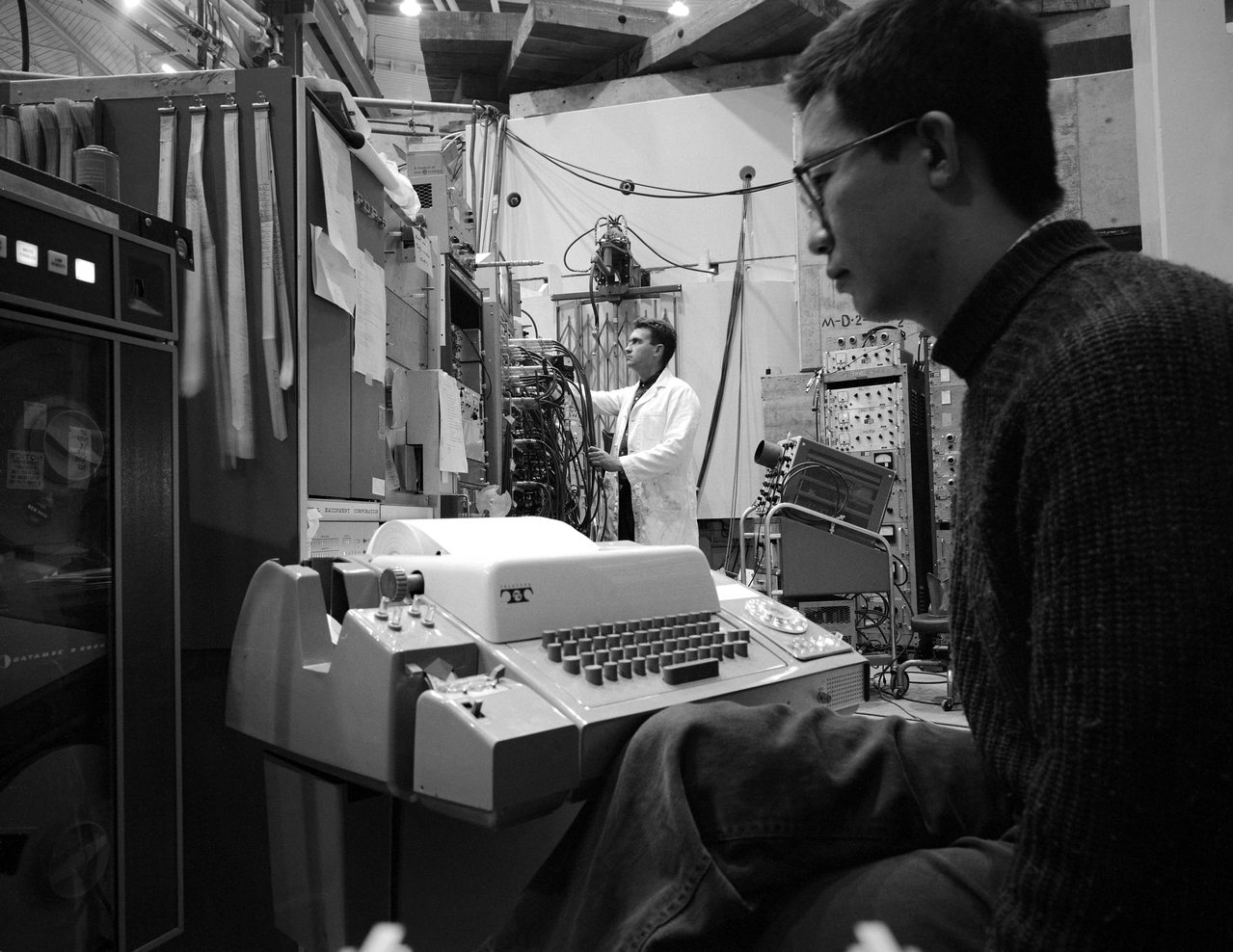
A Pint-Sized Computer Revolutionizes Nuclear Physics
The November issue of The Magnet includes an article headlined “Computer-Centered Counting System Gives Fast Results.” The article begins: “A pint-sized but precocious computer no larger than an office desk is revolutionizing the way nuclear physics experiments are performed at Lawrence Research Laboratory, Berkeley accelerators” and describes how a PDP 5 is the core of a new data collection system.
Source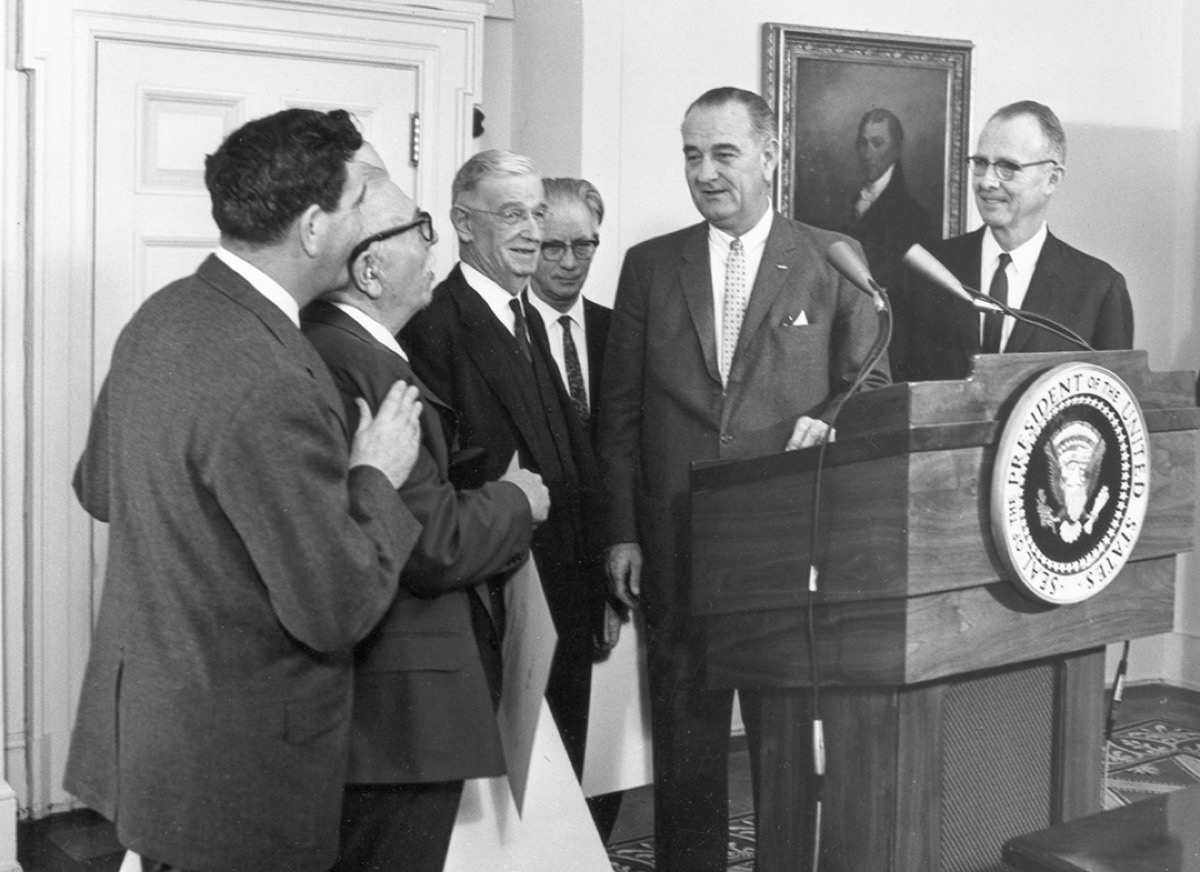
Luis Alvarez Receives National Medal of Science
On January 13, 1964, President Lyndon Johnson presented Luis Alvarez with the 1963 National Medal of Science for "his inspiring leadership in experimental high energy physics, continuing development of the bubble chamber, the discovery of many states of elementary particles, and his contributions to national defense."
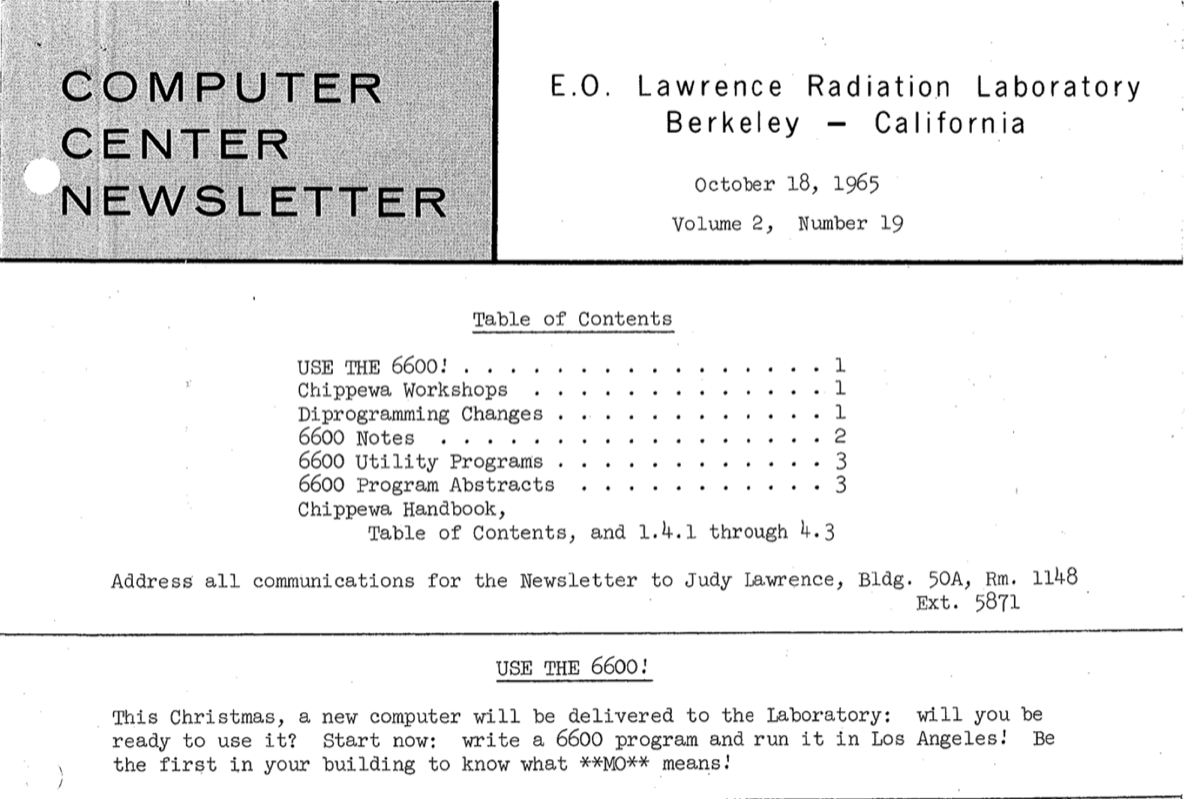
"Use the 6600!"
The October 18 issue of the Computer Center Newsletter leads with a short item headlined “Use the 6600!” The article reads “This Christmas, a new computer will be delivered to the Laboratory: will you be ready to use it? Start now: write a 6600 program and run it in Los Angeles! Be the first in your building to know what “MO” means!”
Source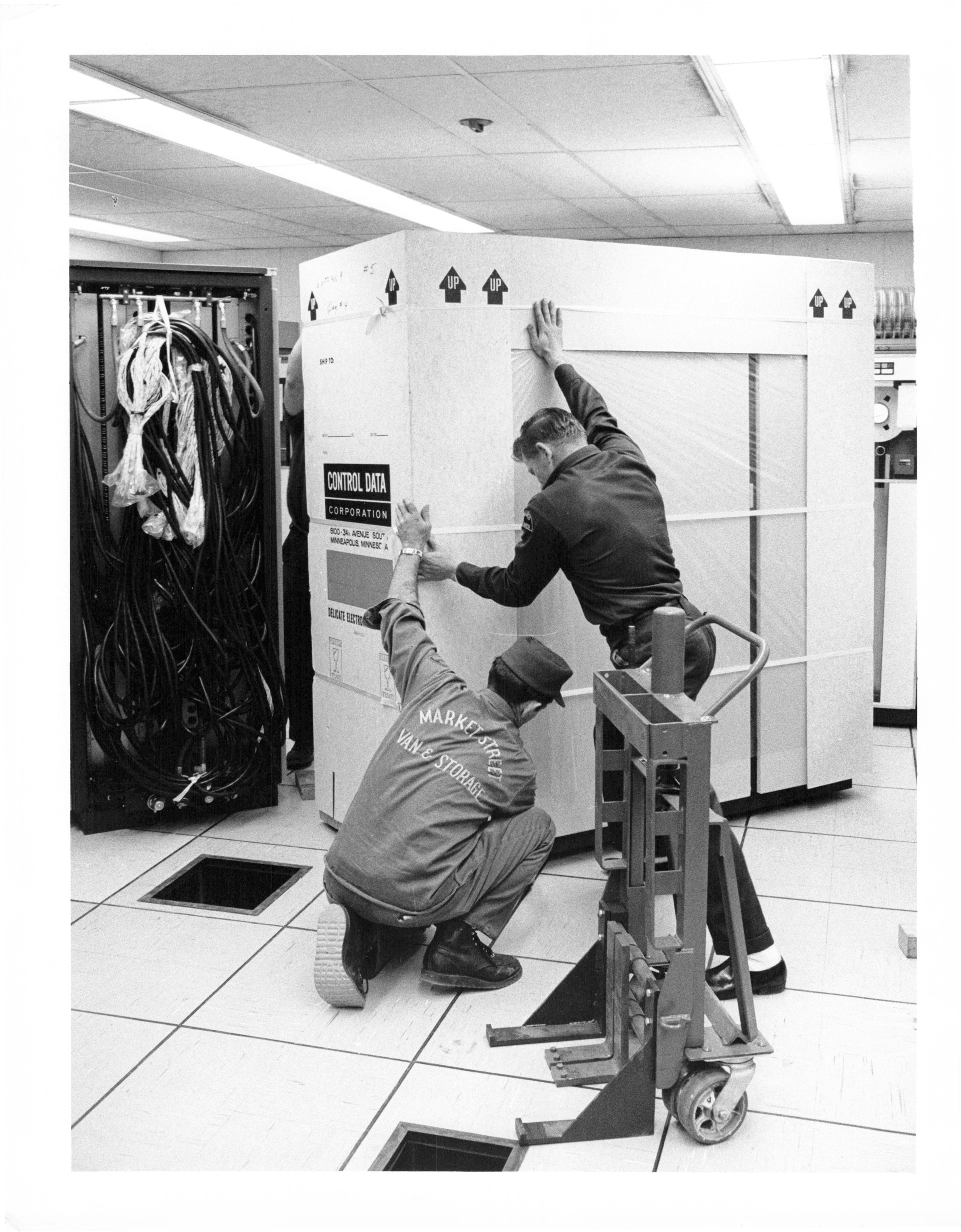
CDC 6600 Delivered
On December 15, Lawrence Research Laboratory Berkeley took delivery of a CDC 6600 computer (serial number 9). The new machine is installed in building 50A and replaces the smaller of two IBM 7094 computers at the lab. The 6600 includes 131,000 words of memory, 10 tape drives, two high-speed printers, a card reader, a card punch, and an operating console.
Source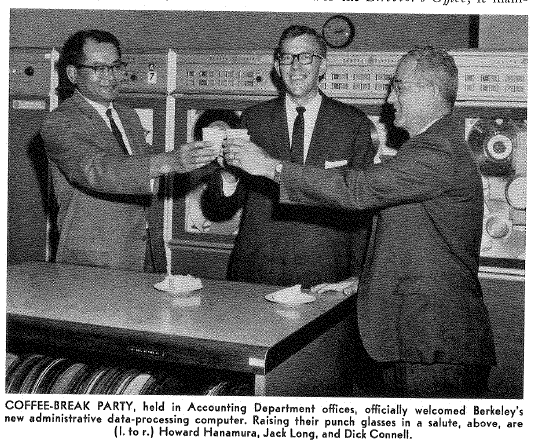
LRL General Electric 415 Computer Begins Full Operation
The December issue of The Magnet features a story headlined “New Bldg. 90 Computer Trims Red Tape.” The new “General Electric 415 computer began full operation in the Accounting Department’s Administrative Data Processing Center in Building 90 last month.”
Source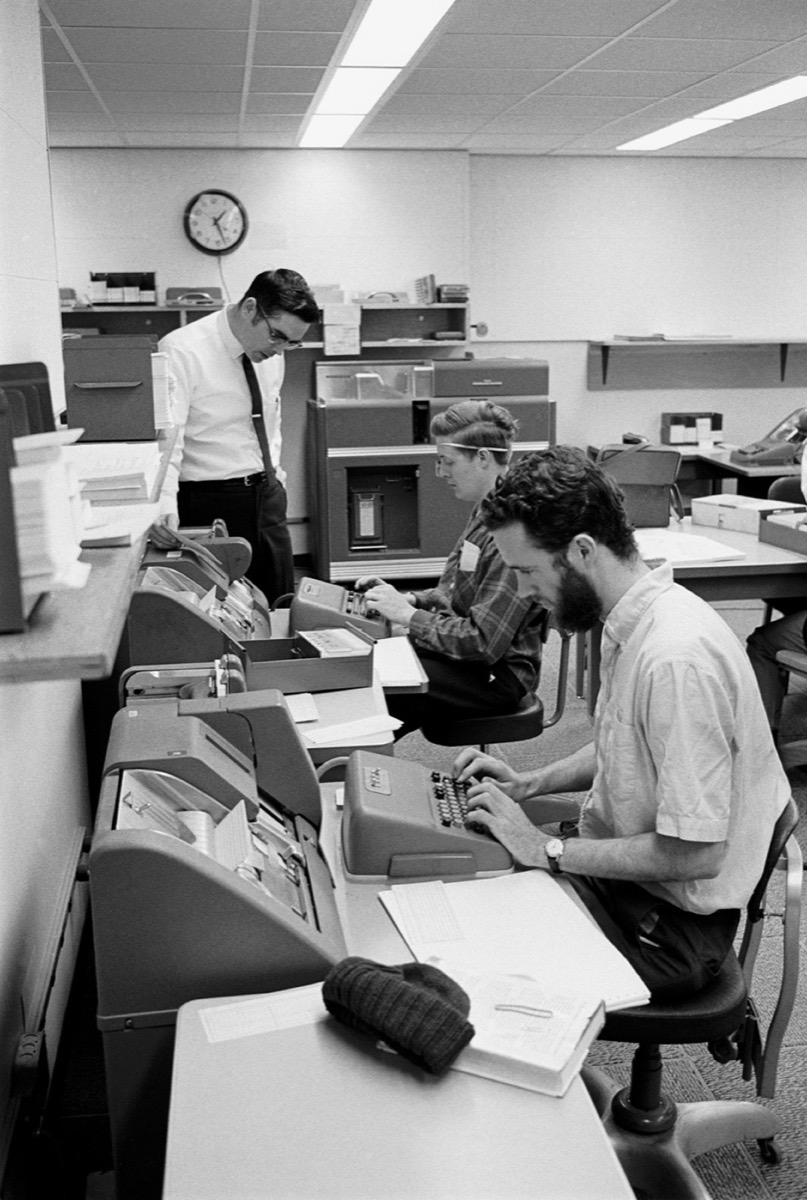
Computer Programmers at LRL
The March issue of The Magnet features a three-page article on “Computer Programmers at LRL” that recommends “Become a computer programmer and be the one who teaches the electronic circuits their jobs in the automated world around the corner.” The story notes that just 10 years ago this job classification didn’t exist. Programmers first appeared on lab employment rolls in 1958, and by the time the article appeared 90 were employed at LRL Berkeley.
Source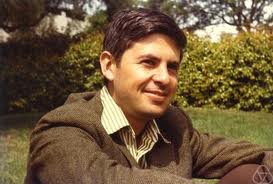
Chorin Introduces the Projection Method
Alexandre Chorin, a student at NYU’s Courant Institute, introduces the projection method as a way of efficiently computing the solutions of incompressible Navier-Stokes equations, which are certain partial differential equations that describe the motion of viscous fluid substances. Chorin later continues this research as a professor at UC Berkeley and scientist at LRL Berkeley. His methods have led to better aircraft and combustion designs, and a better understanding of how blood moves through the heart.
Source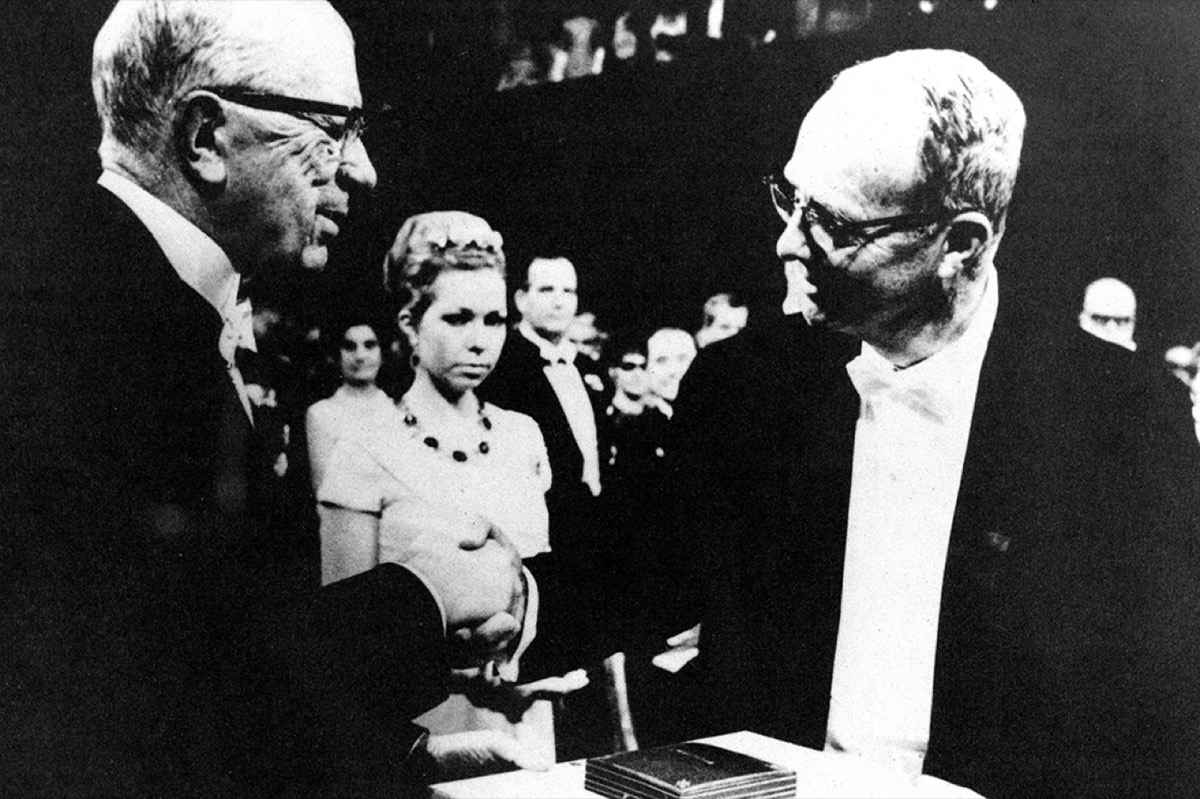
Luis W. Alvarez Awarded the Nobel Prize in Physics
In October 1968, Luis Alvarez was awarded the Nobel Prize in Physics for the development of the hydrogen bubble chamber enabling the discovery of resonance states in particle physics. The award acknowledged contributions of data analysis and the application of computer technology to research in high energy physics.
Source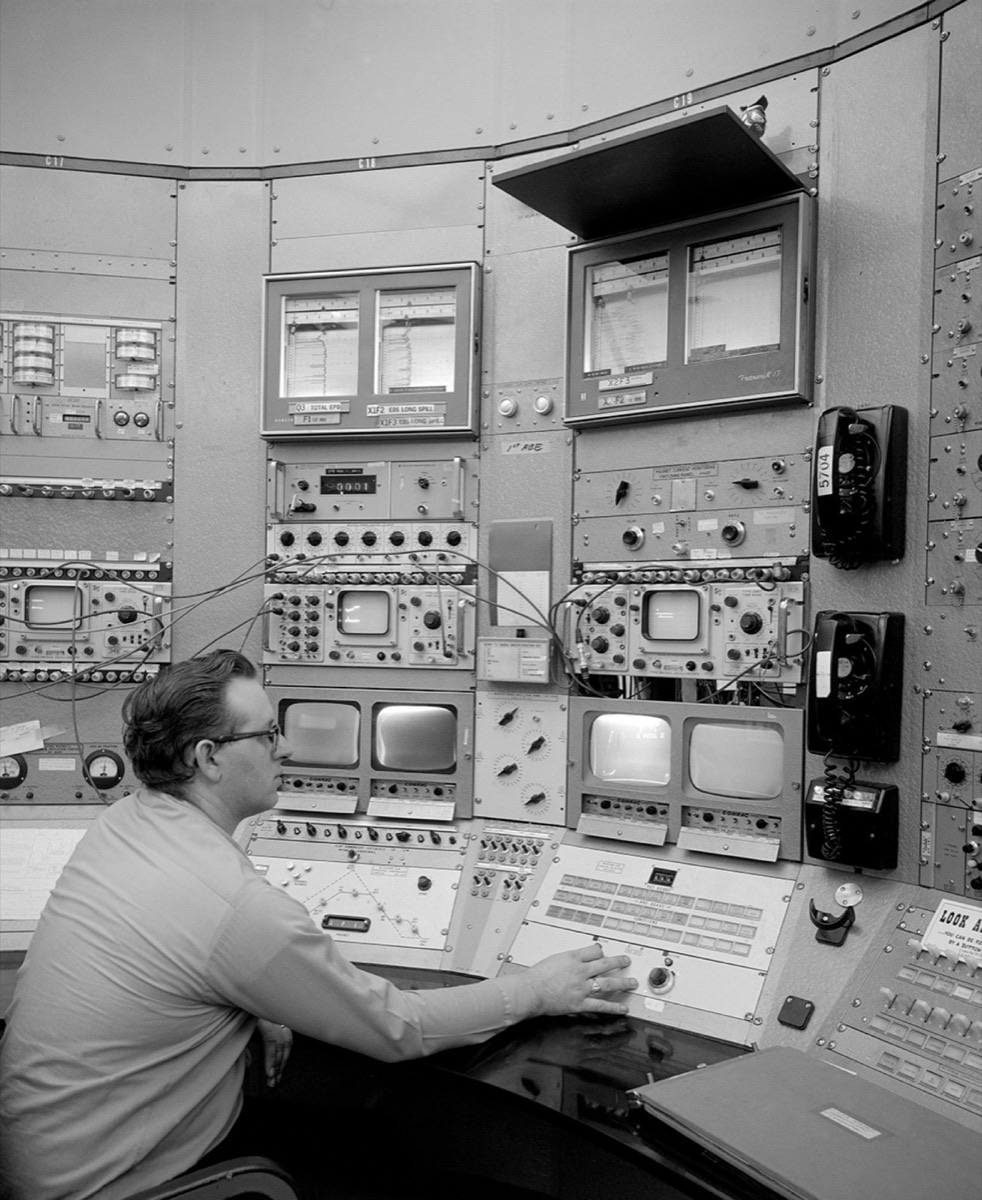
Bevatron Updated with a Computer-based Control System
Since its inception, the Bevatron has been an analog-controlled machine. In 1968, one of the control systems was converted to a small-computer-based digital control system because the External Proton Beam was to be expanded and the analog system couldn’t keep up. A system was designed and built to control up to 6h pulsed magnets on a PDP-6 with a tape transport. When the system was operational, a second PDF-8 was added as a backup computer.
Source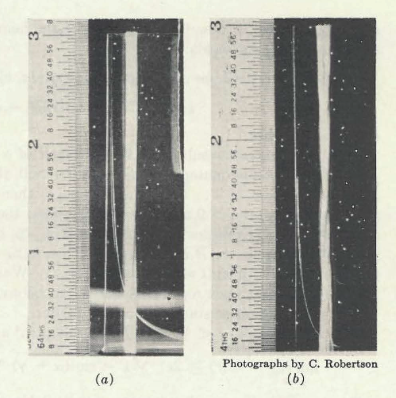
LRL Researchers Analyze the Capillary Phenomena
Paul Concus publishes “On the Behavior of a Capillary Surface in a Wedge.” The capillary effect is the process of a liquid flowing in a narrow space without the assistance of any external forces. The effect can be seen in the drawing up of liquids in a thin tube, in porous materials like paper, and a biological cell. It occurs because of intermolecular forces between the liquid and surrounding solid surfaces.
Source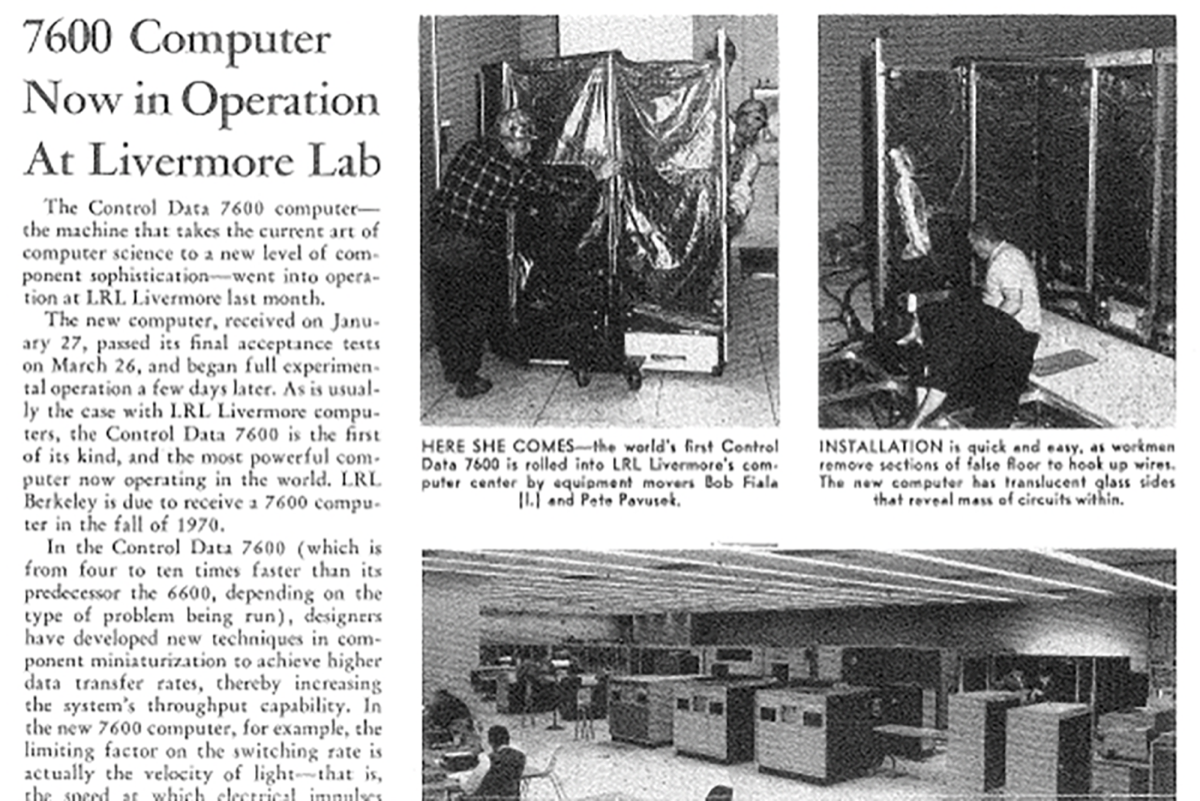
LRL Receives First CDC 7600 - World’s Most Powerful Computer!
On January 27, Lawrence Research Lab (LRL), Livermore received the first-ever CDC 7600 computer, the world’s most powerful computer at the time. LRL Berkeley was scheduled to receive its 7600 in the fall of 1970.
Source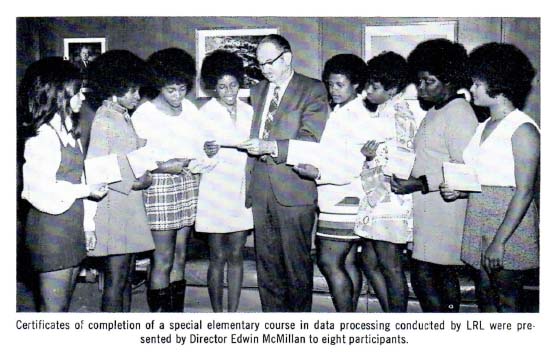
Creating a Pipeline for Women in Data Science
The October-November issue of The Magnet features a photo and article about eight young Berkeley women completing a basic course in data processing as part of the lab’s Affirmative Action Program. Of the eight trainees, either high school students or recent graduates, four found jobs in the field, including Clare Wilson who was hired as a computing assistant at the laboratory. The other four went on to continue their education.
Source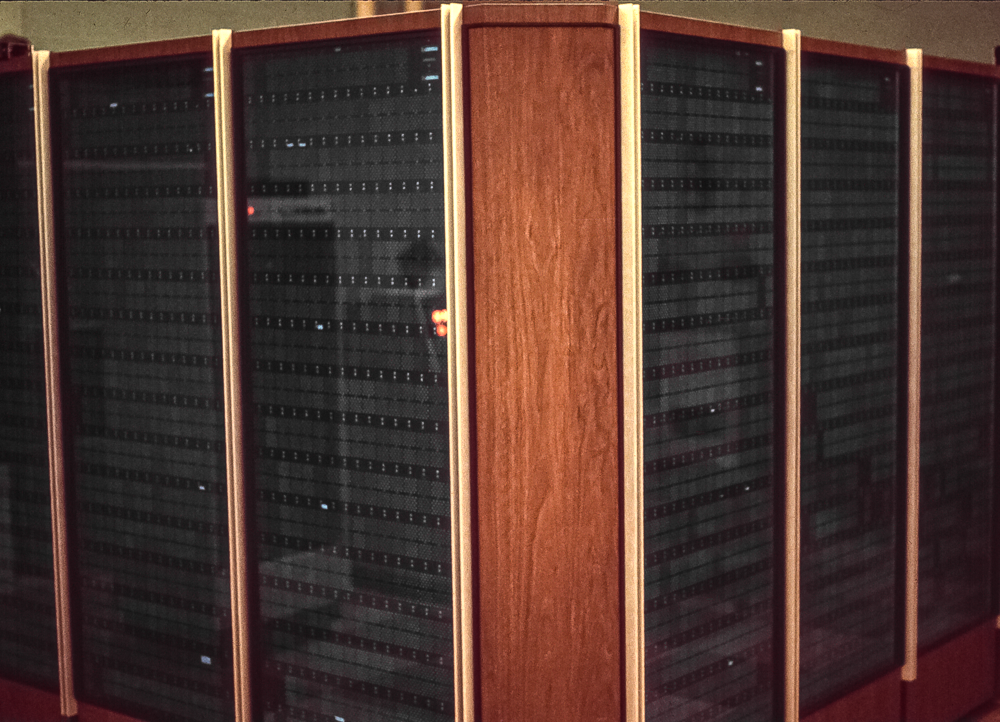
LRL Berkeley Signs MOU for CDC 7600
As part of the CDC 7600 contract, LRL Berkeley signed a memorandum of agreement with Control Data Corp. Once fully installed, the system would have 65,536 words (60 bits) of small core memory and 512,000 words of large core memory. The system used hydraulic read/write actuators, and a large pan of kitty litter was placed under the system to soak up oil leaks. Bryant Computer Products would provide hard disk storage.
LRL Labs Separate from UC Berkeley
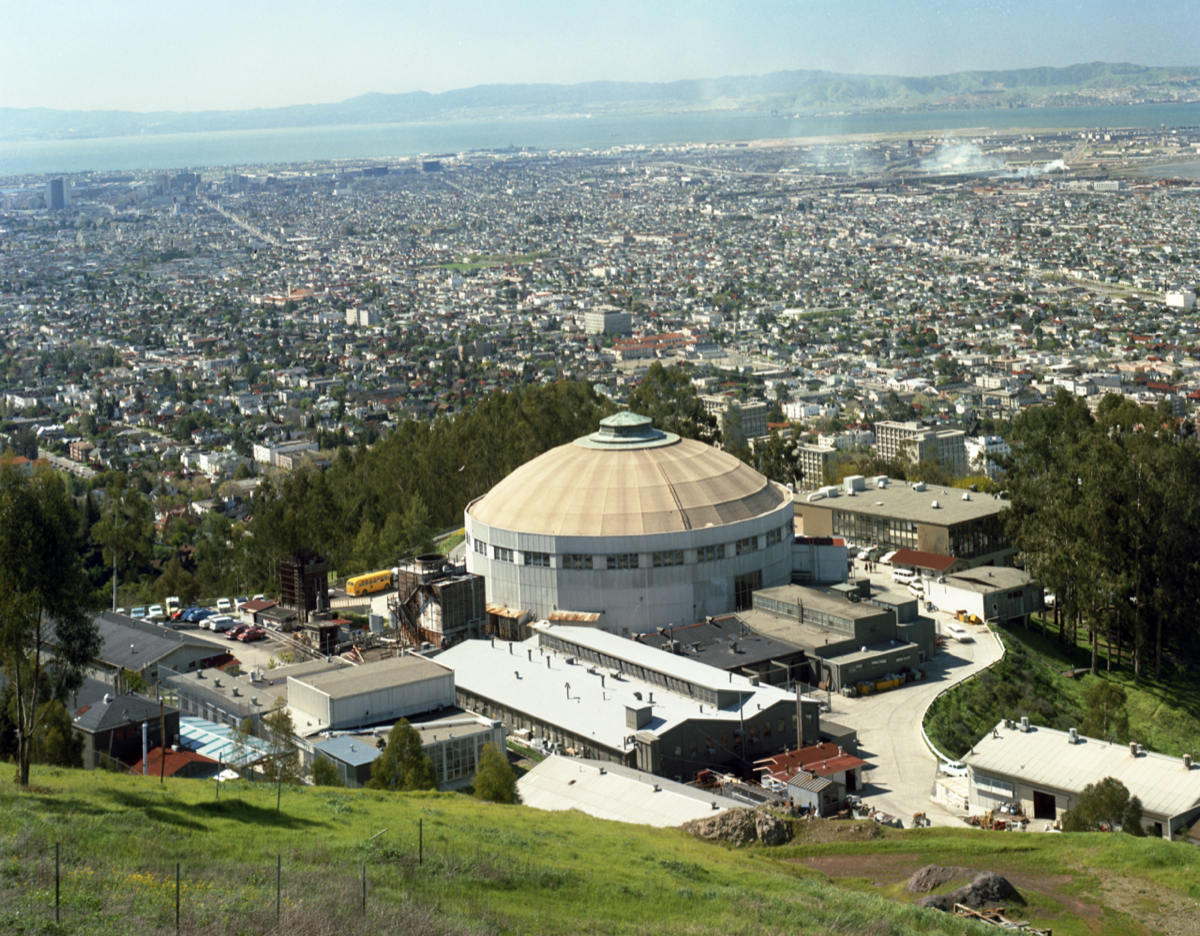
Established in 1952, Lawrence Radiation Lab (LRL) Livermore was created as a branch of LRL Berkeley to compete with the nuclear weapon design laboratory in Los Alamos, New Mexico. LRL Livermore did most of the applied science work, including weapons development, allowing LRL Berkeley to focus on basic science research. When the Labs separated administratively from the UC Berkeley campus in 1971, classified research at the Berkeley Lab significantly diminished and ultimately ceased.
A Computerized Diagnostic System
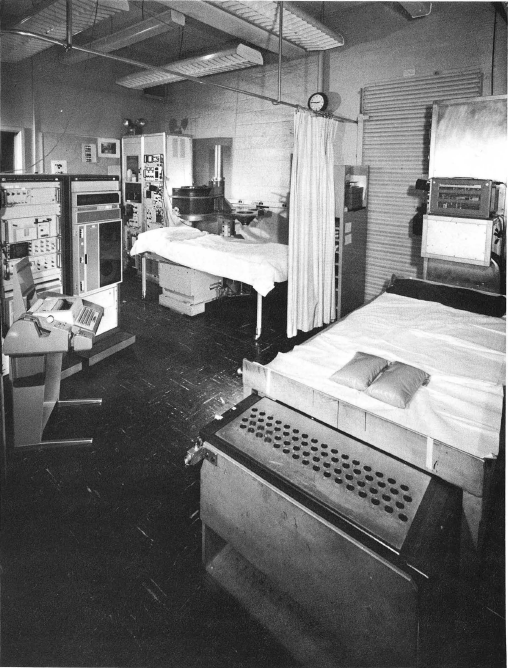
Research physician Thomas Budinger describes a new computerized diagnostic system at the annual meeting of the Society of Nuclear Medicine. Developed over three years by scientists at the lab’s Donner Laboratory, Hewlett-Packard, and LBL Computation, the system can track blood flow through the heart and brain, myocardial infarctions, cystic fibrosis and blood clots in lungs, congenital heart defects in children, problems with kidney, liver and thyroid functions and changes in the size of bone tumors.
Source
The Case for a National Scientific Data Center at LBL
Bob Harvey wrote a white paper “For the Speedy Establishment of a National Scientific Data Center at LBL.” Noting that the CDC 7600 transformed the lab computing center from one used exclusively by LBL researchers to one with 70 percent of its users from outside the laboratory, Harvey called for a formal agreement between the Atomic Energy Commission and the General Services Administration establishing LBL as a National Scientific Data Center to procure future systems.
Source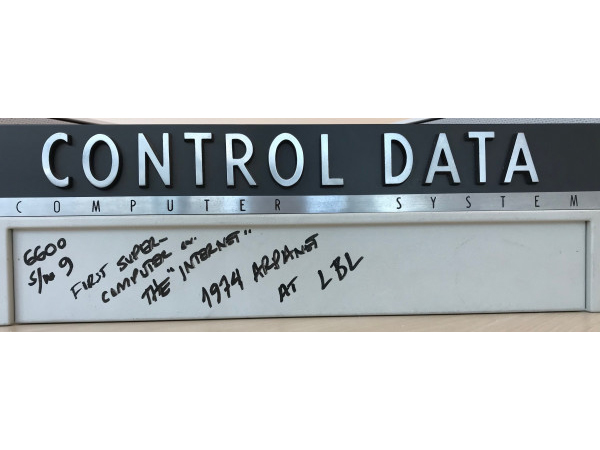
First Supercomputer Connected to ARPANET
LBL’s CDC 6600, installed in 1965, became the first supercomputer connected to ARPANET, an early network that provided the technical foundation for the Internet. Connecting a high performance computing system to the network helped pave the way for today’s ubiquitous networked computing.
AEC and GSA Agree on a Federal Scientific Data Processing Center at LBL
An interagency agreement is drafted between the Atomic Energy Commission (AEC) and the General Services Administration “for the operation of a federal scientific data processing center.” Dated May 6, 1974, the draft document states the center “will operate on a ‘fee for service’ basis, with reimbursable rates to cover all expenses, such as hardware, software, supplies and personnel.”
SourceFederal Scientific Data Processing Center Proposed
A draft proposal dated May 7, 1974, lays out the benefits to the Atomic Energy Commission of establishing a federal scientific data processing center at LBL, including the energy savings of providing centralized computing resources. A draft operating plan is also prepared.
SourceBusiness & Scientific Computing: A peaceful coexistence
On October 18, 1974, Bob Harvey presented an idea for LBL to use the same hardware to meet both business and scientific computing. He noted that some potential conflicts could involve peak loads, security and data integrity, operating systems, and hardware needs; and the key to avoiding such conflicts is getting people together to develop the ground rules and agree to stick to them.
SourceCoping with Administrative Problems in Resource Sharing
Bob Harvey presented a history of LBL’s Mathematics and Computing Department, how it “got into the resource sharing business,” and some of the administrative problems. One problem was that external users had no say in the difficulties in using systems from remote sites. So, LBL invited one user to join the Computer Advisory Committee (along with two non-voting observers), encouraged outside users to form a users group and formed an internal Users Services Group.
SourceOn Large Scientific Computing Centers
Bob Harvey writes a 12-page white paper “On Large Scientific Computing Centers.” In his marked-up draft, he writes: “On the other hand, scientific research is so heavily dependent on computers nowadays that the subject is often discussed at a meeting made up mainly of research staff from one or more of the laboratories. As a matter of fact, the large research laboratories have played an important role in the development of present-day computer technology.”
Source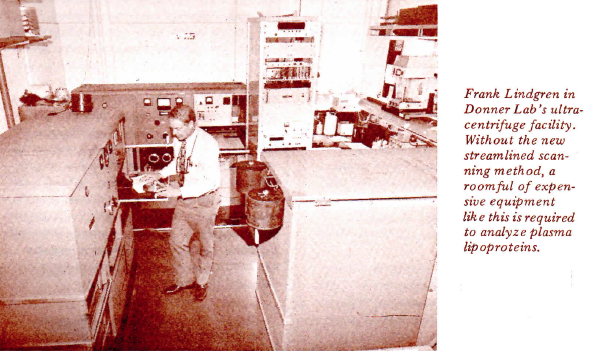
A Screening System to Reduce Death From Strokes and Heart Attacks
In the April issue of The Magnet, LBL biophysicist Frank Lingren demonstrates a computerized lipoprotein screening system “to accurately and automatically analyze minute plasma lipoprotein concentrations and perform the necessary computations.” Much faster than the current hand analysis, the researchers processed samples from 30 patients in 20 minutes. Developed by researchers at LBL’s Donner Lab, the system is aimed at reducing the death rate from heart attacks and strokes.
Source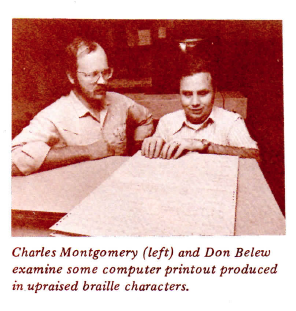
Making Computers More Accessible to the Visually Handicapped
“Staff members in the lab’s Math and Computing Department are working on ways to make computers more accessible to the visually handicapped,” according to an article in the May-June issue of The Magnet. The project began with staff adapting equipment for use by Donald Belew, a blind programmer who joined LBL from Los Alamos Scientific Laboratory. Belew was a member of the consulting staff at the lab’s computing center.
SourceAutomatic Data Program Saves U.S. Government $25 Million
LBL received the First Annual ADP Sharing Award from the Region Nine General Services Administration for saving the U.S. government more than $25 million over four years. “How? By providing computer services to more than 400 federal agencies throughout the country, as part of the government-wide automatic data processing (ADP) resources sharing program,” according to an article in the May-June issue of The Magnet.
Source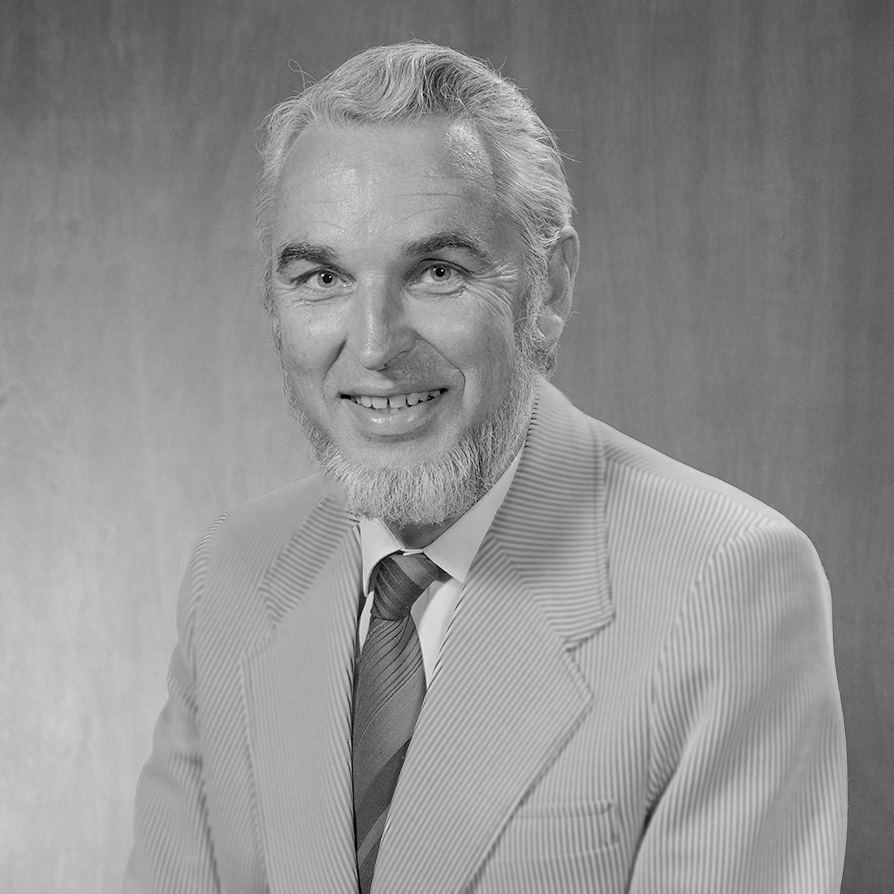
Computer Science and Mathematics Becomes its Own Group
Robert Birge, associate director for Physics, Computer Science and Mathematics Division in a Jan. 23, 1976 memo: “To allow the Computer Science Program to have the necessary identity and representation, I am setting up this established discipline as a separate research group with Carl Quong as its head. This group, which will include Computer Science Research and Applications, Real Time Systems and Mathematics Research, will provide a stronger base to support the laboratory’s research programs.”
Source
Howard White Assumes Responsibility for System Performance Measurement and Analysis
The LBL Computer Center appoints Howard White to assume responsibility for more formal system performance measurement and analysis efforts. The move is prompted by both new federal legislation and a changing emphasis from batch computing to database management and interactive computing.
Source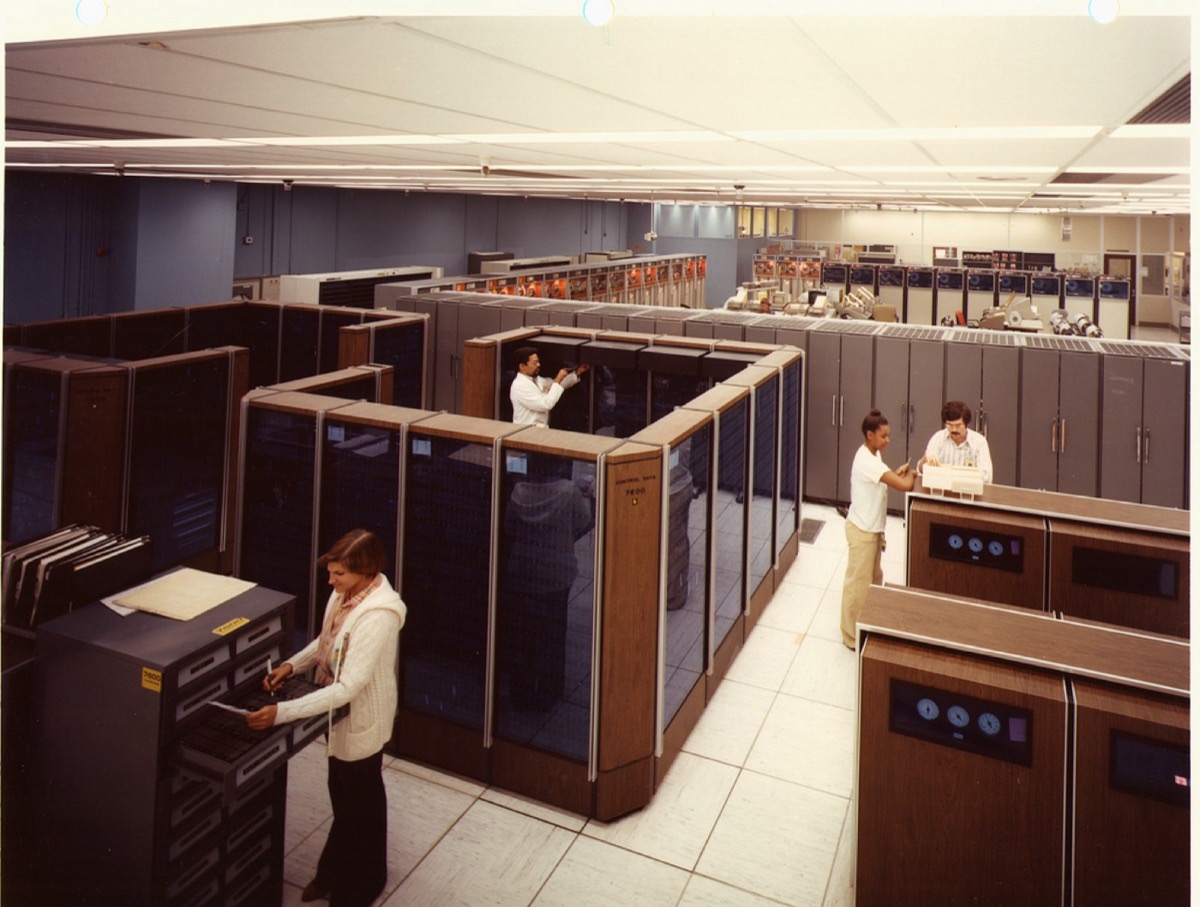
LBL Supplements the Controlled Thermonuclear Research Computer Workload
As more research sites gain remote access to the Controlled Thermonuclear Research Computer Center (now NERSC) at LLNL, the center’s CDC 7600 is at full capacity. Additional time is purchased on a CDC 7600 at LBL (jobs are driven by car to Berkeley in the evening, run overnight, and then returned to Livermore in the morning). Before the jobs ran, all LBL software, including the operating system, was removed as LLNL only wanted bare-metal hardware.
Source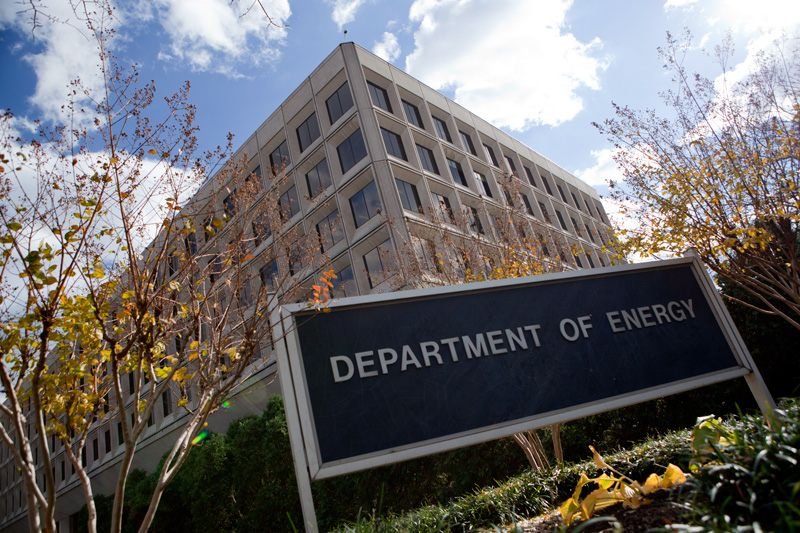
LBL Becomes a Department of Energy Laboratory
On October 1, 1977, the Department of Energy Organization Act created the 12th cabinet-level and brought most Federal energy activities under one umbrella. DOE undertook responsibility for long-term, high-risk research and development of energy technology, Federal power marketing, energy conservation, the nuclear weapons program, energy regulatory programs, and a central energy data collection and analysis program.
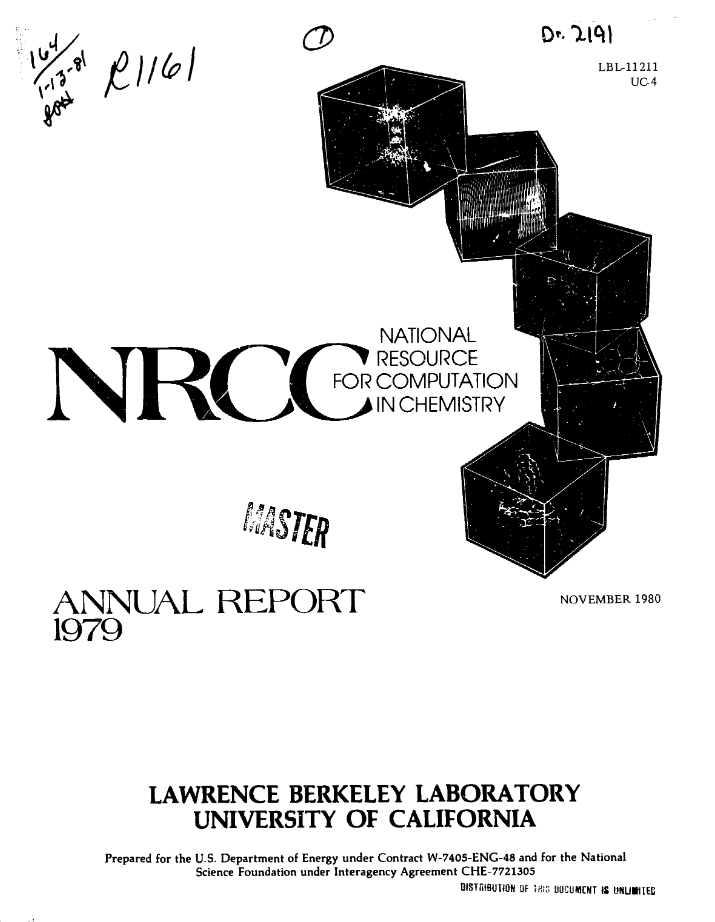
National Resource for Computational Chemistry Launches
The National Resource for Computational Chemistry (NRCC), a joint DOE/NSF endeavor, was established at LBL in October 1977. NRCC was a place where computational chemists could do things that weren’t possible in their own labs, like solving problems requiring the use of a supercomputer, and developing and standardizing new software for community-wide use. Some of NRCC’s greatest achievements included hosting workshops to solve well-defined problems in computational chemistry, like creating portable computer programs.
Source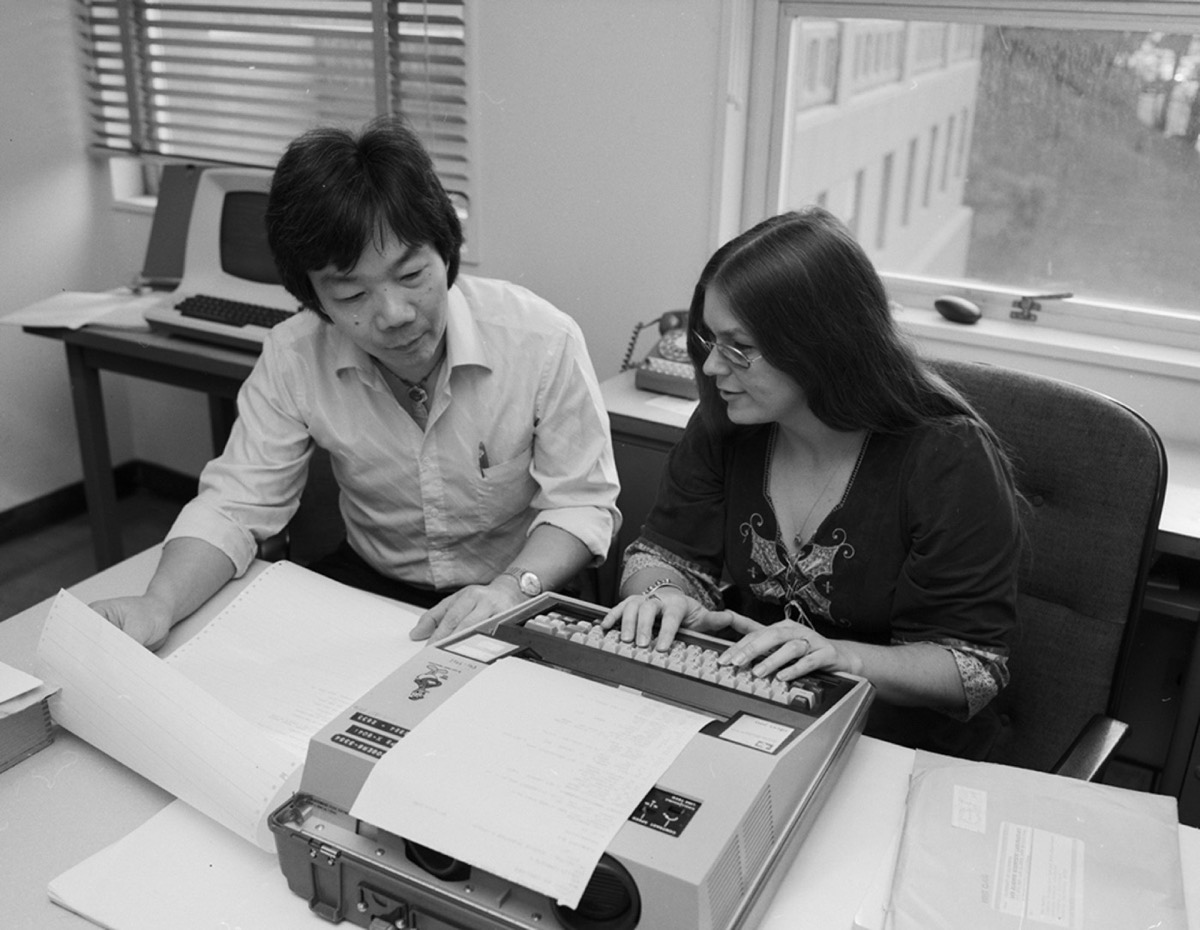
Lab Staff Respond to Electronic Mail via ARPANET
Teleconferencing and telecommunications via the ARPANET are used extensively in collaborative research with DOE laboratory and university contractors in research planning and review management. In this picture, Carle Quong, CSAM Department Head, and Lesta Nadel, Administrator, respond to messages via electronic mail on the network.
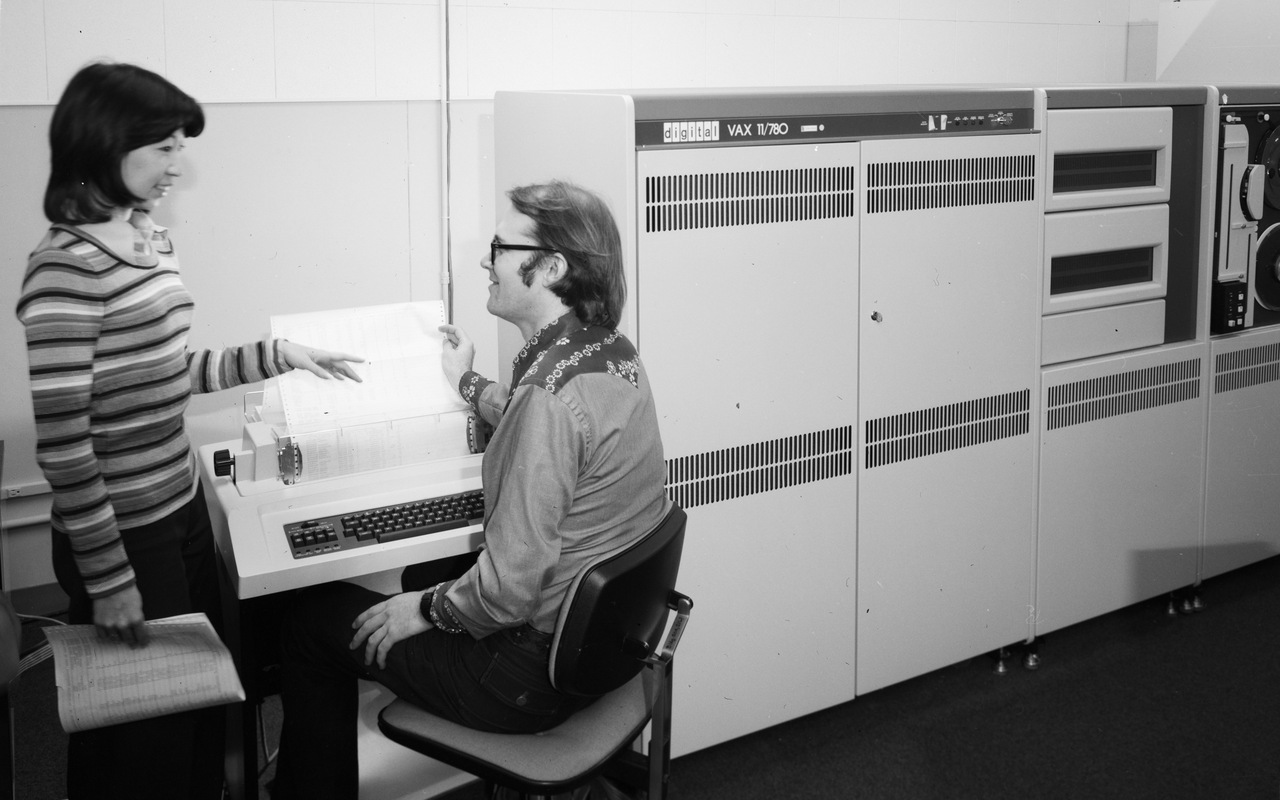
LBL Receives its First VAX Computers
LBL received its first VAX computers, made by Digital Equipment Corp. and introduced in 1977. The systems were part of a Department of Labor-funded project known as SEEDIS, for the Socio-Economic-Environmental Information System. SEEDIS was started to develop a demographic information system that continued for a number of years, evolving into a more general information system.
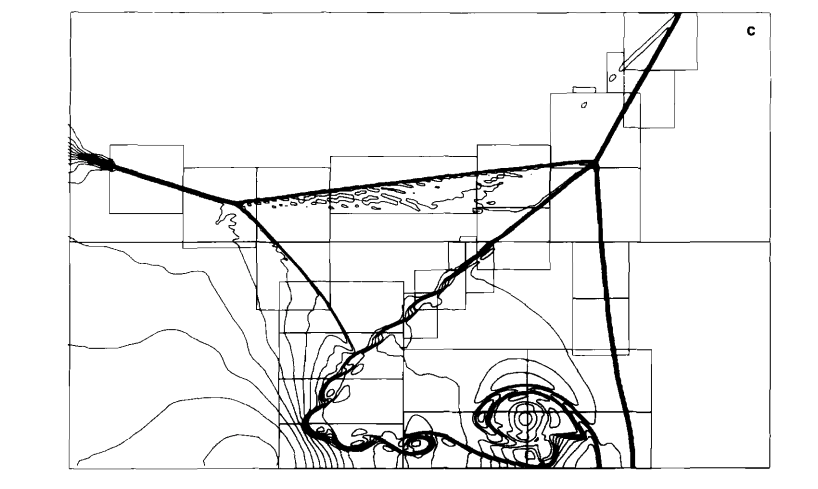
A Numerical Microscope for Science
When a computer models a scientific problem, it breaks the model into a mesh of uniformly sized cells. But these uniform grids couldn’t accurately capture situations where small-scale features appear in multiple dimensions. So, NYU and LBL researchers developed adaptive mesh refinement (AMR) algorithms to create cells of different sizes and apply the smallest ones to the most interesting parts of the problem, allowing scientists to study those aspects in greater detail — like a numerical microscope.
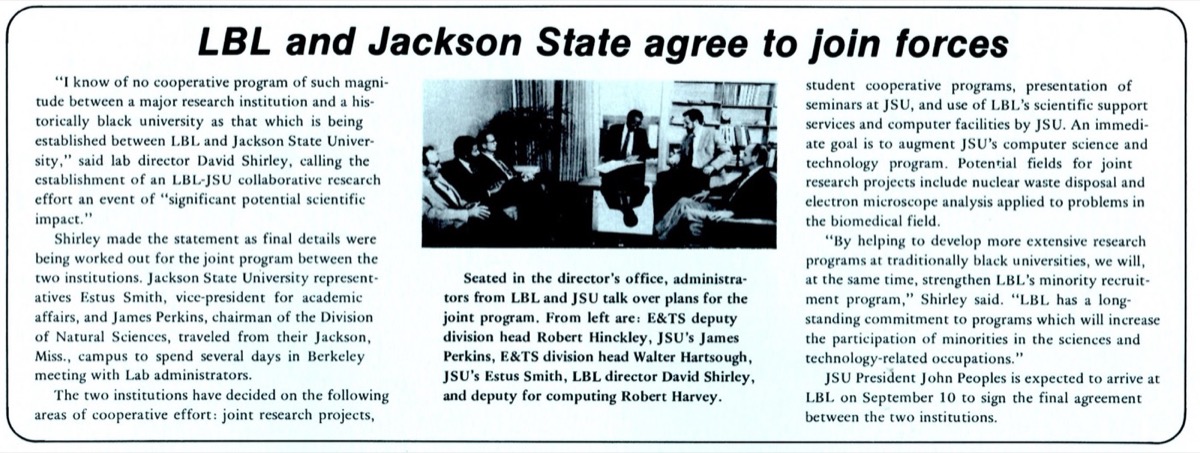
A Collaboration with HBCU Jackson State University
LBL and Jackson State University, one of the nation's Historically Black Colleges and Universities (HBCUs), establish a collaborative research program to introduce students to research at the lab, including the use of computer facilities.
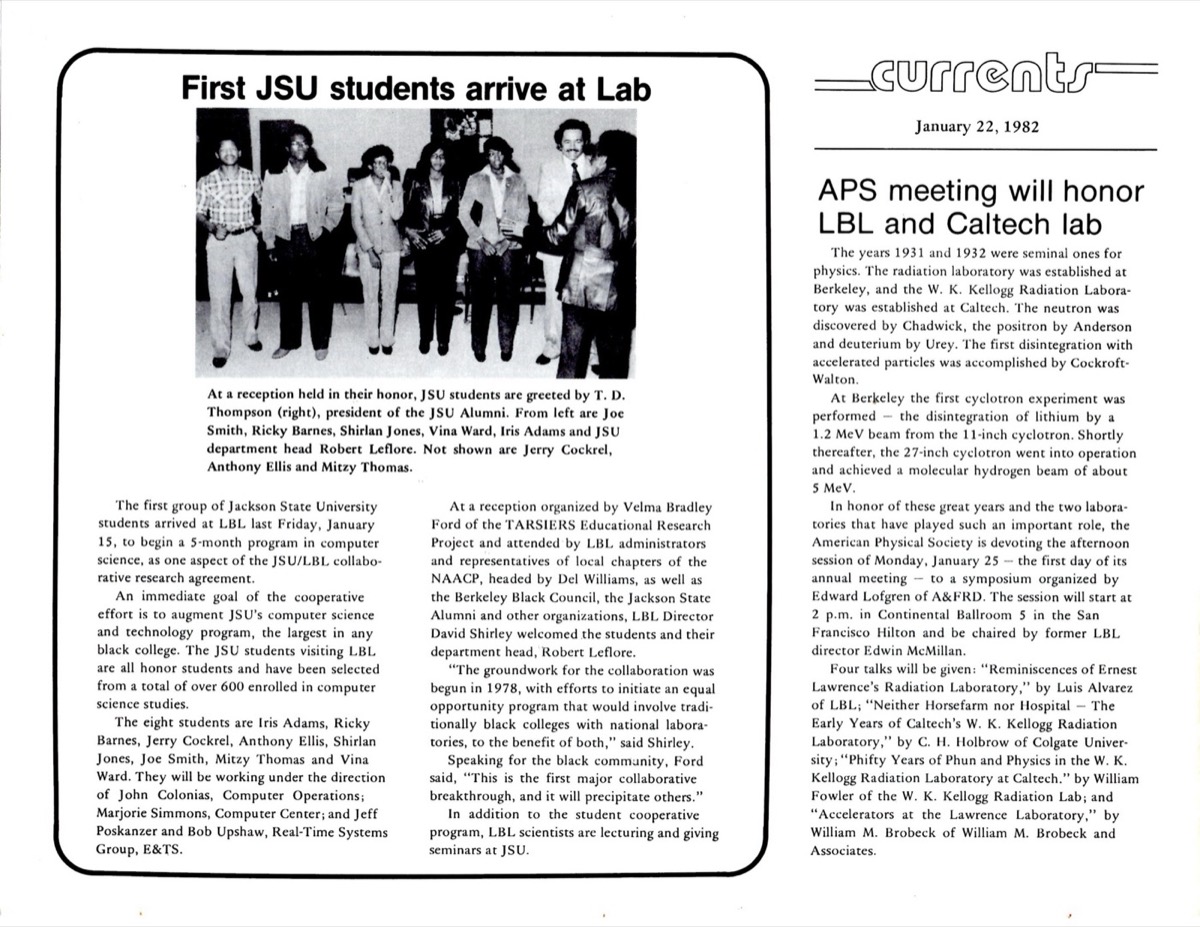
Eight students from Jackson State University Arrive at LBL
The first group of eight students arrive in January 1982 from Jackson State University. Selected from the more than 600 students enrolled in computer science studies at the university, they work with the lab’s Computer Center and the Computer Operations and Real-Time Systems groups.
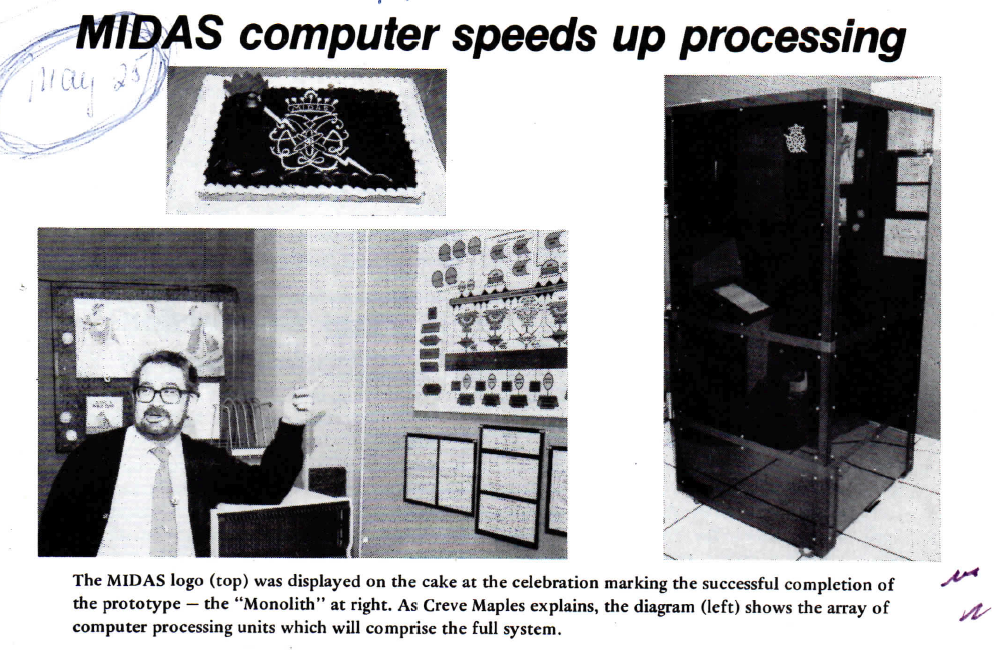
MIDAS Computer Arrives
MIDAS (Modular Interactive Data Analysis System) arrives at LBL. The computer is a prototype to demonstrate the feasibility of parallel processing “to achieve a highly interactive, high-speed, graphics-oriented computing system,” according to an article in the Jan. 22, 1982 issue of the lab’s Currents newsletter. The machine is not intended to be a general-purpose computer and was built by the Nuclear Science Division with support from the Department of Instrument Science and Engineering.
Source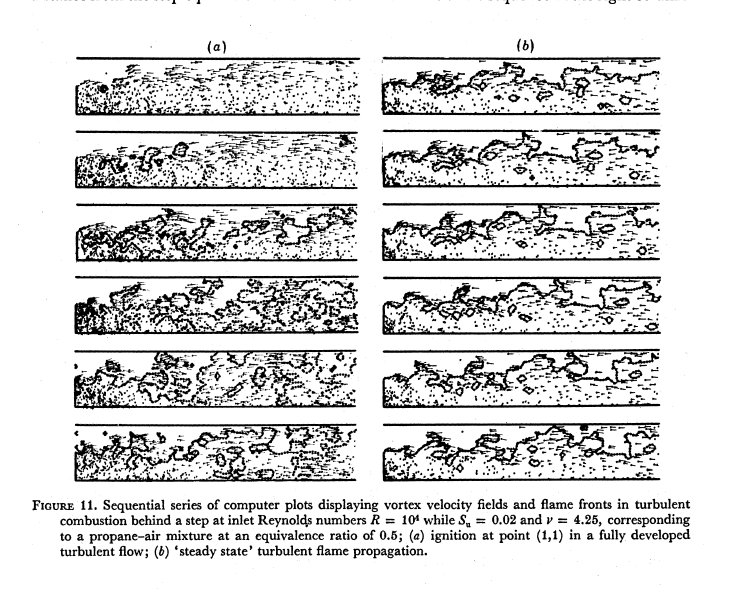
A Numerical Technique for Analyzing Turbulent Flow in Combustion
Alexandre Chorin introduces a numerical technique for analyzing turbulent flow associated with combustion. The method is applied to flow in a combustion tunnel where the flame is stabilized by a back-facing step. Solutions for both non-reacting and reacting flow fields were obtained, which satisfactorily described the essential features of turbulent combustion in a lean propane-air mixture observed in the laboratory using high-speed Schlieren photography.
Source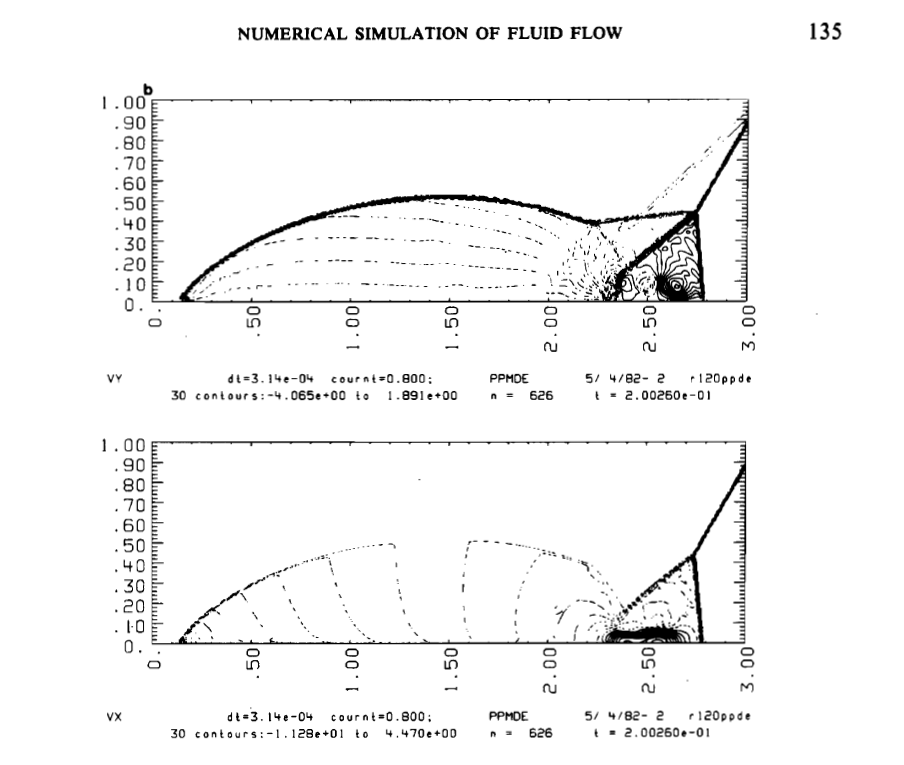
A Method for Simulating Shocks and Smooth Flows
Second-order extensions of Godunov’s method were developed at LBL and Lawrence Livermore Lab. These methods obtained high-resolution simulations in one or more spatial dimensions of complex combinations of shocks and smooth flows.
Source
Numerical Solution of the Buckley-Leverett Equations
LBL's Alexandre Chorin, Paul Concus, and James Sethian introduced a new method to solve the Buckley-Leverett equation—used in fluid dynamics to model two-phase flow in porous media—while simultaneously enforcing Darcy's law and incompressibility. They achieved this by modifying the one-dimensional random choice method in a split scheme to accurately represent multi-dimensional flow. Today, the LBL method is used in petroleum reservoir simulations to analyze the displacement of one fluid by another during secondary oil extraction.
Source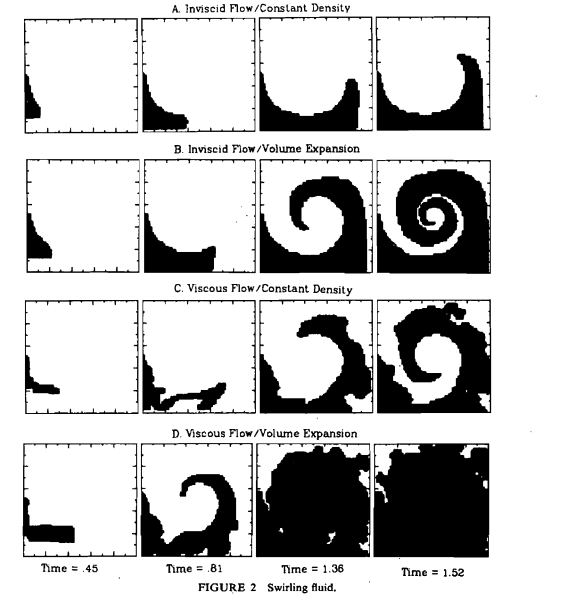
Low Mach Number Combustion Models and Algorithms
James Sethian and Andrew Majda develop low-Mach number combustion models. These were among the first "scale-separation" combustion models that removed acoustic waves, avoided solving the full compressible flow equations, and allowed for significant heat release, substantial temperature and density variations, as well as substantial interaction with the hydrodynamic flow field, including the effects of turbulence. The model and algorithms substantially influenced some of the work in LBL's Center for Computational Sciences and Engineering Group.
Source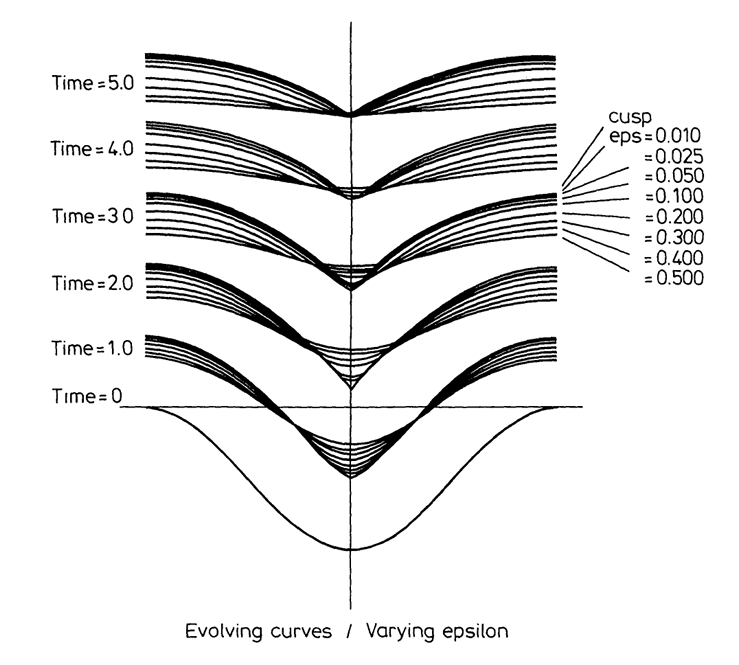
Models to Link Curvature, Viscosity, and Front Propagation
James Sethian, then a National Science Foundation postdoctoral fellow at the Courant Institute of Mathematics at New York University, lays out links between curvature and viscosity in front propagation to hyperbolic conservation laws, which form a crucial step in the development of level set methods. Later that year, Sethian returned to UC Berkeley as an assistant professor and Berkeley Lab as a researcher in the Mathematics Group where he continued to build on this work.
Source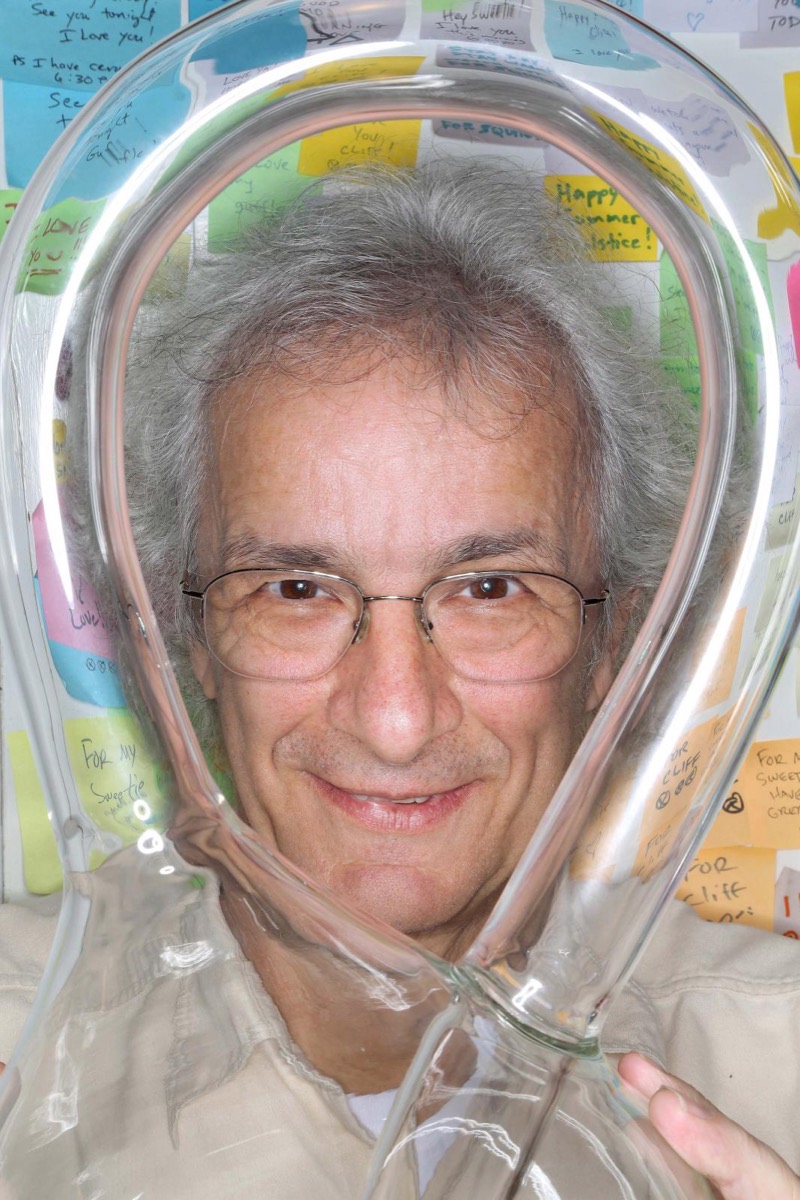
The Cuckoo’s Egg: Tracking a Spy Through the Maze of Computer Espionage
Clifford Stoll was resolving an accounting error of 75¢ in the LBL computer usage accounts and traced it to an unauthorized user who didn’t pay for nine seconds of computer time. The hacker acquired superuser access by exploiting a vulnerability in the original GNU Emacs’ movemail function. Stoll described the incident — one of the first documented cases of a computer break-in — in his 1989 memoir The Cuckoo's Egg: Tracking a Spy Through the Maze of Computer Espionage.
Source
Algorithms to Keep the Internet From Collapsing
In 1986, the Internet had about 10,000 users and was facing imminent collapse due to network congestion caused by a design glitch in the TCP (transmission control protocol). Faced with a congested network, the old TCP repeatedly hammered at the network to get data through, making the network more congested. LBL’s Van Jacobson solved the problem by redesigning TCP to introduce a slight and variable delay before a packet was retransmitted into a congested network.
Source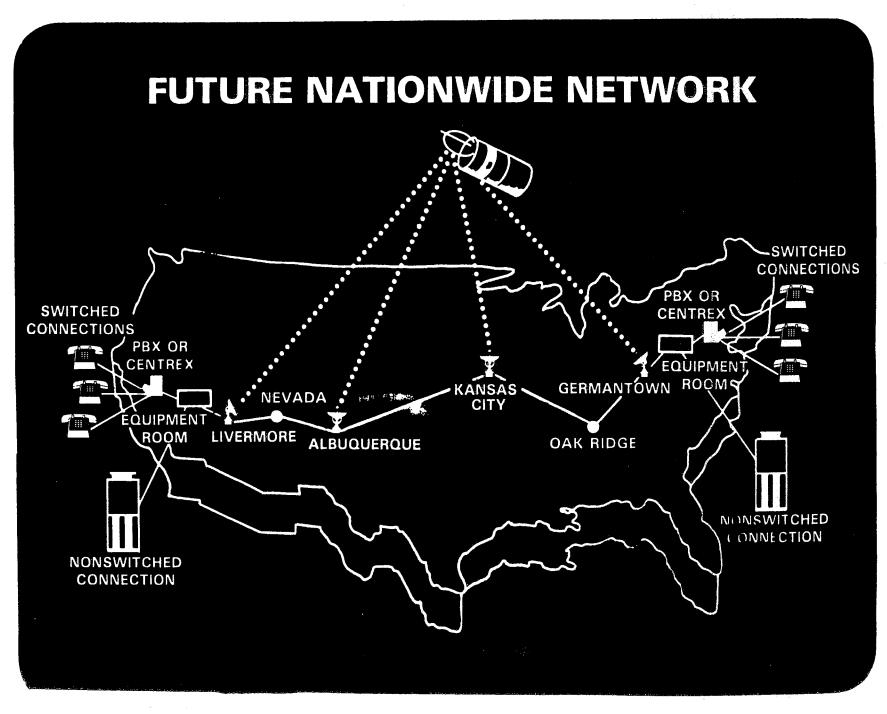
Workshop Explores Future of Intersite Networking
A two-day workshop at Lawrence Berkeley Laboratory focused on “The Future of Intersite Networking,” including the role of commercial networks and consolidating existing networks. The goal of this meeting was to identify future networking needs of Office of Science researchers and develop strategies to meet those needs.
Source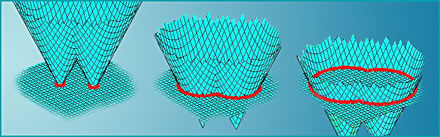
James Sethian Develops the Level-Set Method for Tracking Moving Interfaces
LBL’s James Sethian and UCLA’s Stanley Osher develop the level-set method, numerical algorithms for tracking moving interfaces in complex situations. It’s used in semiconductor processing, medical imaging, and more. The method tracks a moving interface by working with a fixed grid and solving a partial differential equation for the change in distance in the interface from each point on the grid, which allows for easy tracking of directional changes and can be extended into 3D.
Source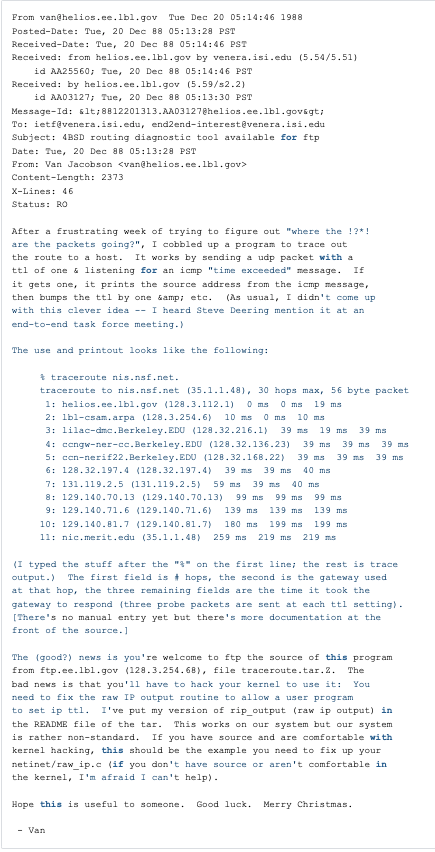
Van Jacobson Develops Traceroute
“After a frustrating week of trying to figure out ‘where the !?*! are the packets going?’” Van Jacobson developed Traceroute to track the pathway of a packet on an Internet Protocol (IP) network from source to destination, reporting the IP addresses of all the routers it pinged in between. This network diagnostic tool also records the time taken for each hop the packet makes during its route. Today, Traceroute is widely used in industry and research.
Source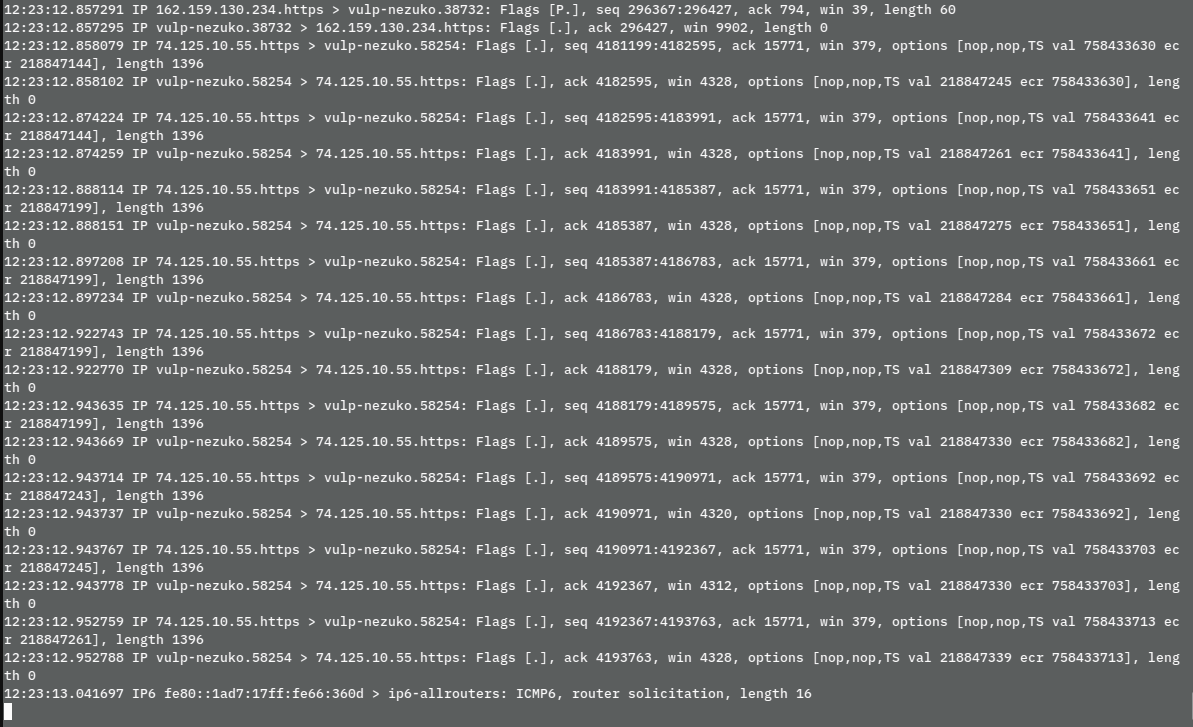
Berkeley Network Research Group Creates Tcpdump
Van Jacobson, Sally Floyd, Vern Paxson, and Steven McCanne of Berkeley Lab’s Network Research Group developed Tcpdump, the most popular open source tool for analyzing packets. Tcpdump runs under a command line interface, allowing the user to display TCP/IP and other packets transmitted or received over a network to which the computer is attached, useful for diagnosing tricky network problems. They also developed libpcap, a portable C/C++ library for network traffic capture.
Source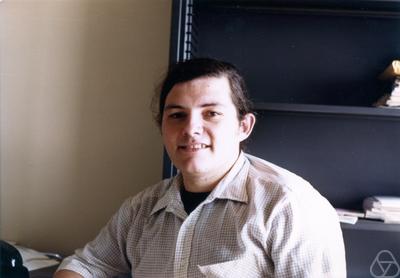
Simulating the Shape of a Shockwave Bouncing Off a Hard Surface
Marsha Berger of New York University and Phil Collela of Lawrence Livermore National Laboratory, and later Lawrence Berkeley National Laboratory, publish "Local adaptive mesh refinement for shock hydrodynamics” in the Journal of Computational Physics. The paper describes applying adaptive mesh refinement (AMR) to the shape of a shockwave bouncing off a hard surface.
Source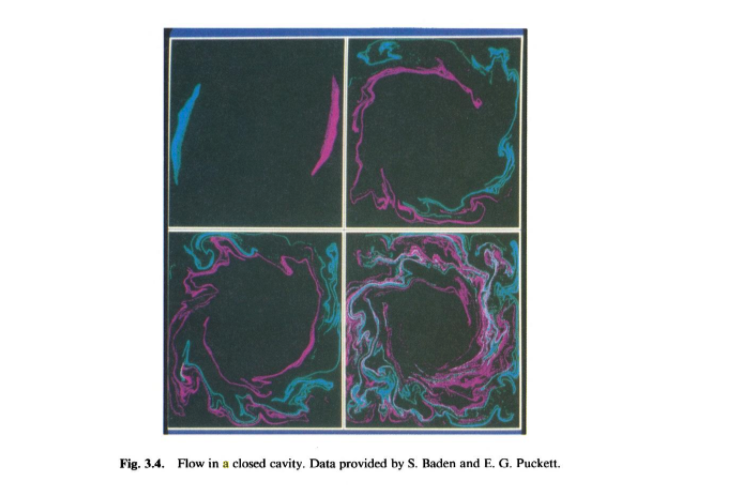
A Real-time Fluid Flow Visualization in Parallel
Berkeley Lab's James Sethian and Thinking Machines Corporation’s Jim Salem introduce a real-time fluid flow visualization. They achieved this milestone by exploiting one of the world's first massively parallel 65,536 processor machines. They attached a processor to each particle of simulated fluid dye, allowing the researcher to interactively probe a complex fluid simulation as it unfolds, and images are updated at over nine frames a second.
Source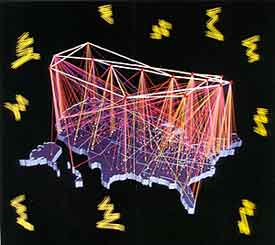
LBL Researchers Show the Potential of a National Information Superhighway
LBL’s Bill Johnston goes to Washington, D.C., for a U.S. Senate hearing on Senator Al Gore’s proposed High Performance Computing Act. Its purpose: to explore the potential of a national information superhighway. At the hearing, Johnston and his colleagues demonstrated how distributed equipment such as a magnetic resonance imaging unit, supercomputers, data-storage devices, and computer workstations could be temporarily bridged together, linking individuals and resources in ways never before possible.
Source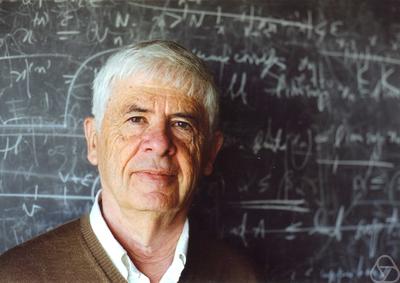
National Academy of Sciences Recognizes Alexandre Chorin
LBNL’s Alexandre Chroin was honored with the National Academy of Sciences Award (NAS) in Applied Mathematics and Numerical Analysis for his numerous and deep investigations of scientific problems by means of computation and, in particular, for his development of the vorticity method for solving a wide variety of problems in fluid dynamics. He was officially inducted into the National Academy of Sciences in 1991.
Source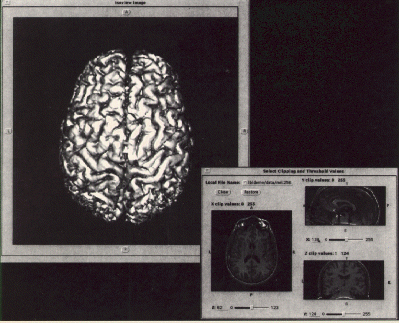
First Distributed Application Run Over High-Speed Internet
As a case study in distributed computing, LBL researchers visualize a human brain in high resolution at SC91 in Albuquerque using supercomputers located nearly 1,700 miles away at the Pittsburgh Supercomputing Center (PSC). The data travels thousands of miles via NSF’s high-speed (45Mbps) Internet backbone. This is the first high-speed transfer with the TCP protocol, which underlies the modern Internet. LBNL researchers worked with PSC engineers to ensure it worked properly.
Source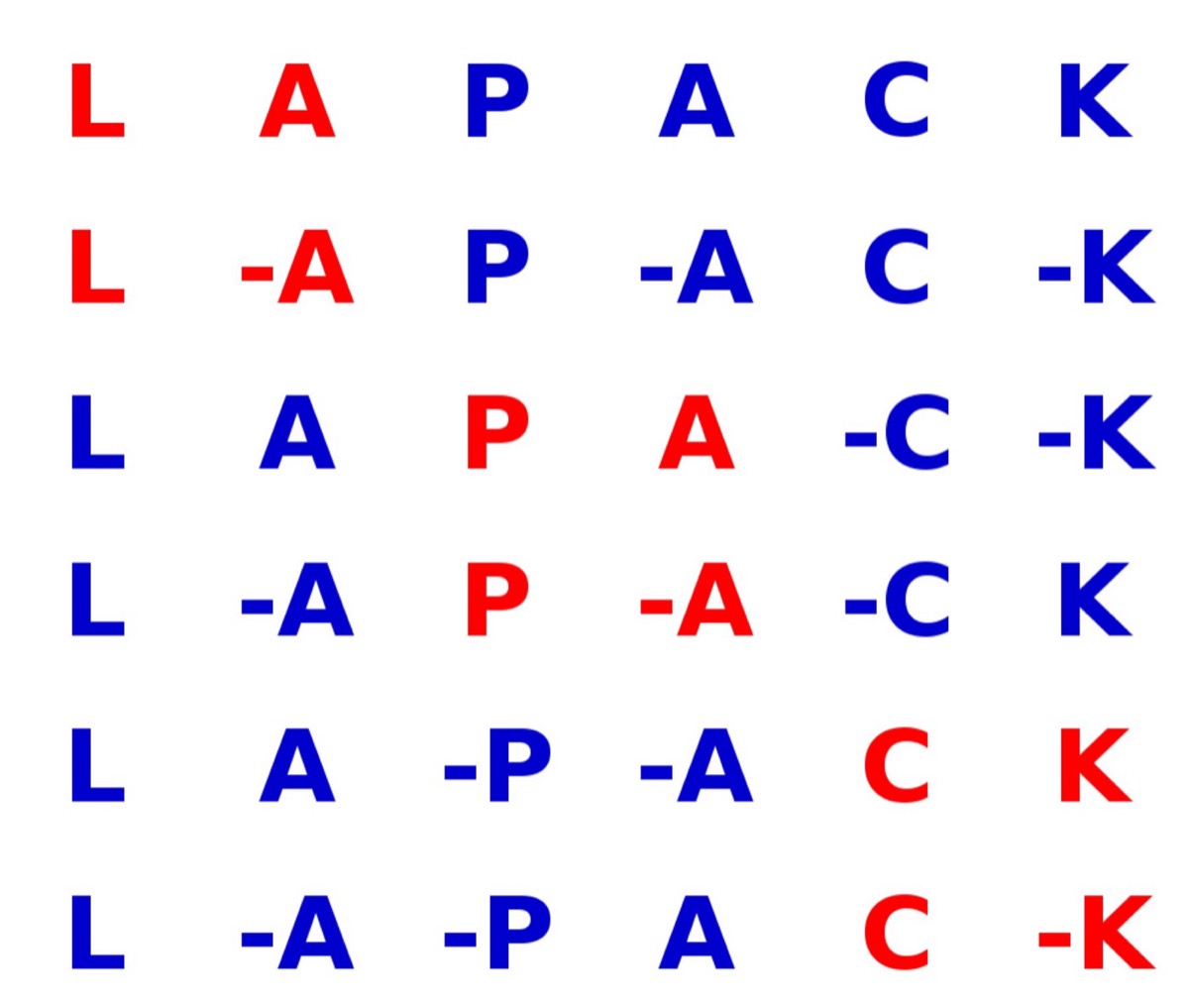
James Demmel Releases LAPACK
LBL’s James Demmel and Oak Ridge Laboratory’s Jack Dongarra release LAPACK, an opensource library of Fortran 77 subroutines for solving the most commonly occurring problems in numerical linear algebra. Today, this software is a standard part of standard math libraries for a variety of vendors, including AMD, Apple (under Mac OS X), Cray, Fujitsu, Hitachi, HP, IBM, IMSL/Rogue Wave, Intel, InteractiveSupercomputing, Mathworks (producers of Matlab), NAG, NEC, PGI and SGI.
Source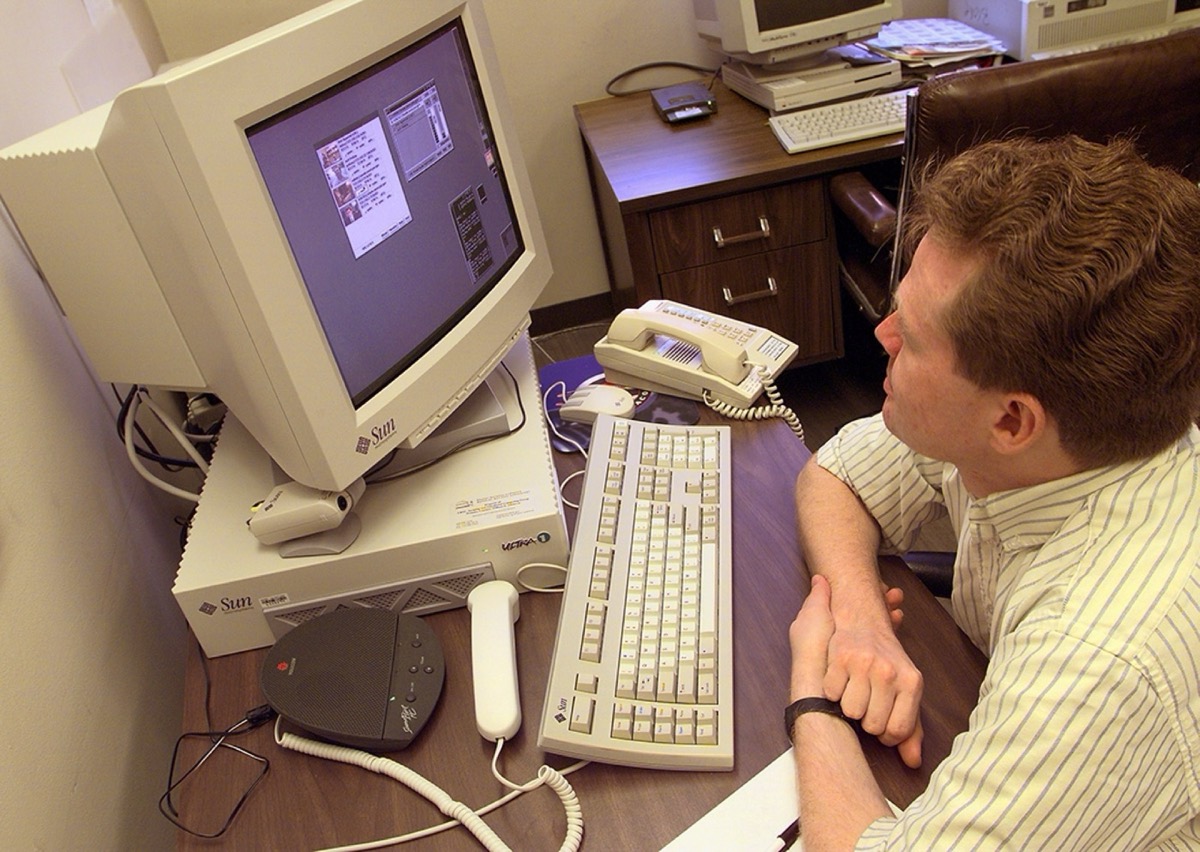
LBL’s M-Bone Revolutionizes Remote Collaboration
In 1992, the Multicast Backbone (M-Bone) debuted at the Internet Engineering Task Force conference. Developed by LBL’s Van Jacobson, M-Bone allowed users worldwide to meet in a common electronic window where they could see and talk to each other, and work on a shared “whiteboard.” Steve Deering of Xerox Corporation's Palo Alto Research Center and Steve Casner of the University of Southern California were also collaborators; they developed protocols that made the virtual network possible.
MasPar MP-2 is Central to LBL’s Distributed Computing Environment
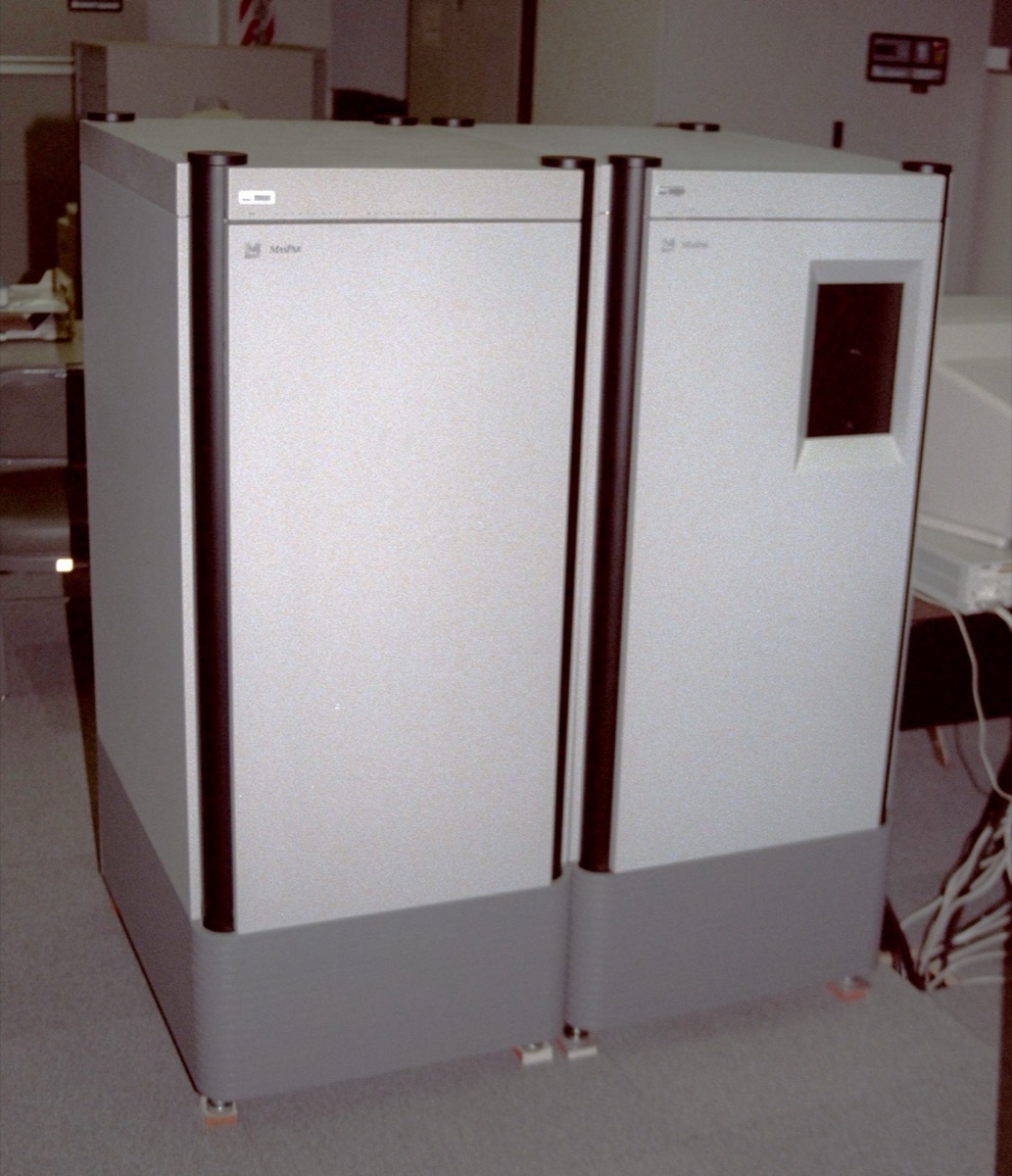
A MasPar MP-2 computer is delivered to LBL. It played a central role in the Lab's distributed computing environment and ushered in a new era of visual data. Built by the MasPar Computer Corp, the MP-2 delivered a peak performance of 17,000 million instructions per second. LBL’s Distributed Computing Group worked with the manufacturer to develop software allowing the machine to search for images as effectively as computers searched text files for specific words.
Source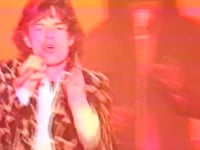
The Rolling Stones Perform “Voodoo Lounge” Concert on LBL’s M-Bone
The Rolling Stones brought their "Voodoo Lounge" concert to M-Bone, performing for 50,000 people in Dallas' Cotton Bowl and a small audience at workstations around the world. The event made international news. As LBL’s Van Jacobson told Newsweek magazine, the Stones' concert should inspire new ways to use the medium. But well before Jagger strutted online, more than 10,000 people in 30 countries routinely used the M-Bone for collaborative work.
Source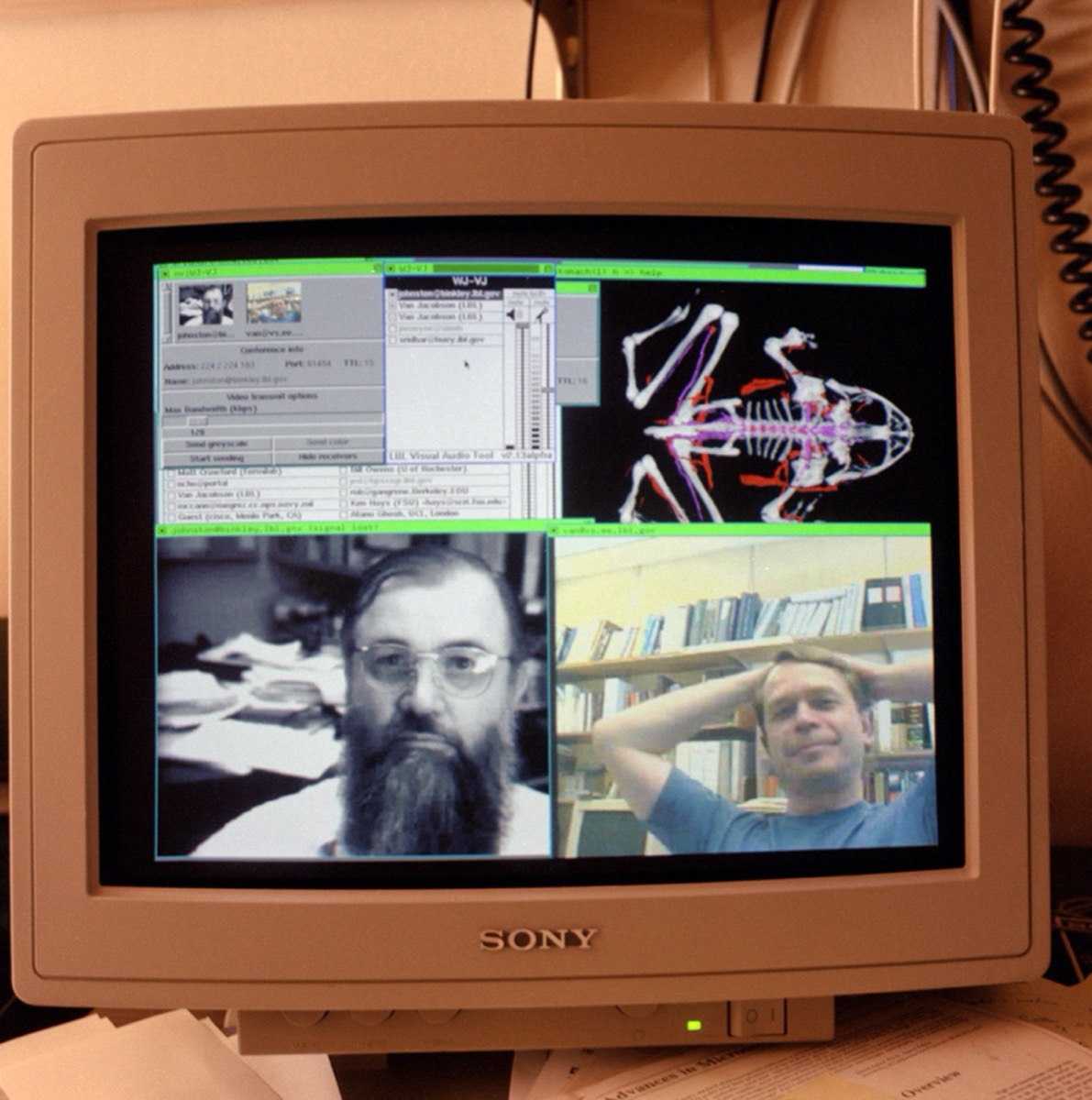
"Virtual Frog" Enables Online Dissection
Computer scientists at LBL created a virtual frog for online dissection. Using image analysis and 3D visualization, the team created a virtual tool for viewing the anatomy of a frog, nicknamed Fluffy. At the time, this was a state-of-the-art exercise in advanced graphics and remote content delivery, devised to serve K-12 students engaged in anatomy studies. The page has been accessed more than 15 million times and remains active today at froggy.lbl.gov.
Source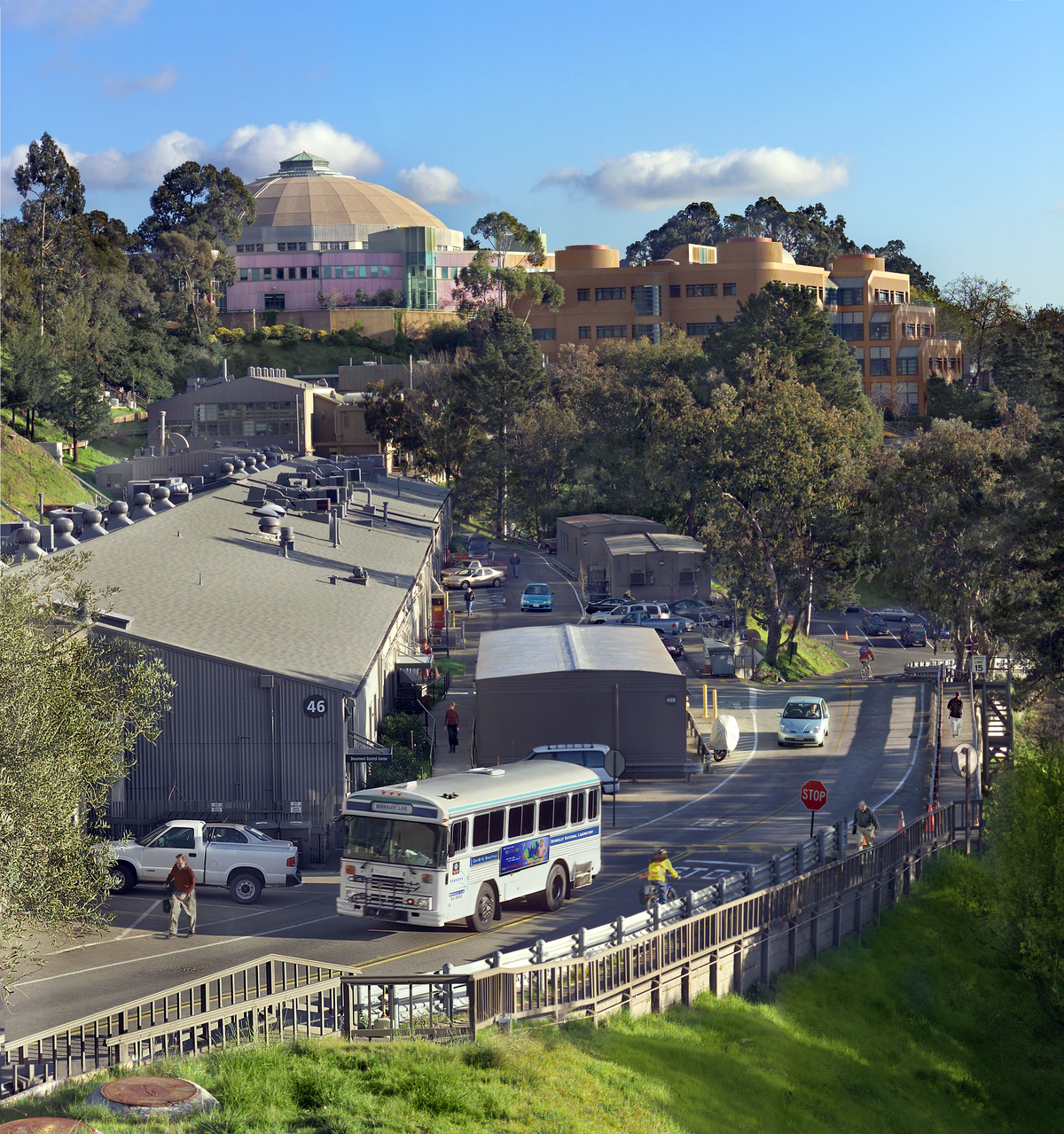
A New Name: Lawrence Berkeley National Laboratory
Lawrence Berkeley Laboratory (LBL) becomes Lawrence Berkeley National Laboratory (LBNL). The modest but important change is meant to clarify the mission of the Berkeley laboratory, which has over the years evolved from a single-purpose, high-energy physics center to a multi-program laboratory seeking answers to the country's most difficult scientific and technological challenges.
Source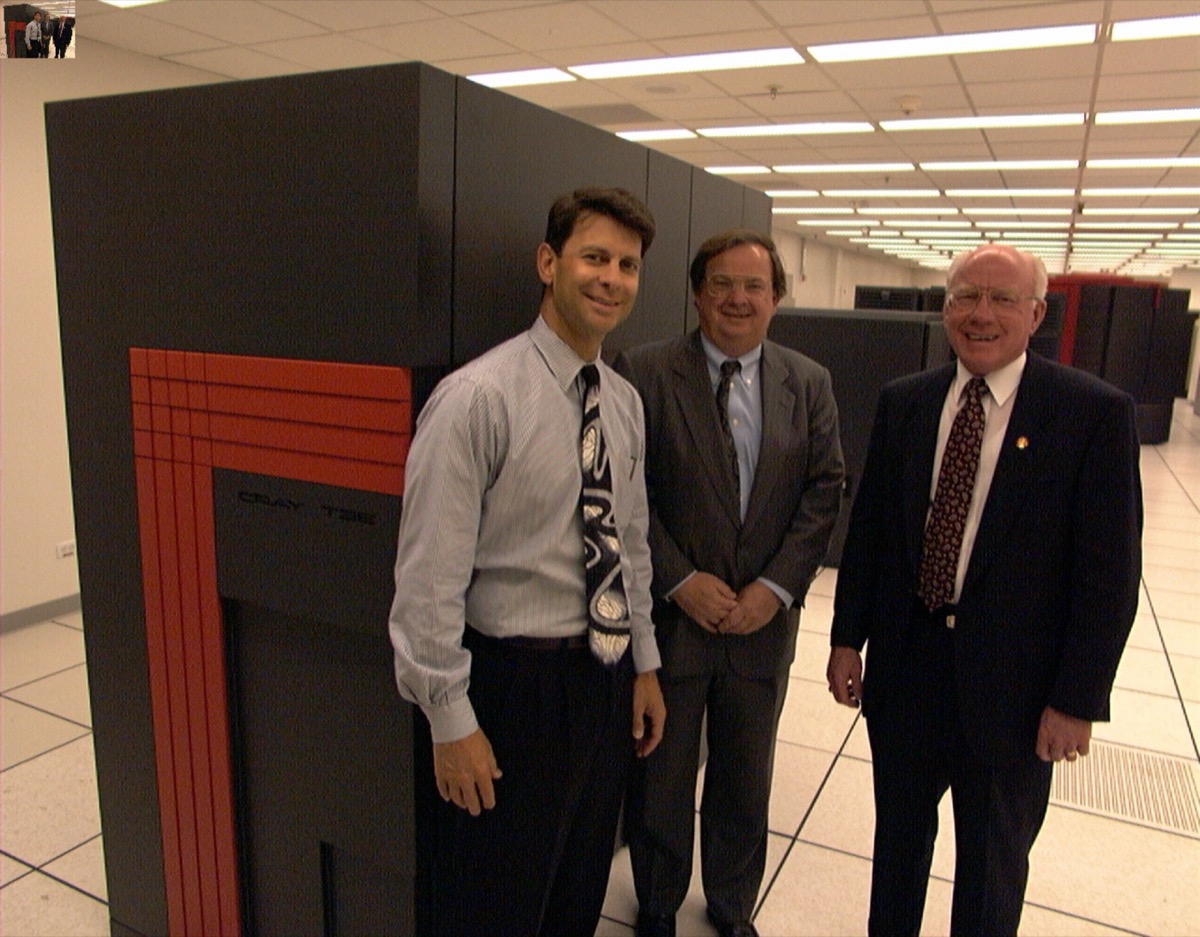
A New HPC Center and Computing Sciences Area
The Department of Energy’s Office of Energy Research selected LBNL as the site of a new High-Performance Computing Access (HPC) Center, which comprised of the National Energy Research Scientific Computing Center (NERSC), Energy Sciences Network (ESnet), the Center for Computational Science and Engineering, and a new computational and mathematical sciences research program. The HPC Center also inspired the formation of a new Computing Sciences Area at LBNL that was initially led by Bill Mccurdy.
Source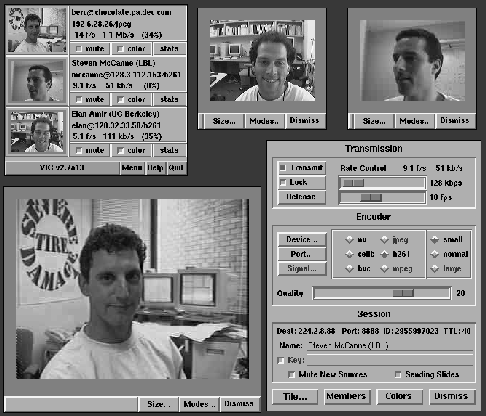
Network Research Group Develops Popular Internet Conferencing Tools
Led by Van Jacobson, LBNL’s Network Research Group developed the popular vat, internet audio conferencing tool; vic, internet video conferencing tool; and wb, internet shared whiteboard tool. These widely adopted programs laid the groundwork and defined standards for the current Internet VoIP and multimedia applications.
Source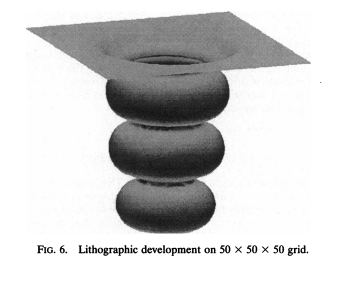
Fast Marching Level Set Methods
LBNL mathematician James Sethian introduces Fast Marching Level Set Methods to efficiently and robustly compute the solution to monotonically advancing fronts. The technique is applicable to a variety of problems, including shape-from-shading problems, lithographic development calculations in microchip manufacturing, and arrival time problems in control theory. The paper has been cited almost 4,000 times in countless applications including flame propagation, image segmentation, path planning, undersea cable laying, and computation of optimal trajectories.
Source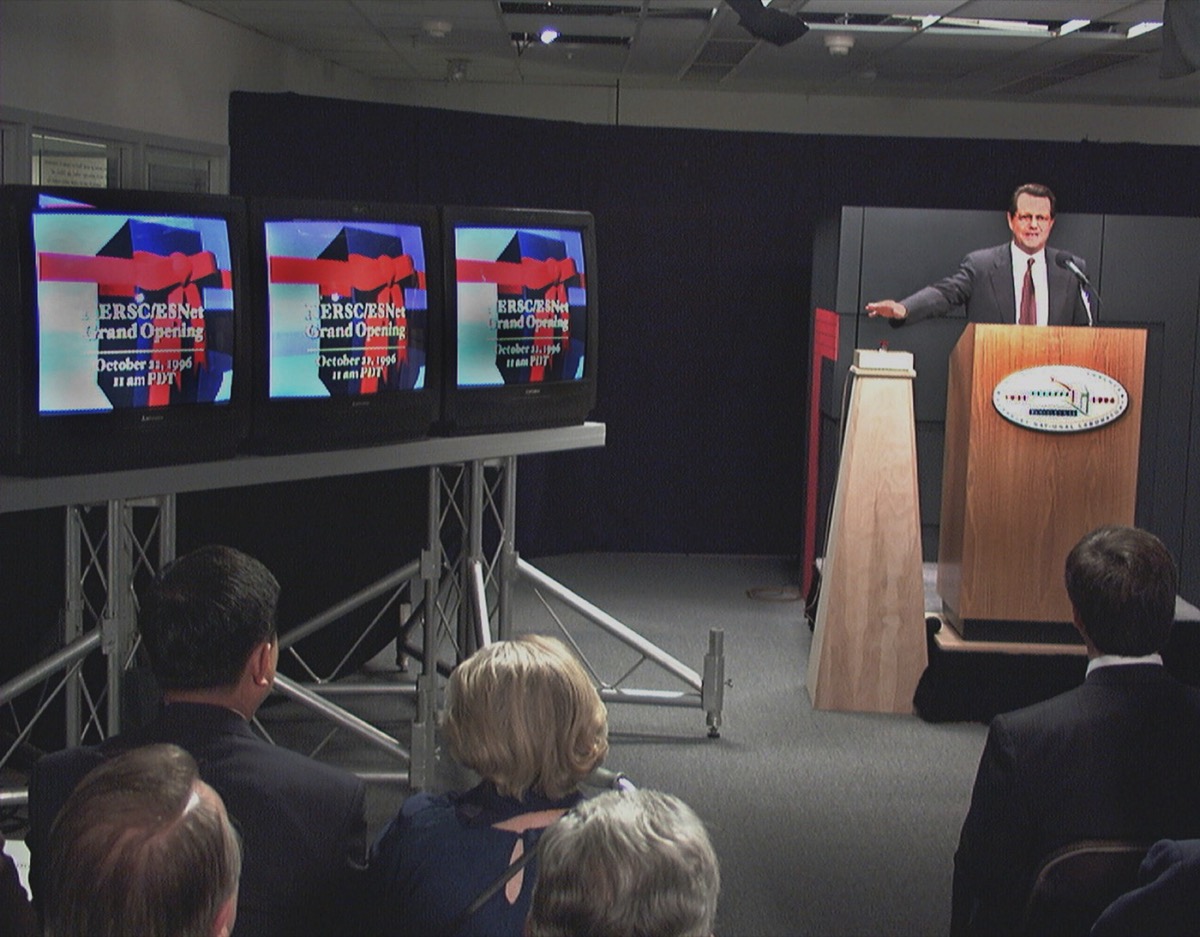
LBNL Ushers in New Era with NERSC/ESnet Grand Opening
With the pressing of a button, Deputy Energy Secretary Charles Curtis activated a pair of virtual scissors that cut through a digital red ribbon to mark the official opening of LBNL’'s new multimillion-dollar supercomputing and networking facilities. The grand opening ceremony was simultaneously broadcast across the Internet via MBone; spectators were given a real-time demonstration of the power of NERSC/ESnet with a flawless transmission of experimental results from Argonne National Laboratory.
Source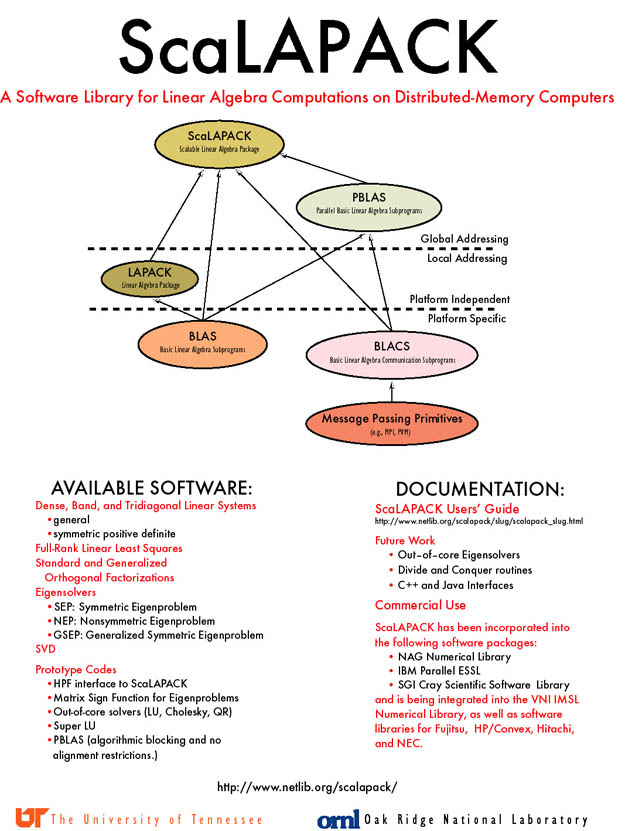
ScaLAPACK is Released
ScaLAPACK, a library of high performance linear algebra routines for distributed memory MIMD computers is released. It is a continuation of LAPACK project, and both libraries contain routines for solving systems of linear equations, least squares problems, and eigenvalue problems. ScaLAPACK was used in a 605 GFLOPS electronic structure calculation, won second prize in the Gordon Bell Peak Performance Prize at Supercomputing 98. LBNL’s James Demmel is also a ScaLAPACK co-developer.
Source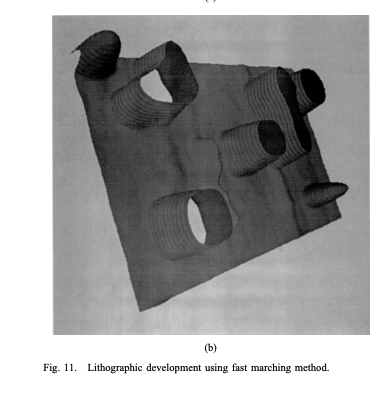
Simulations for Semiconductor Manufacturing
In a series of papers, LBNL’s James Sethian and David Adalsteinsson introduce the first robust mathematical models and numerical algorithms for process modeling in semiconductor manufacturing. This approach has been adopted by various companies, including Intel, Motorola, Samsung, and Siemens; and it’s also become a mainstay approach delivered by Synopsis Corporation.
Source
Vern Paxon’s Thesis Inspires the Bro Intrusion Detection System
Vern Paxson publishes his 400-page thesis about a measurement methodology to effectively assess the performance of the Internet. His work inspired the creation of Bro, an intrusion detection system (IDS) that monitors incoming and outgoing network traffic for suspicious patterns; then blocks traffic and notifies security personnel when anomalies are detected. Bro is one of the most widely used IDSs in universities and some commercial environments. It now has a publicly distributed version called Zeek.
Source
Computational Cosmology Pioneer Discovers Accelerating Cosmic Expansion
LBNL astrophysicist Saul Perlmutter discovered that the universe is expanding at an accelerating rate. This finding would earn him the 2011 Nobel Prize in Physics. Perlmutter confirmed his observational conclusions with thousands of simulations run at NERSC. His team was among the first to use supercomputers to analyze and validate observational data in cosmology, effectively establishing LBNL as a leader in this field and sowing the seeds for a Computational Cosmology Center.
Source
LBNL Mathematicians Dethrone “Law of the Wall”
Since 1938, the standard equation for calculating the forces exerted on a solid object by turbulence had been the "Law of the Wall." It had been so thoroughly accepted as correct that when data from wind tunnel experiments did not agree with its predictions, researchers sought ways to correct their experimental methods. But LBNL’s Alexandre Chorin and Grigory Barenblatt proved that it was actually “Law of the Wall” that breaks down under high-speed turbulent conditions.
Source
LBNL Researchers Develop AMR for Low Mach-Number Flows
Researchers in LBNL’s Center for Computational Science and Engineering developed adaptive mesh refinement capability for improved computer modeling of low Mach-number flows, where all the motion is at speeds slower than sound. Researchers use this capability to model flows for less computational cost (computer time and memory) and achieve the same accuracy, enhancing the study a range of phenomena, from the turbulent flow of water through a channel to combustion and atmospheric dispersal.
Source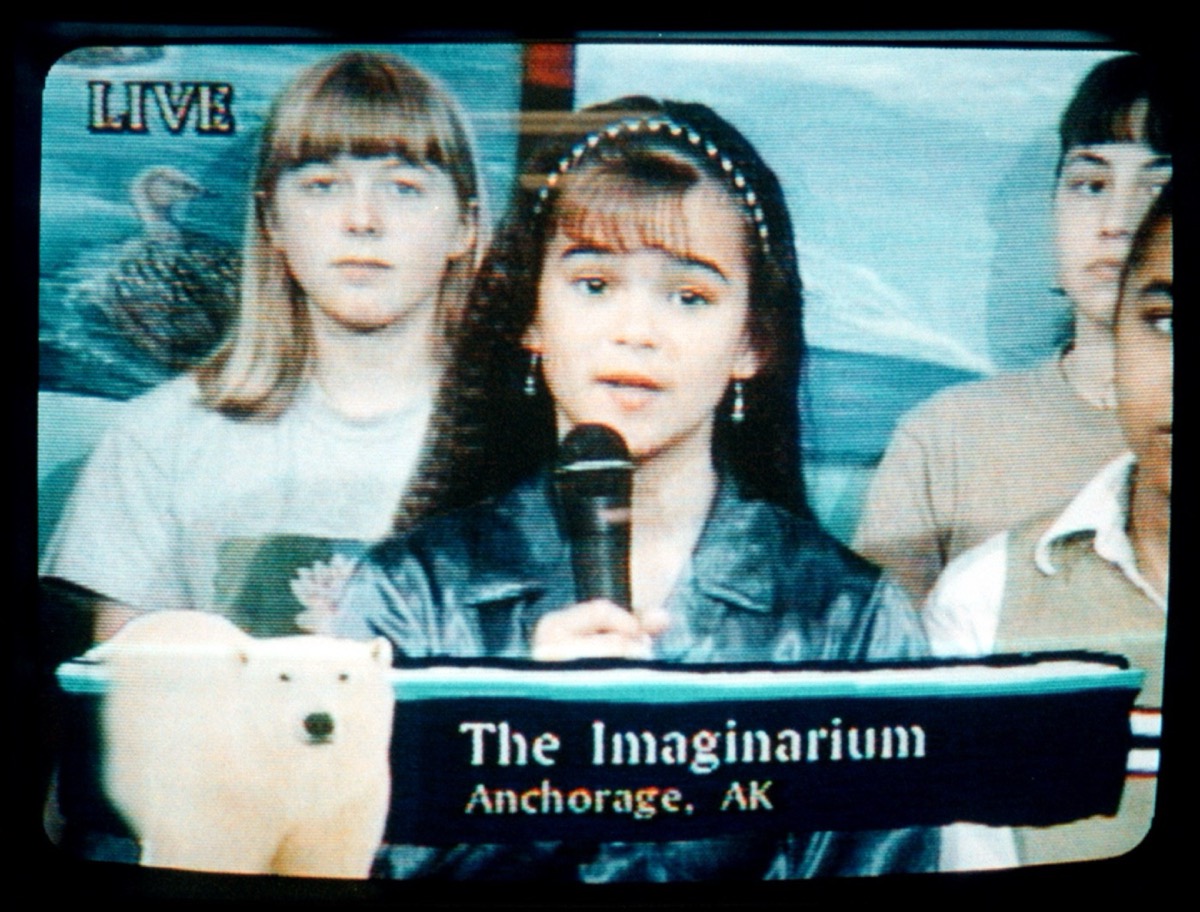
To the South Pole on MBone: First Live Multicast Connection
The first multicast video and audio link to the South Pole officially opened on April 1, between LBNL and the U.S. Amundsen-Scott South Pole Station, thanks to MBone. An hour-long television special produced by the NASA's Passport to Knowledge project used this link to feature a real-time interaction between students in the United States and researchers at the South Pole in "Live From the Poles," which aired on Tuesday, April 28, 1998.
Source
Building Tools for the Future of Distributed Science
The U.S. Department of Energy launches the “China Clipper Project,” a joint project between LBNL, Argonne National Laboratory, Stanford Linear Accelerator Center, and ESnet to develop technologies required for widely distributed data-intensive applications. The project aimed to link scientific instruments like accelerators by networks to data storage “caches” and computers; and it would provide the “middleware” to allow these separate components, often located thousands of miles apart, to function as a single system.
Source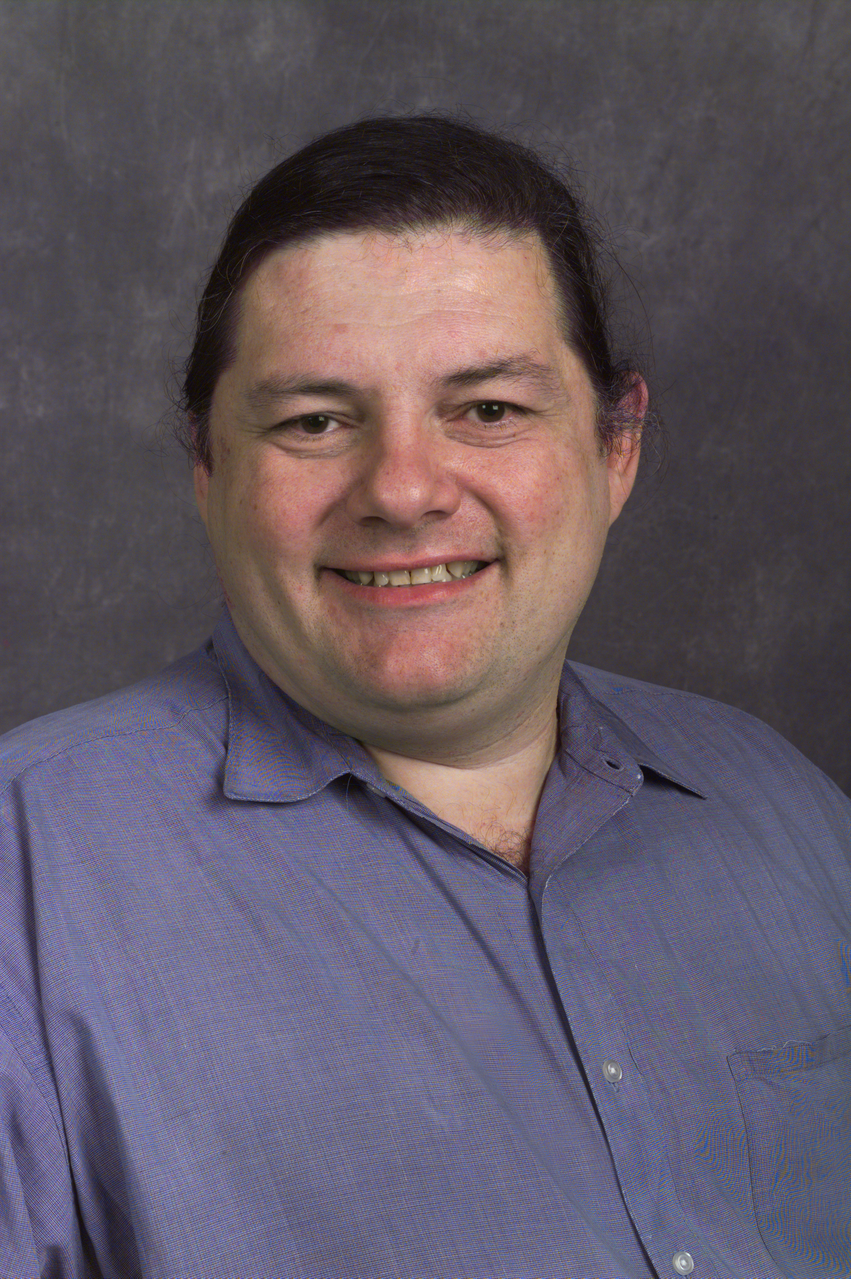
Phillip Colella Receives IEEE's Sidney Fernbach Award
LBNL mathematician Phillip Colella was presented with the IEEE Computer Society's 1998 Sidney Fernbach Award at SC98 for "fundamental contributions in the development of software methodologies used to solve numerical partial differential equations, and their application to substantially expand our understanding of shock physics and other fluid dynamics problems.”
Source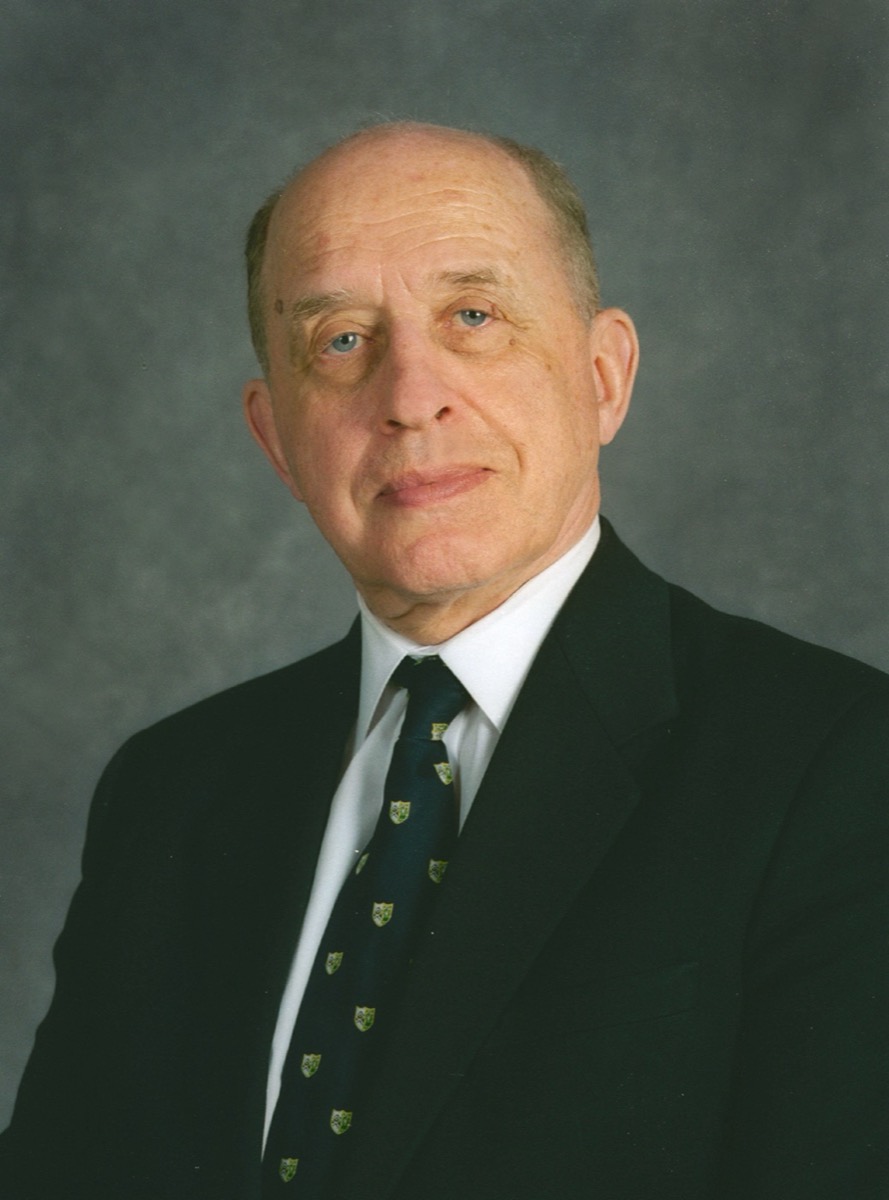
Grigory Isaakovich Barenblatt Awarded Inaugural Maxwell Prize in Applied Math
Berkeley Lab’s Grigory Isaakovich Barenblatt was awarded the inaugural international Maxwell Prize in applied mathematics. He’s made numerous contributions to the mathematical theory of fluid motion, solid structure, nonlinear waves, scaling, and asymptotics. Barenblatt’s crack formation work provided some of the basic tools used in the analysis of failure.
Source
A Cost-Effective Tech to Verify that No Nation Detonates a Nuclear Device
LBNL’s Deb Agarwal accepted an assignment to work with the Comprehensive Test Ban Treaty Organization. She served as an independent expert to help the organization determine if “reliable multicast” technology was a cost-effective way of handling the large amount of data involved in verifying that no nation detonates a nuclear device. For this work, Agarwal was named one of the Top 25 Women of the Web in the May 2000 cover story by Upside magazine.
Source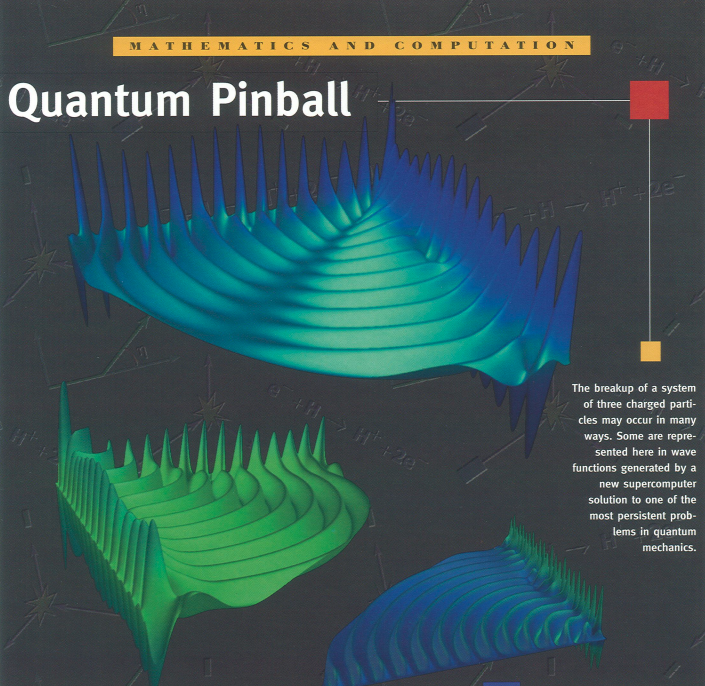
50-Year-Old 3-Particle Problem Solved
For 50-plus years, theorists failed to find a complete solution to scattering in a quantum system of three charged particles. These interactions produce the ion beams that engrave silicon chips. In 1999, LBNL, Livermore Lab, and UC Davis researchers used supercomputers to obtain a complete solution of the ionization of a hydrogen atom by collision with an electron, an example of the problem's last unsolved component. Their findings made the cover of Science Magazine in December 1999.
Source
SuperLU Library Launches
LBNL’s SuperLU is a leading software library for systems of linear equations that are sparse, where many of the matrix entries are zero and ideally don’t need to be stored nor operated on. SuperLU can automatically determine which matrix entries are zeros and can be ignored, allowing the computer to focus its calculations on the other entries and solve the problem faster. Since its launch, SuperLU has become LBNL’s third most downloaded software.
Source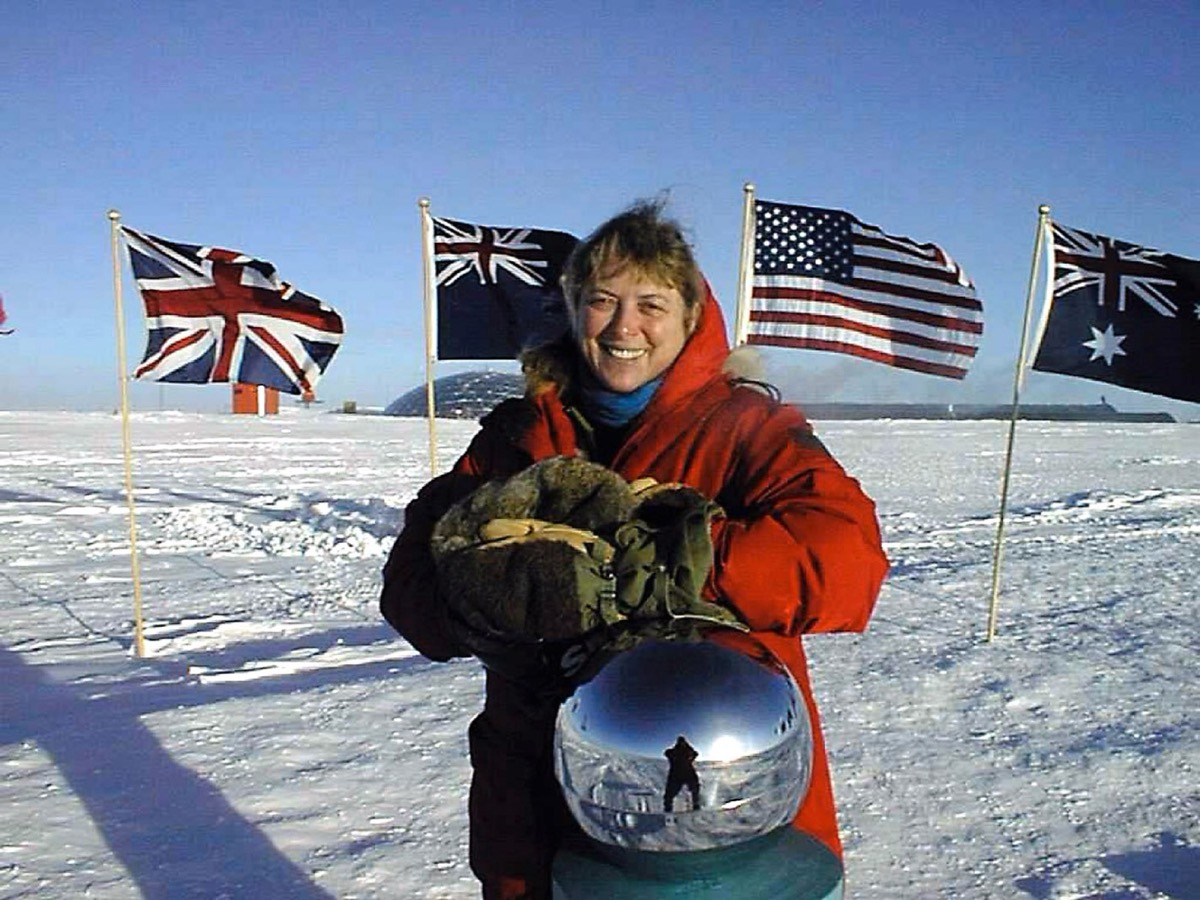
Facilitated Remote Medical Diagnosis for Doctor in the South Pole
LBNL’s Chuck McParland helped facilitate remote medical diagnosis and consultation for Dr. Jerri Nielsen, a physician in Antarctica who discovered a lump in her breast. Nielsen couldn’t be evacuated because of extreme weather conditions, so NSF organized an emergency airlift of medical supplies and related equipment, including two computer workstations and microscopes equipped with digital cameras. This allowed doctors in the U.S. to transmit medical images and information back-and-forth using technology based on MBONE.
Source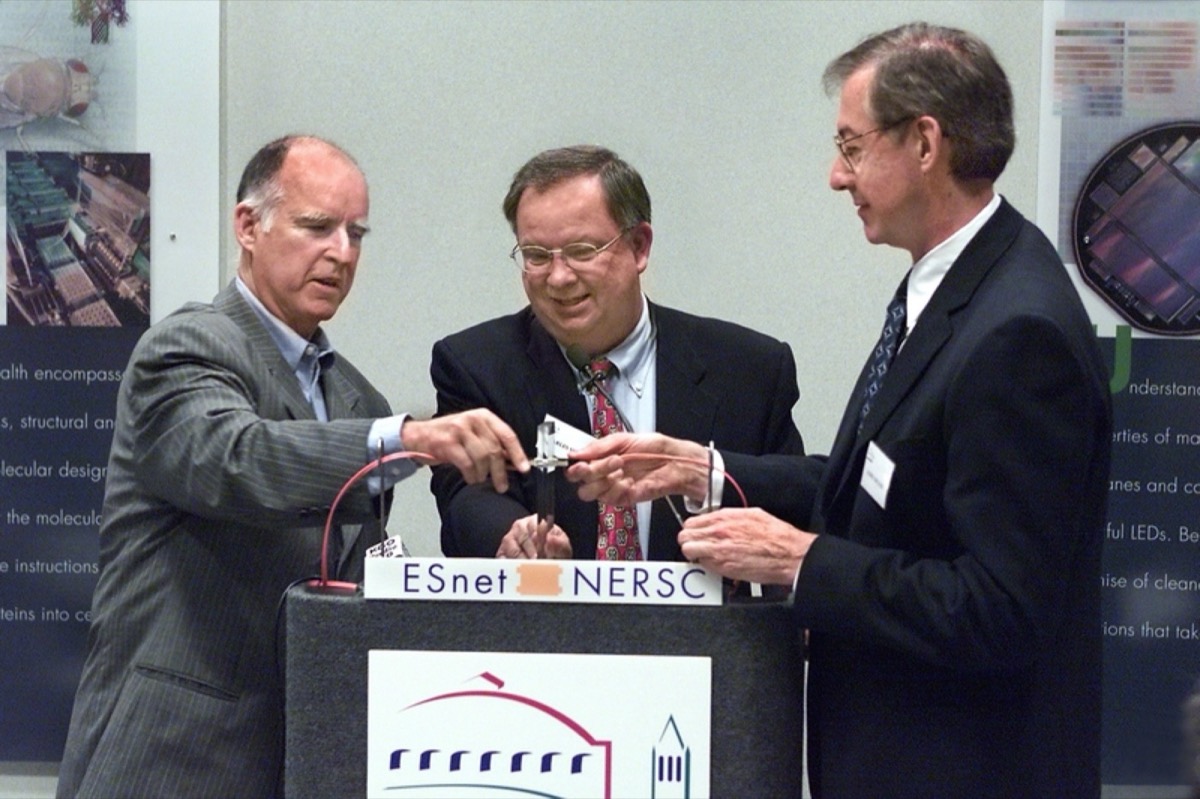
LBNL Dedicates First Oakland City Facility
LBNL’s first off-site facility in the city of Oakland housed Computing Sciences employees and National Energy Research Scientific Computing Center’s (NERSC’s) computing and data storage systems. With the symbolic connection of cables linking NERSC’s supercomputers with its international user community on a high-speed network, the Oakland Scientific Facility was formally dedicated by Oakland Mayor Jerry Brown, LBNL Director Charles Shank, and Dr. James Decker, Acting Director of the DOE Office of Science.
Source
LBNL Hosts National Academy Symposium on Future of Supercomputers
About three dozen members of the prestigious National Academy of Engineering visited LBNL to attend a symposium entitled “Do Supercomputers Have a Future?” The invitation-only symposium featured experts from the fields of supercomputer manufacturing, design, and utilization: Burton Smith, chief scientist of Cray Inc.; David Patterson, professor of computer science at UC Berkeley; and Bill McCurdy, head of LBNL Computing Sciences and a chemical physicist who computes on supercomputers.
Source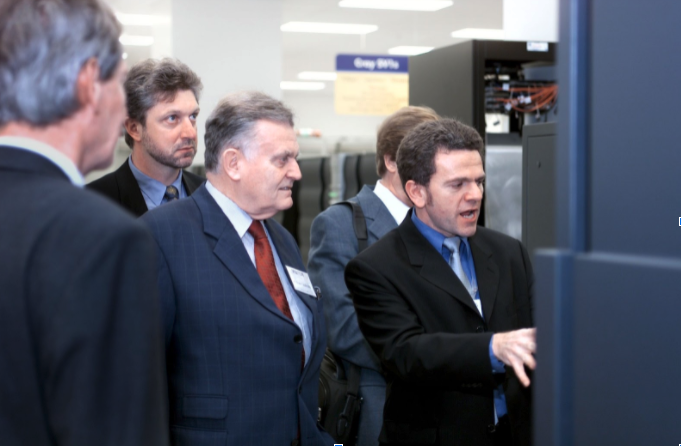
German Delegation Visits LBNL’s Oakland Scientific Facility
Twenty representatives of government, academia and industry from the German state of Baden-Wuerttemberg, led by state governor Erwin Teufel, visited LBNL’s Oakland Scientific Computing Facility during a recent tour of California. Erich Strohmaier provided an overview and NERSC computer room tour in German for the visitors. The group specifically chose to visit NERSC in light of discussions regarding the best way to rebuild the supercomputing center at the University of Stuttgart.
Source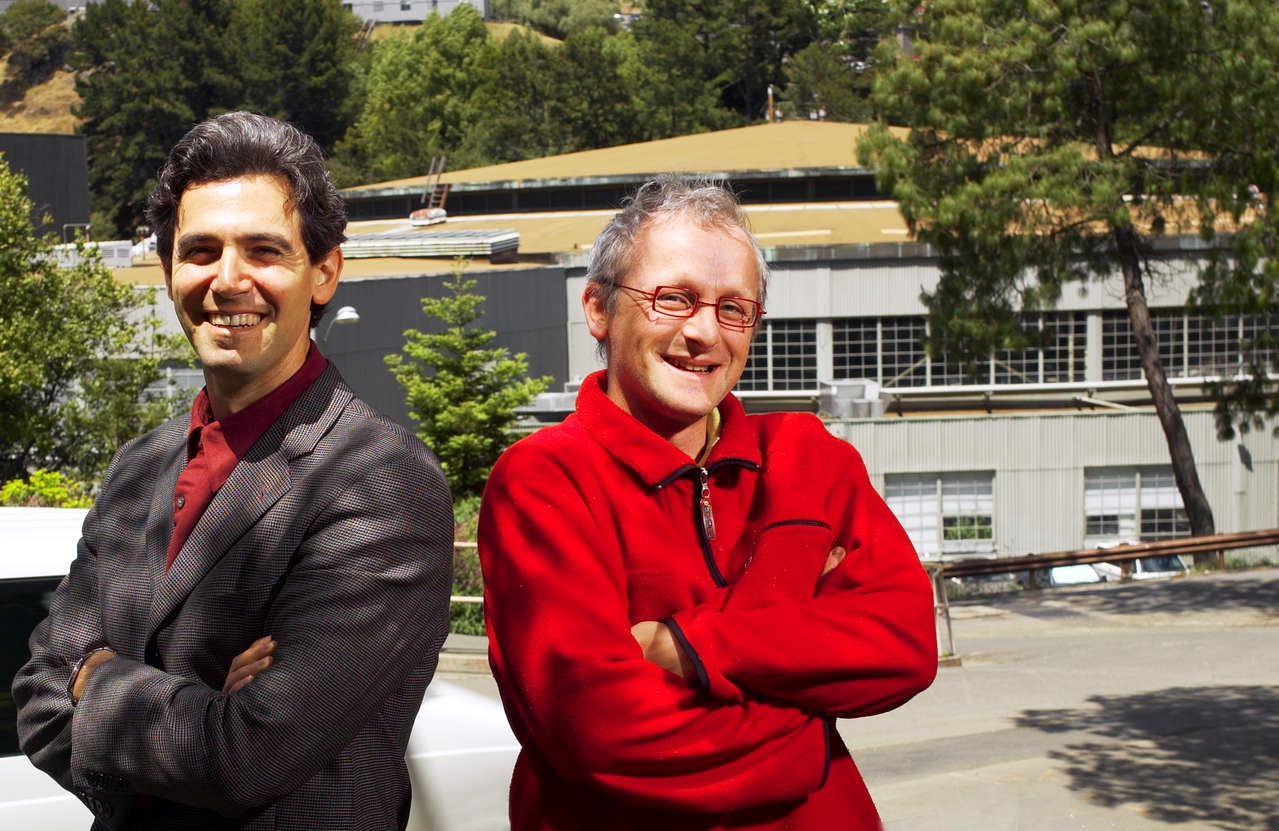
Luis W. Alvarez Fellowship in Computing Sciences Launches
Established by NERSC at LBNL, the Luis Alvarez fellowship was established to encourage the development and application of tools to advance scientific research. It allows a recent Ph.D. graduate to acquire further scientific training and develop professional maturity for independent research. Andreas Adelmann was the first fellowship recipient. Since its launch in 2002, Alvarez fellows have gone on to make contributions to computational and computing sciences as researchers, professors, and in the private sector.
Source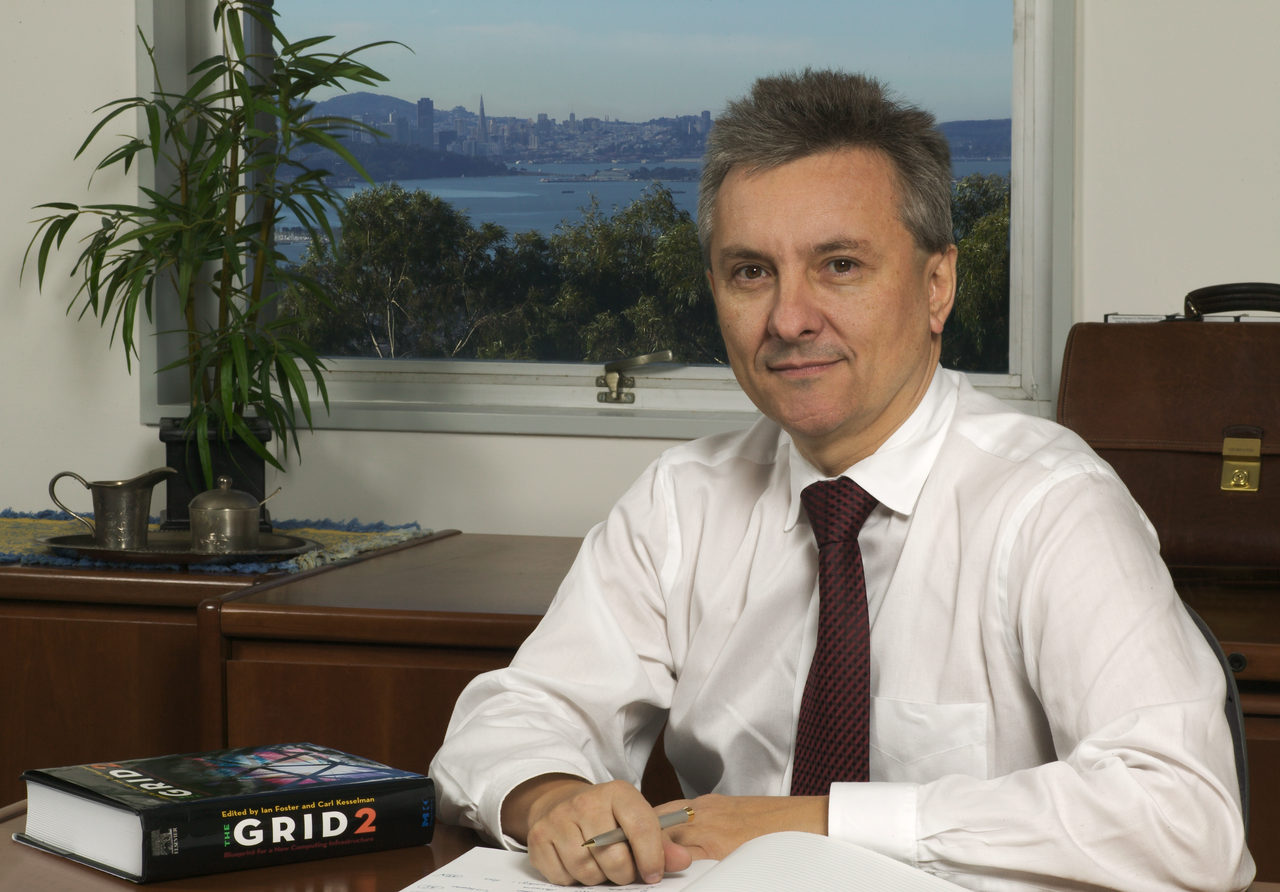
Reorganization Leads to a New Computational Research Division (CRD)
LBNL Director Charles Shank announced that the National Energy Research Scientific Computing (NERSC) Division would be reorganized into two new divisions – the NERSC Center Division and the Computational Research Division (CRD) – to heighten the visibility of the NERSC as a national user facility. CRD would carry out computational science, computer science, and applied mathematics research and development in high-performance computing and distributed systems. Horst Simon served as director of both NERSC and CRD.
Source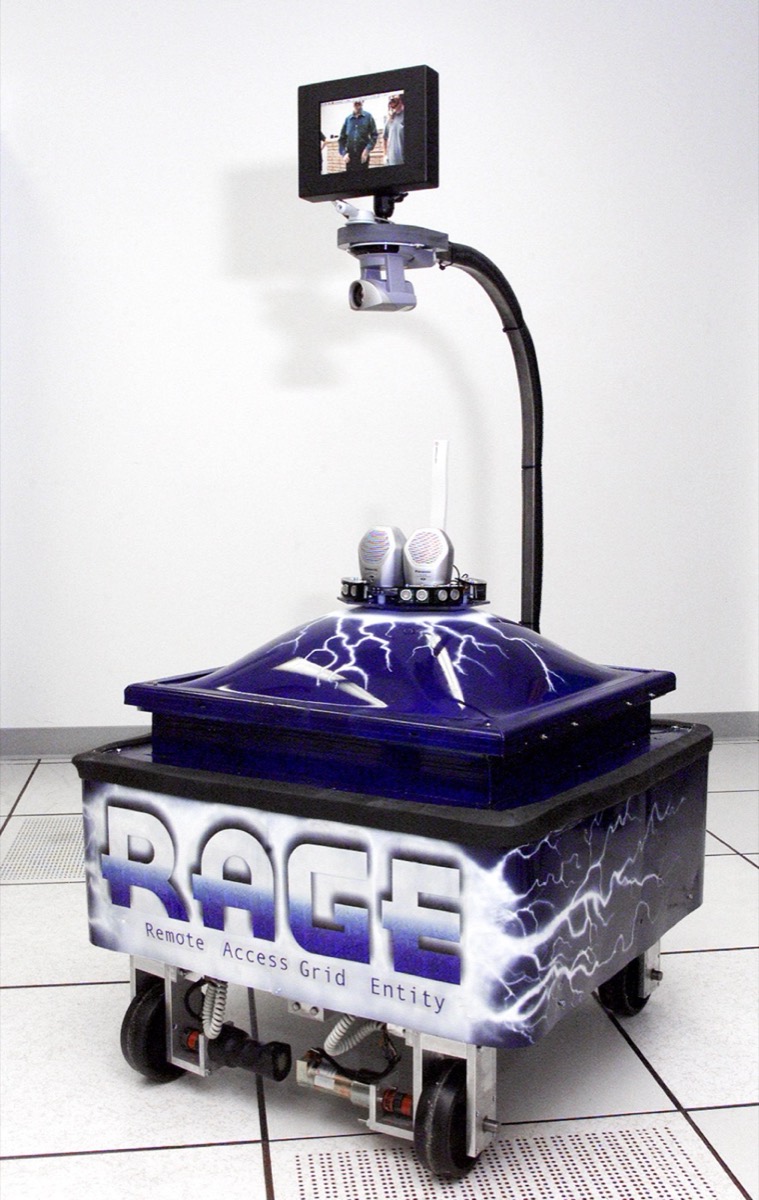
RAGE Telepresence Robot Captures R&D100 Award
Berkeley Lab’s Remote Access Grid Entity (RAGE) was designed as a roaming telepresence robot to enhance two-way interactive audio and video communication between groups connected by the Internet. It was specifically designed and built to provide mobile, remote connectivity to the Access Grid (AG), an international ensemble of multimedia display, presentation and interactive videoconferencing sites. AG was designed to support distributed meetings, collaborative work sessions, seminars, lectures, tutorials and training on a global scale.
Source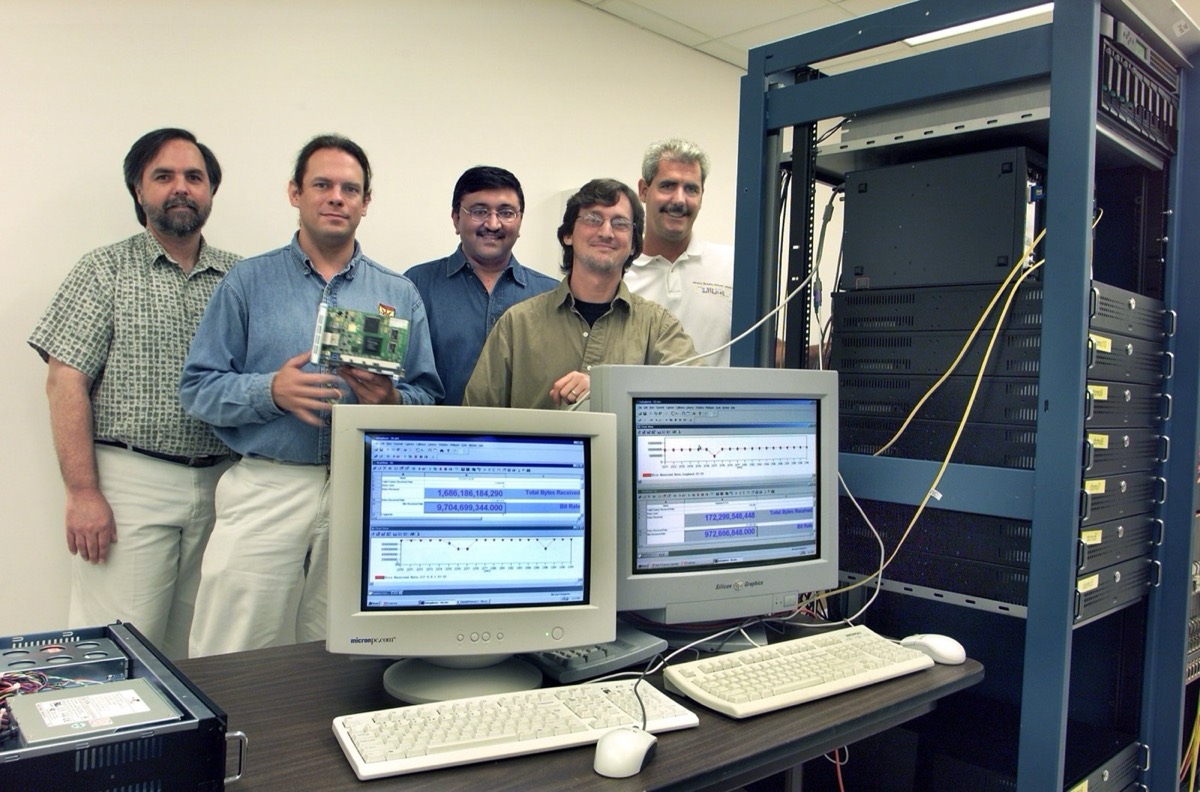
LBNL Researchers Prove 10-Gigabit Ethernet Works in the Real World
LBNL researchers assembled a demonstration system that ran a scientific application on an 11-processor cluster, then sent the resulting data across a 10-Gigabit Ethernet connection to another cluster, where it was rendered for visualization. The result? The team was able to sustain 10.6 gigabits/second aggregated performance across two 10-gigabit interfaces, showing for the first time that it was possible to attain 10-Gigabit Ethernet performance in the real world.
Source
Launch of the GASNet Communication Interface
Berkeley Lab researchers introduced the Global-Address Space Networking (GASNet) specification. To address communication bottlenecks in massively parallel supercomputers, the team developed a network-independent interface leveraging Remote Memory Access. GASNet isolated developers from low-level hardware details, providing a stable, highly efficient foundation for high-performance computing programming languages.
Source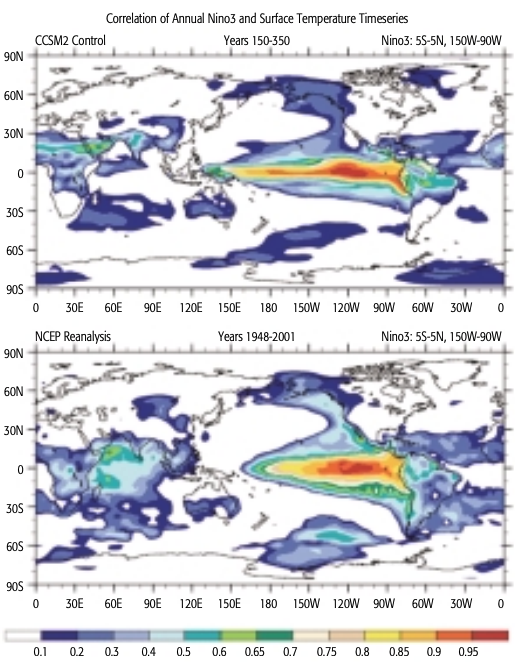
Berkeley’s “Big Splash” Sets the Stage for DOE’s INCITE Program
To promote the productivity of cutting-edge science, NERSC at LBNL rolled out the “red carpet” for large-scale strategic projects so they could make rapid progress. These “big splash” projects required huge computing allocations, substantial scratch disk, terabytes of usable memory and support for 64-bit computing, large-scale visualization, consulting support to make effective use of these resources, good bandwidth between the resources, and large archival storage. Their success inspired the Department of Energy’s INCITE program.
Source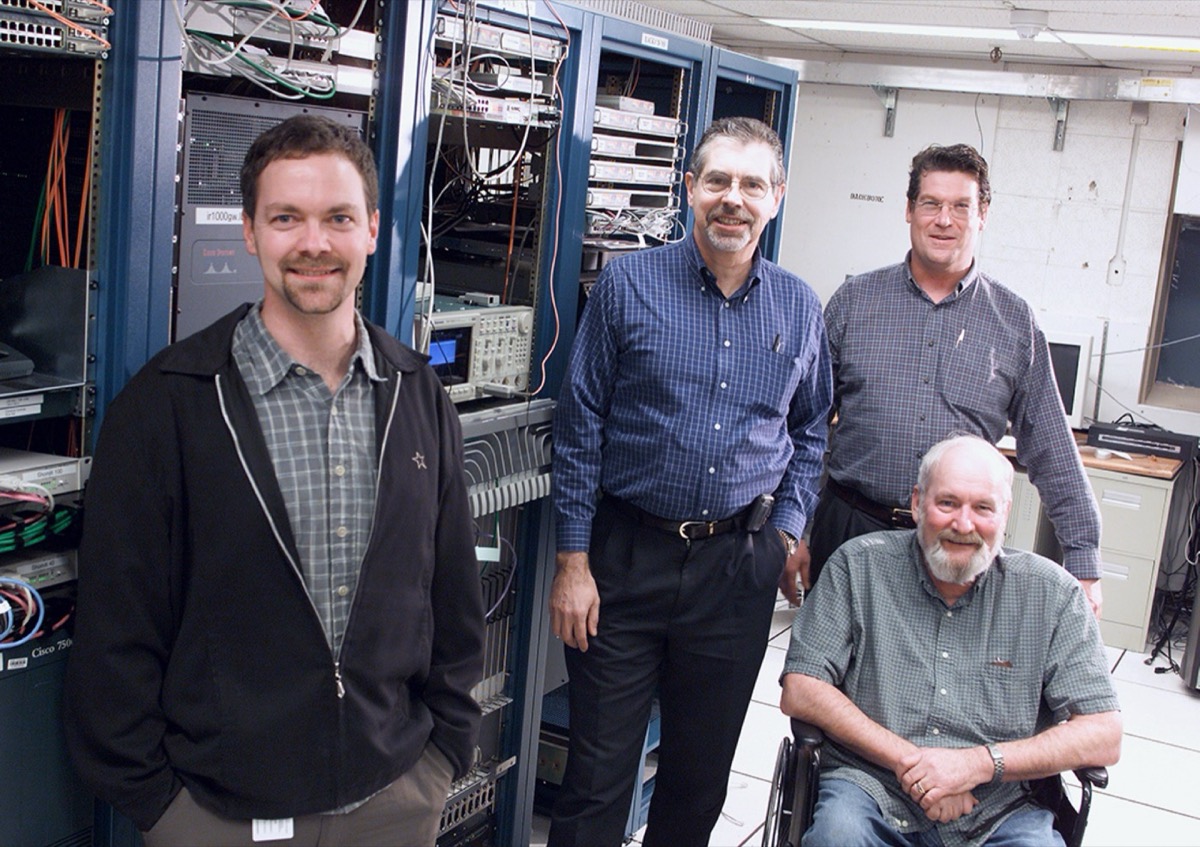
LBNL Engineer Stops Slammer Worm’s Spread
Network Engineer Greg Bell protected LBNL, ESnet, and other Department of Energy sites from the “SQL Slammer,” a computer worm that caused a denial of service on some Internet hosts and dramatically slowed Internet traffic. It spread rapidly, infecting most of its 75,000 victims within ten minutes. When Slammer first hit, Bell put up router blocks, contained the 10 infected systems, and alerted the Lab’s computer protection staff about the situation.
Source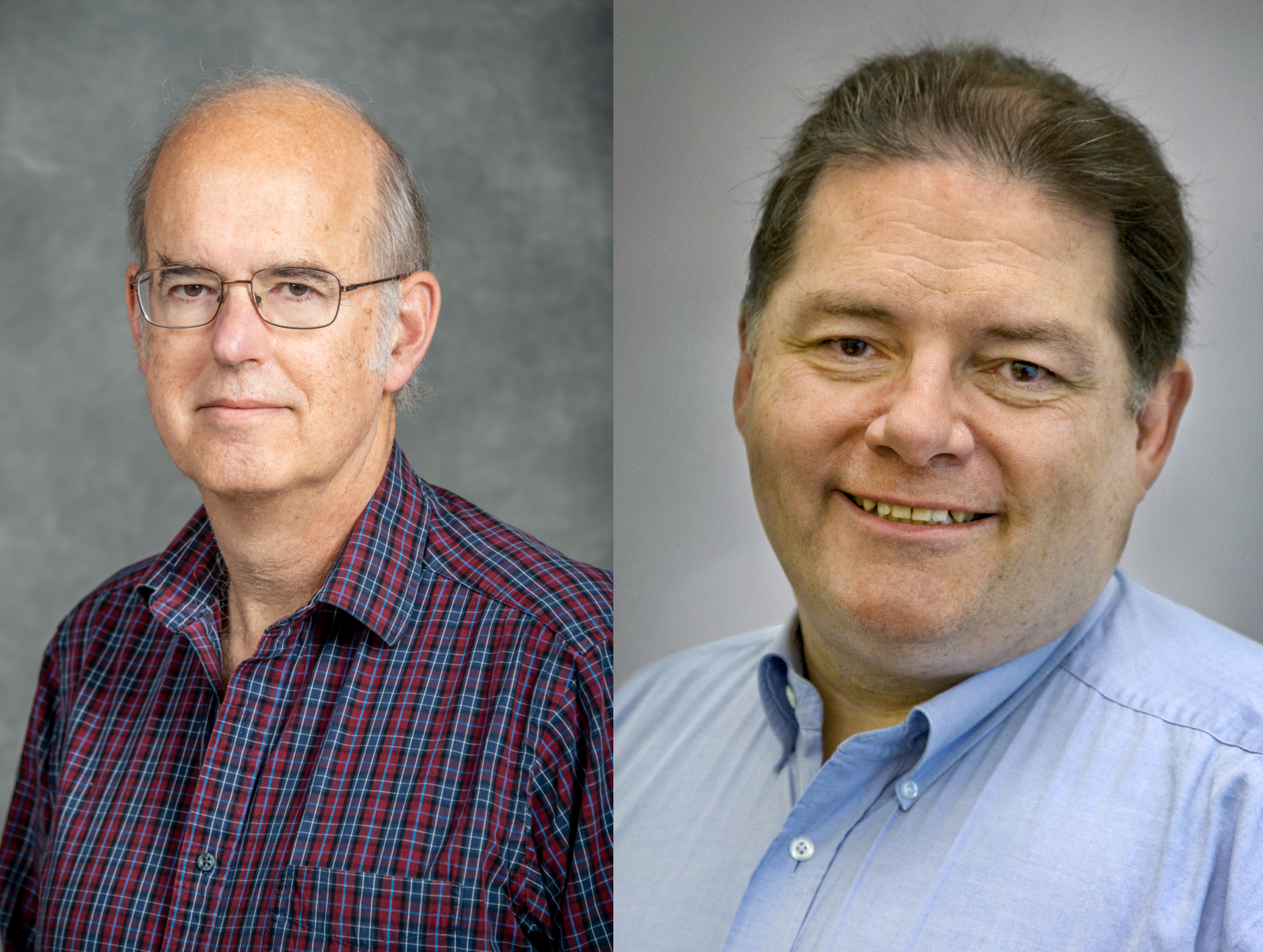
Bell, Colella Co-recipients of the Inaugural SIAM/ACM Prize
LBNL’s John Bell and Phillip Colella were co-recipients of the inaugural SIAM/ACM Prize in Computational Science and Engineering for “outstanding contributions to the development and use of mathematical and computational tools and methods for the solution of science and engineering problems.” Algorithms developed by Bell and Colella are used for understanding complex problems in fluid mechanics and computational physics. Their methods have been applied to study turbulence, astrophysics, flow in porous media, and combustion.
Source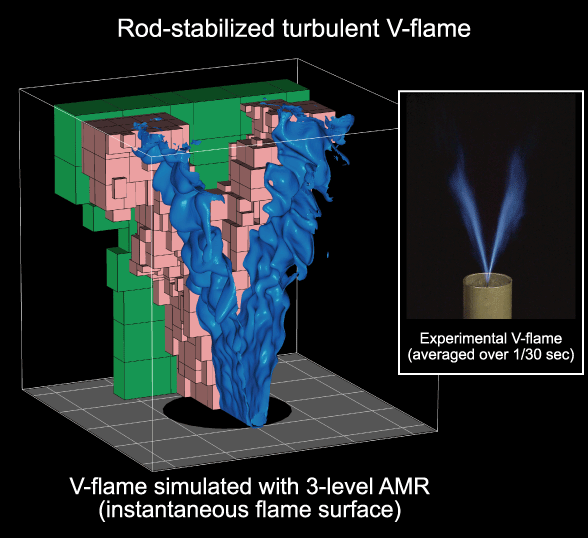
Improved Algorithms Lead to Lab-Scale Combustion Simulations
LBNL researchers created the first detailed simulations of laboratory-scale turbulent premixed flame experiments with software that accommodated an unprecedented level. They validated these simulations with experimental data and then probed the computed results for information about how turbulence in the fuel stream affects the local combustion chemistry, and how emissions form and release in the product stream. These tools could be used to design more efficient power generators, heating systems, stoves, and more.
Source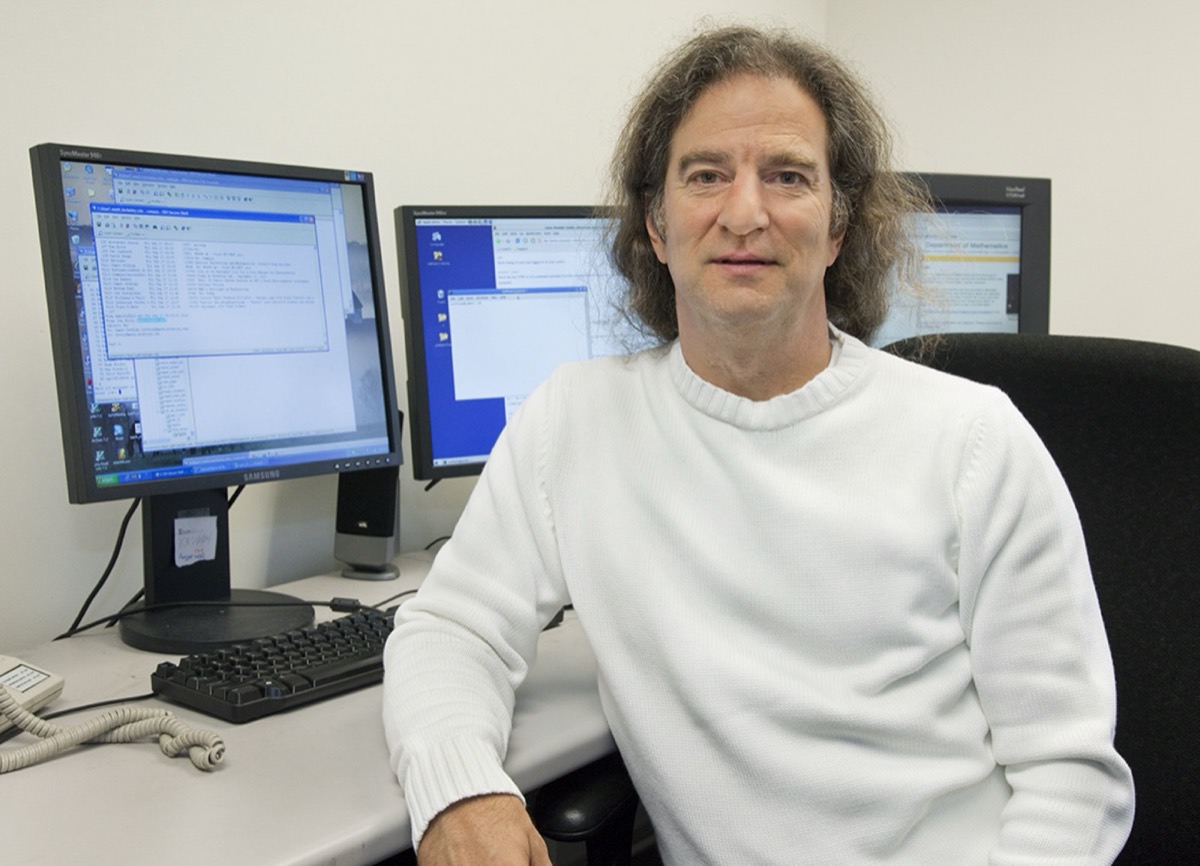
LBNL’s James Sethian Receives Norbert Wiener Prize in Applied Mathematics
James Sethian was awarded the Norbert Wiener Prize in Applied Mathematics by the American Mathematical Society and the Society for Industrial and Applied Mathematics for “seminal work on the computer representation of the motion of curves, surfaces, interfaces, and wavefronts, and for his brilliant applications of mathematical and computational ideas to problems in science and engineering." Sethian’s work has influenced the fields of medical imaging, seismic research, and manufacturing computer chips and printers.
Source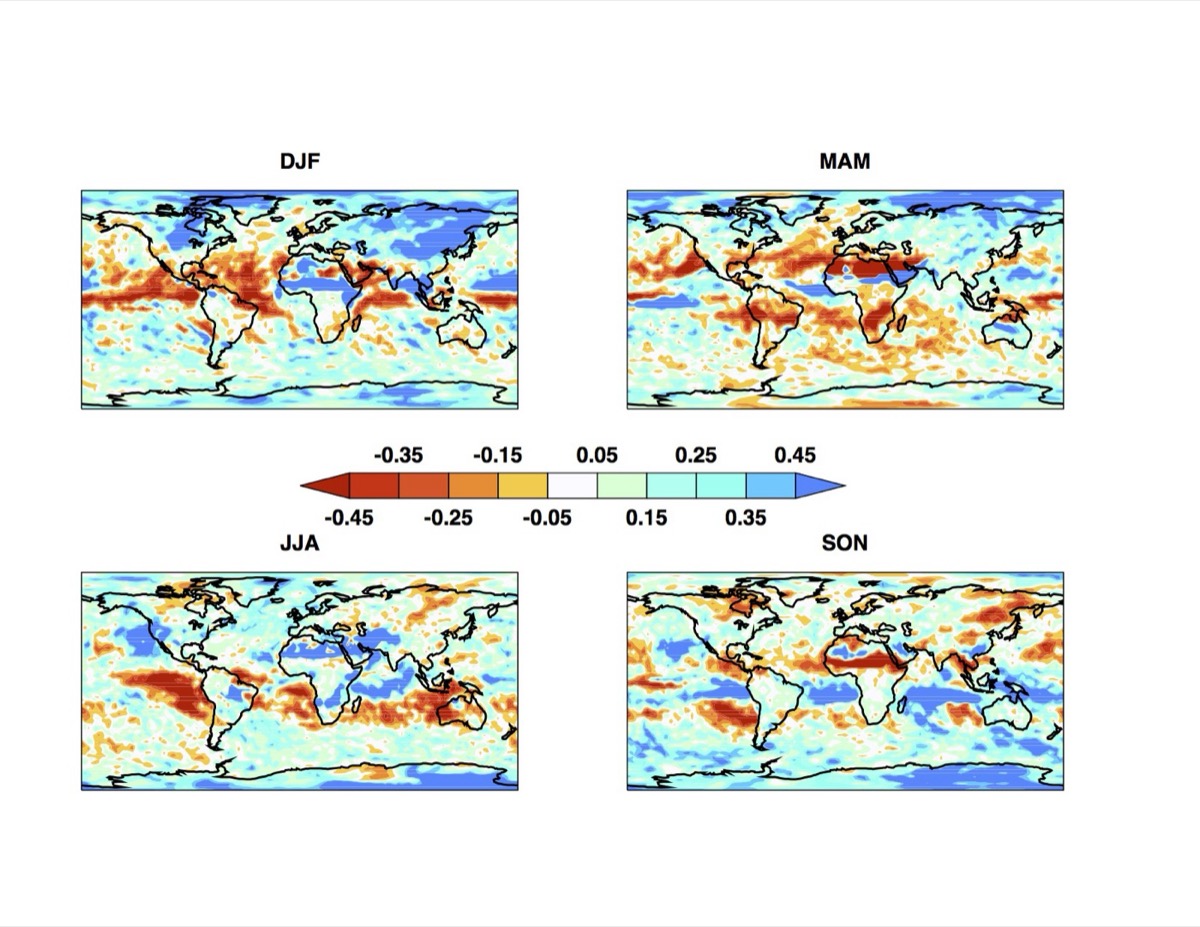
Michael Wehner Analyzes Models for IPCC Report
LBNL’s Michael Wehner received an NSF grant to analyze the results of three new climate models — the Goddard Institute for Space Studies (GISS) model, the Geophysical Fluid Dynamics Laboratory (GFDL) model, and the Community Climate System Model (CCSM3) — to determine their predictive quality. Wehner’s findings were incorporated into the fourth IPCC assessment report, which was published in 2007 and laid the groundwork for a post-Kyoto agreement that focused on limiting warming to 2°C.
Source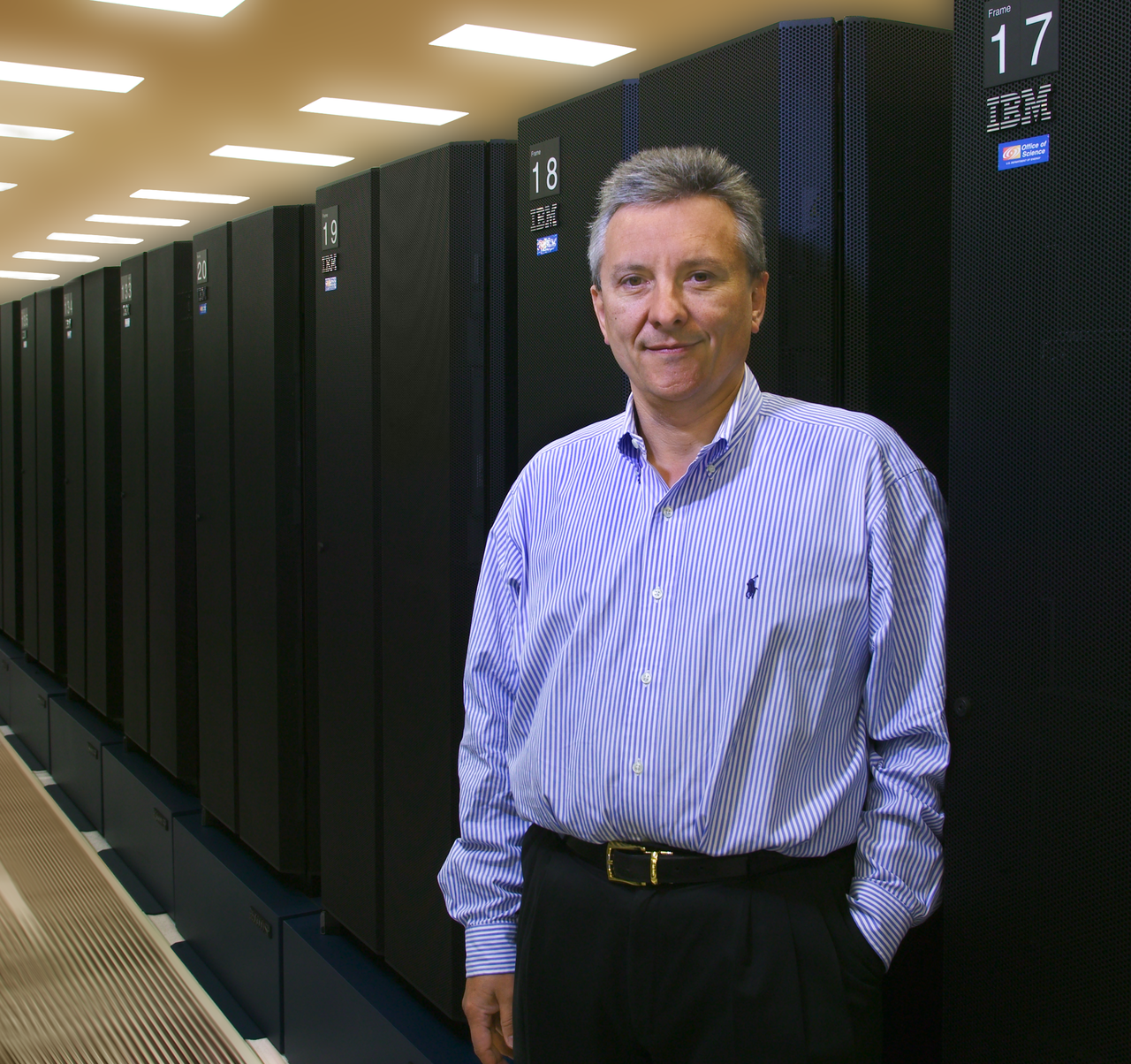
Horst Simon Named Associate Lab Director for Computing Sciences
Horst D. Simon, an internationally recognized expert in high performance computing, was named associate laboratory director for Computing Sciences at the U.S. Department of Energy’s Lawrence Berkeley National Laboratory.
Source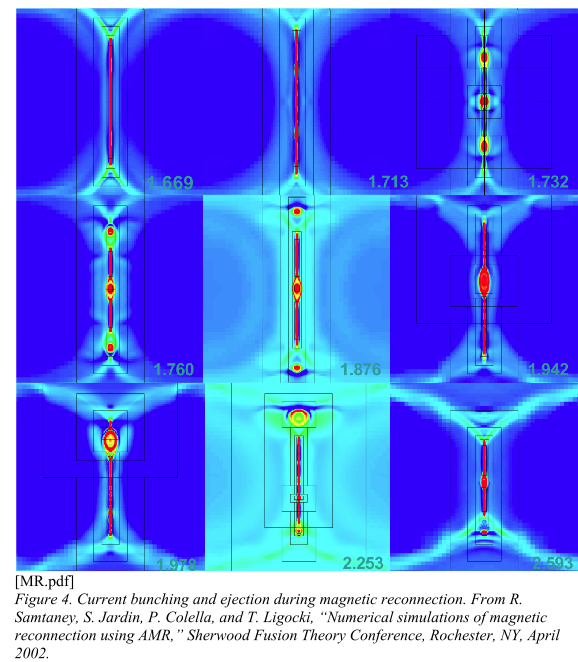
LBNL’s AMR Methods Accelerate Magnetohydrodynamic Discoveries
A chance conversation between LBNL’s Phil Colella and Princeton Plasma Physics Lab’s Steve Jardin led to the development of a fusion simulation code, called AMRMHD, that incorporates LBNL’s CHOMBO code. AMRMHD powered the first simulation demonstrating that the presence of a magnetic field will suppress the growth of the Richtmyer-Meshkov instability when a shock wave interacts with a contact discontinuity separating ionized gasses of different densities. It also discovered current bunching and ejection during magnetic reconnection.
Source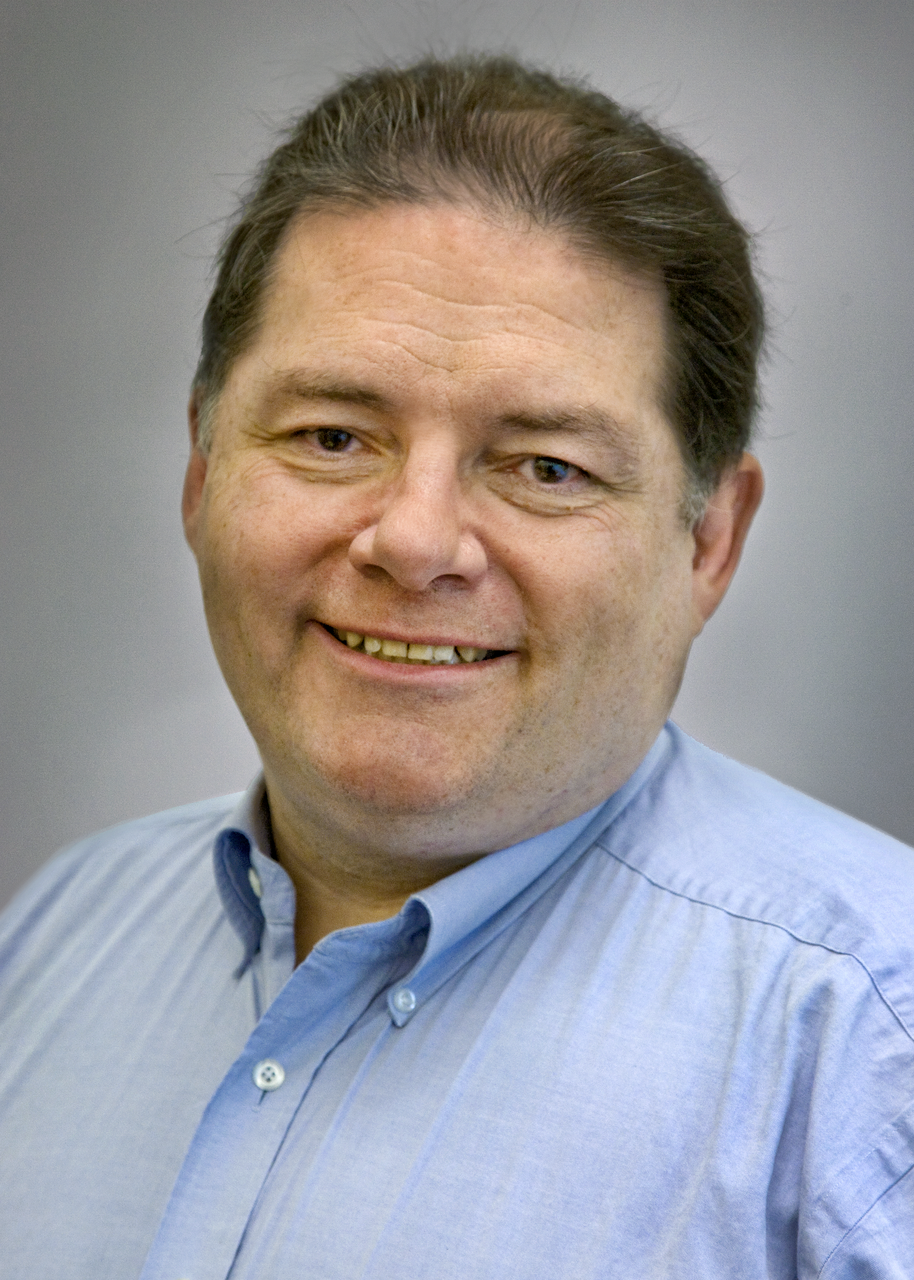
Phil Colella Elected To National Academy Of Sciences
LBNL’s Phillip Colella was elected to the National Academy of Sciences. His primary area of research involves the development of high-resolution schemes and adaptive mesh refinement methods for solving partial differential equations. Colella has also applied computational methods in various scientific and engineering fields, including low-speed incompressible flows, shock wave theory, combustion, magnetohydrodynamics, and astrophysical flows. In 1979, he received a Ph.D. in applied mathematics from UC Berkeley, under the supervision of Alexandre Chorin.
Source
Computing Sheds Light on the Electronic Properties of New Nanostructures
Paul Alivisatos’ group at LBNL used computational techniques developed by CRD researchers to identify the properties of nanostructures coming out of the laboratory. Calculating the electronic properties of nanostructures depends on which compounds are involved, how they are joined, the number and arrangement of their atoms, and their proximity to other structures. The team’s analysis suggests that some new composite forms may have future applications in quantum computers and photovoltaic energy conversion in solar cells.
Source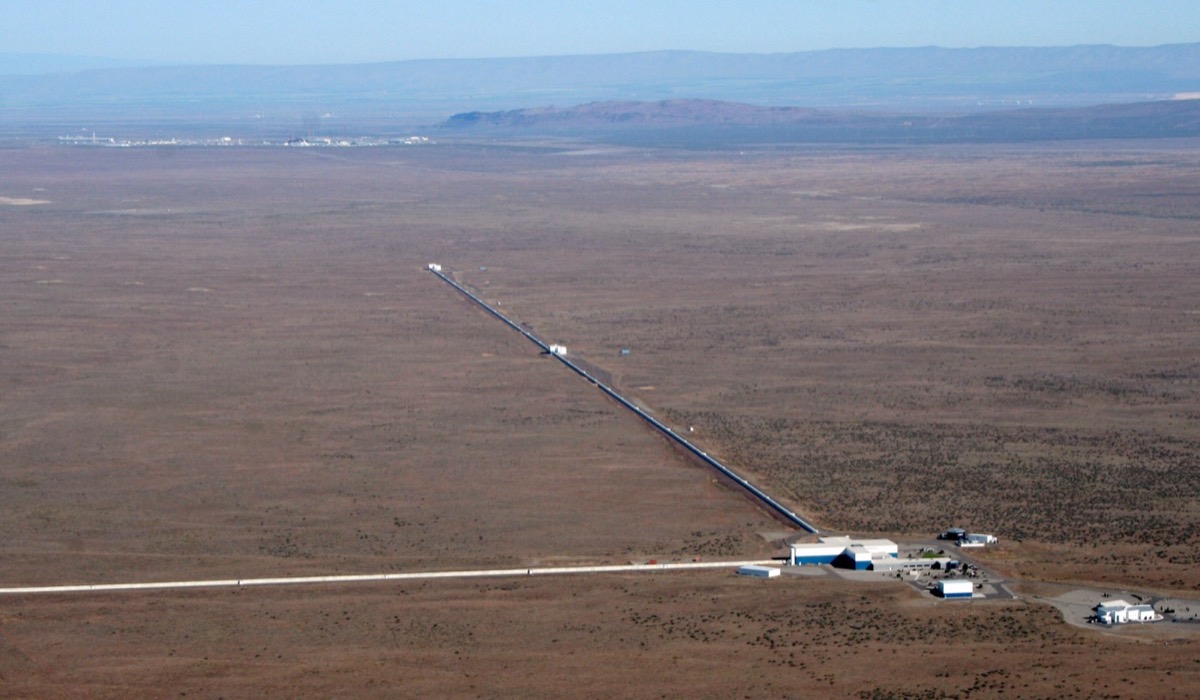
LBNL Software Tools Enhance LIGO Experiment
In 2004, 13 years before the Laser Interferometer Gravitational-Wave Observatory (LIGO) project received the 2017 Nobel Prize in Physics for the first-ever detection of gravitational waves, programming tools developed by the lab’s Secure Grid Technologies Group helped create an efficient system to distribute the experiment’s data. In one case, the Python/Globus tools enabled more than 50TB of data from LIGO to be replicated to nine sites on two continents quickly and robustly.
Source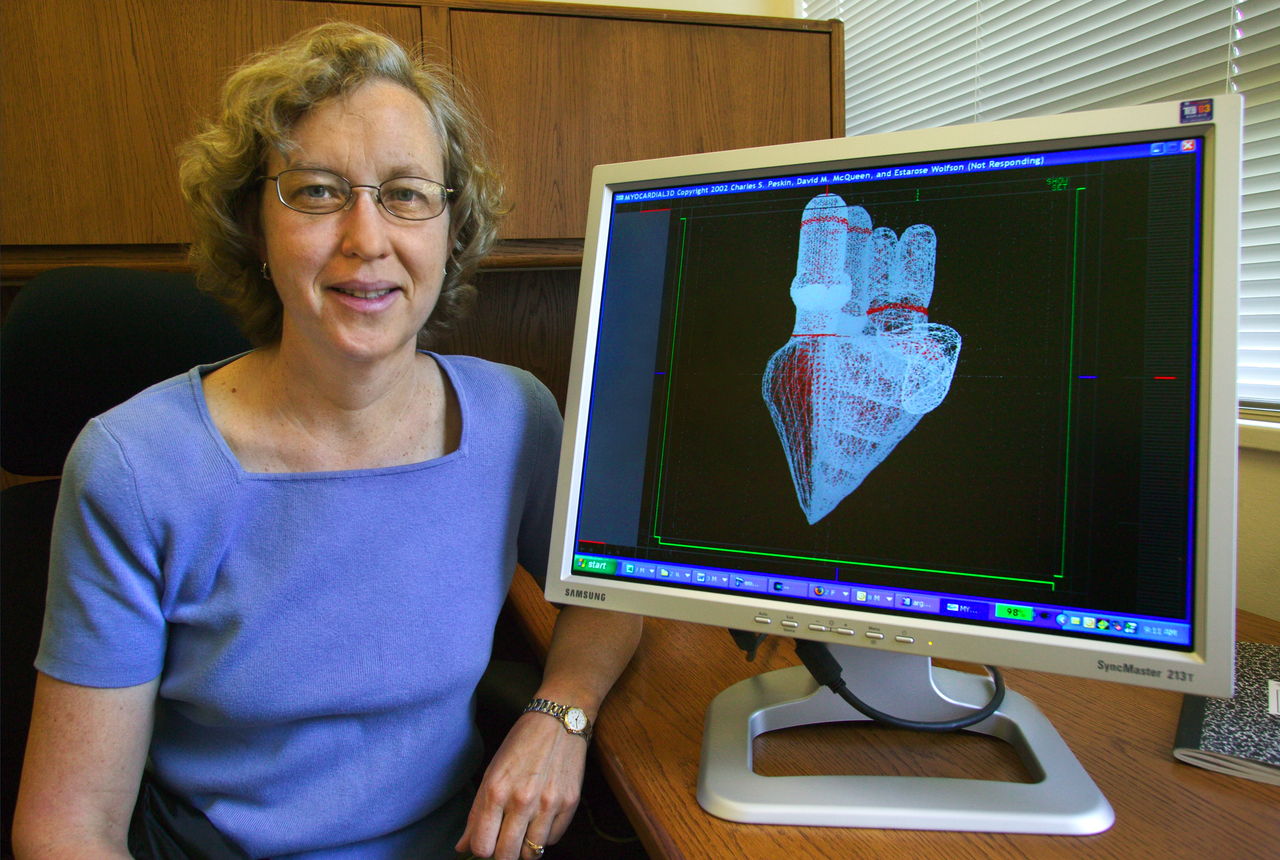
Kathy Yelick Heads New Berkeley Institute for Performance Studies (BIPS)
In high performance computing, “peak performance,” or descriptions of a supercomputer’s maximum ability, doesn’t necessarily provide any insights into the system’s actual performance. So LBNL researchers develop tools and techniques to more accurately assess the performance of supercomputers, especially for running scientific applications. And in 2004, these projects were incorporated into the newly established Berkeley Institute for Performance Studies (BIPS). Kathy Yelick was named BIPS Director and Leader of Computational Research Division’s Future Technologies Group.
Source
DataMover Reaches Milestone with Automated Transfer of 18,000 Files in a Single Request
Amidst the hype and hoopla at the SC2004 conference in Pittsburgh, LBNL's Scientific Data Management Research Group demonstrated the robustness of the group’s DataMover by putting the application through its workaday paces. In doing so, the group reached a milestone when, with a single request, 17,870 data files were moved seamlessly from Brookhaven National Lab in New York to LBNL, both of which are operated by the U.S. Department of Energy.
Source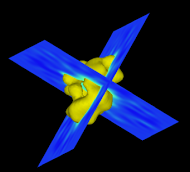
Berkeley Researchers Develop Math Methods to Overcome cryo-EM’s Limitations
Berkeley researchers developed mathematical methods to make single-particle electron cryomicroscopy (cryo-EM) — a technique used to capture the 3D structure of proteins — faster and more accurate. In cryo-EM, a protein is applied to a grid with small holes, so its molecules are evenly distributed throughout the grid. Then the sample is immersed in a solution to freeze the molecules in various orientations; pictures of individual proteins are taken, computationally aligned, and averaged to create a 3D image.
Source
LBNL Becomes Berkeley Lab
Instead of LBNL, Lawrence Berkeley National Laboratory informally began to abbreviate its name as Berkeley Lab.
Software Helps IceCube Researchers Catch Neutrinos
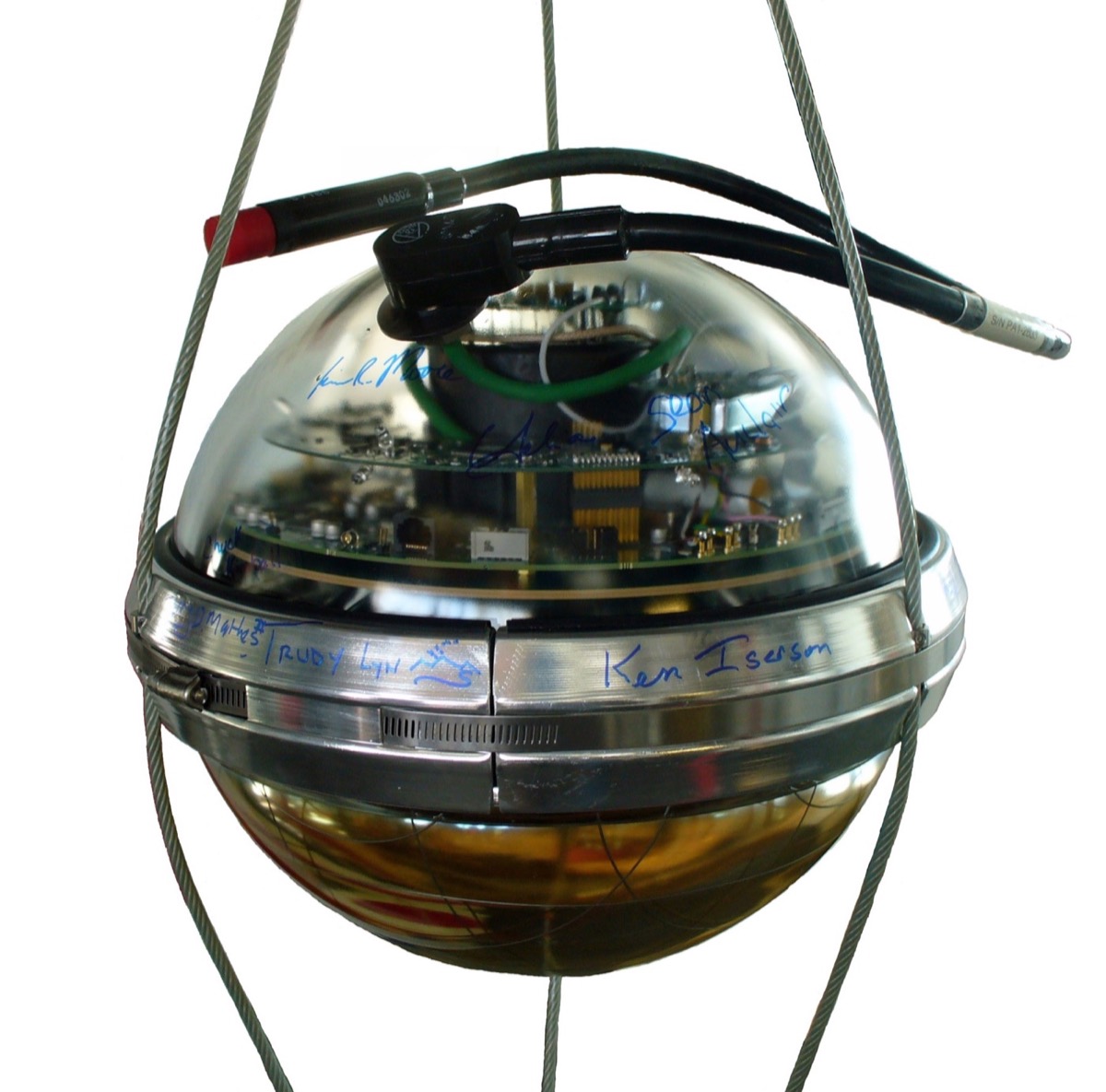
The IceCube Neutrino Observatory hunts for neutrinos that usually pass through normal matter undetected. These elusive subatomic particles could offer a glimpse into the hidden parts of our universe. To catch neutrinos, IceCube relies on Digital Optical Modules (DOMs) buried thousands of meters beneath Antarctic Ice. Developed by Berkeley Lab researchers, the electronics package inside each DOM allows IceCube to pick out the rare signal of a high-energy neutrino colliding with a water molecule.
Source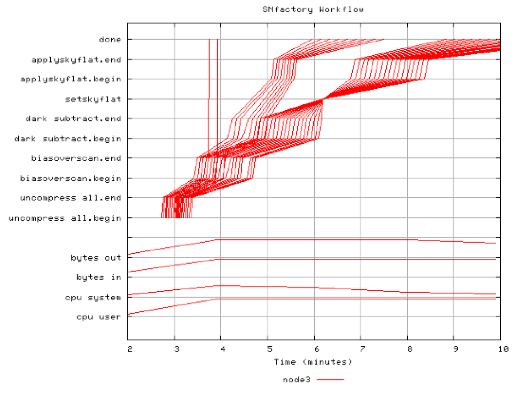
NetLogger Helps Supernova Factory Improve Data Analysis
The Nearby Supernova Factory (SNfactory) sought to measure the accelerating expansion of the universe with nearby Type 1a supernovae. To identify these events, SNfactory used an “automated pipeline” where survey images from NASA’s Near-Earth Asteroid Tracking project—collected nightly near San Diego—traveled via high-speed network to a supercomputer at Berkeley Lab that processed the data and identified promising candidates. To ensure that the data flowed smoothly through the pipeline, SNfactory relied on the Lab-developed NetLogger toolkit.
Source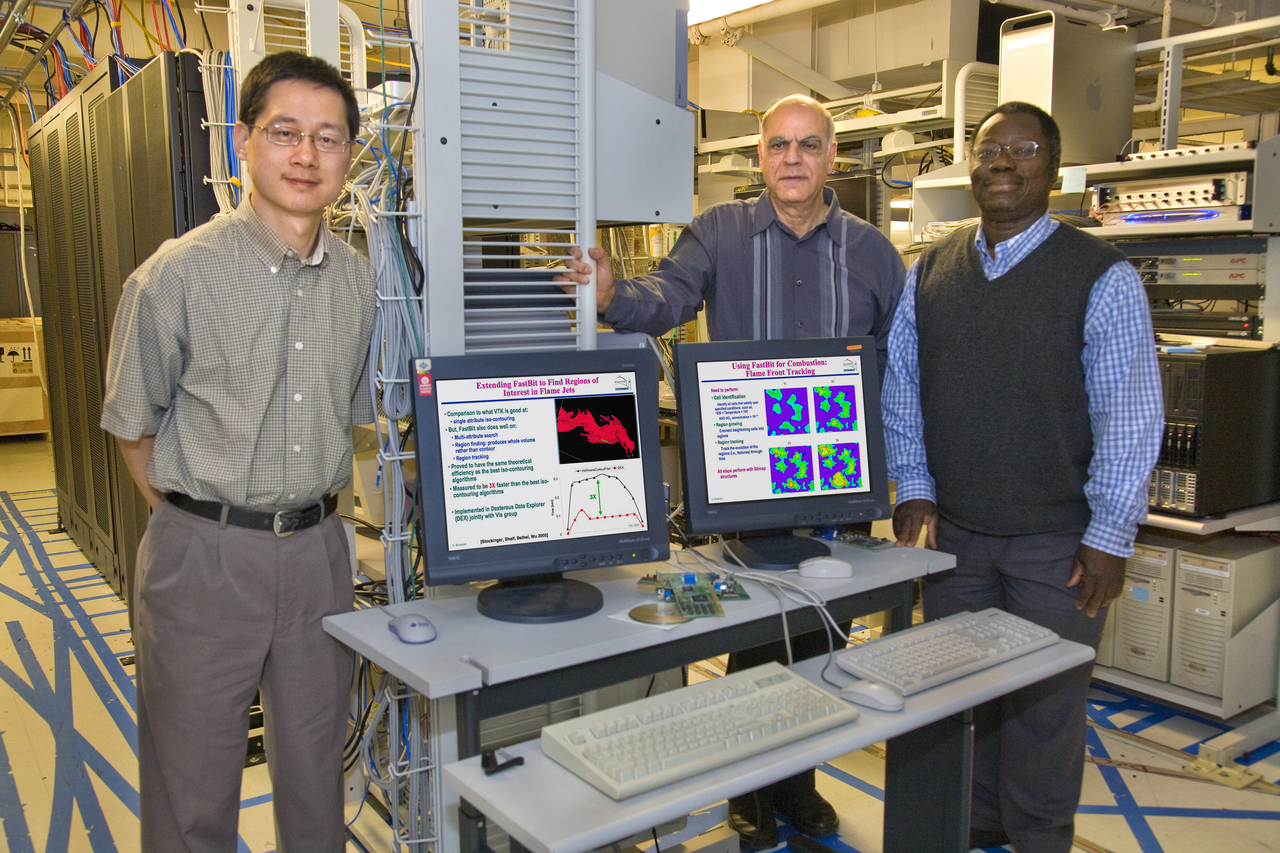
FastBit Dramatically Speeds Searches of Large Databases
Indexing methods are used by database management systems to provide fast query processing. While indexing methods can make it easier to search the data, indexes themselves—especially bitmap indexes—require a lot of storage. If the index becomes too large, it’s unusable; and compressing indexes may slow search operations. So Berkeley Lab researchers developed the Word-Aligned Hybrid (WAH) method, used in the FastBit software, that can compress bitmap indexes and perform much faster searches than existing methods.
Source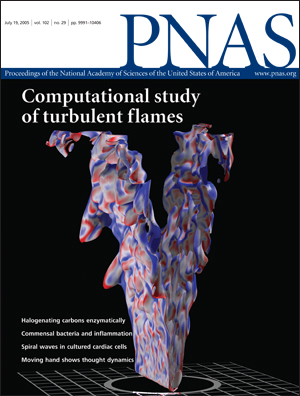
First Simulation of Lab-Scale Combustion Makes PNAS Cover
Using a novel mathematical approach, Berkeley Lab researchers successfully modeled a three-dimensional turbulent rod-stabilized premixed methane V-flame flame that was about 12 cm high, consisted of 19 chemical species, and 84 fundamental chemical reactions, producing results that could be compared directly with experimental diagnostics. Until this achievement, most other combustion simulations without turbulence models were limited to only two dimensions, to scales less than a centimeter, or to just a few chemical species and reactions.
Source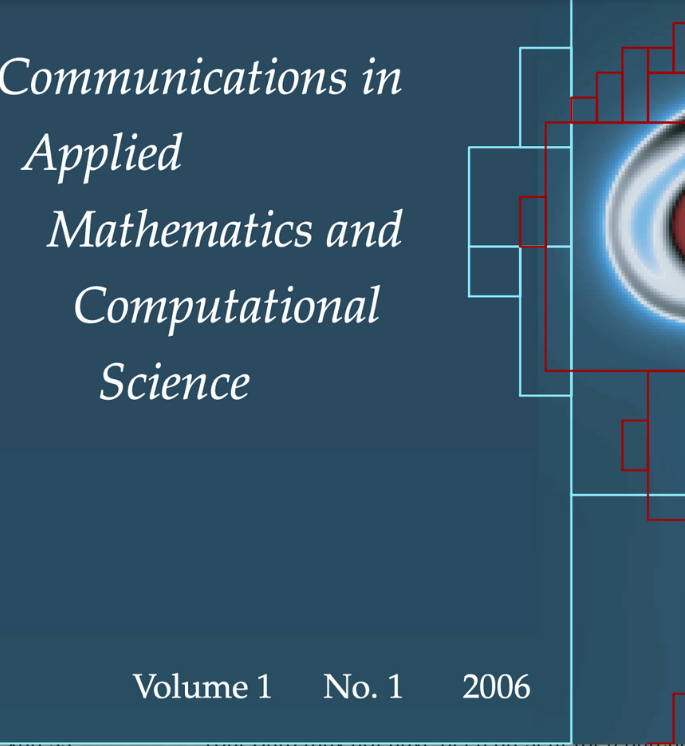
Berkeley Lab Mathematicians Launch New Journal
Four Berkeley Lab mathematicians – John Bell, Alexandre Chorin, Phil Colella, and James Sethian – were members of the editorial team that launched Communications in Applied Mathematics and Computational Science (CAMCoS). The journal publishes high-quality original contributions to applied mathematics and computational science, with an emphasis on work where both the mathematics and the algorithms are of interest and where the mathematical outlook is at least partially new.
Source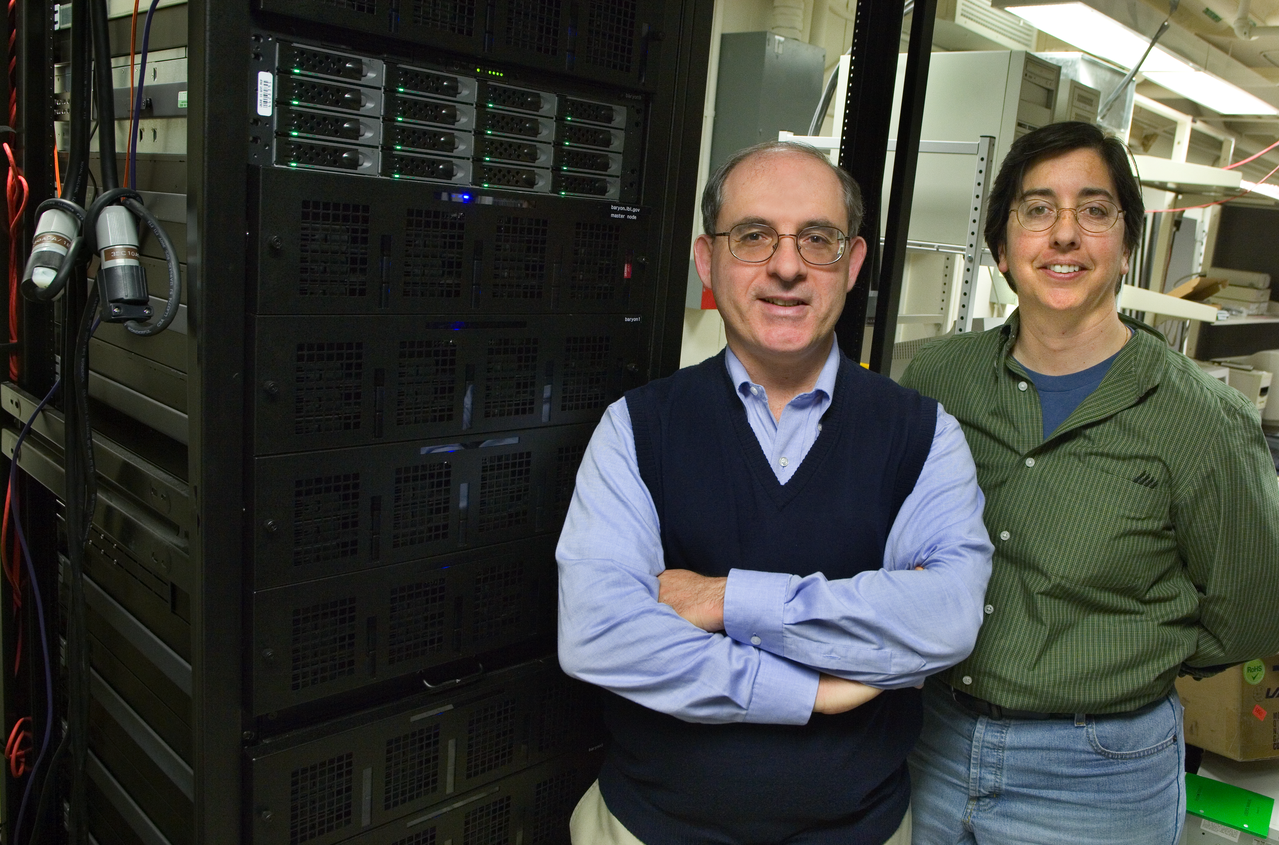
Researchers Build Keck Remote Observing Facility at Berkeley Lab
Berkeley Lab’s Deb Agarwal and Craig Leres built the Keck Remote Observing Facility, a room in Building 50B filled with computers that allowed researchers to control telescopes located 3,800 miles away in Mauna Kea, Hawaii. It was first used in October 2005. “Not so long ago we’d have to send two or three people to Hawaii for one night’s observing, an expert and trainees. Now we’re sending one,” said Berkeley Lab Physicist Tony Spadafora.
Source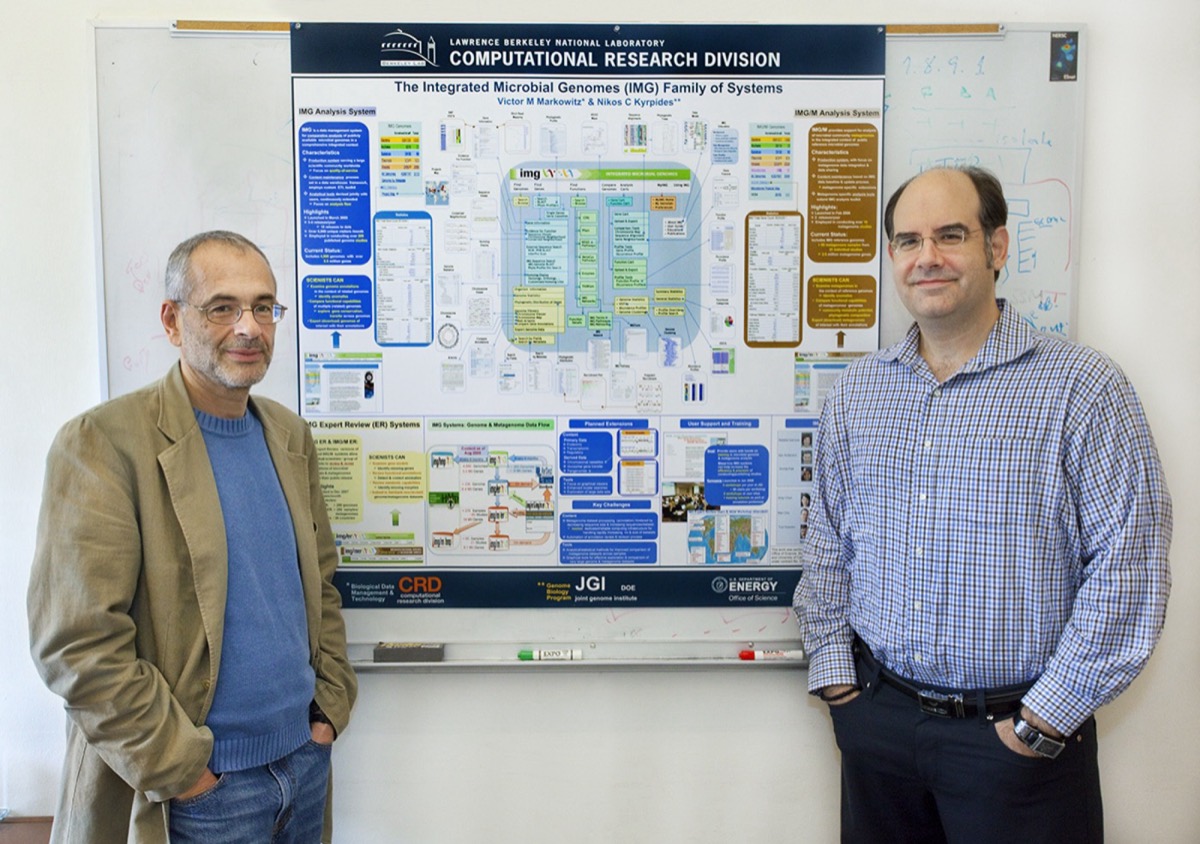
Integrated Microbial Genomes (IMG) Data Management System Launches
In 2005, the Integrated Microbial Genomes (IMG) data management system was launched to support the comparative analysis of genomes sequenced at the Department of Energy’s Joint Genome Institute (JGI). Initially, IMG had only a few registered users and contained about 3,000 genomes. But in a decade, it would become one of the largest public data management and analysis systems for microbial genome and metagenome datasets. IMG was jointly developed by CRD and JGI researchers.
Source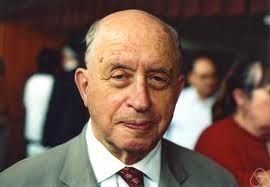
Grigory Isaakovich Barenblatt Wins Timoshenko Medal
The American Society of Mechanical Engineers presented Grigory Isaakovich Barenblatt of Berkeley Lab’s Mathematics Group with the Timoshenko Medal “for seminal contributions to nearly every area of solid and fluid mechanics, including fracture mechanics, turbulence, stratified flows, flames, flow in porous media, and the theory and application of intermediate asymptotics.” Barenblatt’s work examined the effects of turbulence in areas ranging from aircraft design to the formation of hurricanes.
Source
John Bell Receives Sidney Fernbach Award
John Bell was named as the recipient of the 2005 Sidney Fernbach Award for outstanding contributions to the development of numerical algorithms, mathematical and computational tools, and on the application of those methods to conduct leading-edge scientific investigations in combustion, fluid dynamics, and condensed matter.
Source
Production Starts on Microbial Metagenome Data Analysis System
Researchers in Berkeley Lab’s Biological Data Management and Technology Center and Joint Genome Institute extended their Integrated Microbial Genomes (IMG) system with the ability to integrate and analyze metagenome data, a collection of genetic material (genomes) from a mixed community of organisms. The new system, called IMG/M, provided immediate support for metagenomics studies at JGI. IMG/M was the first publicly available metagenome data management and analysis system.
Source
Vern Paxson Receives SIGCOMM’s Inaugural Test of Time Award
Berkeley Lab’s Vern Paxson received the inaugural Test of Time Award from the Special Interest Group on Data Communications (SIGCOMM) of the Association for Computing Machinery (ACM) for his 1996 paper developing a measurement methodology to effectively collect and assess the performance of the Internet, even though the data came from stations sitting at the edge — instead of the center — of the network.
Source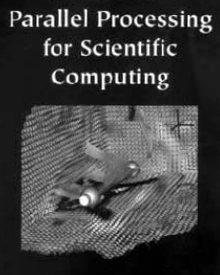
Lab Researchers Contribute to a Definitive Book on Parallel Processing
The book ”Parallel Processing for Scientific Computing,” co-edited by Berkeley Lab’s Horst Simon, explored the technologies used to generate increasingly complex models from parallel computers, often consisting of thousands of processors. Berkeley Lab’s Lenny Oliker and David Bailey contributed to Chapter 5, “Performance Evaluation and Modeling of Ultra-Scale Systems,” Ali Pinar co-wrote Chapter 7, “Combinatorial Parallel and Scientific Computing,” and Esmond Ng was the author for Chapter 9, “Parallel Sparse Solvers, Preconditioners, and Their Applications.”
Source
Paul Concus Honored with AIAA Award
Berkeley Lab’s Paul Concus was awarded the 2007 American Institute of Aeronautics and Astronautics (AIAA) Space Processing Award for outstanding fundamental contributions to the understanding of gravitational effects on liquid/vapor interface behavior.
Source
The Landscape of Parallel Computing Research: A View from Berkeley
The switch to parallel microprocessors was a milestone in computing history. The conventional wisdom was to double the number of cores on a chip with each silicon generation, and the industry had a roadmap for multicore designs that preserved the programming paradigm of the past. In “The Landscape of Parallel Computing Research: A View from Berkeley,” Berkeley Lab researchers wrote that this approach to parallel hardware and software is likely to face diminishing returns.
Source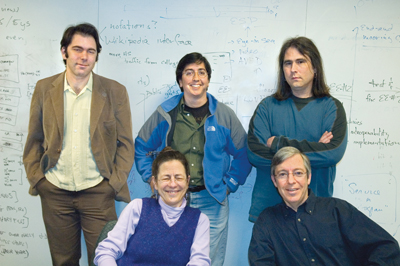
Berkeley Researchers Help Smooth Flow of Water Data
Local and federal governments collect information about water supplies, measuring rivers and snows, to make allocations for farms, businesses, and residents. But agencies use different methods to collect and archive data, which poses a challenge for scientists who need to retrieve and integrate those datasets to perform analyses. E-Science, a collaboration between Berkeley Lab, Microsoft, and UC Berkeley, sought to ease that headache with a server that allows researchers to find and plot cross-network data.
Source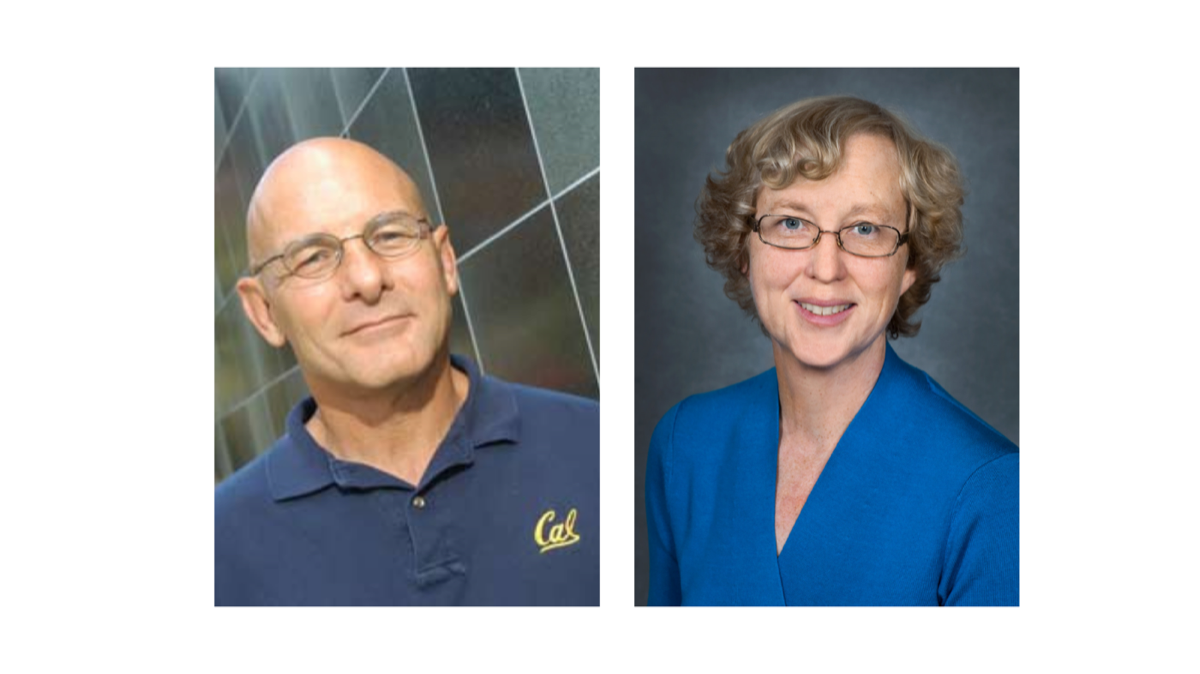
Lab Researchers Lead Parallel Computing Research Center at UC Berkeley
Berkeley researchers led the Universal Parallel Computing Research Center (UPCRC) at UC Berkeley, one of the first big joint industry and university research alliances in the United States that focused on accelerating developments in parallel computing and advancing the benefits of multicore processing to mainstream consumer and business computers. The UPCRC at Berkeley was created in a partnership with Intel and Microsoft.
Source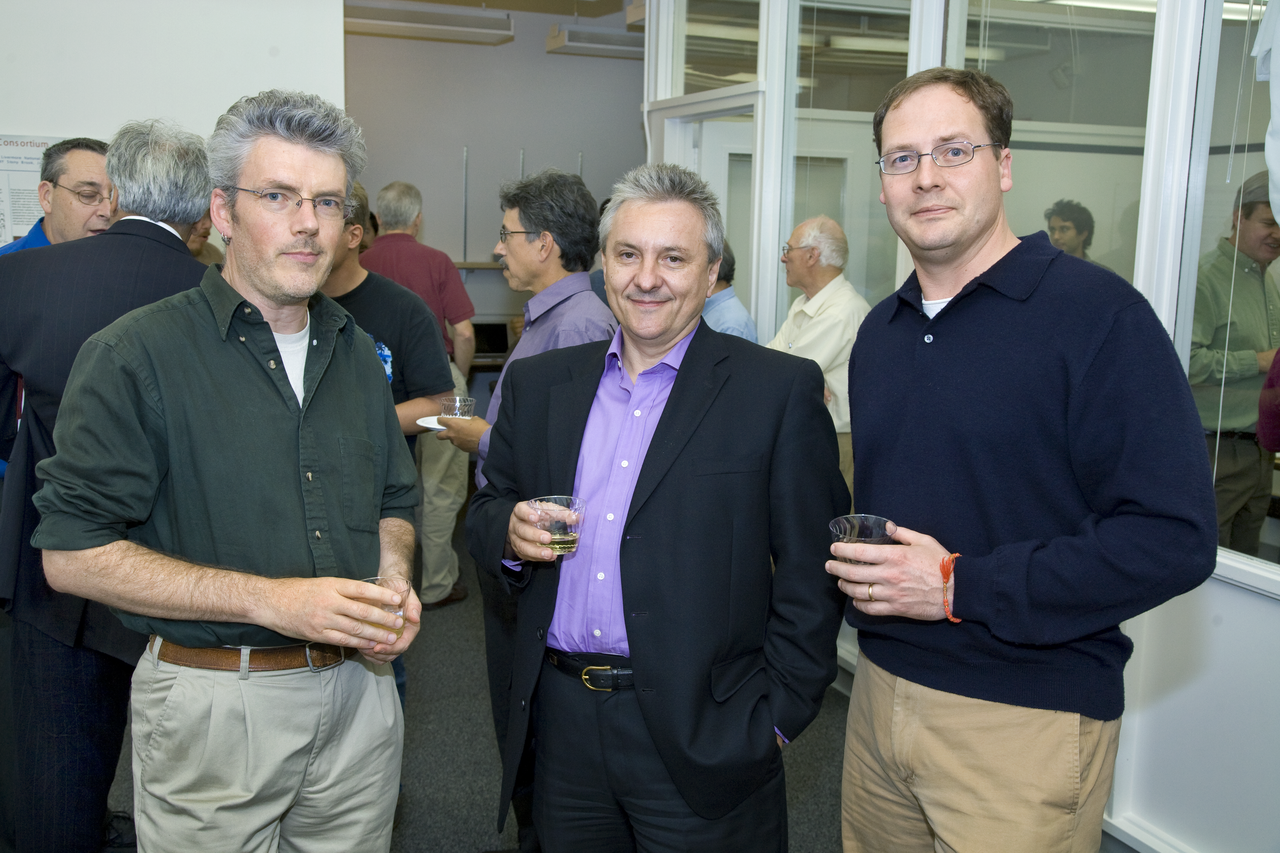
Computational Cosmology Center (C3) Launches to Study Cosmic Mysteries
In 2007, computational science and physics researchers gathered to celebrate the launch of the Computational Cosmology Center (C3), which further cemented a decades-long collaboration between two Berkeley Lab divisions for studying dark energy and other mysteries of the universe. The center was initially co-led by Julian Borrill and Peter Nugent and originally comprised six researchers from the Computational Research and Physics Divisions, as well as UC Berkeley.
Source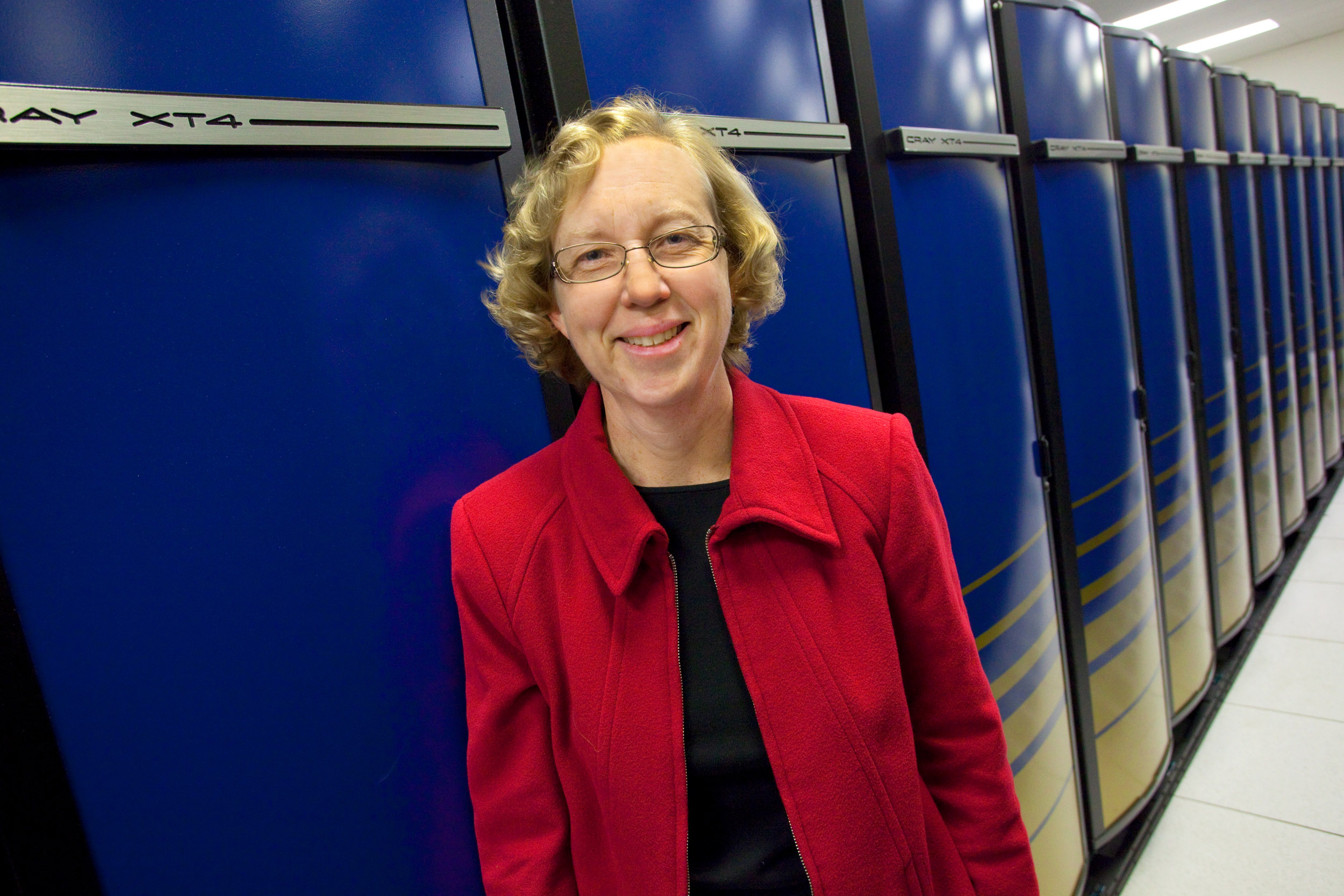
Kathy Yelick Appointed Director of NERSC
In January 2008, internationally recognized computer science expert and UC Berkeley professor Kathy Yelick officially became the director of the National Energy Research Scientific Computing Center (NERSC). She succeeded Horst Simon to take the helm as the fifth director of the Department of Energy's flagship unclassified computing center.
Source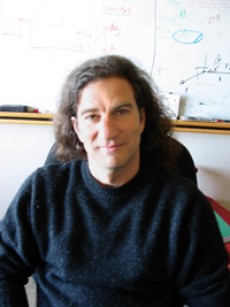
James Sethian Elected to National Academy of Engineering
James Sethian was elected to the National Academy of Engineering; cited “for the development of efficient methods of tracking moving interfaces.” Sethian’s research has led to the development of level set methods and a host of other techniques to track interfaces in various settings. His work has many applications, including fluid mechanics, combustion, manufacturing of computer chips, computer animation, image processing, and understanding the structure of snowflakes and soap bubbles.
Source
Vern Paxson Honored with ACM’s Grace Murray Hopper Award
Berkeley Lab’s Vern Paxson was recognized for his research in measuring and characterizing traffic on the Internet with the ACM Grace Murray Hopper Award. In its announcement, ACM noted “Paxson’s Ph.D. thesis — a tome at over 400 pages — is one of the only dissertations that was (and still is) widely read by other researchers in the networking community.”
Source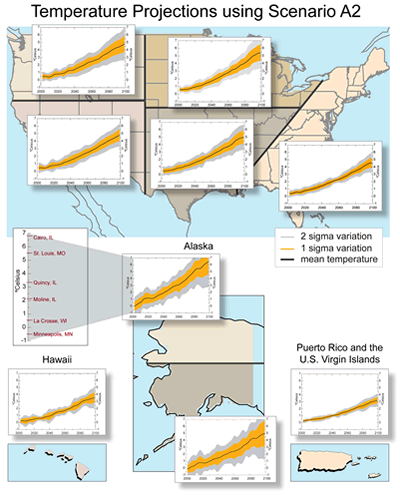
The Impact of Climate Change on Transportation
Two National Research Council reports—containing research by Berkeley Lab’s Michael Wehner—noted that climate change will affect every mode of transportation in the U.S., the greatest impact on flooding of roads, railways, transit systems, and airport runways in coastal areas because of rising sea levels and surges brought on by more intense storms. It also suggests that significant changes in planning, design, construction, operation, and maintenance of transportation systems are needed to accommodate for changing climate.
Source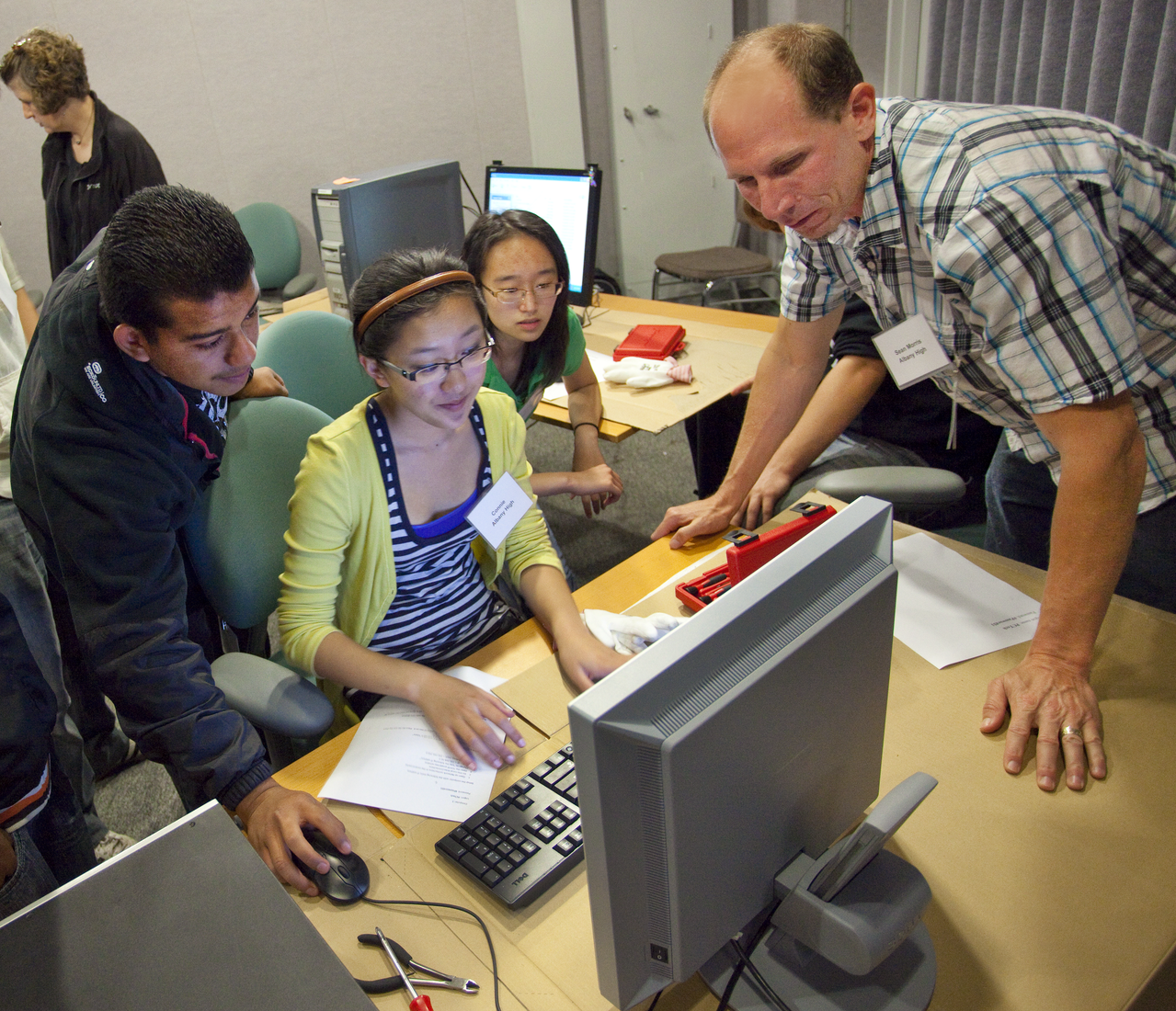
Computing Sciences Launches Diversity Committee
Berkeley Lab researchers formed the Computing Sciences Diversity Committee to provide a forum for researchers and other staff to brainstorm and carry out ideas that promote diversity. The committee focuses on increasing diversity and encouraging K-12 students to study and pursue careers in math, science, and engineering. In addition to student outreach efforts, the committee also aims to promote the hiring and retention of women and underrepresented staff at Berkeley Lab.
Source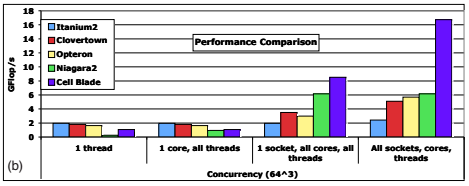
Optimizing Scientific Codes for Multicore Computing
As the computing industry began adding more cores to a chip to boost performance, Berkeley Lab researchers explored how scientific computing could take advantage of these multicore supercomputers. In 2008, they developed a code generator to efficiently optimize the popular Lattice Boltzmann code to deliver better performance on multicore supercomputers. This code is used to model turbulence in magnetohydrodynamics simulations that are vital to understanding a range of physics phenomena, from star formation to magnetic fusion.
Source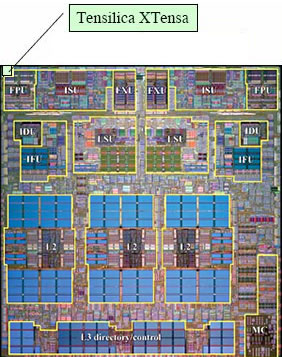
A New Breed of Supercomputer to Improve Climate Predictions
Berkeley Lab’s Michael Wehner, Lenny Oliker, and John Shalf suggested a novel class of supercomputers for modeling climate conditions. To design a cost-effective machine for running these models, they proposed connecting low-power embedded microprocessors with optimized links and then tuning the system to the requirements of highly parallel applications like climate modeling. Berkeley Lab even signed a collaboration agreement with Tensilica® to explore these new design concepts for energy-efficient high-performance scientific computer systems.
Source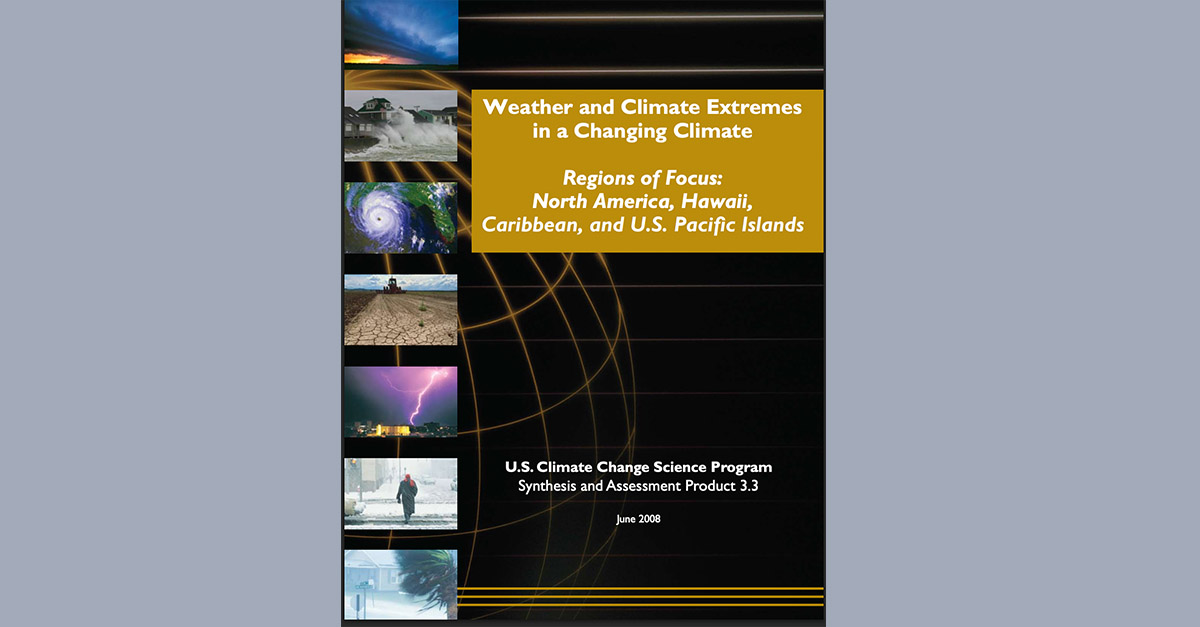
North America Faces More Extreme Heat From Global Warming
Climate Modeling Researcher Michael Wehner was a lead contributor on the first scientific assessments to provide a comprehensive analysis of observed and projected changes in weather and climate extremes in North America and U.S. territories. In a warming world, researchers found that droughts, heavy downpours, excessive heat, and intense hurricanes were likely to become more commonplace. And these events would change in intensity, duration, frequency, and geographic extent of weather and climate extremes.
Source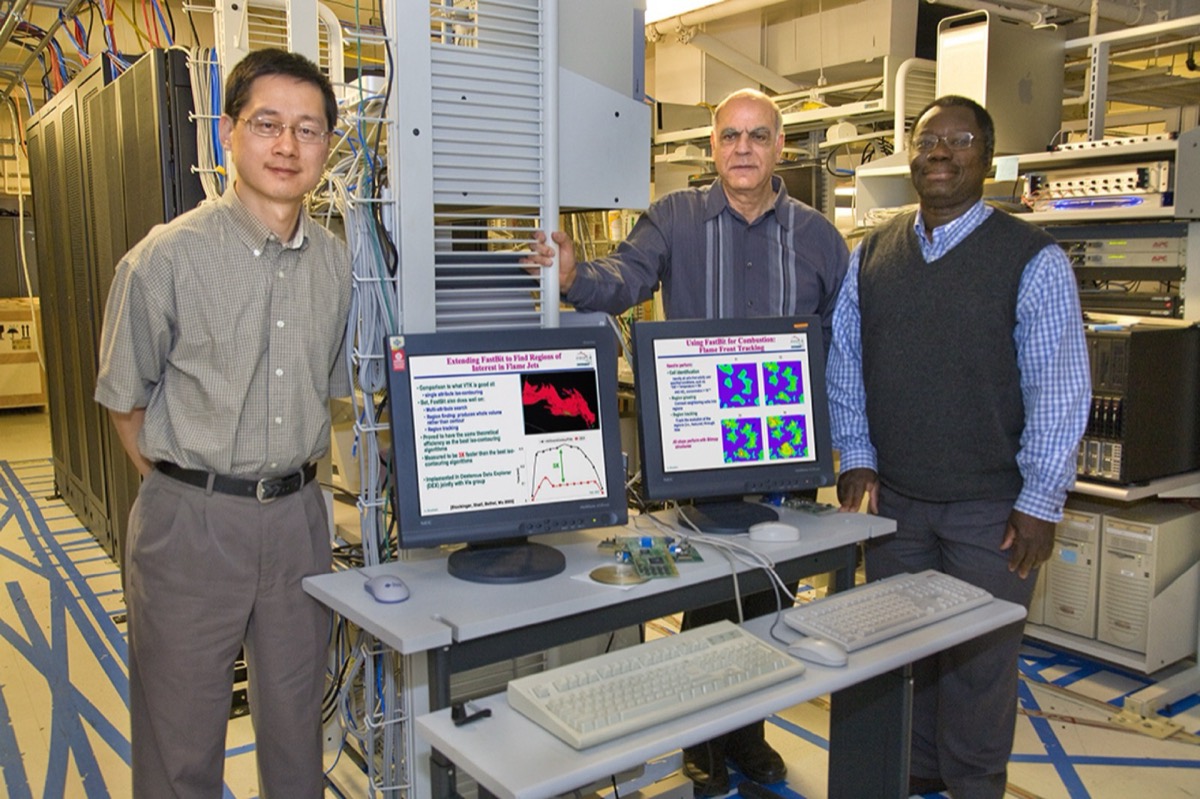
FastBit Wins 2008 R&D 100 Award for Technology Advances
Berkeley Lab’s Kesheng “John” Wu, Arie Shoshani, Ekow Otoo, and Kurt Stockinger won a 2008 R&D 100 Award for their FastBit indexing technology, which accelerated search operations of massive databases. FastBit improved the speed of drug-discovery software at the University of Hamburg, Germany, and the matching between web page content and advertisements at Yahoo! Research. A FastBit-enabled grid-based analysis of high-energy physics data also received an award from the 2005 International Supercomputer Conference.
Source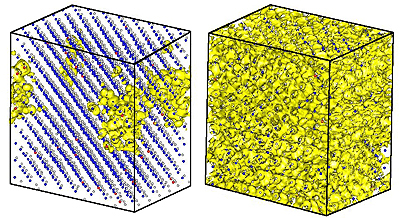
Lab Researchers Win Gordon Bell Prize for Algorithm Innovation
Berkeley Lab researchers won an ACM Gordon Bell Prize for special achievement in high performance computing for the Linear Scaling Three Dimensional Fragment (LS3DF) method, which uses a “divide-and-conquer” technique to efficiently gain insights into how nanostructures function in systems with 10,000 or more atoms. The prize, presented in a special category for algorithm innovation, was announced at SC08 in Austin, Texas.
Source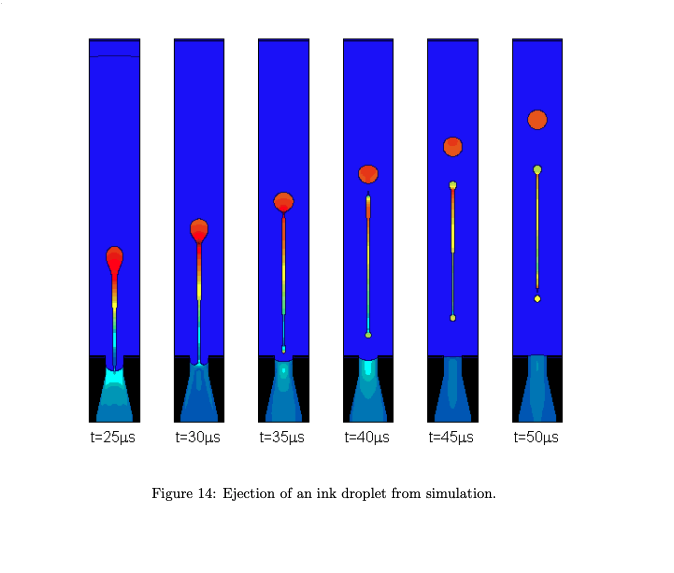
Industrial Printing Made More Efficient
Berkeley Lab Mathematician James Sethian and his collaborators Jiun-Der Yu and Shinri Sakai of Epson Corporation introduce a new mathematical and algorithmic approach to model industrial inkjet plotters. These simulations are used to design and tune nozzle design and electromechanical mechanisms to optimize the efficiency of industrial printing.
Source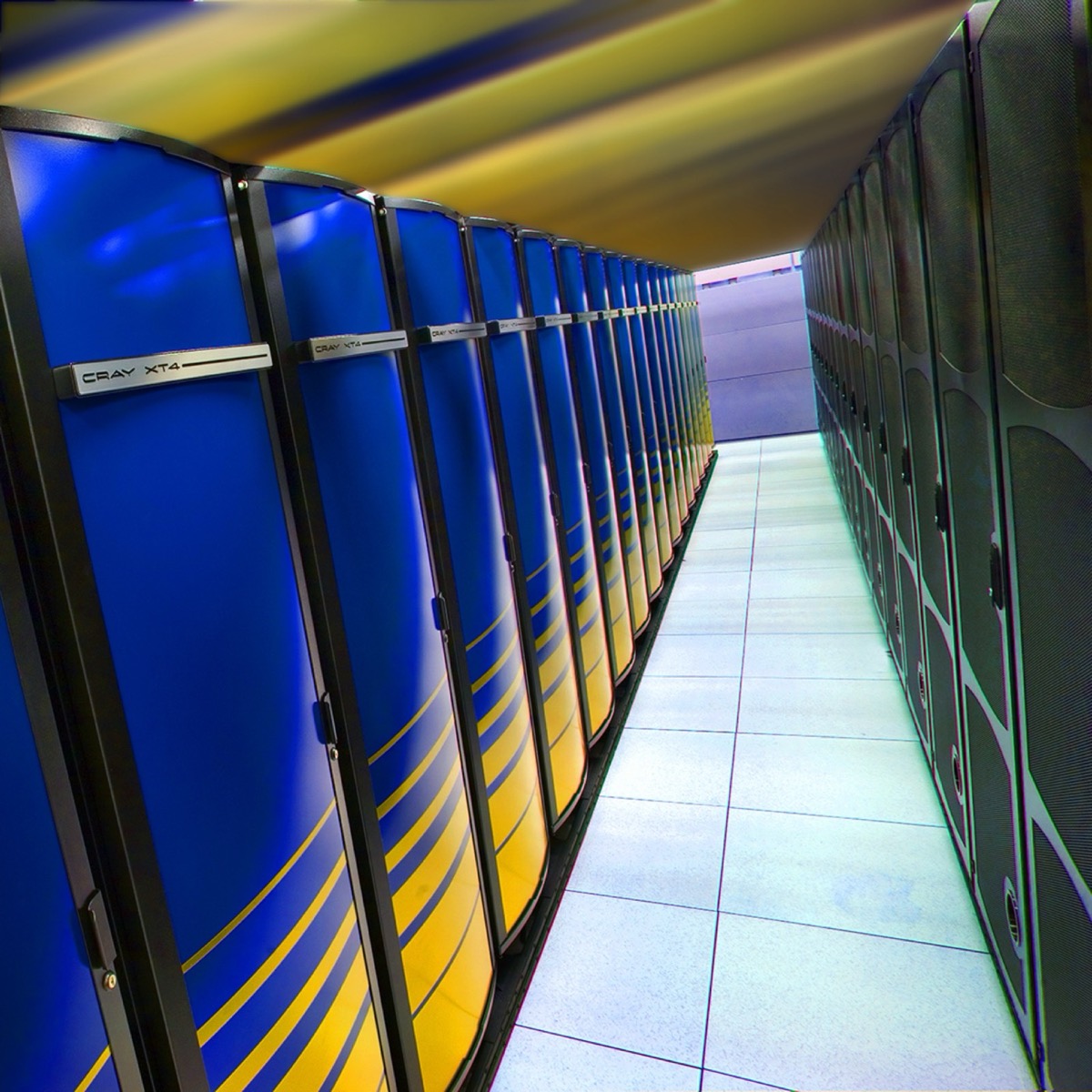
New Checkpoint Restart for Linux
The new version of Berkeley Lab Checkpoint Restart software, released in January 2009, allows scientists running extensive calculations on a supercomputer to recover from a crash — if they are running on a Linux system. This open-source software preemptively saves the state of applications using the Message Passing Interface. Automatic checkpoints are taken every few hours to ensure that in case of a hardware malfunction, work can resume from the last checkpoint instead of the beginning.
Source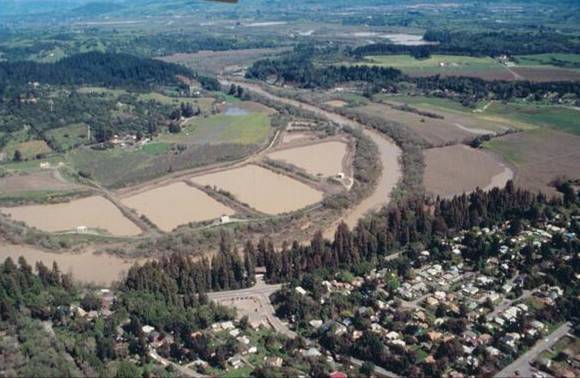
Lab Tools Mobilize Local Data to Study Global Environmental Issues
As scientists strive to develop strategies for guarding water supplies, protecting endangered species, and curbing greenhouse gases, many are turning to innovative cyberinfrastructures and data mining tools developed by Berkeley Lab researchers. With these tools, public policy researchers can easily access and work with water and environmental datasets collected by Berkeley Water Center experts. Researchers studying CO2 exchange between plants and soil can browse data and reports and collaborate via the Fluxnet Scientific Data Server.
Source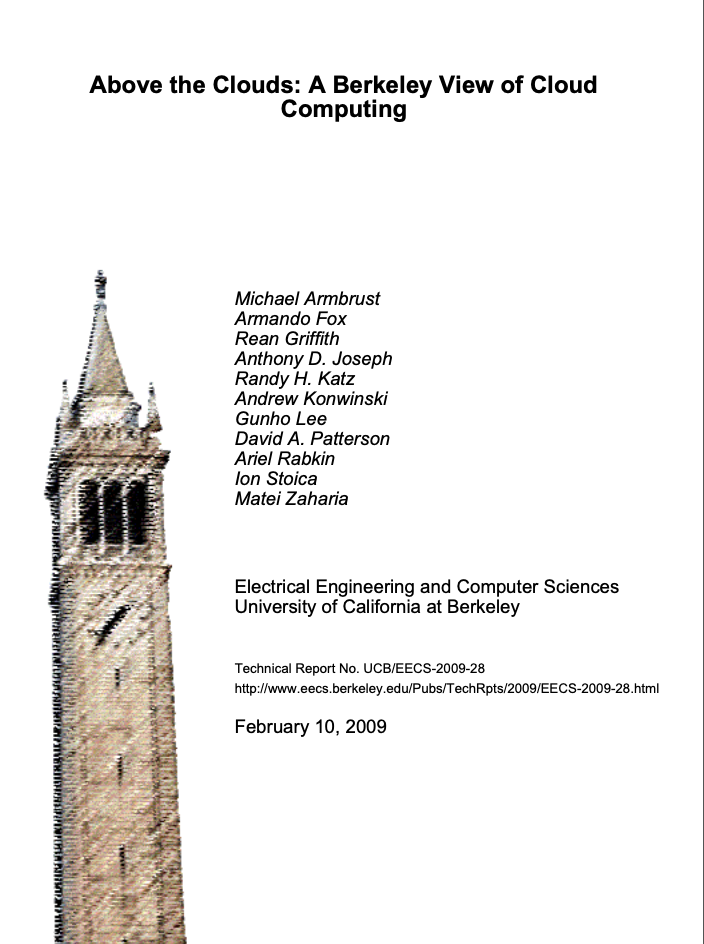
Above the Clouds: A Berkeley View of Cloud Computing
Berkeley Lab researchers contributed to “Above the Clouds: A Berkeley View of Cloud Computing,” a report about the impact and future directions of cloud computing. The authors wrote that cloud computing could transform a large part of the information technology industry. They presented an economic model that quantified the key buy vs. pay-as-you-go decision, offered a spectrum to classify providers, and listed the top 10 obstacles and opportunities to its growth.
Source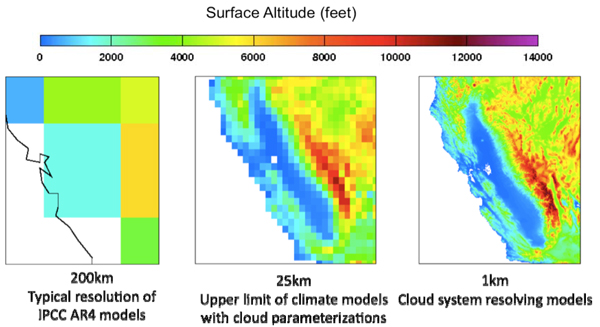
Green Flash Project Runs First Prototype Successfully
Berkeley Lab’s Green Flash project, developed to explore the feasibility of building a new class of energy-efficient supercomputers for climate modeling, successfully reached its first milestone by running the atmospheric model of a full climate code on a logical prototype of a Green Flash processor. The prototype was designed in collaboration with Tensilica, Inc. Green Flash was first proposed publicly in the 2008 paper “Towards Ultra-High Resolution Models of Climate and Weather.”
Source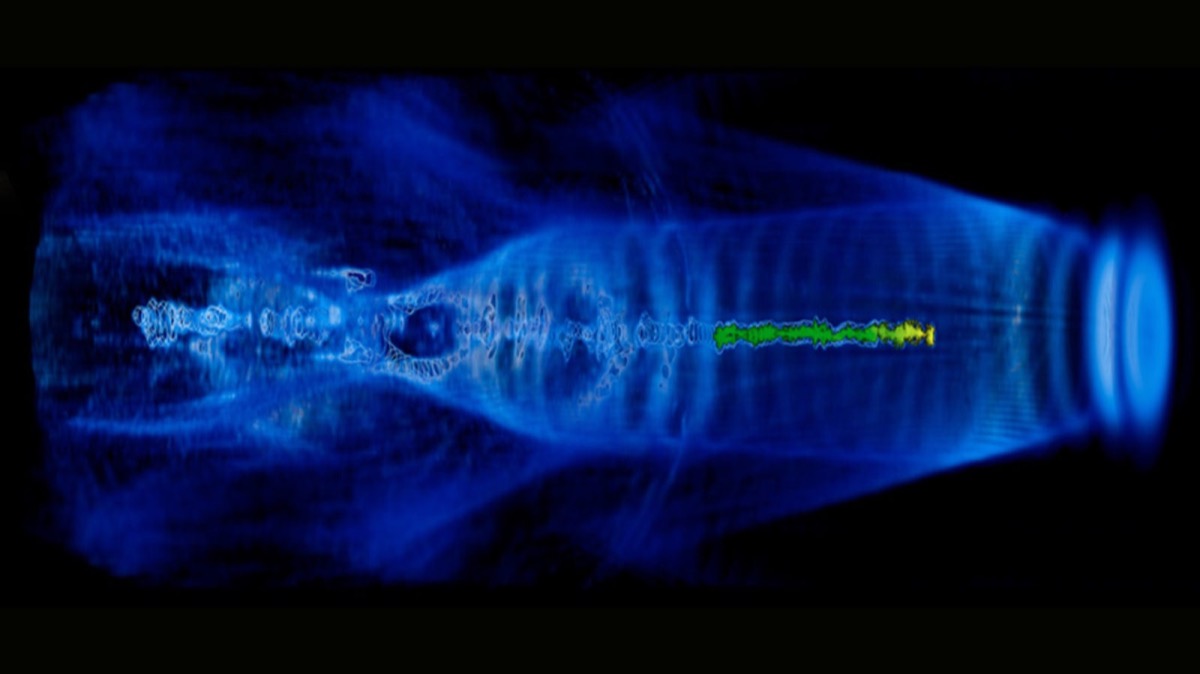
Deciphering Science from Compact Accelerator Simulations
As Berkeley Lab researchers developed laser-plasma accelerators (LPAs)—machines compact enough to sit on a tabletop and produce accelerating fields up to 10,000 times greater than conventional accelerators—they collaborated with colleagues from CRD and NERSC to better understand the fundamental physics that drive the instrument. Whereas a conventional accelerator like SLAC stretches miles long and relies on radiofrequency fields to accelerate electrons, LPAs speed up electrons by getting them to “surf” on a plasma wave.
Source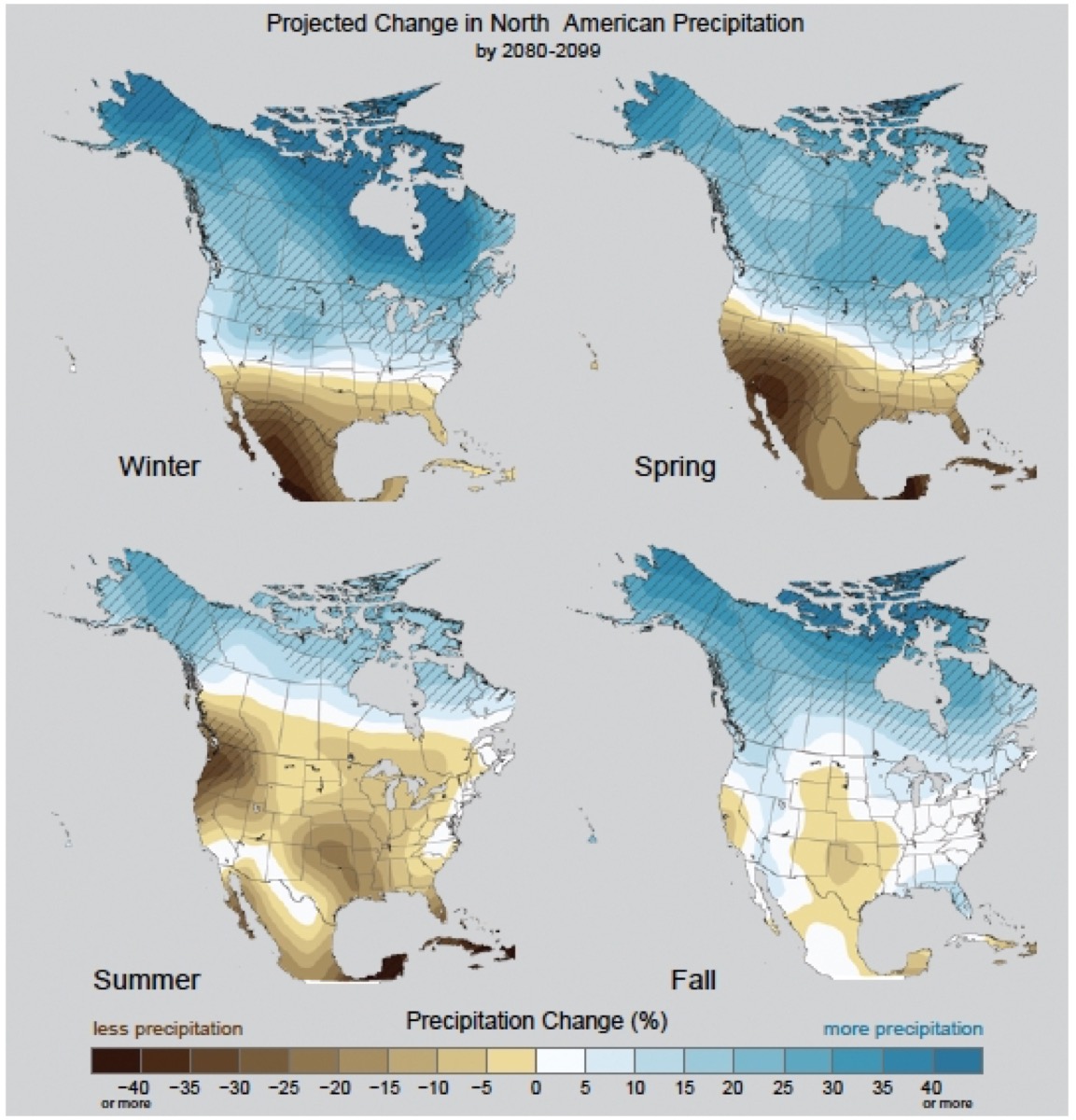
Berkeley Lab Scientists Contribute to Major New Report Describing Climate Change Impacts on the U.S.
The multi-agency U.S. Global Change Research Program’s “Global Climate Change Impacts in the United States” report explored how climate change could impact U.S. rainfall patterns, drought, wildfire, Atlantic hurricanes, and effects on food production, fish stocks, and other wildlife, energy, agriculture, water supplies, and coastal communities. Berkeley Lab researchers contributed to the report, which predicted a hotter, drier climate with significant effects on the environment, agriculture, and health for the American Southwest.
Source
Cecilia Aragon Honored with Presidential Early Career Award
Berkeley Lab’s Cecilia Aragon was honored with the Presidential Early Career Award for Scientists and Engineers, the U.S. government's most prestigious award for early career scientists. The award recognized Aragon's groundbreaking research in data-intensive scientific-workflow management and pioneering development of innovative methods for visualization, analysis, and organization of massive scientific data sets.
Source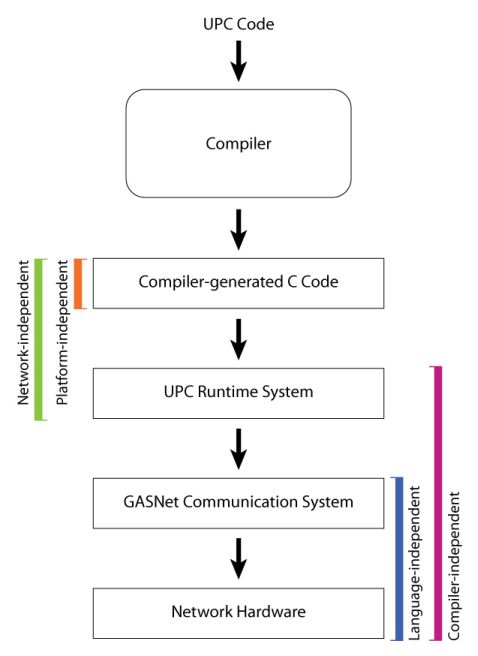
UPC Code Controls Communication to Boost Computer Performance
In massively parallel computers, hundreds or thousands of processors work in parallel on portions of a complex computational task. Each of these processing units achieves a common goal by communicating with each other over a high-speed interconnect. Message Passing Interface (MPI) has long been the foundation of how processors communicate in high performance computers, but there are limitations in it. So Berkeley Lab researchers developed the Unified Parallel C language to resolve MPI’s shortcomings.
Source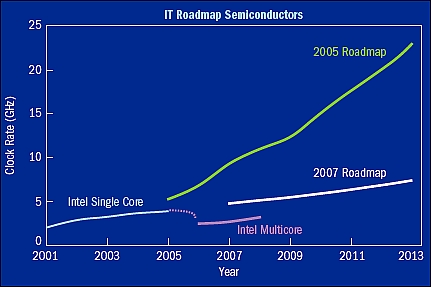
The MANYCORE Revolution: Will HPC Lead or Follow?
In the essay “The MANYCORE Revolution: Will HPC LEAD or FOLLOW?” Berkeley Lab researchers John Shalf, Dave Patterson, Krste Asanovic, Katherine Yelick, and Intel’s Tim Mattson write that rumors of the death of Moore’s Law are greatly exaggerated. In their view, Gordon Moore’s observation that the amount of computing power packed onto a chip doubles about every 18 months while the cost remains flat is alive and well. But the physics is changing.
Source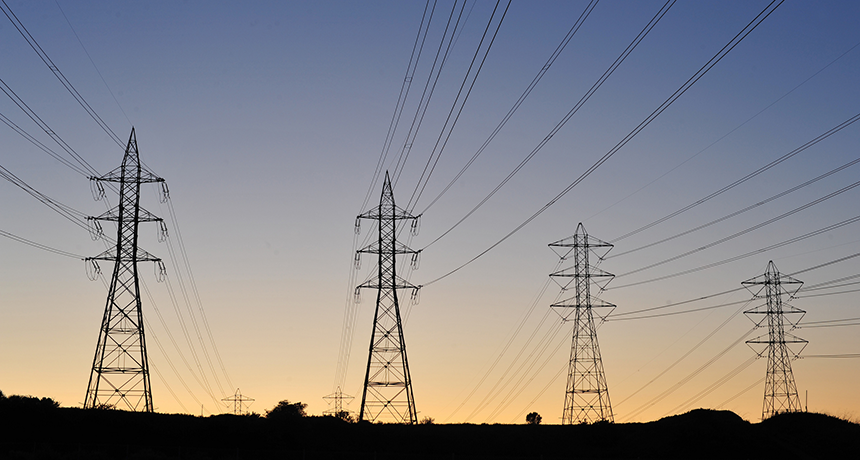
Lab Researchers Help Improve Reliability of the Electrical Grid
In 2009, Berkeley Lab researchers received funding from the American Recovery Act to help increase the reliability of the electrical grid and improve the nation's ability to respond to energy disruptions. By advancing the technologies needed to implement a smart grid, Berkeley researchers played an important role in avoiding costly cascading blackouts like the August 2003 blackout that affected eight northeastern U.S states and Canada.
Source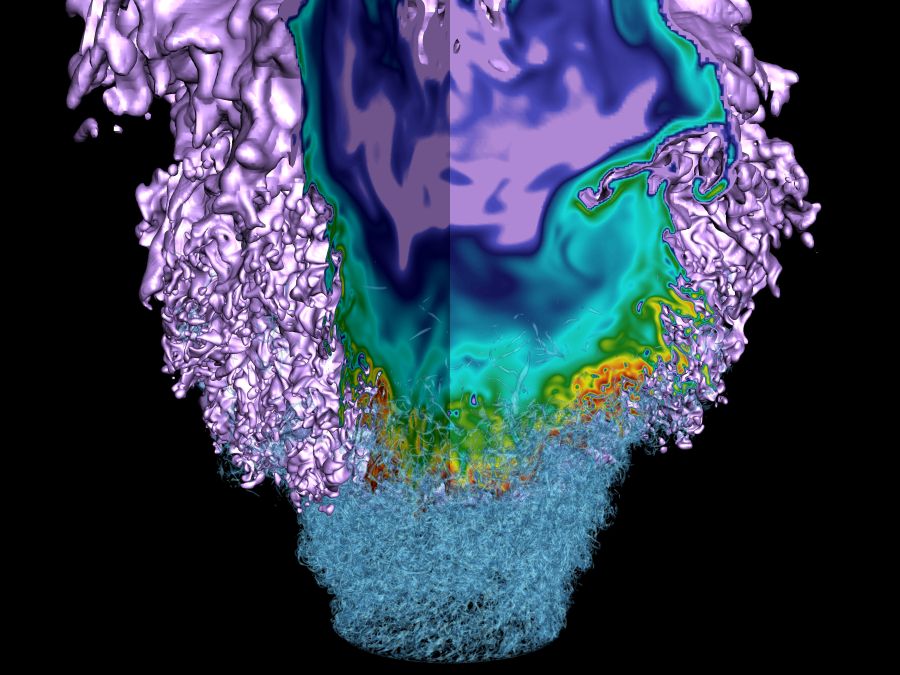
Flame Simulations Lift Combustion Energy’s Future
In the United States, ultra-lean low-swirl combustion would remove about 740,000 tons of nitrogen oxides from the atmosphere per year, equivalent to emissions from nearly 100 coal-fired power plants. Natural gas burners in furnaces and turbines are prime candidates for this technology. Using novel low Mach number codes with adaptive mesh refinement, Berkeley Lab mathematicians successfully simulated a low-swirl burner fueled by methane and hydrogen. Their models provided unprecedented insights into how combustion works.
Source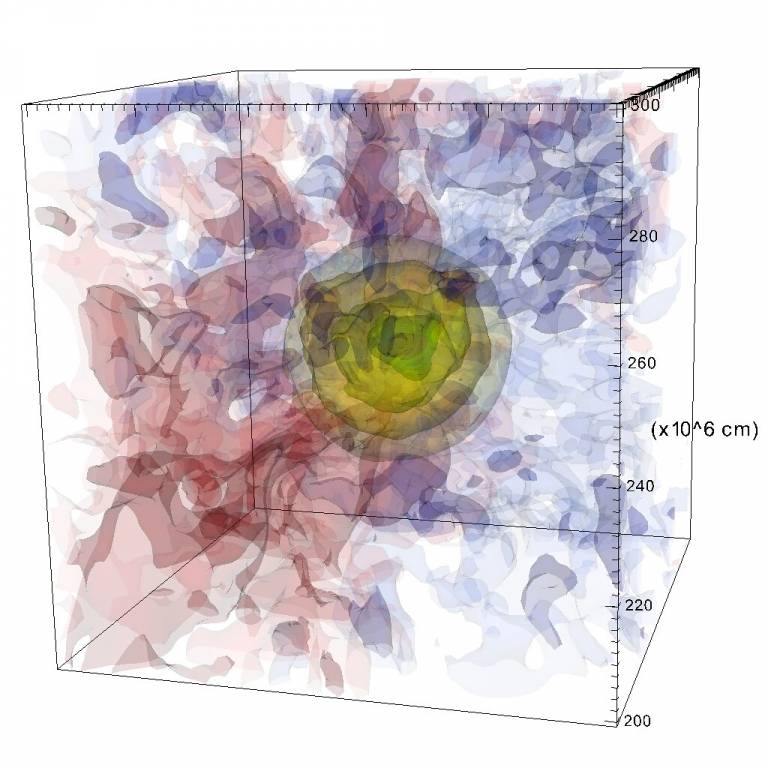
First Full Simulation of Star's Final Hours
The precise conditions inside a white dwarf star in the hours leading up to its explosive end as a Type Ia supernova was a mystery confronting astrophysicists. Using the MAESTRO code, developed by Berkeley Lab mathematicians, astrophysicists created the first-ever 3D, full-star simulations of the convection inside of a white dwarf star before it ignites in a Type Ia supernova. These supernovae are used as "standard candles" to measure cosmic expansion.
Source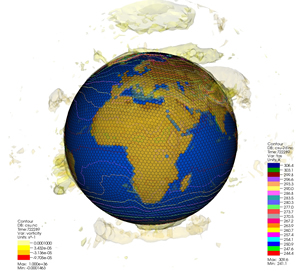
Berkeley Lab Prepared the U.S. Climate Community for 100G Data Transfers
With the Climate 100 project, Berkeley Lab researchers brought together middleware and network researchers to develop the tools and techniques needed to move unprecedented amounts of data. "Climate 100 is a system that will integrate massive climate datasets, emerging 100 Gbps networks, and state-of-the-art data transport and management technologies to enable realistic at-scale experimentation with climate data management transport and analysis in a 100 Gbps, 100-petabyte world," said Berkeley Lab’s Alex Sim.
Source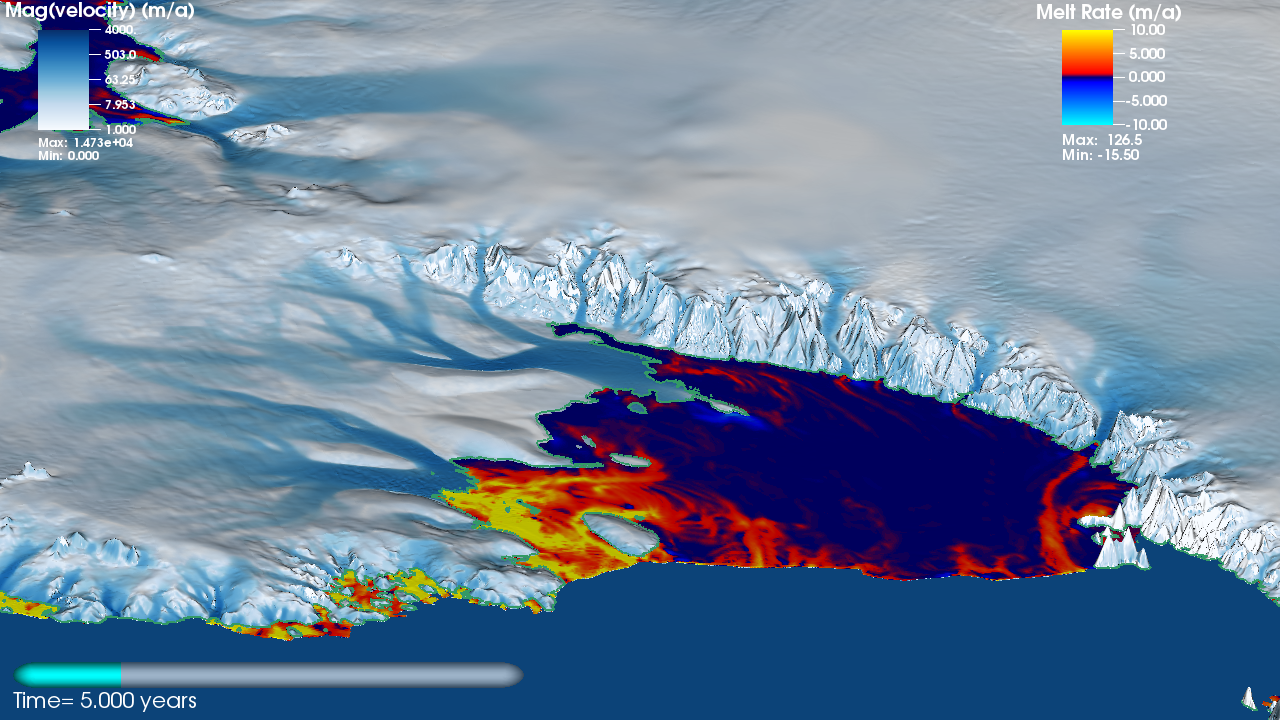
B-ISICLES Project to Improve Accuracy of Ice Sheet Models
Mathematicians from Berkeley Lab and glaciologists from Los Alamos National Laboratory collaborated to develop parallel adaptive mesh refinement techniques for the Community Ice Sheet Modeling code, also known as GLIMMER-CISM. The new algorithms allowed researchers to model points of interest, like the retreating edges of ice sheets, at unprecedented resolution. With more accurate models, scientists can make more accurate predictions about how ice sheet melting is contributing to other phenomena like the rise in global sea level.
Source
Juan Meza Among Hispanic Business Magazine's ‘100 Influentials’
Juan Meza, head of the High Performance Computing Research Department in Berkeley Lab's Computational Research Division, was named to Hispanic Business magazine's annual list of 100 influential Hispanics. Meza was recognized for his technology research, as well as his efforts to increase the diversity in science and mathematics, serving as a mentor, teacher, and speaker at the national, state and local levels.
Source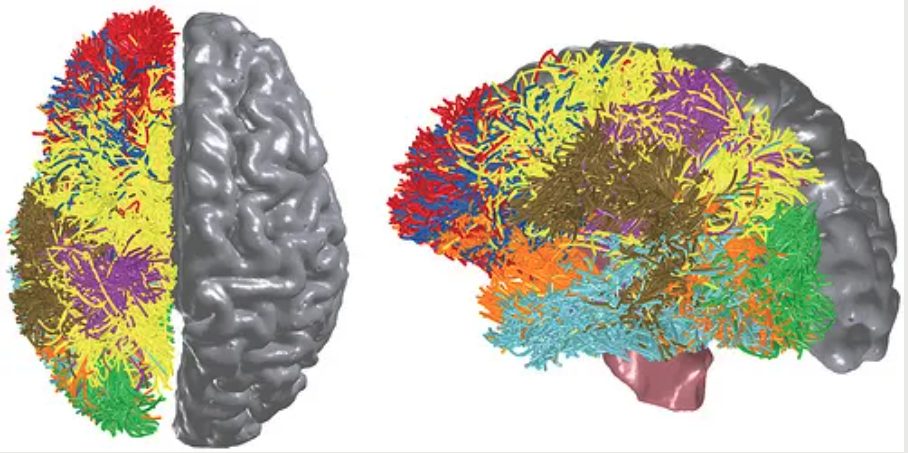
First Full-Scale Simulation of Cat-Size Cortex
Researchers from IBM’s Almaden Research Center and Berkeley Lab won the Gordon Bell Prize for developing techniques that produce new levels of performance on a real application. Their BlueMatter algorithm, created with Stanford University, used the Blue Gene supercomputer to noninvasively measure and map the connections between all cortical and subcortical locations within a cat’s brain. This work could help researchers untangle the brain’s vast communication network and understand how it represents and processes information.
Source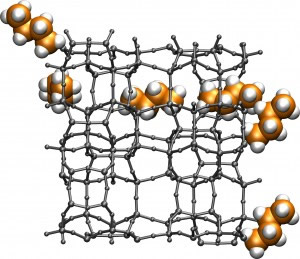
Molecular Worm Algorithm Navigates Inside Chemical Labyrinth
With the passage of a molecule through the labyrinth of a chemical system being so critical to catalysis and other important chemical processes, computer simulations are frequently used to model potential molecule/labyrinth interactions. Such simulations had been expensive and time-consuming to carry out, but a molecular worm algorithm, introduced in 2010 by Berkeley Lab’s Maciej Haranczyk, made these simulations much faster to compute and yielded much more accurate results.
Source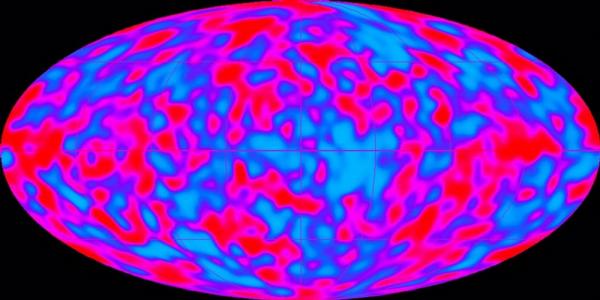
Reaching for the Stars to Create Music of the Universe
Supernovae can be seen, but not heard, as sound waves cannot travel through space. But what if the light waves emitted by exploding stars and other cosmological phenomena could be translated into sound? "Rhythms of the Universe" was a musical project to "sonify" the universe by Grateful Dead percussionist Mickey Hart, Berkeley Lab Nobelist George Smoot, and CRD's Keith Jackson. The composition was presented during the Cosmology at the Beach Conference in Playa del Carmen, Mexico.
Source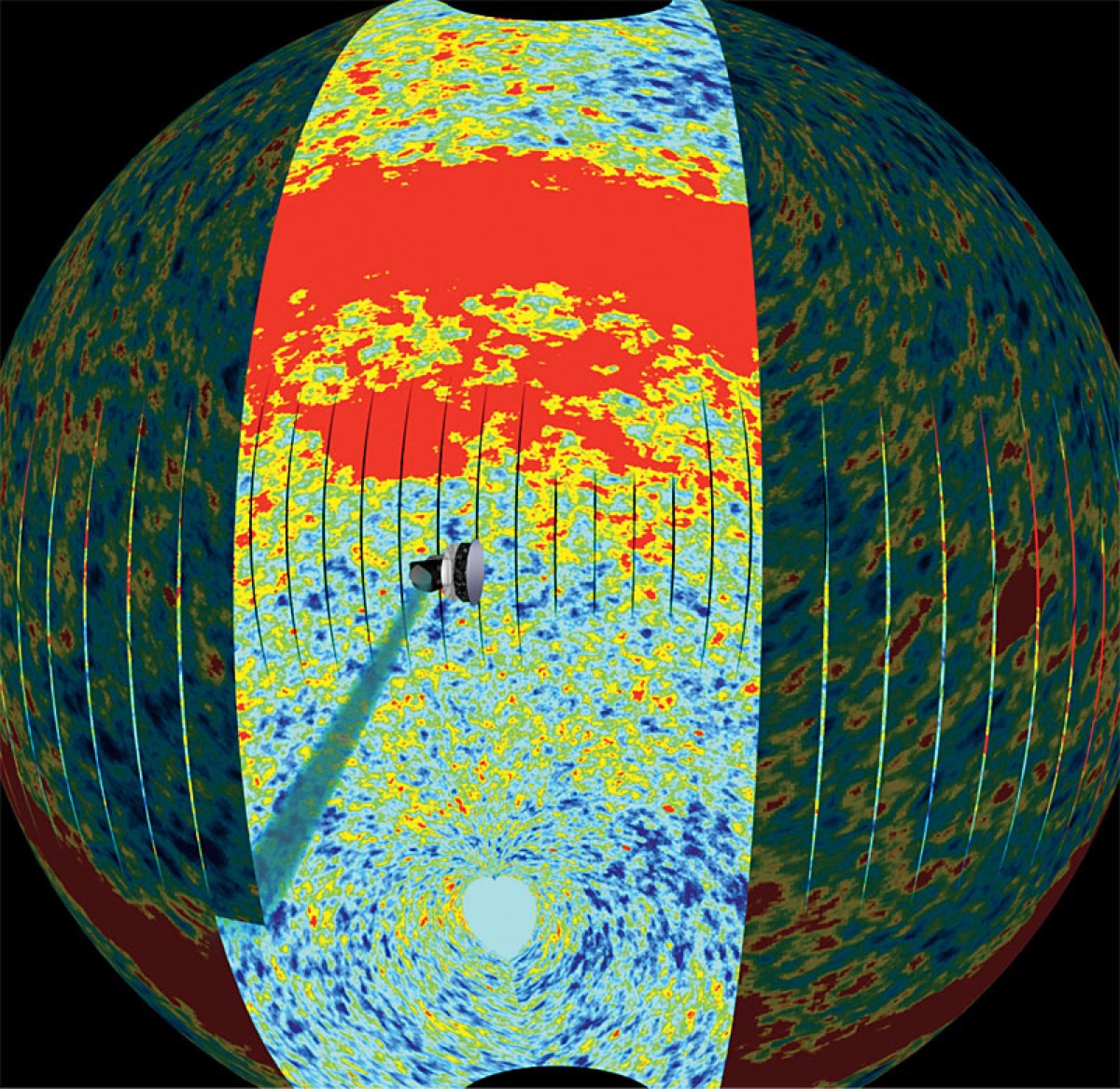
MADCAP Software Helps Map the Universe
Google Earth depends mostly on satellite imagery for land surfaces and sonar imagery for the seafloor to create maps of Earth. Maps of the cosmic microwave background (CMB) likewise depend on different kinds of detectors for measuring minute variations in the temperature of the sky. Researchers in the Berkeley Lab Computational Cosmology Center developed the Microwave Anisotropy Dataset Computational Analysis Package (MADCAP) software for making maps of the CMB.
Source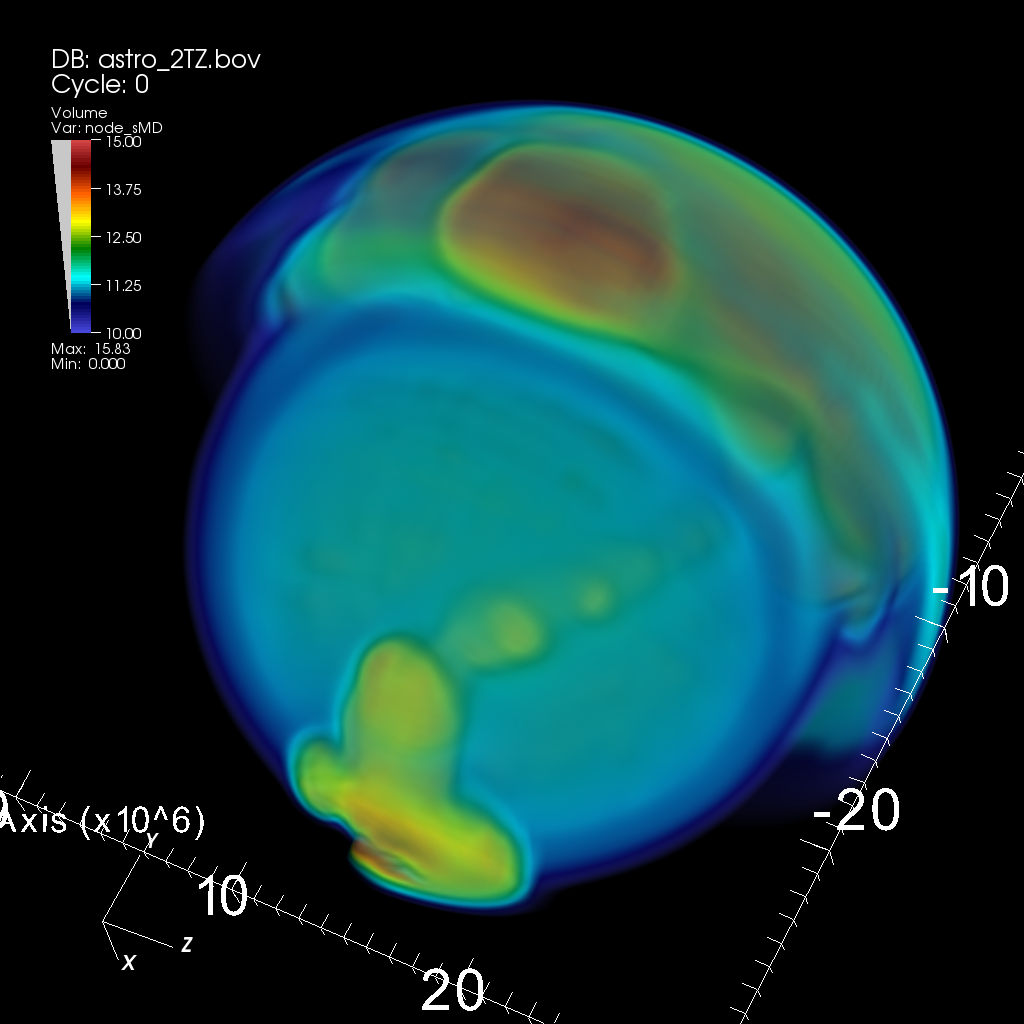
A Next-Generation Data Analysis Center
Starting in 2010, Berkeley Lab researchers received approximately $1 million over four years to help establish a state-of-the-art visualization data and analysis center dubbed Remote Data Analysis and Visualization (RDAV). The center was designed to provide remote visualization and image generation, data and statistical analysis, workflow systems, and a variety of software services, making it a leading visualization and data analysis center. CRD’s Wes Bethel was responsible for coordinating Berkeley Lab’s contributions to RDAV.
Source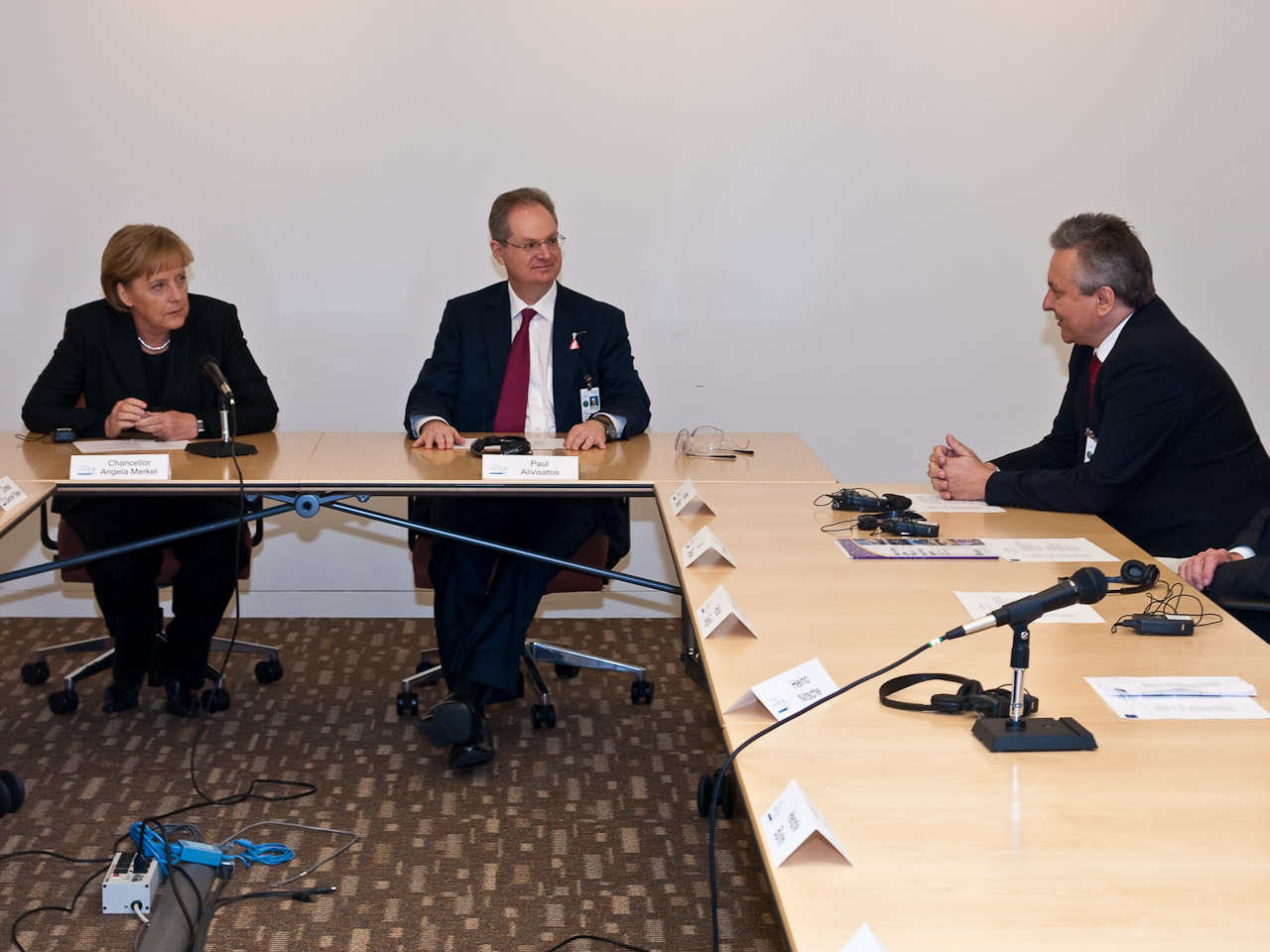
German Chancellor Angela Merkel Visits Berkeley Lab
Associate Laboratory Director for Computing Sciences Horst Simon (right) was one of 70 German staff scientists and postdocs who met with German Chancellor Angela Merkel (left) during her visit to Berkeley Lab on April 15, 2010.
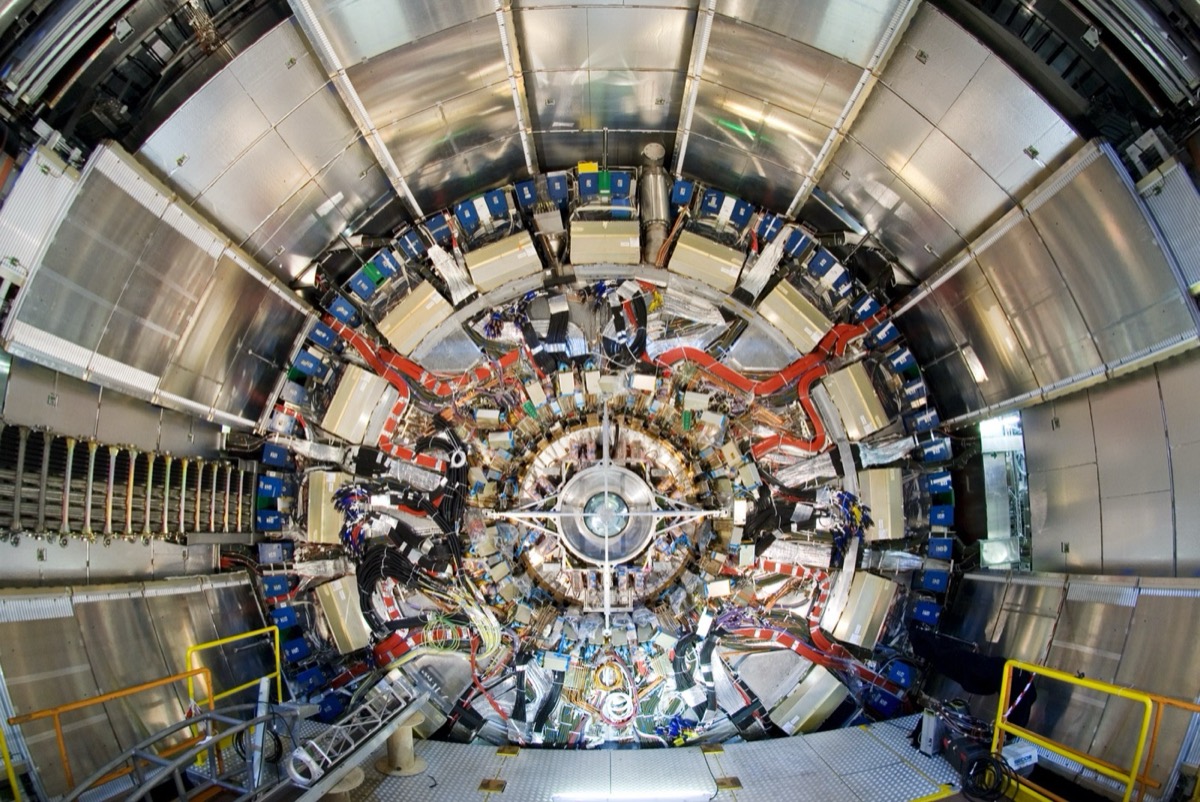
Athena: Software Framework Boosts ATLAS Data Analysis
To support the Large Hadron Collider's ATLAS experiment at CERN, an international team of scientists led by Berkeley Lab’s Paolo Calafiura developed Athena. The software framework was designed to facilitate distributed workflow and help researchers sift through the torrent of physics data that comes from ATLAS. Athena was built on top of the Gaudi software framework originally developed for the LHCb experiment.
Source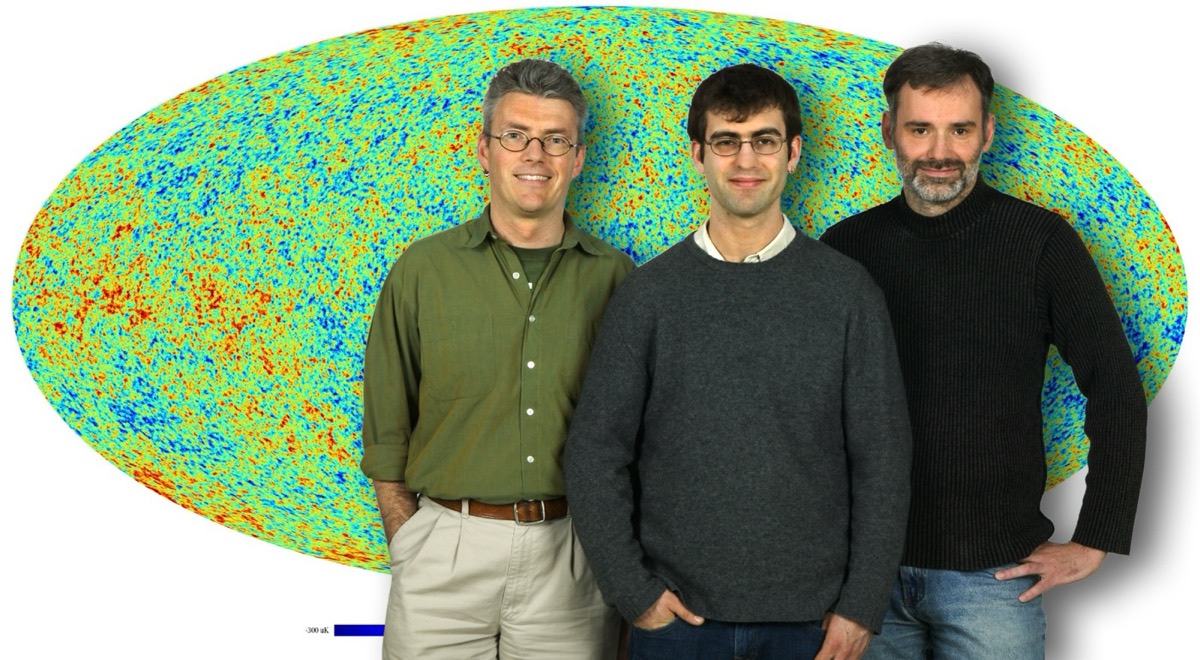
C3 Team Makes Planck Mission Shine
Three scientists from Berkeley Lab’s Computational Cosmology Center (Julian Borrill, Christopher Cantalupo, and Theodore Kisner) were honored with a NASA Public Service Group Award for developing the supercomputing infrastructure for the U.S. Planck Team’s data and analysis operations at NERSC. Their work supported the European Space Agency's Planck satellite mission, which by 2010 had gathered the most detailed observations ever made of the Cosmic Microwave Background.
Source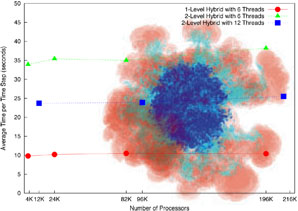
New Astrophysics Codes for the Next-Generation of Supercomputers
The Center for Computational Sciences and Engineering introduced two new astrophysics codes – MAESTRO and CASTRO – that leverage the advantages of a structured grid adaptive mesh refinement and offer new scaling capabilities. In early testing, MAESTRO scaled to almost 100,000 processors on the Cray XT5 supercomputer "Jaguar" at Oak Ridge. CASTRO, a general compressible astrophysics radiation/hydrodynamics code that handles the explosion itself, scaled to over 200,000 processors on Jaguar—almost the entire machine.
Source
James Demmel Wins 2010 Fernbach Award
James Demmel was awarded the 2010 IEEE Computer Society Sidney Fernbach Award for his contributions to high-performance linear algebra software. Demmel, a professor of mathematics and computer science at UC Berkeley, has a joint appointment with Berkeley Lab’s Future Technologies Group. He was honored by IEEE for “computational science leadership in creating adaptive, innovative, high-performance linear algebra software."
Source
Horst Simon Named Deputy Director for Berkeley Lab
Horst Simon was named Deputy Director of Berkeley Lab. Prior to this appointment, Simon served as Associate Lab Director for Computing Sciences and helped to establish Berkeley Lab as a world leader in providing supercomputing resources to support research in fields ranging from global climate modeling to astrophysics. "Horst is a strong leader who has helped to lead a tremendously productive program in high performance computing that is world-class," said Berkeley Lab Director Paul Alivisatos.
Source
Kathy Yelick Named ALD for Computing Sciences
Kathy Yelick has been named Associate Lab Director for Computing Sciences. An expert on parallel languages, compilers, algorithms, libraries, architecture, and storage, Yelick has worked with interdisciplinary teams on application scaling, and her own applications work includes parallelization of a model for blood flow in the heart. She is the co-inventor of the UPC and Titanium languages and co-developed automatic performance tuning techniques for sparse matrix computations. In 2008, Yelick was appointed director of NERSC.
Source
Alexandre Chorin and James Sethian Honored by ICIAM
The world's largest applied mathematics society, the International Council for Industrial and Applied Mathematics (ICIAM), awarded two of its quadrennial prizes to Berkeley Lab’s Alexandre Chorin and James Sethian. Chorin received the Lagrange Prize for fundamental contributions to applied mathematics, fluid mechanics, statistical mechanics, and turbulence modeling. Sethian received the Pioneer Prize for his fundamental methods and algorithms that significantly impacted imaging and shape recovery in medicine, geophysics and tomography, and drop dynamics in inkjets.
Source
Supercomputer Cracks ‘Impossible’ Calculation
Using a mathematical formula discovered by David Bailey, chief technologist for the Computational Research Department, Australian researchers found the sixty-trillionth binary digit of Pi-squared. The calculation would have taken a single computer processor unit 1,500 years to calculate, but scientists from IBM and the University of Newcastle managed to complete this work in just a few months using Bailey’s formula by making it run faster and in parallel on thousands of independent processors.
Source
David Brown Named CRD Director
David L. Brown, who previously served as Deputy Associate Director for Science and Technology in the Computation Directorate at Lawrence Livermore National Laboratory, was named the new director for the Computational Research Division (CRD).
Source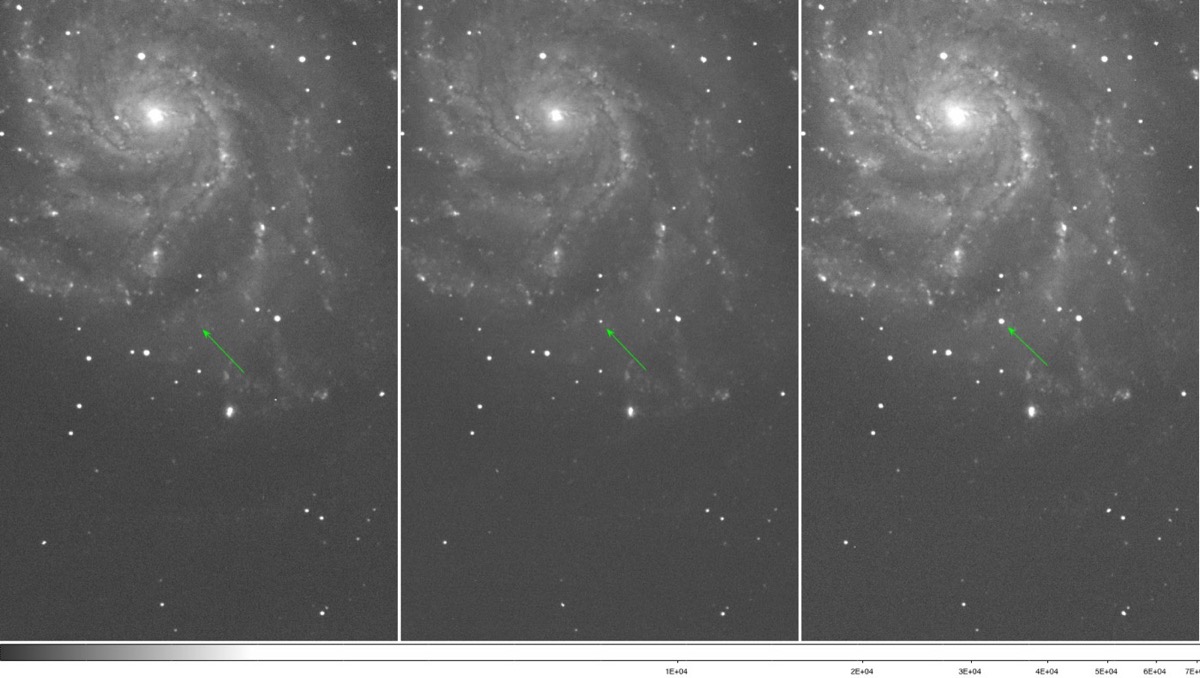
Supernova Caught in the Act
A combination of a specialized telescope, computational tools at NERSC, and ESnet’s high-speed network enabled the earliest-ever discovery of a supernova that is closer to Earth—21 million light-years away—than any of its kind in a generation. The supernova, dubbed PTF 11kly, was discovered by the Palomar Transient Factory survey, which is designed to observe and uncover astronomical events as they happen. Berkeley Lab senior scientist Peter Nugent was the first to spot the supernova.
Source
Vern Paxson Honored for Contributions to Online Security
Vern Paxson, instrumental in developing the Bro intrusion detection system (now known as “Zeek”) for monitoring incoming and outgoing network traffic, was honored with the 2011 ACM SIGCOMM Award “for his seminal contributions to the fields of Internet measurement and Internet security, and for distinguished leadership and service to the Internet community.” At the time, he was with Berkeley Lab’s Advanced Computing for Science Department.
Source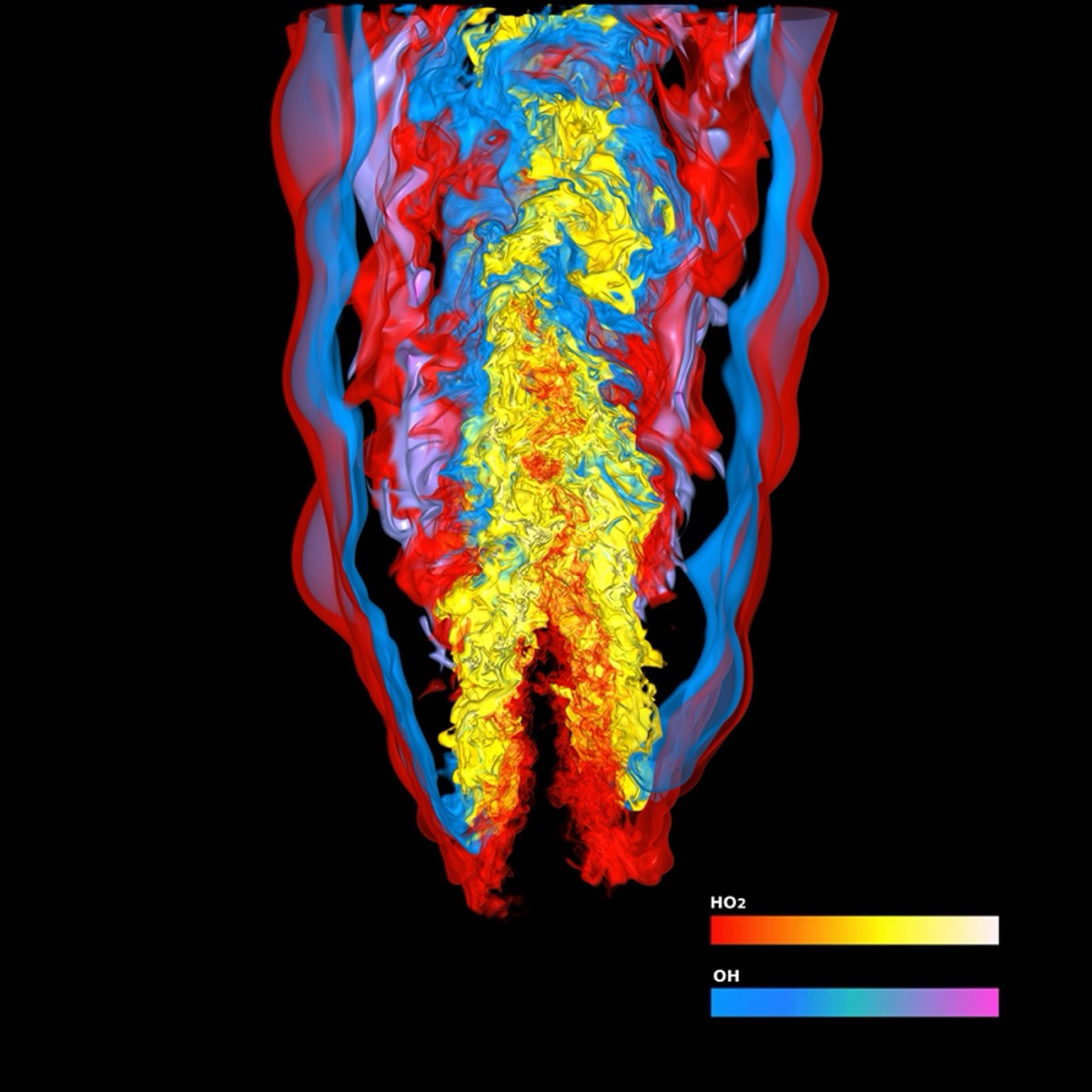
Preparing Combustion Simulations for Exascale
Starting in 2011, a five-year DOE project, the Combustion Exascale Co-Design Center, combined the expertise of combustion scientists, mathematicians, computer scientists, and hardware architects to redesign each aspect of the combustion simulation process and create high-fidelity combustion simulations that can run at exascale. Berkeley Lab’s John Bell and adaptive mesh refinement were key players in this effort to bridge the gap between petascale and exascale.
Source
CRD Gets a New Look
In October 2011, Computational Research Division (CRD) Director David Brown announced a reorganization of the division aimed at balancing the size and research areas of the departments within CRD. Under the new structure, there would be four departments: Mathematics and Computational Science (lead: John Bell), Applied Mathematics and Scientific Computing (lead: Esmond Ng), Computer and Data Sciences (lead: John Shalf), and Advanced Computing for Science (lead: Deb Agarwal).
Source
Researchers Find Clues to the Origin of Type Ia Supernovae
Berkeley Lab researchers were part of an international team of astronomers that exposed the largest sample of distant supernovae ever found: 150 events, many of which are located about 10 billion light-years away from Earth. These events revealed that a particular breed of cosmic explosions, called Type 1a supernovae, occurred five times more frequently when the universe was young than they do today.
Source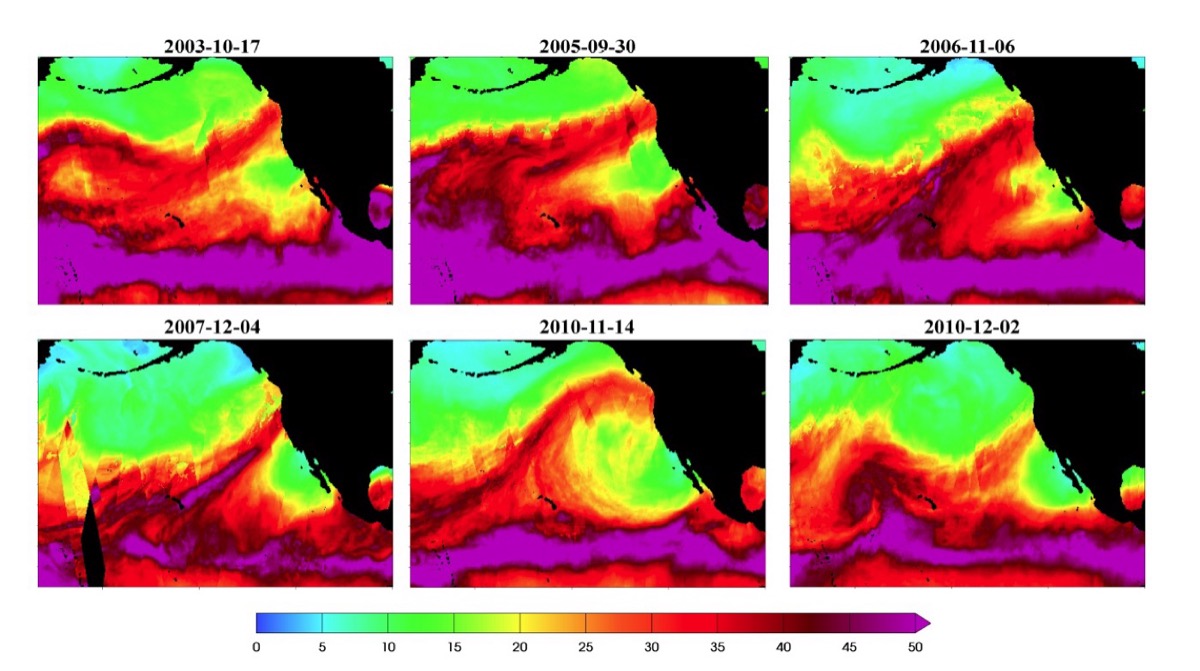
A New Way to ID Extreme Weather
In response to the growing frequency of extreme weather events, Berkeley Lab scientists joined with colleagues at other national laboratories to find new ways to detect changes in the frequency of extreme weather events such as hurricanes and cyclones. Working with methods such as pattern recognition and topological analysis, they were able to automatically locate and quantify extreme weather phenomena in large datasets from the Community Atmospheric Model in hours rather than days.
Source
CRT: A New Era in Computational Research
In February 2012, Berkeley Lab breaks ground on the Computational Research and Theory facility (now known as Shyh Wang Hall), home to the Computing Sciences Area. The $145 million, 140,000 gross-square-foot building was designed to be the most efficient and sophisticated facility of its kind within DOE for supporting high-performance supercomputing research.
Source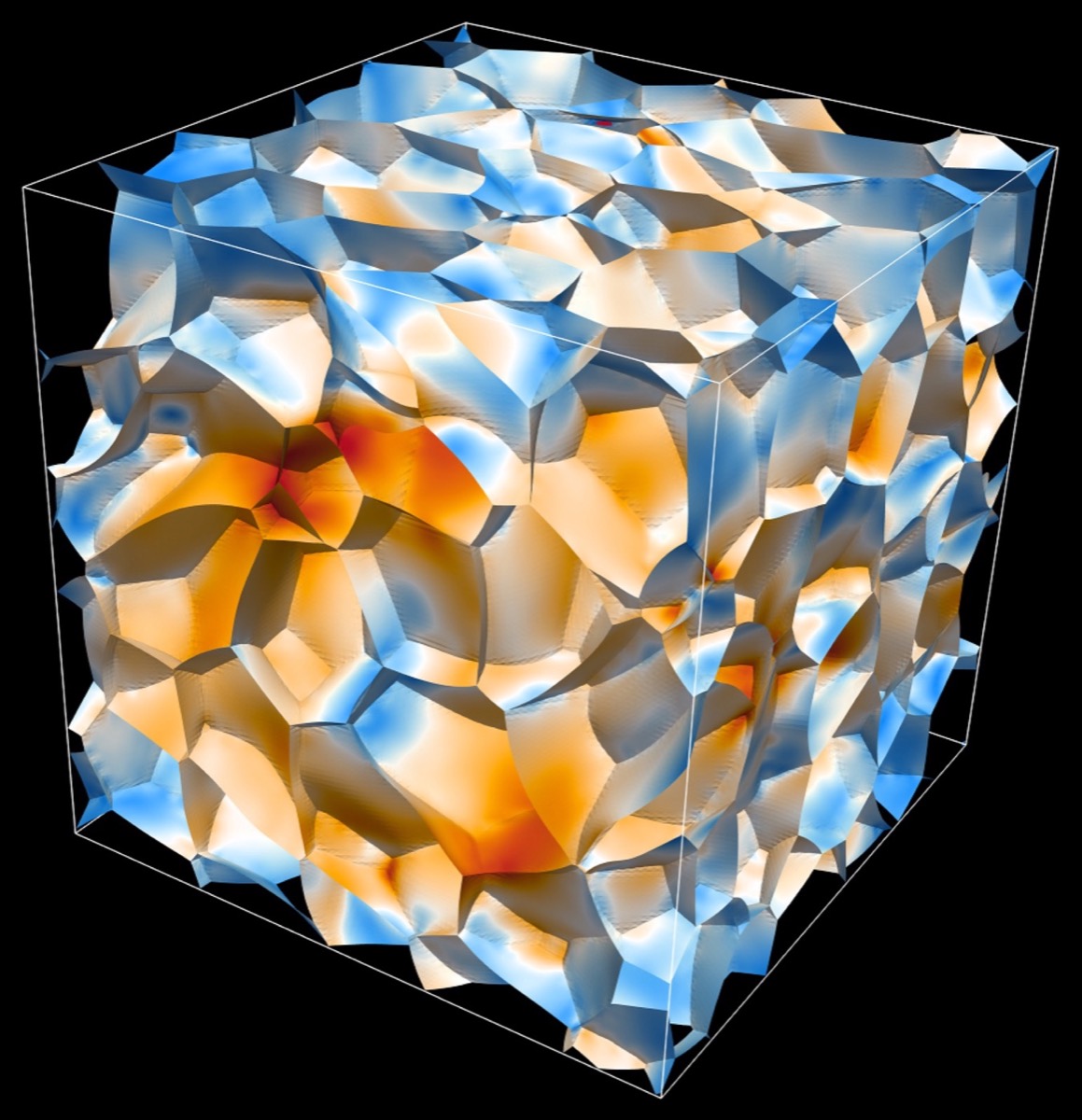
Lab Mathematicians Win Cozzarelli Prize
Berkeley Lab mathematicians Robert Saye and James Sethian introduce the Voronoi Implicit Interface Method to model highly complex fluids and material problems, like those that occur in industrial foams and grain metal boundaries. The method combines a continuous partial differential equation with a discrete computational geometry approach and provides the first reliable method to track a host of complex multiphase multi-physics problems. The National Academy of Sciences honored Saye and Sethian with the Cozarrelli Prize.
Source
John Bell Elected to National Academy of Sciences
LBNL Applied Mathematician John Bell was elected to the National Academy of Sciences. Bell is well known for his contributions in the areas of finite difference methods, numerical methods for low Mach number flows, adaptive mesh refinement, interface tracking, and parallel computing and the application of these numerical methods to problems from a broad range of fields including combustion, shock physics, seismology, flow in porous media, and astrophysics.
Source
Mapping our Microbial Make-up
Berkeley Lab software helped the National Institutes of Health Human Microbiome Project map the microbial make-up of healthy humans for the first time. NERSC supercomputers and ESnet networking resources also played a key role. The goal is to provide new insights into how microbiomes carry out vital tasks such as supporting the immune system and aiding in food digestion and shed light on the role of microbiomes in diseases such as ulcerative colitis, Crohn’s, and psoriasis.
Source
State Department’s TechWomen 2012 Visit Berkeley Lab
Launched by Secretary of State Hillary Clinton in 2011, TechWomen is an international exchange that uses technology as a means to empower women and girls in the Middle East and North Africa. The exchange builds on Clinton’s vision of “smart power” embracing the full range of diplomatic tools to bring people together. In 2012, Berkeley Lab researchers in the Computational Research, Physics and Physical Biosciences Divisions hosted TechWomen from Algeria, Lebanon, and Tunisia.
Source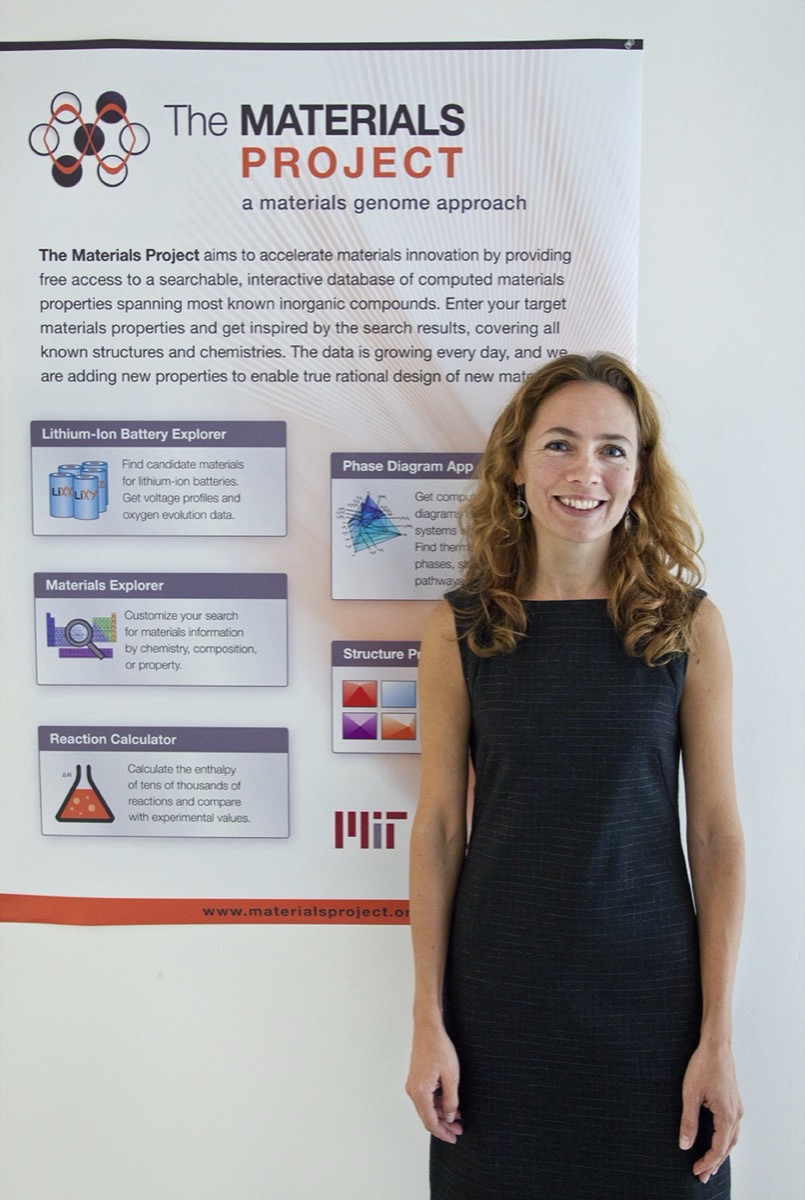
Lab Researchers Help Design The Next Generation of Batteries
A new DOE collaboration—the Joint Center for Energy Storage Research (JCESR)—applied a genomics approach to materials research to speed advancements in battery performance. Computational Research Division (CRD) researchers led the computational modeling component. The goal was to leverage computational resources at NERSC to predict the properties of electrolytes and ultimately combine JCESR resources with Berkeley Lab’s Materials Project to enable researchers to employ a systematic and predictive approach to battery design.
Source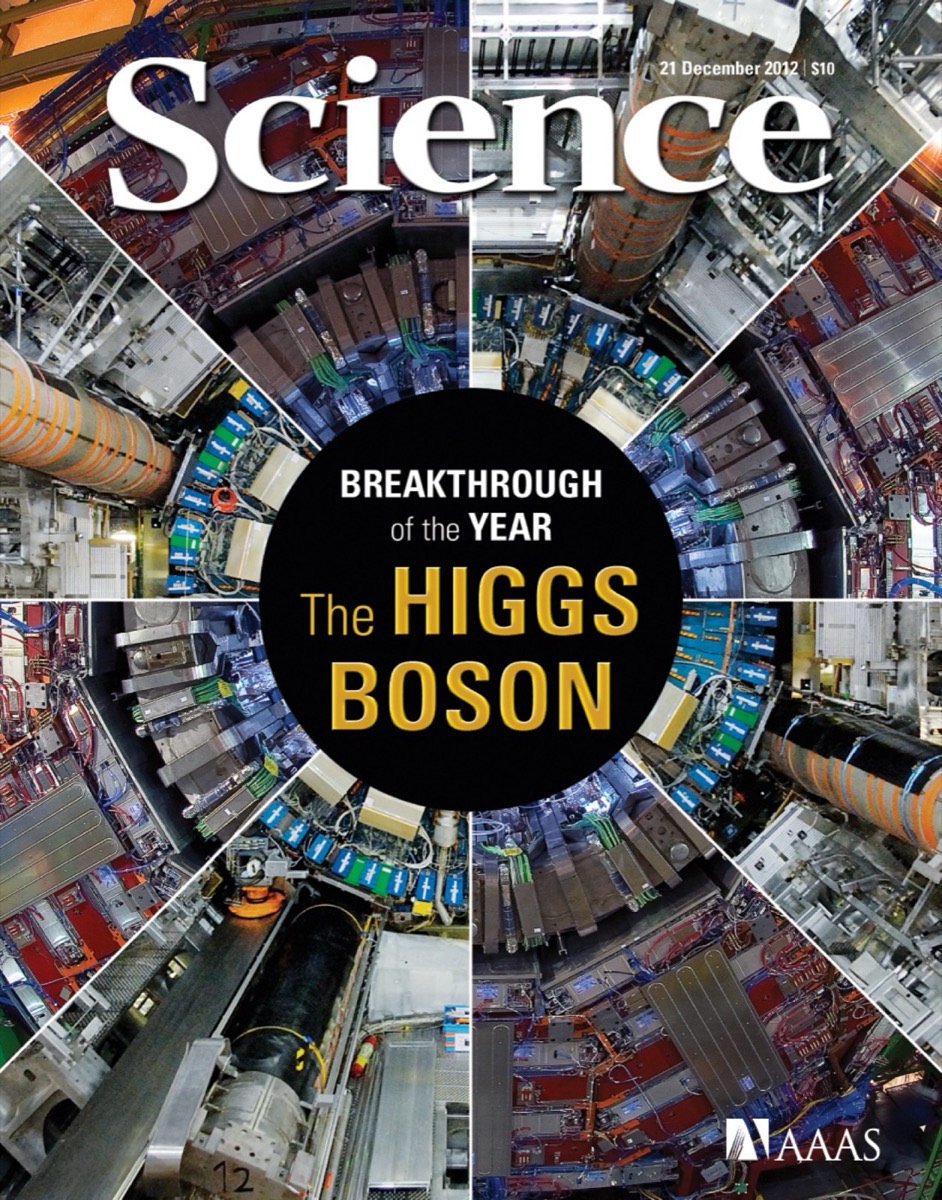
CRD Scientists Part of ‘Breakthrough of the Year’
Computational Research Division (CRD) computational researchers were major contributors to the discovery of the Higgs boson, named as the top “Breakthrough of the Year” in 2012 by Science magazine. Athena — a software framework developed under the leadership of Paolo Calafiura, a staff scientist in the Berkeley Lab’s Software Systems Group — was instrumental in helping researchers at CERN detect the Higgs boson.
Source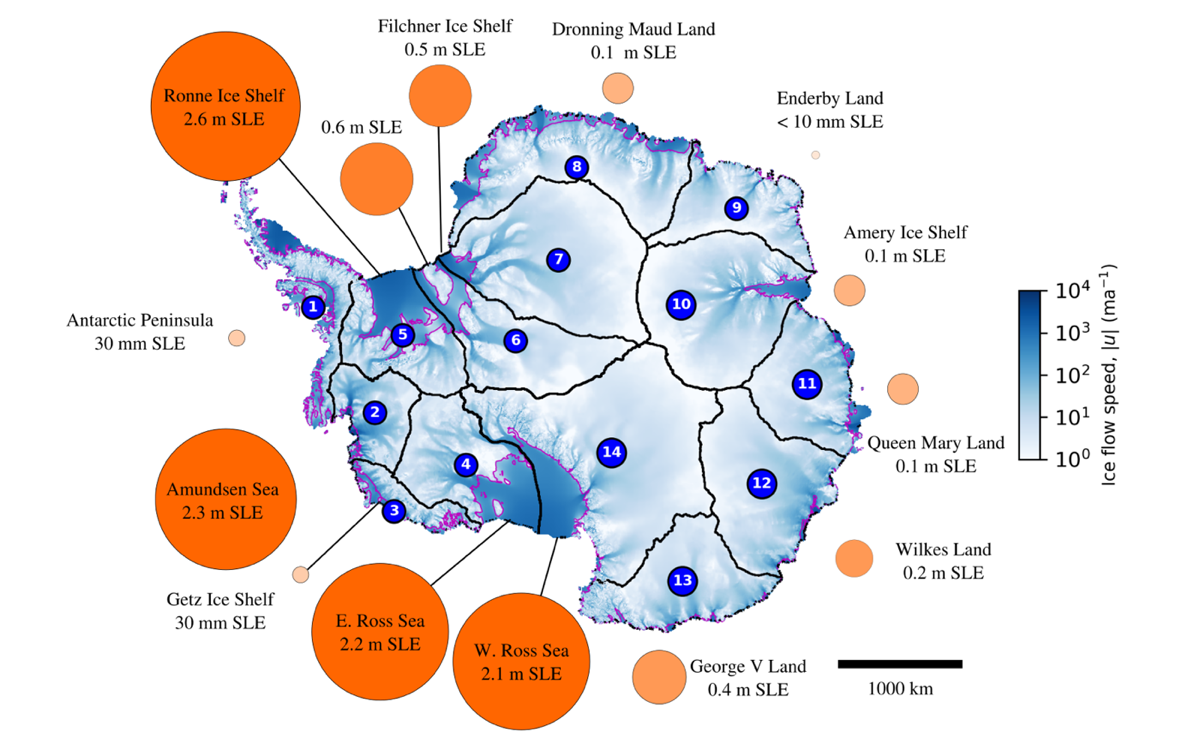
Berkeley Lab Code Models Retreating Antarctic Ice
The new Berkeley-ICICLES (BISICLES) ice sheet model helps scientists accurately model the physical processes driving the retreat of the shrinking West Antarctic ice sheet. Developed in a collaboration between Berkeley Lab computational scientists and climate scientists at Los Alamos National Laboratory and the University of Bristol, BISICLES can model regions of interest at sub-kilometer resolution while employing computationally cheaper coarser resolution in areas that don’t need such fine detail.
Source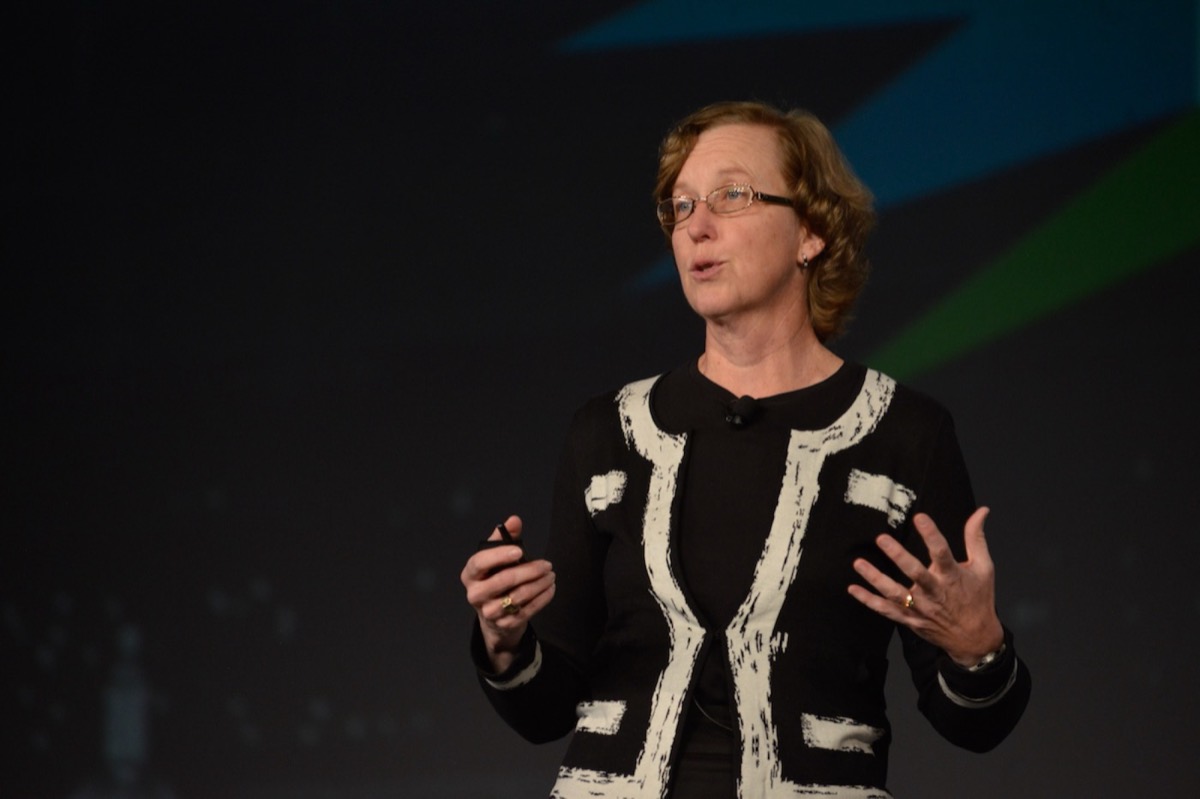
Kathy Yelick Named ACM’s Athena Lecturer
The Association for Computing Machinery’s Council on Women in Computing (ACM-W) named Berkeley Lab’s Kathy Yelick the 2013-2014 Athena Lecturer. The award honors outstanding women researchers who have made fundamental contributions to computer science. Each Athena Lecturer is invited to present a lecture at an ACM event of her choosing. Yelick gave her lecture at SC13 in Denver, Colo.
Source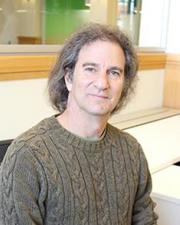
James Sethian Elected to National Academy of Sciences
Berkeley Lab Mathematician James Sethian was elected to the National Academy of Sciences for distinguished and continuing achievements in original research. Sethian has worked on numerical algorithms for tracking moving interfaces for more than 30 years, including his 1982 work on curve and surface propagation in combustion, and 1985 work on entropy conditions, curvature stability of numerical algorithms. This work led to development of the level set method in 1988.
Source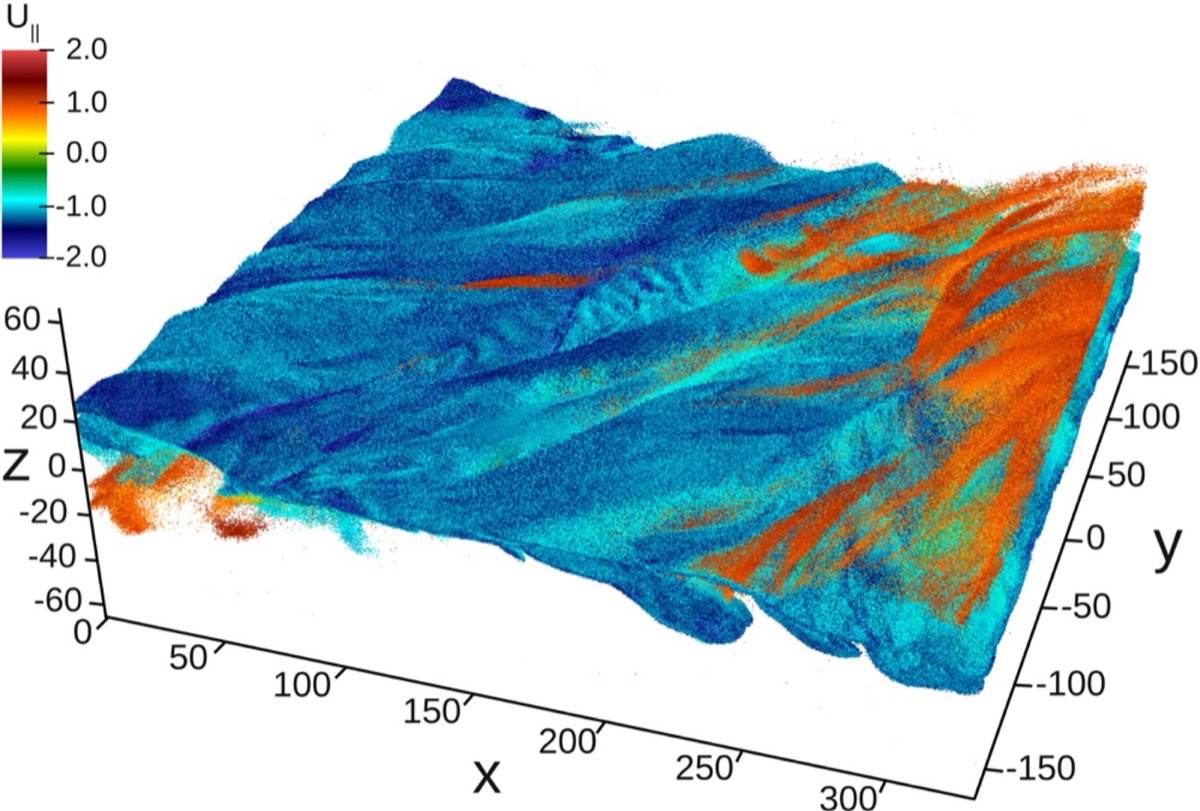
Hopper Simulation Bridges Petscale/Exascale Gap
An unprecedented trillion-particle simulation utilized more than 120,000 processors and generated approximately 350 terabytes of data on NERSC’s Cray XE6 “Hopper” supercomputer. It also allowed a team of computational researchers from Berkeley Lab and Cray glean valuable insights that will help scientists make the most of current petascale systems like Hopper and future exascale supercomputers. This research won best paper at the 2013 Cray User Group conference.
Source
Math Describes How Bubbles Pop in Foam
Bubble baths, soapy dishwater, and the luscious froth on a cappuccino. All are foams, beautiful yet ephemeral as the bubbles pop one by one. Berkeley Lab researchers described mathematically the successive stages in the complex evolution and disappearance of foamy bubbles, a feat that could help in modeling industrial processes in which liquids mix or in the formation of solid foams such as those used to cushion bicycle helmets.
Source
OpenMSI and the Future of Sharing Bioimaging Data
Berkeley Lab introduced OpenMSI, a set of computational tools designed to help physicians and researchers more easily visualize, analyze, manage, and share massive mass spectrometry imaging data with other researchers all over the world. OpenMSI was born from the lab's Integrated Bioimaging Initiative and is an interdisciplinary collaboration between Berkeley Lab biologists and computational scientists at Computational Research Division (CRD) and the National Energy Research Scientific Computing Center.
Source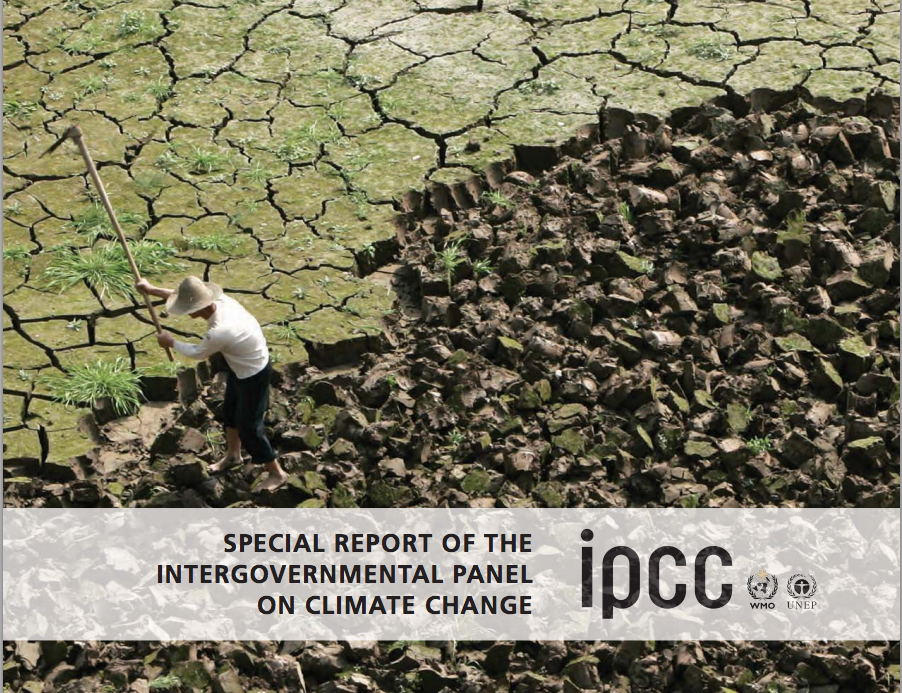
CRD Researchers Contribute to 5th IPCC Assessment Report
Berkeley Lab computational researcher Michael Wehner was the lead author on a chapter on long-term climate change projections published as part of the Fifth Assessment Report of the Intergovernmental Panel on Climate Change. Among the authors’ conclusions: most continents will continue to warm, and rain and snowfall patterns will continue to shift worldwide. Also contributing to the report was Computational Research Division’s (CRD’s) Prabhat.
Source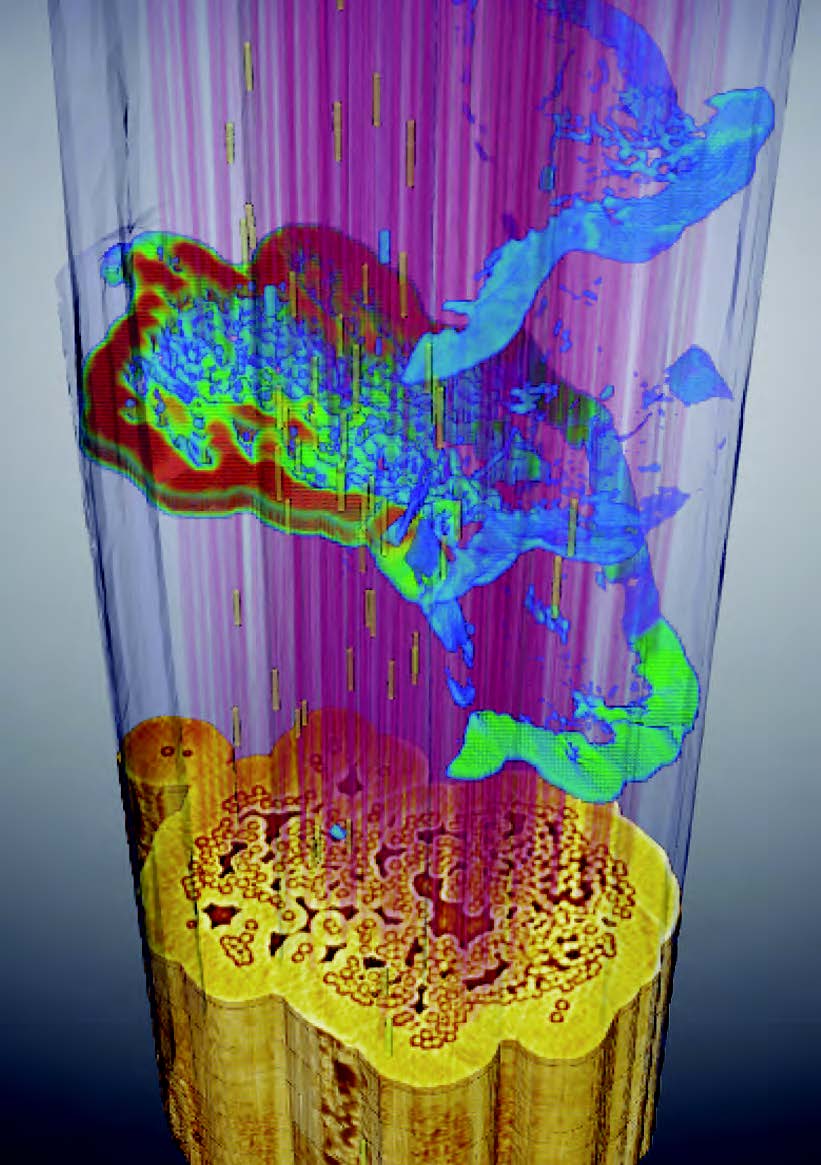
Big Data Hits the Beamline
An innovative collaboration dubbed SPOT Suite unites computational scientists at Berkeley Lab with Advanced Light Source beamline scientists and users to help them capitalize on NERSC’s computational resources to manage, analyze, and visualize increasingly massive data sets collected from the beamlines. With SPOT Suite, scientists using ALS’ microtomography beamline for 3D, time-resolved, micron-resolution images can see their data being processed, analyzed, and presented in visual form while they’re still at the beamline.
Source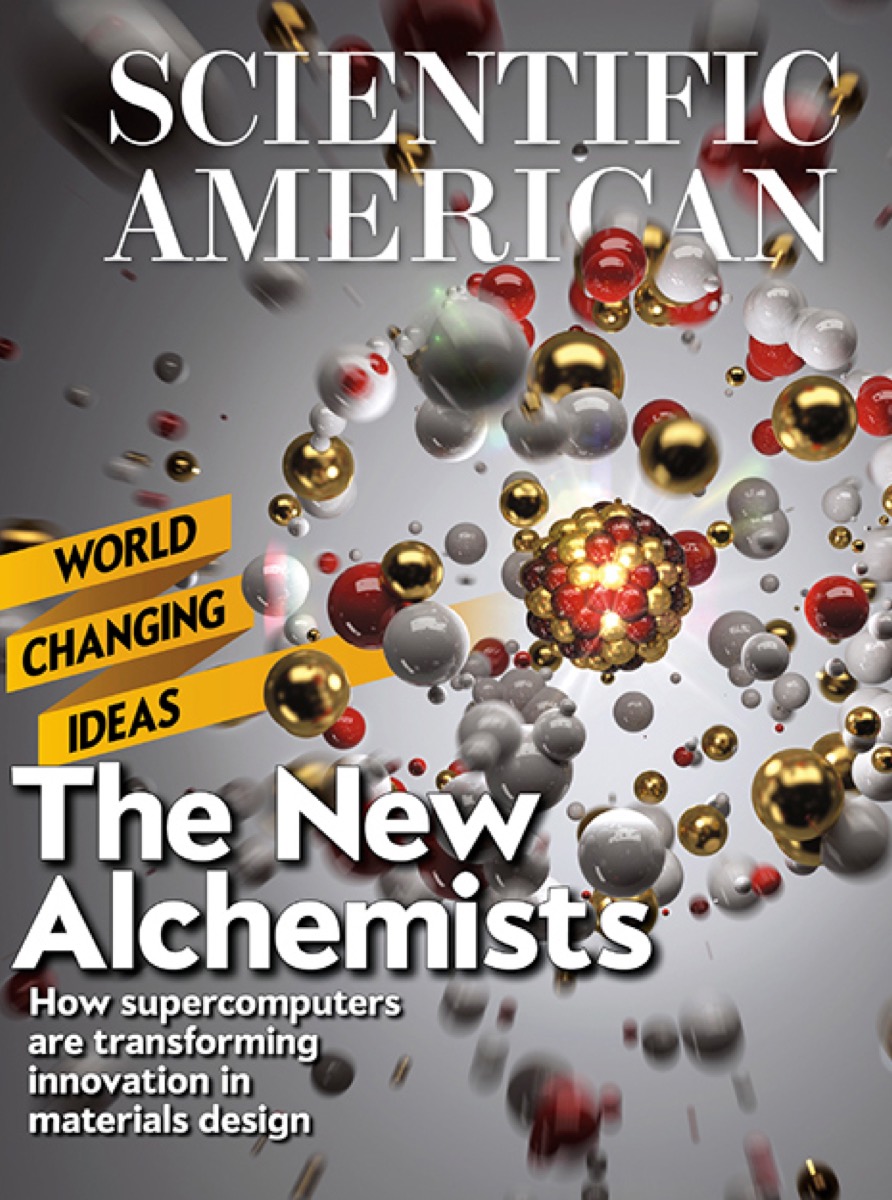
Collaboration Shines in Materials Project Success
At Berkeley Lab, the Computing Sciences Area’s world-class talent and resources have combined to help grow the Materials Project — an open, web-hosted service for materials researchers — into what Scientific American called in December 2013 a “world-changing idea.” With 35,000 materials and 5,000 users at the time, the once small, experimental project has grown to become what is arguably the largest and most sophisticated open materials database yet fielded.
Source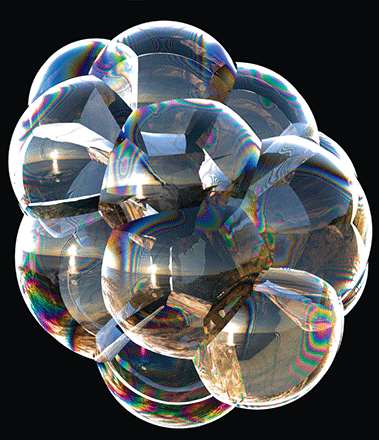
Science, NSF Honor Bubble Visualization
A visualization created by Berkeley Lab mathematicians Robert Saye and James Sethian of soap bubbles bursting and reforming won honorable mention in the 2013 International Science and Engineering Visualization Challenge. The 2013 Visualization Challenge was sponsored by Science magazine and the National Science Foundation.
Source
John Shalf Discusses Big Data with White House
John Shalf, head of Berkeley Lab’s Computer and Data Sciences Department, was one of four national lab representatives to meet with President Obama’s chief of staff and members of the Office of Science and Technology Policy, Office of Management and Budget, and other agencies to discuss the intersection of big data architecture requirements and exascale challenges. Shalf was co-leader of the Computer Architecture Lab, a project developing energy-efficient processor and memory architecture for DOE’s exascale program.
Source
CAMERA: Applied Math for Experimental Science
Berkeley Lab unveiled the new Center for Applied Mathematics for Energy Research Applications (CAMERA), designed to bring together applied mathematicians, computer scientists, and experimental researchers to devise new models and algorithms for solving tomorrow’s scientific technologies. CAMERA also creates new mathematical methods and computational tools to help researchers collect and store experimental data.
Source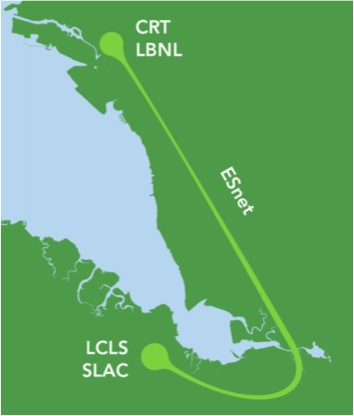
‘Photon Science Speedway’ Debuts
In experiments run at SLAC’s Linac Coherent Light Source, scientists and computational researchers used NERSC, ESnet, and Computational Research Division (CRD) resources to more quickly achieve a breakthrough in photosynthesis research. The experiments leveraged new software tools and a first-of-its-kind “photon speedway” link between Berkeley Lab and SLAC to dramatically speed up data collection and analysis, enabling the team to study a time progression of the photosynthetic process.
Source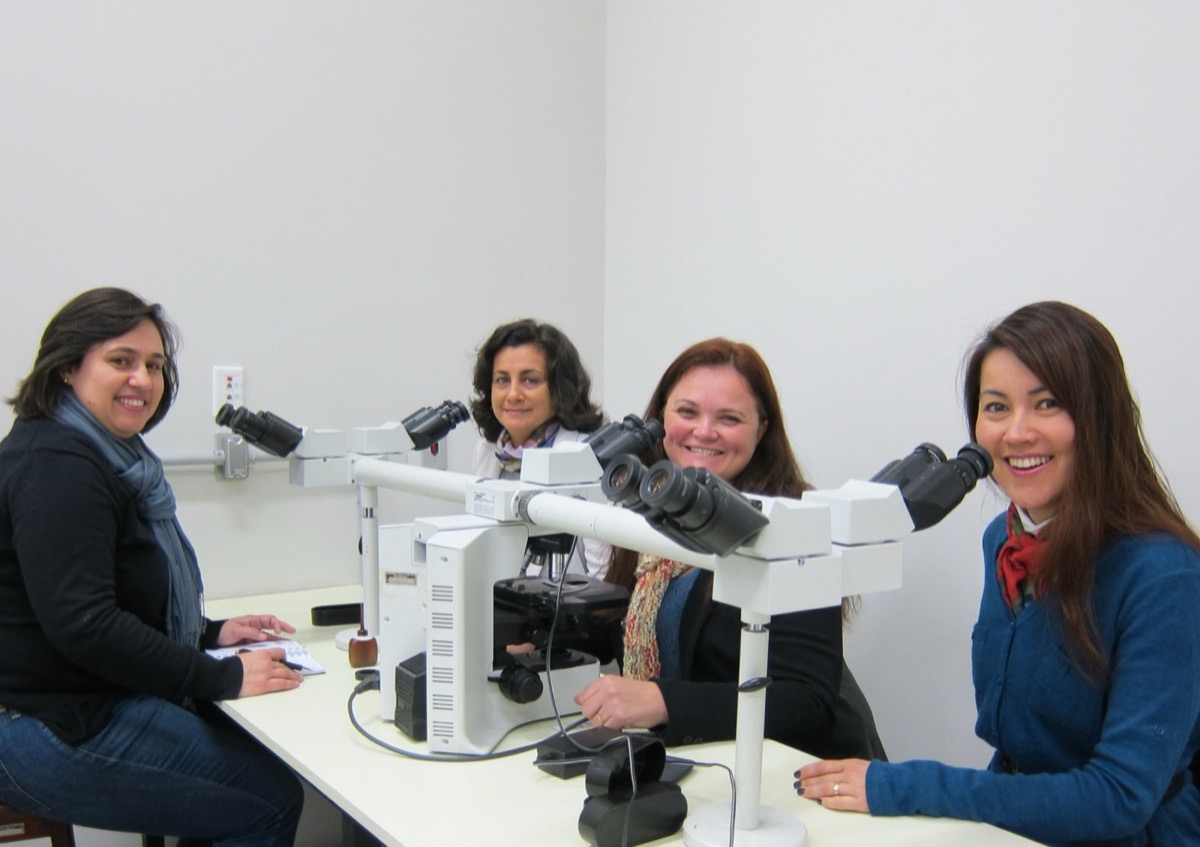
New Algorithms Aid Cancer Screening
An automated method to extract the boundaries of individual cytoplasm and nucleus from overlapping cervical cell images, developed by Berkeley Lab's Daniela Ushizima and Brazilian collaborators, won first place in an IEEE International Symposium on Biomedical Imaging competition. The tool, designed to enhance the cervical cancer screening process, included pattern recognition algorithms developed by DOE's CAMERA to characterize new materials.
Source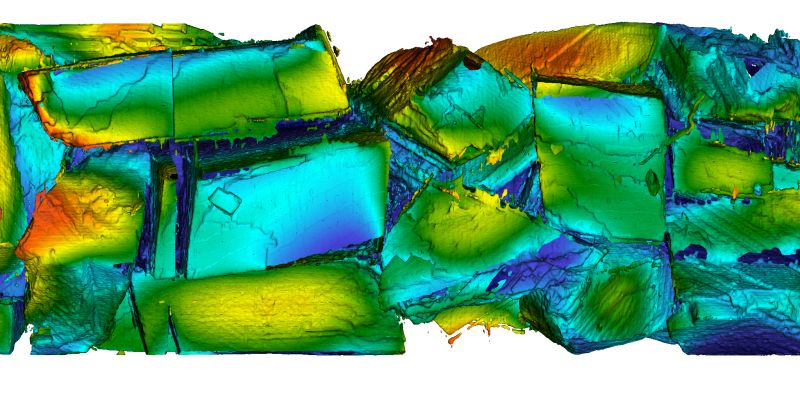
Lab Researchers Model Underground Carbon Capture
Using a new scalable software package developed at Berkeley Lab that incorporates flow and reactive transport solvers and geochemistry components, Computational Research Division (CRD) researchers create microscopic pore-scale simulations that complement or push beyond laboratory findings in the study of carbon capture. Their models of microscopic underground pores are designed to help scientists evaluate ways to store carbon dioxide produced by power plants, keeping it from contributing to global climate change.
Source
Berkeley Lab Mathematician Awarded National Medal of Science
Alexandre Chorin, a mathematician with Berkeley Lab’s Computational Research Division and a professor of mathematics at UC Berkeley, was named by President Obama as a recipient of the National Medal of Science, the nation’s highest honor for achievement and leadership in advancing the fields of science and technology. Chorin is internationally recognized for his significant contributions to turbulence modeling.
Source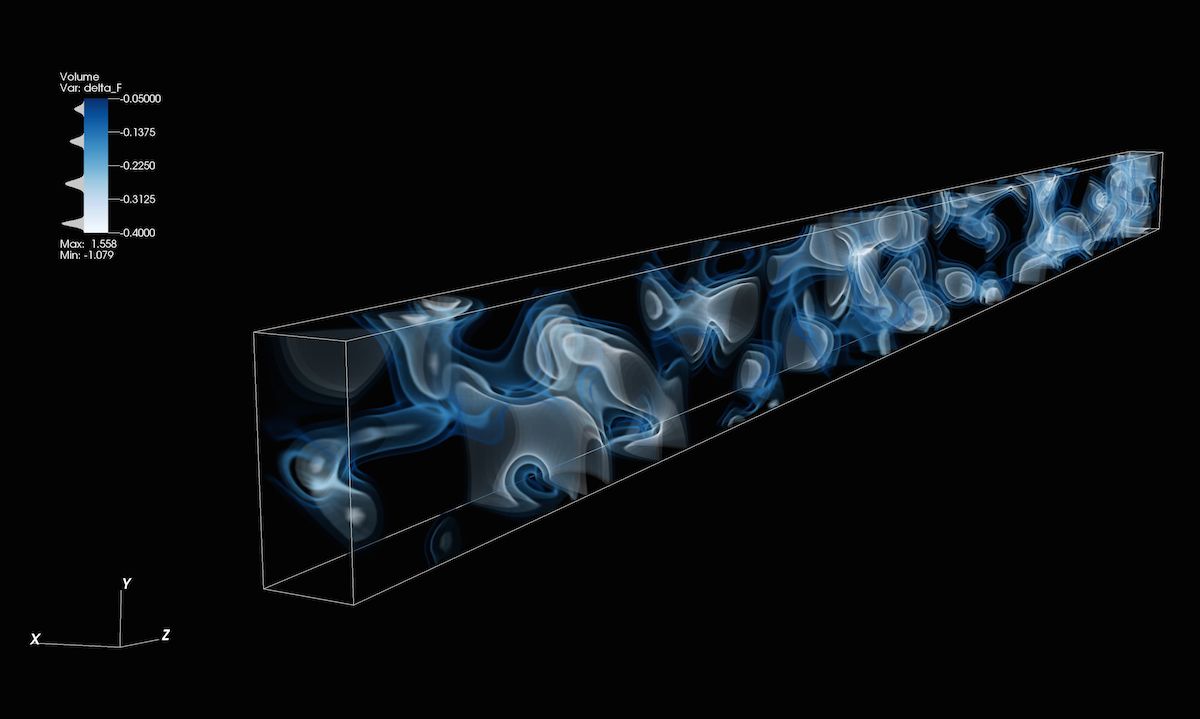
A Novel 3D Map of the Adolescent Universe
Using extremely faint light from galaxies 10.8 billion light years away, scientists have created one of the most complete, three-dimensional maps of a slice of the adolescent universe just 3 billion years after the Big Bang. The map was created by a team that included researchers from Berkeley Lab's Computational Cosmology Center. This was the first time large-scale structures in such a distant part of the universe were directly mapped.
Source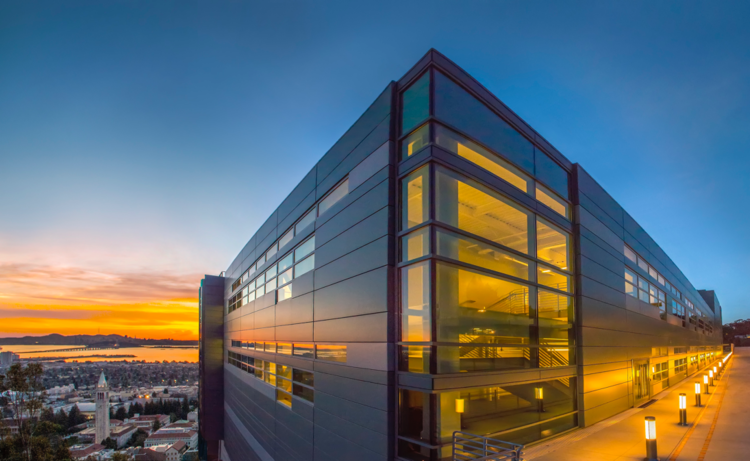
CRD Reorganized for Strategic Alignment and Clarity
On November 3, 2014, CRD is reorganized into four new departments aligned with the division’s strategic directions. Three departments are aligned with the technical capabilities of the division recognizing the Laboratory’s significant strengths in applied mathematics, computer science, and data science and technology research. A fourth. the Computational Science Department, reflects the increasing emphasis on high performance computing in scientific discovery and the strong computational research efforts within CRD in several important scientific areas.
Source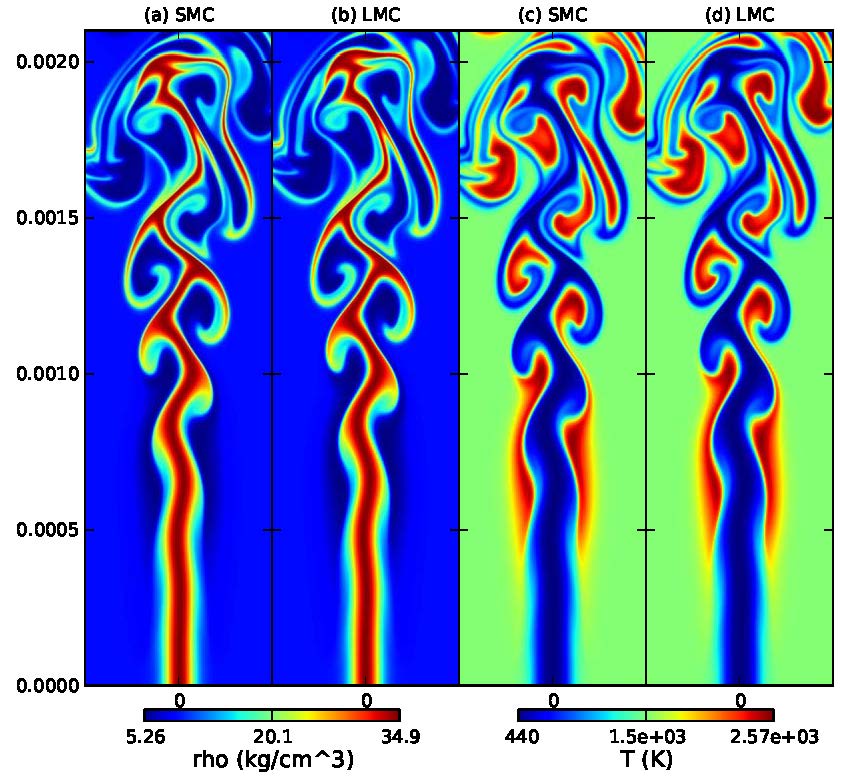
Giving Combustion Systems a Boost
In response to the advent of manycore architectures, which can impact computational efficiencies, CRD researchers at Berkeley Lab optimized key algorithmic features to streamline turbulent flame simulations, which are important to designing more efficient combustion systems. The resulting code, SMC, is designed to simulate turbulent combustion on next-generation architectures. The research team tested it on the Hopper supercomputer at NERSC and saw a 6x decrease in simulation times.
Source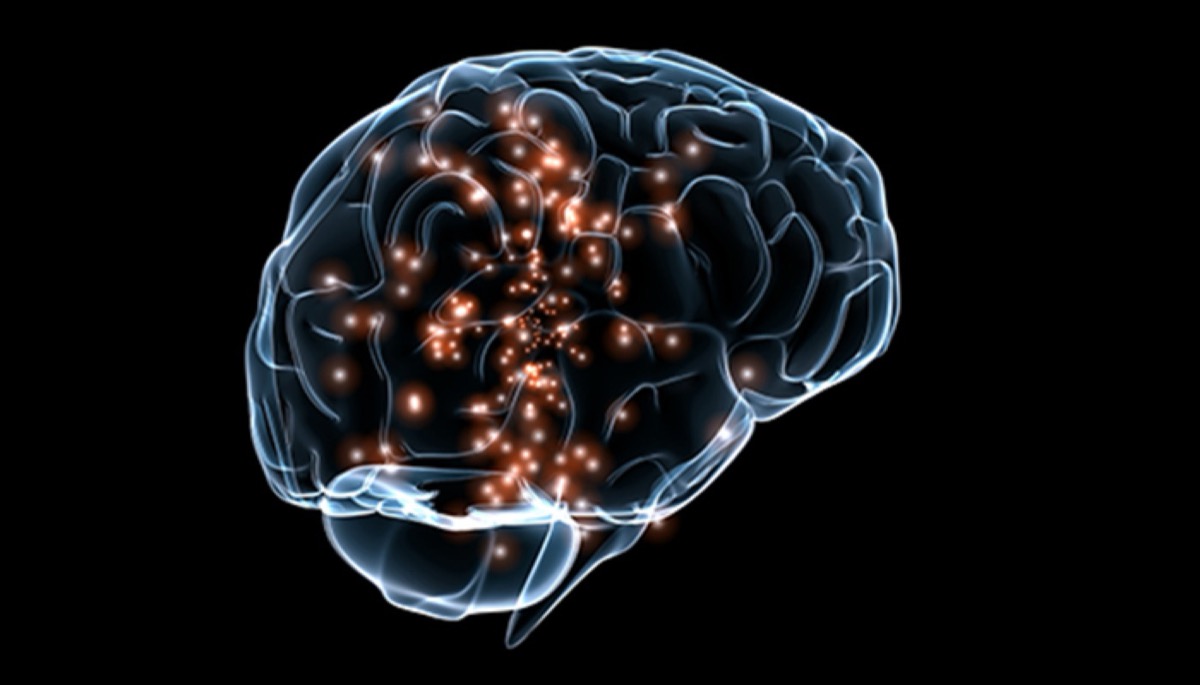
Creating a Standard for Neuroscience Data
The Neurodata Without Borders initiative hosted a hackathon to consolidate ideas for designing and implementing a standard image file format specific to neuroscience. BrainFormat, a neuroscience data standardization framework developed at Berkeley Lab through a collaboration that included Computational Research Division (CRD) researchers, emerged from that event as a strong contender for a community-wide data format and storage standard for neuroscience research.
Source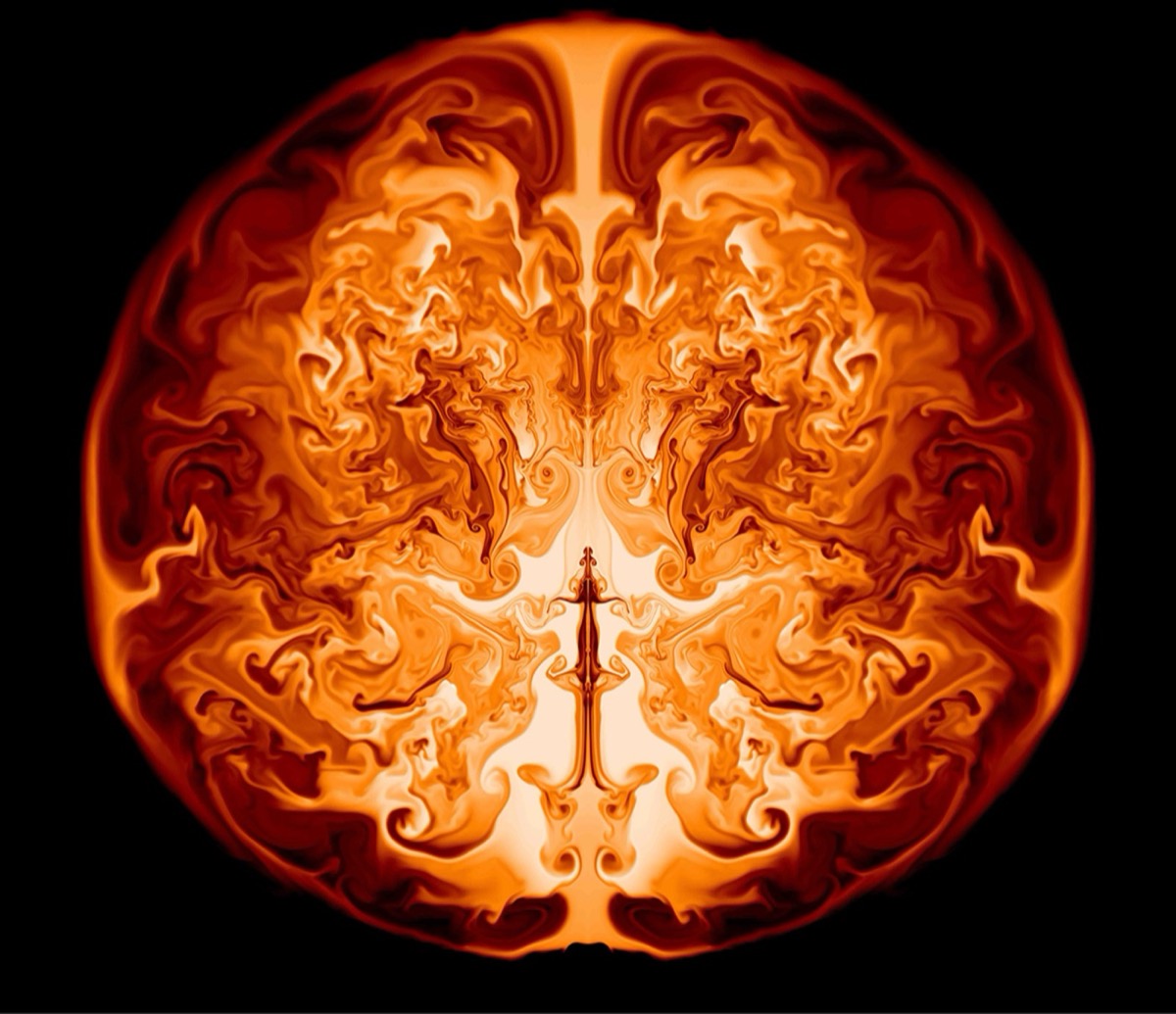
CRD Software Now Available to Users
Berkeley Lab is renowned for developing and contributing to novel software packages used in modeling, simulation, computer science, and data science. For the first time, these tools were incorporated into a single catalog available on the Computational Research Division (CRD) website. The Applied Mathematics offerings include BoxLib and Chombo software frameworks for building adaptive mesh refinement applications; the Computer Science software includes Berkeley UPC and GASnet; and the Data Science and Technology software includes VisIt and FastBit/FastQuery.
Source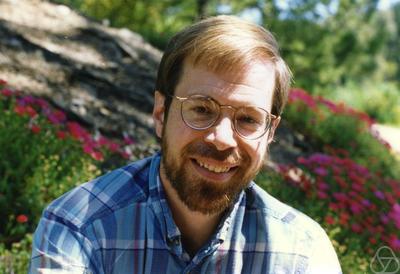
James Demmel Honored as an ACM Computing Innovator
James Demmel, a UC Berkeley professor, who has a joint appointment in Berkeley Lab’s Computational Research Division, received the Association for Computing Machinery’s (ACM’s) Paris Kanellakis Theory and Practice Award. Demmel was honored for his work on numerical linear algebra libraries, including LAPACK (Linear Algebra Package), a standard software library that forms part of the standard mathematical libraries for many vendors.
Source
Grace Hopper Fellowship in Computing Sciences Launches
Berkeley Lab Computing Sciences Area established the Admiral Grace Hopper Fellowship in 2015 with the goal of developing young computational scientists to make outstanding contributions in the area of HPC applications. Taylor Barnes became the first recipient of the Grace Hopper Fellowship. He was responsible for enhancing the performance of materials science calculations on NERSC's Cori supercomputer, which was at that time the fifth most powerful supercomputer in the world.
Source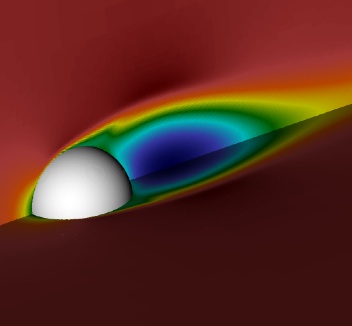
Chombo-Crunch: A Novel Code for Energy, Aerospace, Oil, and Gas
Berkeley Lab researchers released “Chombo-Crunch,” a high-performance computational fluid dynamics and reactive transport code that enhances efforts to develop carbon sequestration as a way to address the Earth’s growing carbon dioxide challenges. The brainchild of David Trebotich, a computational scientist in the Computational Research Division (CRD), and Carl Steefel, a computational geoscientist in the Earth Sciences Division, Chombo-Crunch could also lead to new safety measures in the oil and gas industry and aerospace engineering.
Source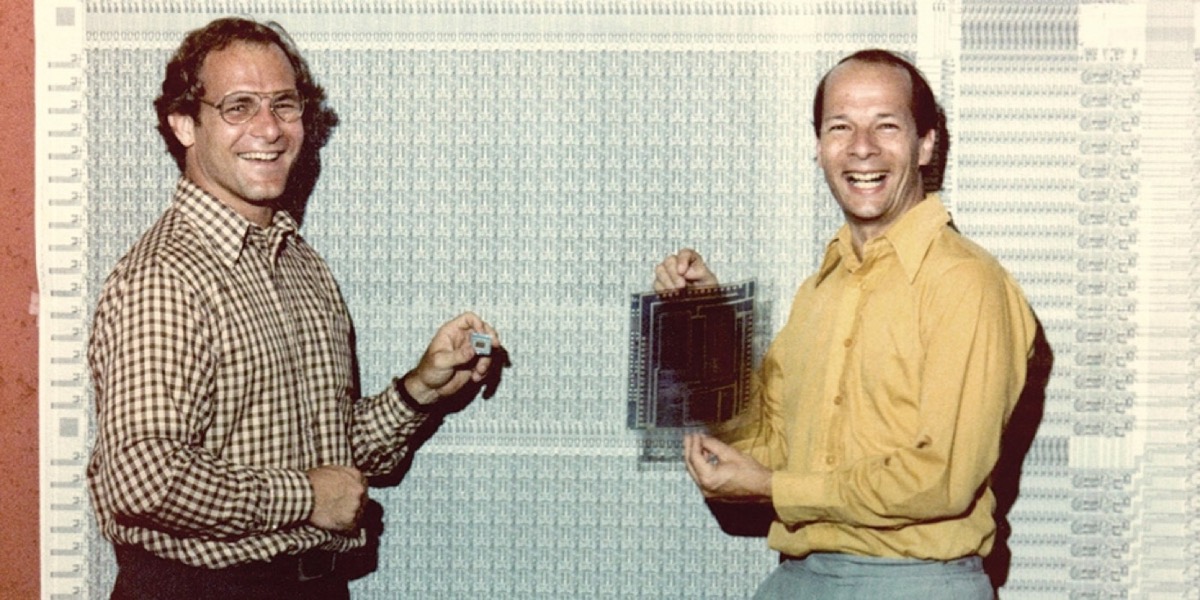
CRD’s Patterson Honored for RISC Development
David Patterson (Pardee Professor of Computer Science at UC Berkeley and CRD appointee) was recognized by IEEE for his role in the seminal 1981 development of Reduced Instruction Set Computer (RISC) technology, which revolutionized the way microprocessors function and enabled personal workstations and, later, mobile computing. Patterson was honored with a plaque installed by IEEE at UC Berkeley commemorating “IEEE Milestone in Electrical and Computer Engineering.”
Source
‘Meraculous’ Speeds Genome Assembly
By applying some novel algorithms, computational techniques, and the programming language Unified Parallel C to the genome assembly tool Meraculous, scientists from the Computational Research Division, Joint Genome Institute, and UC Berkeley simplified and reduced a months-long genome assembly process to minutes. This was primarily achieved by parallelizing the code – splitting up tasks once executed one-by-one and modifying or rewriting the code to run on the many nodes of a supercomputer all at once.
Source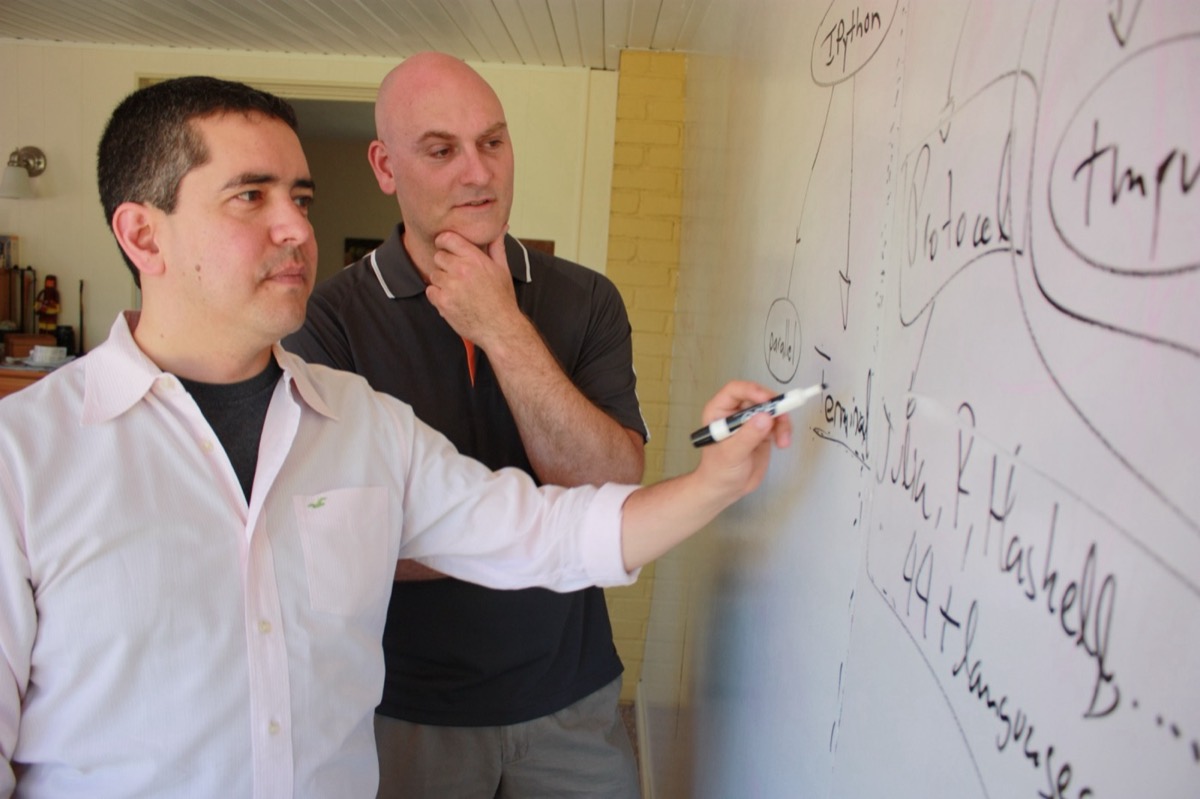
Project Jupyter Awarded $6M to Expand
Three foundations pledged $6 million over three years to Project Jupyter, an open-source software project that supports scientific computing and data science across a wide range of programming languages via a large, public, open, and inclusive community. Led by Berkeley Lab’s Fernando Perez and Brian Granger of California Polytechnic University, San Luis Obispo, Project Jupyter benefitted from their work developing iPython, a popular user interface for interactive computing across multiple programming languages.
Source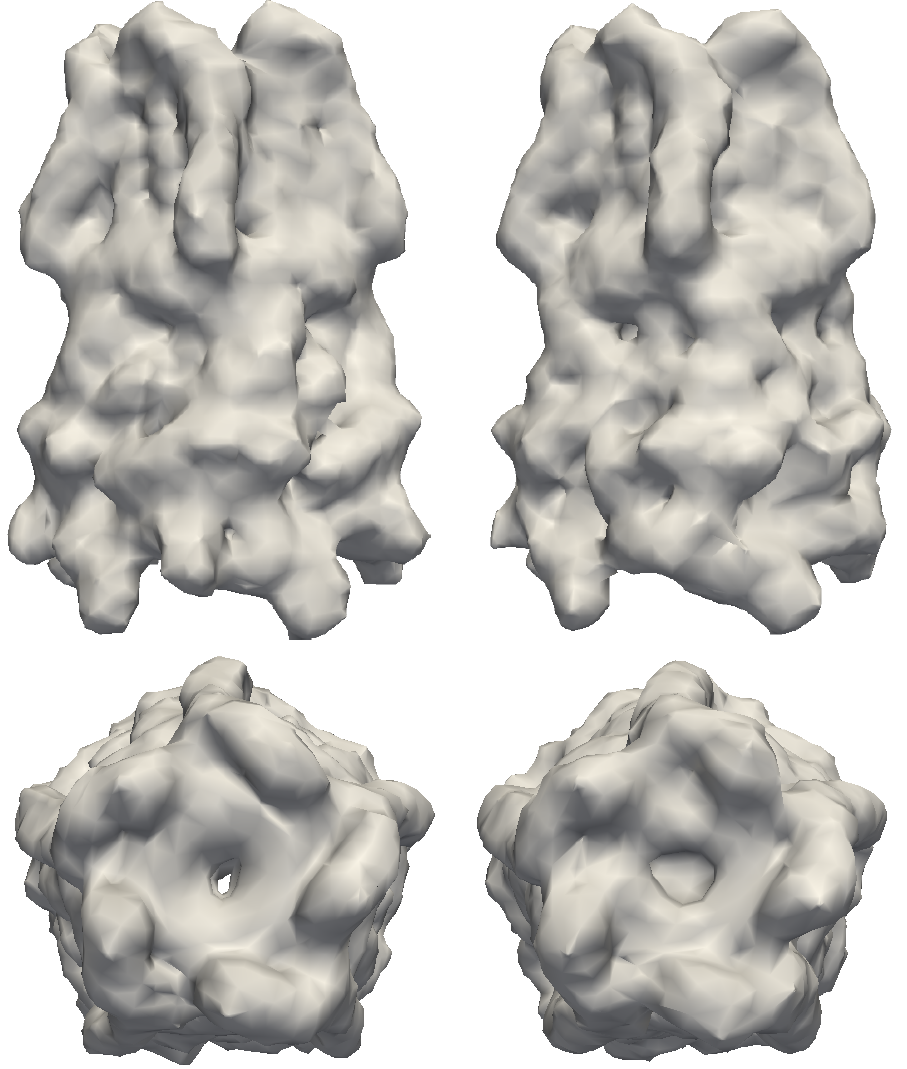
M-TIP Enhances Macromolecular Imaging
Berkeley Lab computational researchers introduced a new mathematical theory and algorithm, dubbed "Multi-tiered iterative phasing (M-TIP)," that’s designed to solve well-known reconstruction problems when working with fluctuation X-ray scattering data used to visualize the structure of proteins in their native environment. This approach was an important step toward new advances in biophysics, with the promise of ushering in new tools to help solve some of the most challenging problems in the life sciences.
Source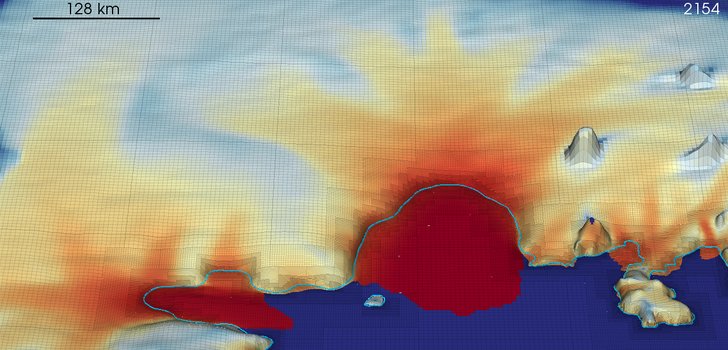
BISICLES Models West Antarctica’s Future
An international study was the first to use BISICLES — a high-resolution, large-scale computer model developed at Berkeley Lab — to estimate how much ice the West Antarctic Ice Sheet could lose over the next couple of centuries and how much that could add to sea-level rise. Berkeley Lab researcher Daniel Martin was a co-author of the study, which created simulations that enabled more accurate predictions about West Antarctica’s future than previously possible.
Source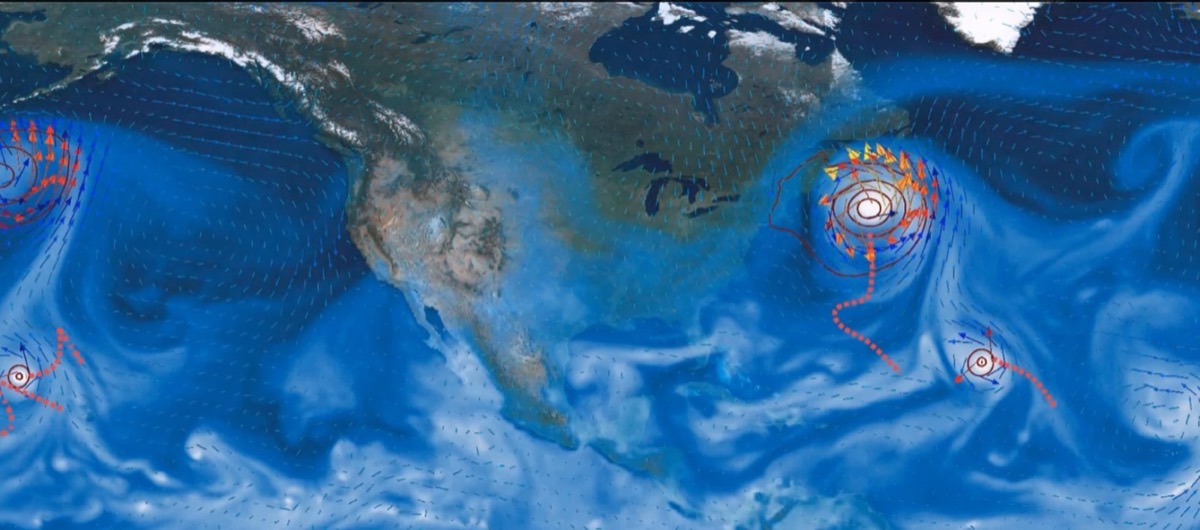
Climate Software Honored for Advancing Pattern Recognition
The Toolkit for Extreme Climate Analysis (TECA), developed at Berkeley Lab to detect extreme weather events in large datasets, was recognized for its achievements in solving large-scale pattern-recognition problems. “TECA: Petascale Pattern Recognition for Climate Science,” presented at the 16th International Conference on Computer Analysis of Images and Patterns, was honored for best application of HPC technology in solving a pattern-recognition problem, reducing the runtime for pattern-detection tasks from years to hours.
Source
CAMERA Gets Funding Boost from DOE
The U.S. Department of Energy approved a joint ASCR-BES-supported award of $10.5 million over three years to expand Berkeley Lab’s Center for Advanced Mathematics for Energy Research Applications (CAMERA). CAMERA’s mission is to develop fundamental mathematics and algorithms, delivered as data analysis software that can accelerate scientific discovery, by assembling teams of applied mathematicians, statisticians, experimental scientists, computational physicists, computer scientists and software engineers to tackle emerging challenges at scientific user facilities across DOE.
Source
Sustainable Research Pathways Takes Flight
A new initiative was launched by Berkeley Lab's Computing Sciences Area to provide research opportunities for faculty and students from diverse backgrounds. Developed in partnership with the Sustainable Horizons Institute, the Sustainable Research Pathways program recruits faculty and students from a variety of institutions, including minority-serving institutions and women’s colleges from under-represented or under-privileged backgrounds, for summer research opportunities at the lab.
Source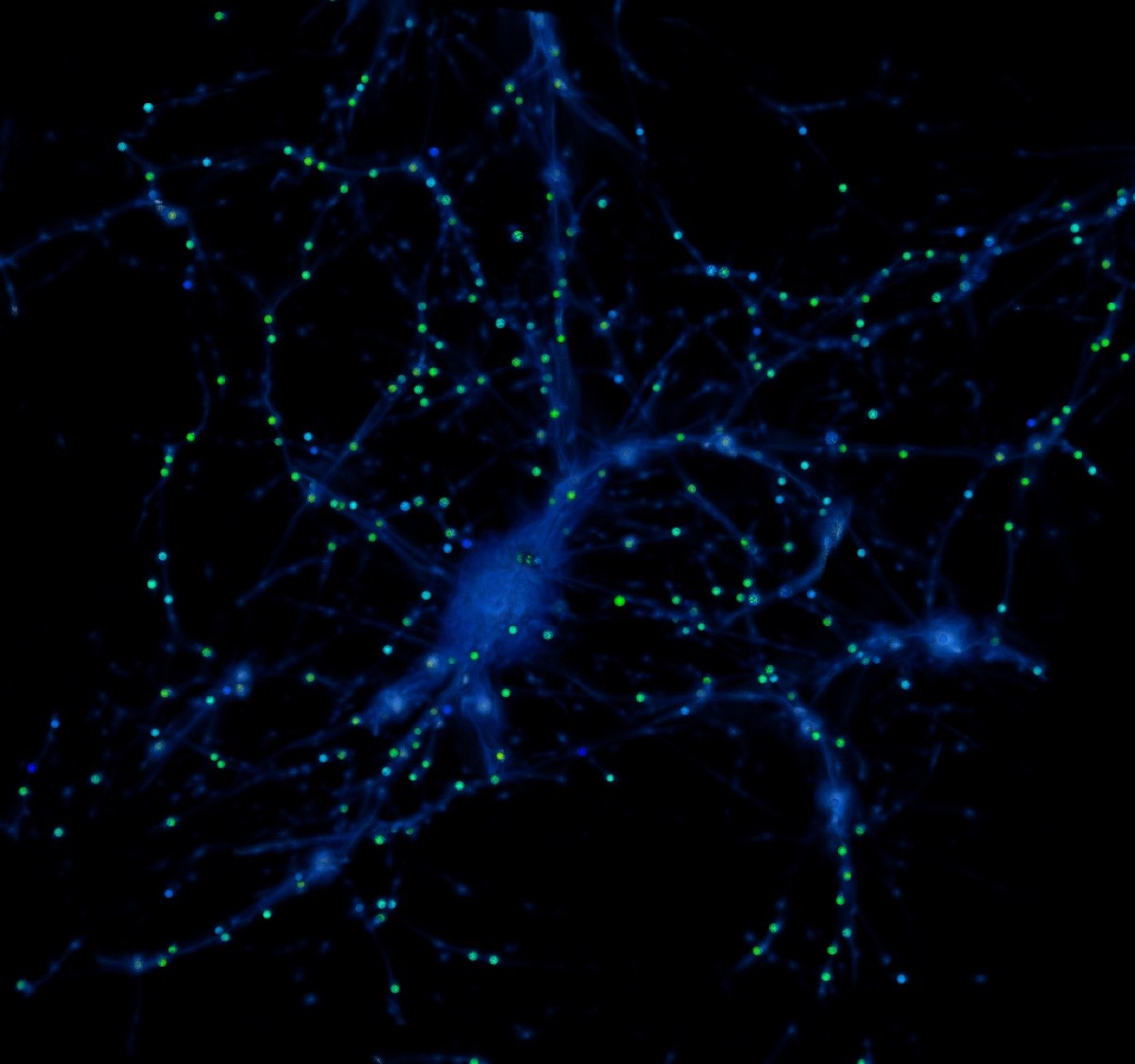
Concurrent Analytics for Large-Scale Simulations
A software tool developed through a multi-disciplinary collaboration at Berkeley Lab allows researchers doing large-scale simulations on supercomputers to do data analytics and visualizations of their simulations while the simulations are running. “In transit analytics” gives scientists working in cosmology, astrophysics, subsurface flow, combustion research and other fields a more efficient way to manage and analyze the increasingly large datasets generated by their simulations.
Source
Shyh Wang Hall Opens as Berkeley Lab's New Hub for Supercomputing and Networking
On November 12, 2015, Berkeley Lab’s Computational Research Division, NERSC, and ESnet moved into the newly opened Shyh Wang Hall. This highly energy-efficient facility united the three computing sciences divisions under one roof to foster collaboration and advance high-performance computing and high-speed networking for the national scientific community.
Source
OpenMSI Wins R&D100 Award
OpenMSI, developed by Berkeley Lab researchers to analyze and visualize mass spectrometry (MS) instrument data, was honored with an R&D100 award. MSI technology is used to study tissues, cell cultures, and bacterial colonies at the molecular level. But as the mass and spatial resolution of MS instruments increases, so do the number of pixels in images and data size. OpenMSI overcomes this by making optimized computing technologies available via a user-friendly interface.
Source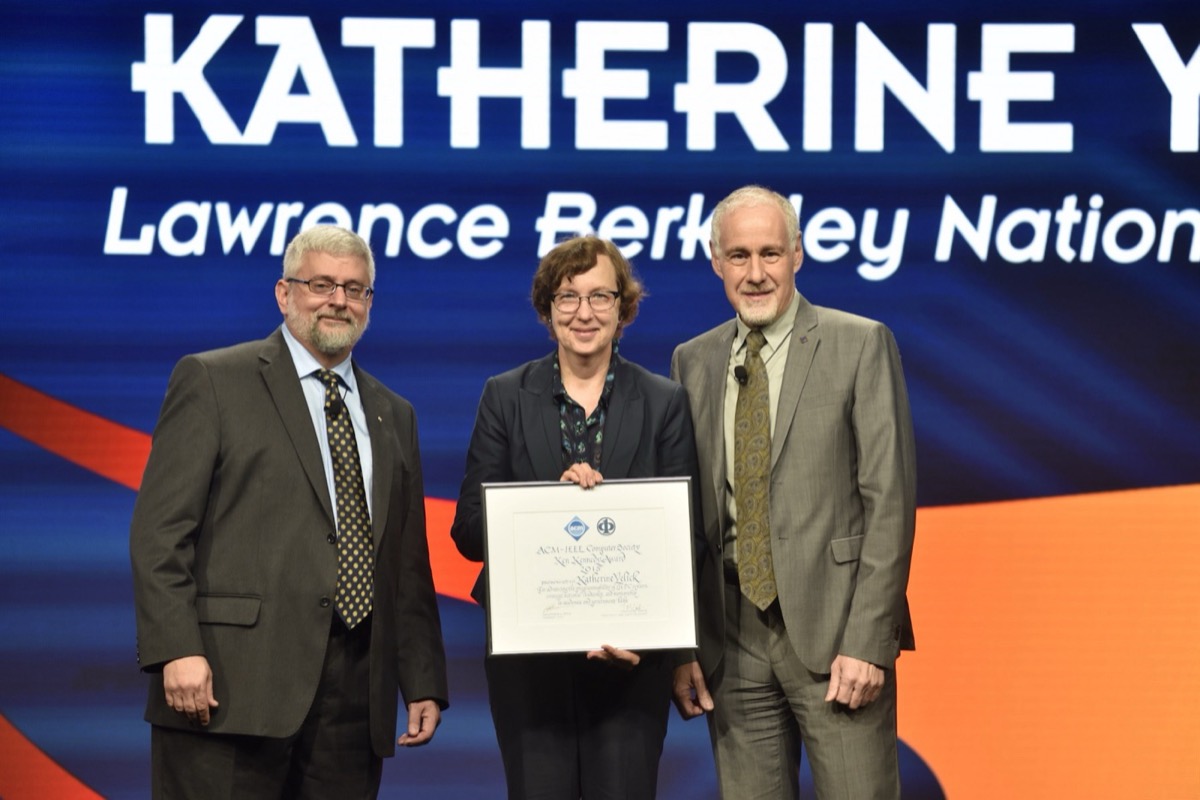
Kathy Yelick Receives ACM/IEEE-CS Kennedy Award
Berkeley Lab’s Katherine Yelick received the 2015 ACM/IEEE Computer Society Ken Kennedy Award for innovative research contributions to parallel computing languages that have been used in both the research community and production environments. Yelick was also cited for her strategic leadership of the national research laboratories and for developing novel educational and mentoring tools. The award was presented at the SC15: International Conference for High Performance Computing, Networking, Storage and Analysis in Austin, Texas.
Source
Berkeley Lab Takes Stake in Cybersecurity Initiative
The Department of Energy’s Energy Sciences Network and the Corporation for Education Network Initiatives in California (CENIC) announced an initiative to jointly develop cybersecurity strategies and research projects. Berkeley Lab’s Sean Peisert was named director of the new CENIC/ESnet Joint Cybersecurity Initiative and chief cybersecurity strategist for CENIC.
Source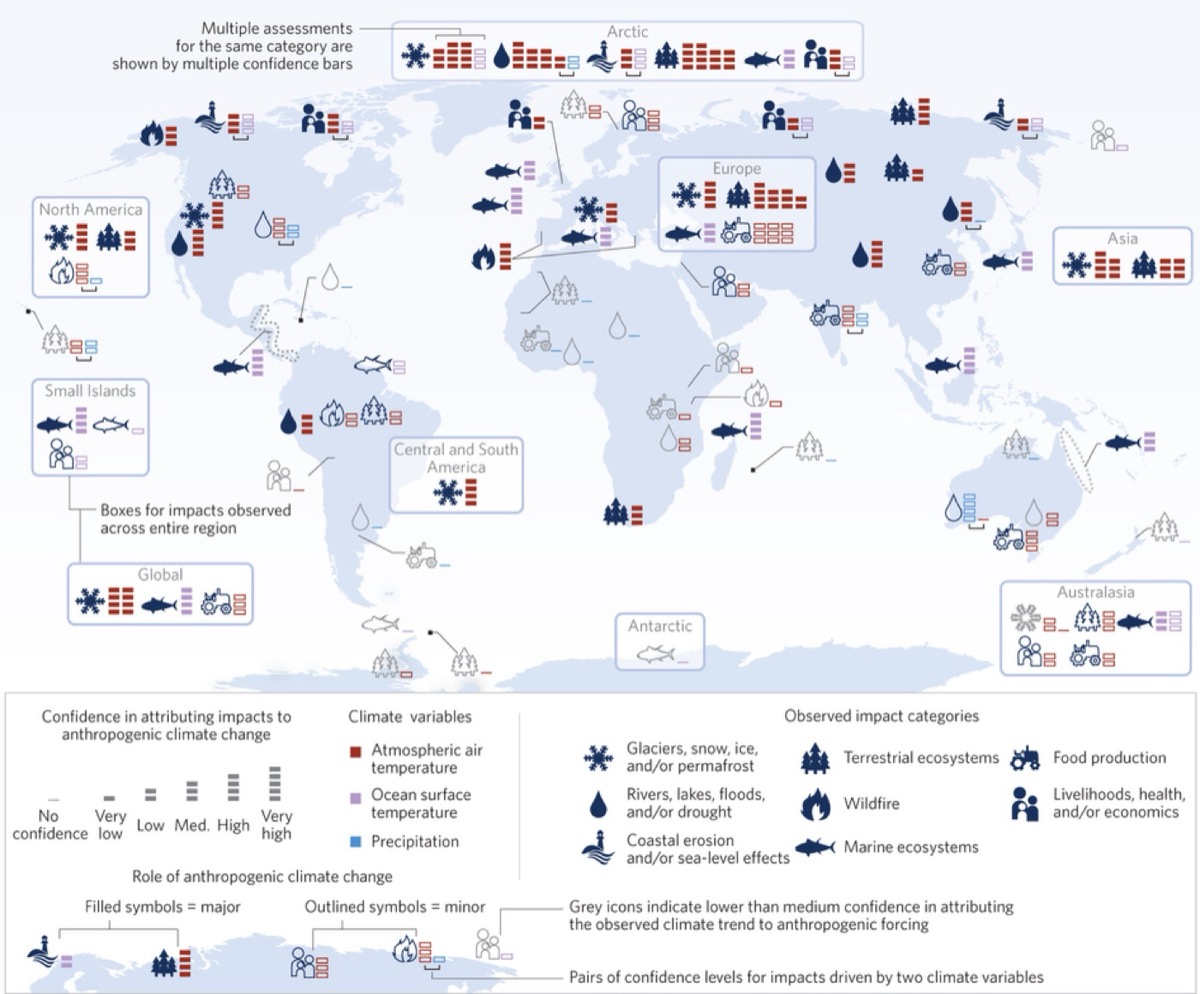
Assessing the Impact of Human-Induced Climate Change
Researchers from the Computational Research Division and the Potsdam Institute for Climate Impact Research applied a novel algorithm to computer modeling to better identify the relationship between climate change and human-related influences versus natural regional fluctuations. Their analysis revealed that almost two-thirds of 100+ impacts – including wildfires, melting glaciers, and changes in terrestrial ecosystems – could confidently be attributed to human-generated emissions of greenhouse gases.
Source
A New Approach to Fluid Interface Dynamics
Berkeley Lab’s Robert Saye developed a new mathematical framework that captures fluid dynamics at unprecedented detail. By reformulating the incompressible Navier-Stokes equations, the algorithms can capture the small-scale features near evolving interfaces and the impact these tiny structures have on dynamics far away from the interface. The work could be used in a range of applications, such as optimizing the shape of a propeller blade and the ejection of ink droplets in printers.
Source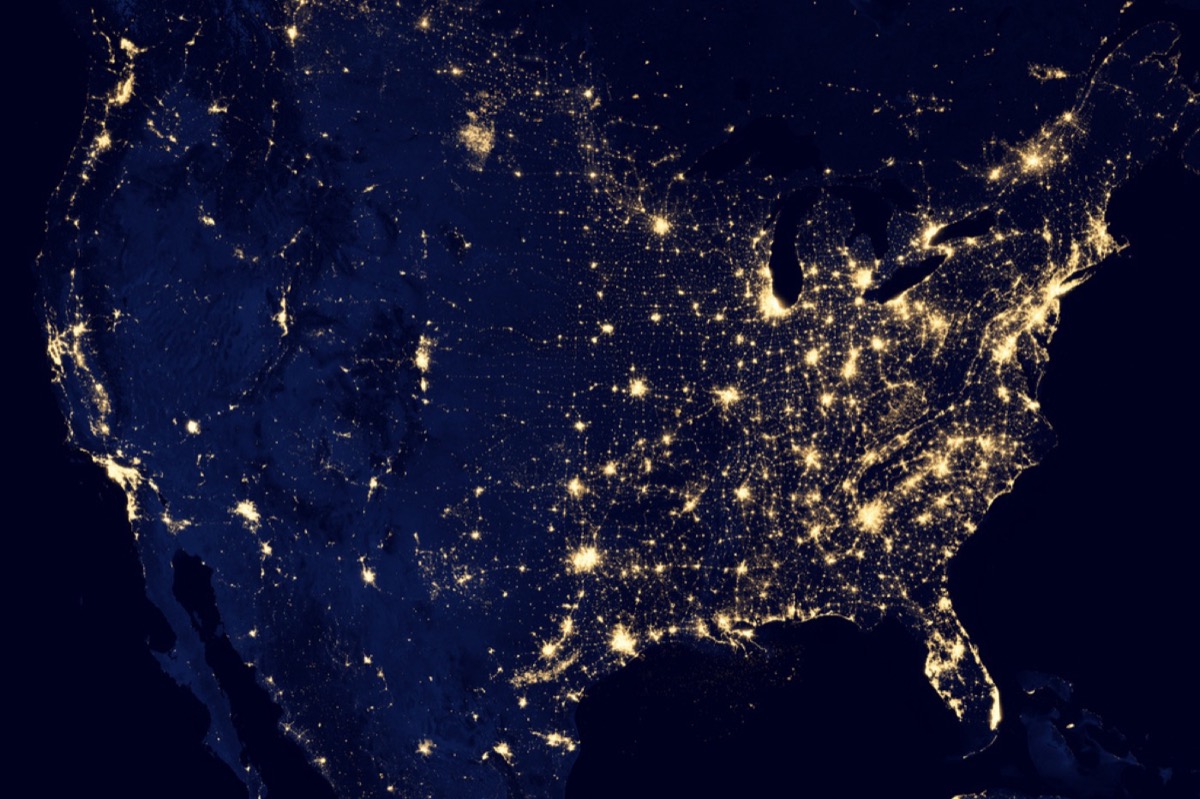
Sean Peisert Leads Program to Increase Power Grid Security
Berkeley Lab’s Sean Peisert was selected to co-lead a new program to develop data analysis methods to better protect the nation’s power grid. The project, “Threat Detection and Response with Data Analytics,” was part of DOE's $220 million, three-year Grid Modernization Initiative. Project goals were to distinguish between power grid failures caused by cyber attacks and failures caused by other means, including natural disasters, “normal” equipment failures, and physical attacks.
Source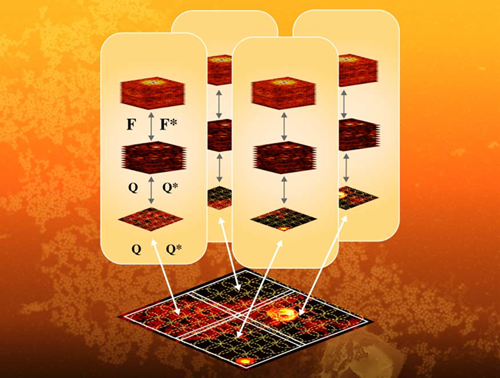
SHARP: A ‘Killer App’ for Ptychography
In a collaboration between the Advanced Light Source (ALS), Uppsala University, and CRD’s CAMERA, researchers coupled ptychography – an x-ray imaging technique that combines diffraction and microscopy – with applied mathematics and supercomputing to turn high-throughput "imaging by diffraction" datasets into the sharpest 3D images ever produced. The result is SHARP (Scalable Heterogeneous Adaptive Real-time Ptychography), an algorithmic framework and computer software for the fast reconstruction of images from ptychographic data.
Source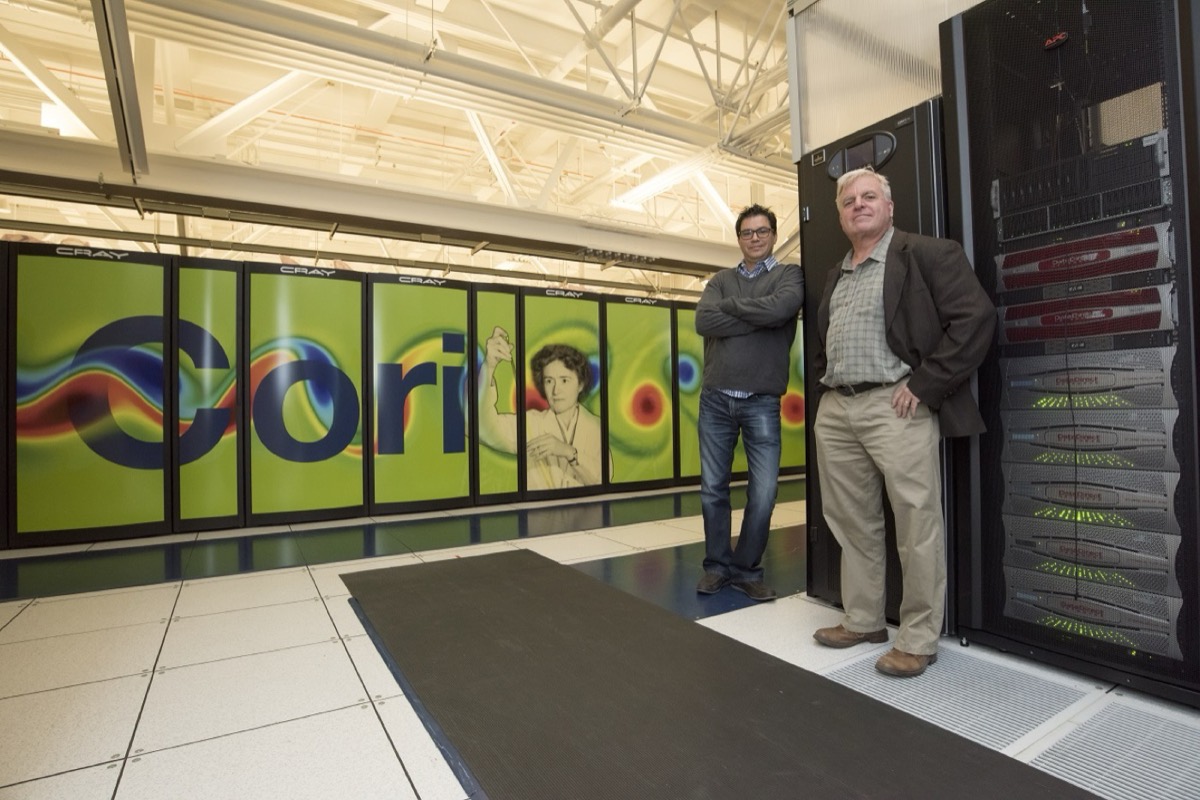
Exascale Codes for Subsurface Flow Research
Berkeley Lab scientists played key roles in developing 11 critical research applications for next-generation supercomputers as part of DOE’s Exascale Computing Project. One project, “An Exascale Subsurface Simulator of Coupled Flow, Transport, Reactions and Mechanics,” co-led by the Computational Research Division’s David Trebotich, focused on code development to better understand and predict the interacting hydrological, chemical, thermal, and mechanical processes in subsurface formations for improved energy extraction and safely storing CO2 and other wastes.
Source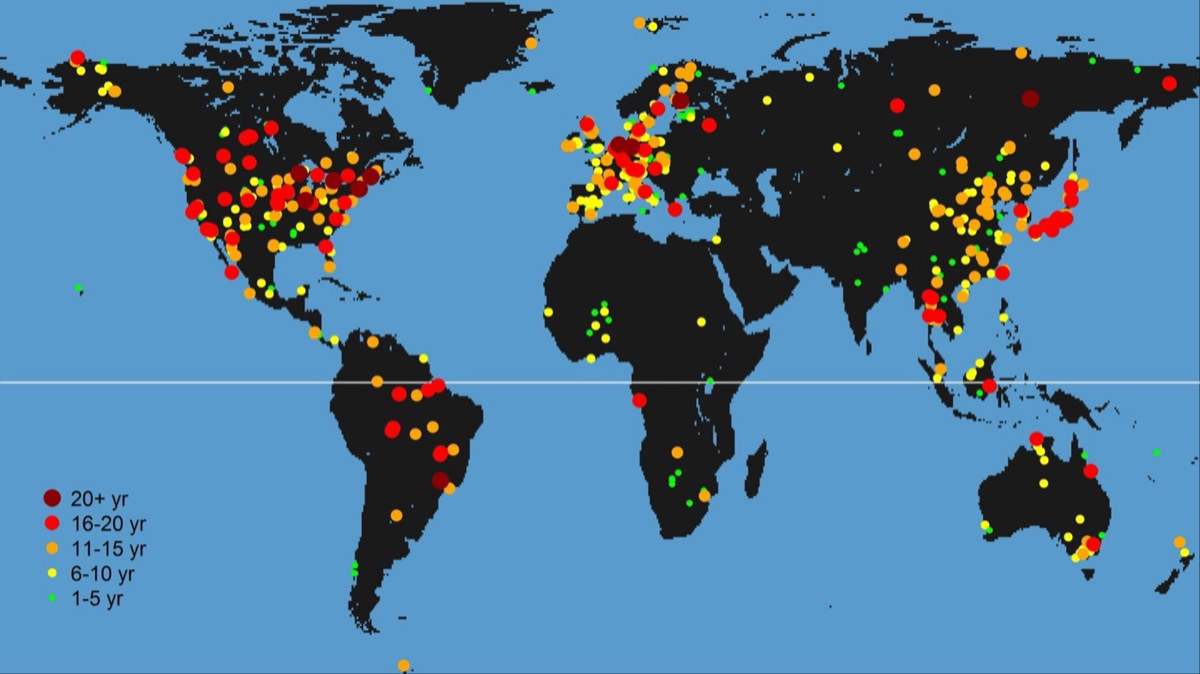
Lab Researchers Create Global Database to Study The Carbon Cycle
Around the world—from tundra to tropical forests and ecosystems in between—environmental researchers have set up micrometeorological towers to monitor carbon, water, and energy fluxes, which are measurements of how carbon dioxide, water vapor, and energy circulate between the soil, plants, and atmosphere. Many of these towers have been collecting data for almost 30 years, and Berkeley Lab computer scientists helped build the FLUXNET database to make this raw data publicly available for research.
Source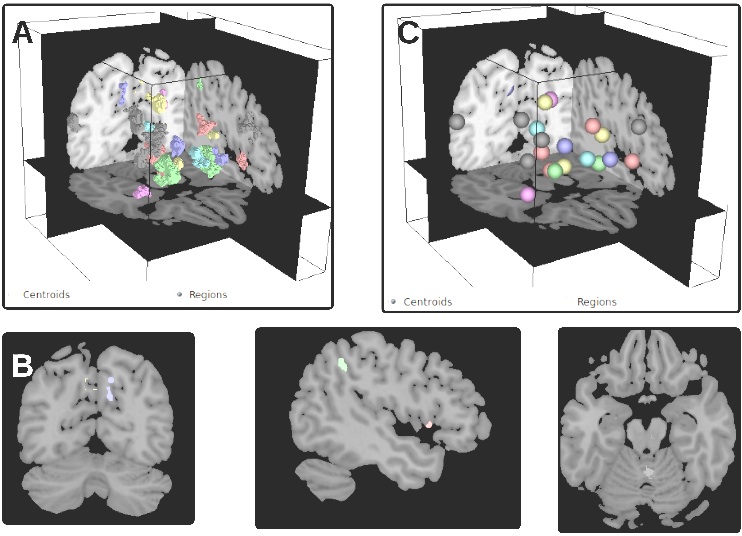
The Brain Modulyzer: An Interactive Window Into the Brain
A new tool developed at Berkeley Lab allows researchers to interactively explore the hierarchical processes that happen in the brain when it is resting or performing tasks. Scientists hope the “Brain Modulyzer” can shed light on how neurological diseases like Alzheimer’s spread throughout the brain. The software combines multiple coordinated views of functional magnetic resonance imaging data — like heat maps, node-link diagrams, and anatomical views — to provide context for brain connectivity data.
Source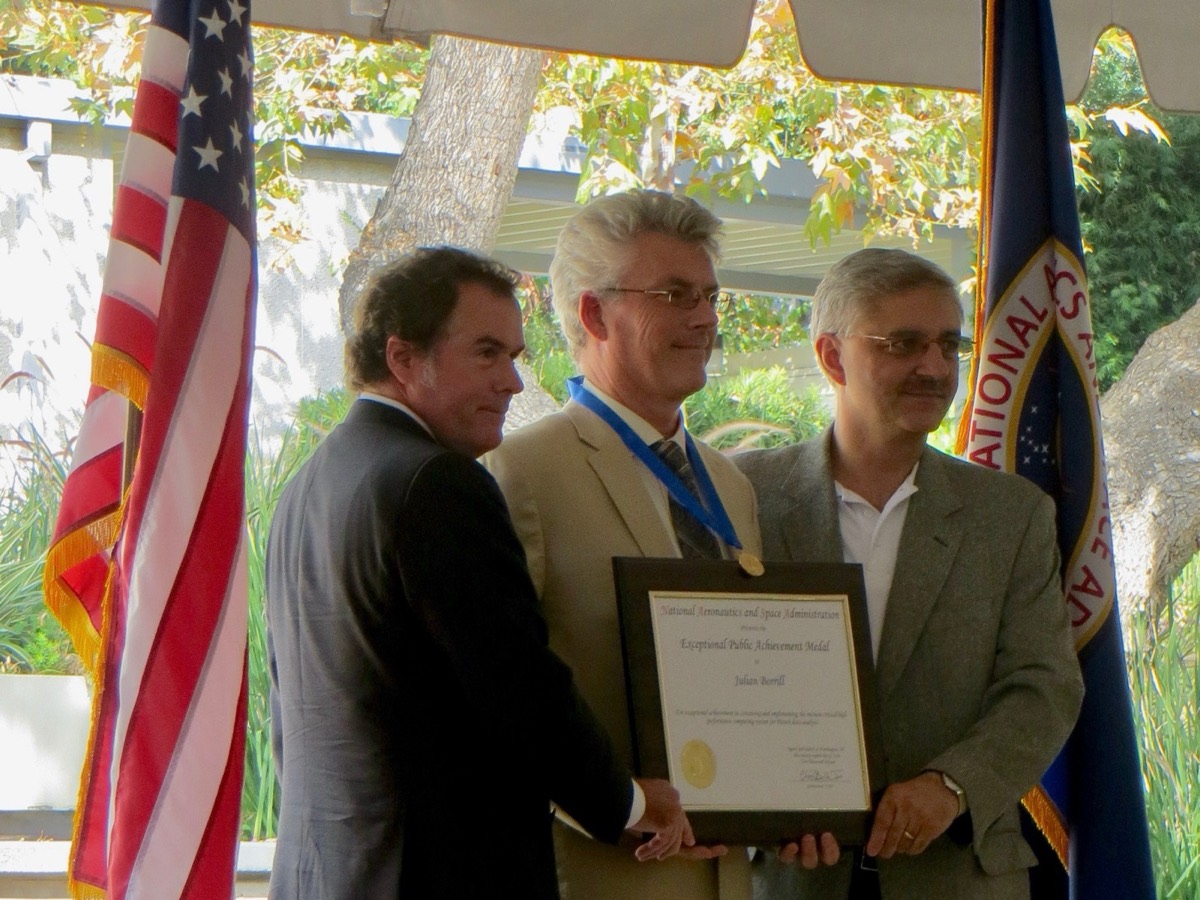
Julian Borrill Receives NASA's Exceptional Public Achievement Medal
Julian Borrill, head of Berkeley Lab’s Computational Cosmology Center, was awarded the NASA Exceptional Public Achievement Medal for “conceiving and implementing the mission-critical high performance computing system for Planck data analysis.” Over 15 years, Borrill was instrumental in supporting the data requirements of the Planck satellite mission and establishing Berkeley Lab as the computational hub for the U.S. Planck community.
Source
CCSI Toolset Wins R&D100 Award
The CCSI Toolset — a suite of computational tools and models designed to accelerate the development of cost-effective carbon capture technology — was honored with a 2016 R&D100 Award. More than a dozen Computational Research Division (CRD) staff contributed to the toolset’s development.
Source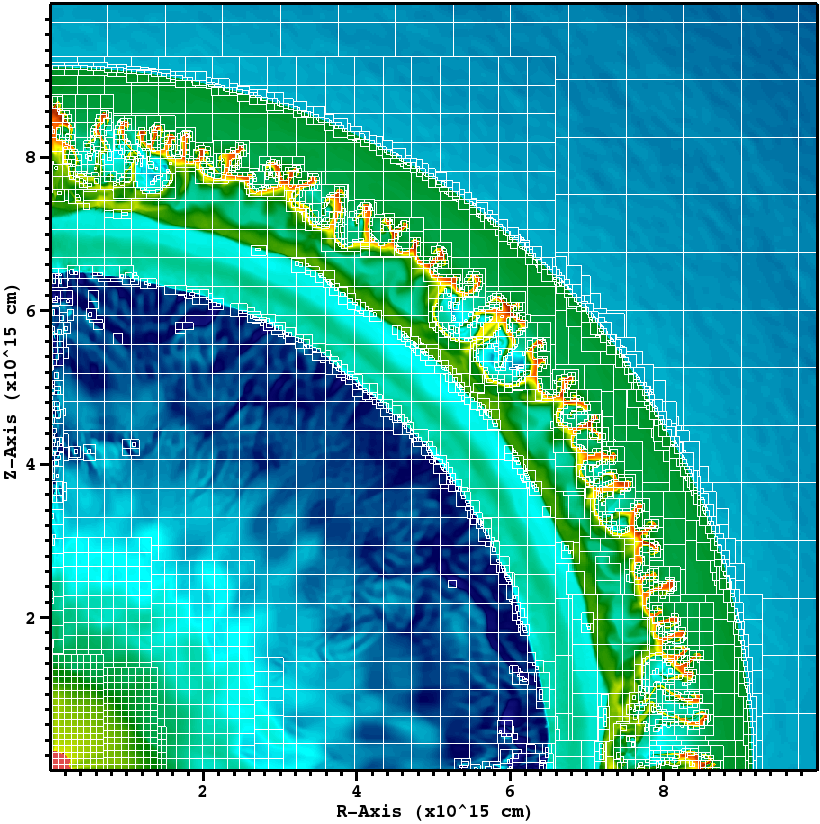
Berkeley Lab Leads Exascale AMR Co-Design Center
Berkeley Lab was selected to lead one of four Exascale Computing Project co-design centers: the Block-Structured Adaptive Mesh Refinement Co-Design Center, led by Berkeley Lab’s John Bell. The center’s goal is to develop a new framework, AMReX, and support the development of block-structured AMR algorithms for solving systems of partial differential equations with complex boundary conditions on exascale architectures.
Source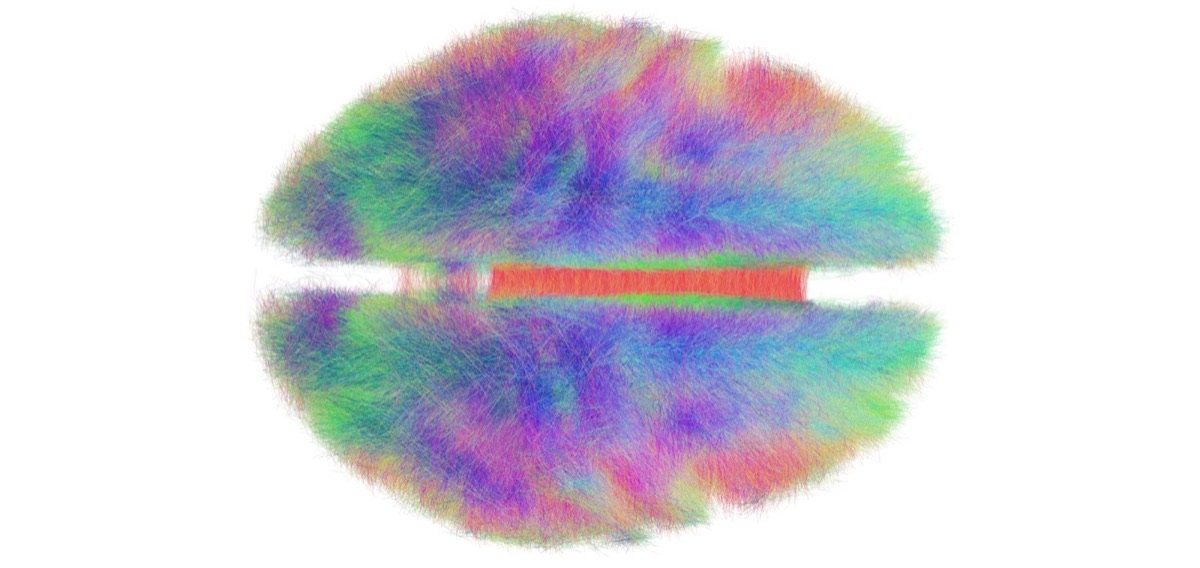
CRD Researchers Participate in U.S. BRAIN Initiative
In response to the U.S. BRAIN Initiative’s goal to accelerate the development and application of novel technologies that will enhance our understanding of how the brain works, CRD computational neuroscientist Kristofer Bouchard assembled an international team of interdisciplinary researchers — including mathematicians, computer scientists, physicists and experimental and computational neuroscientists — to develop a plan for managing, analyzing and sharing neuroscience data.
Source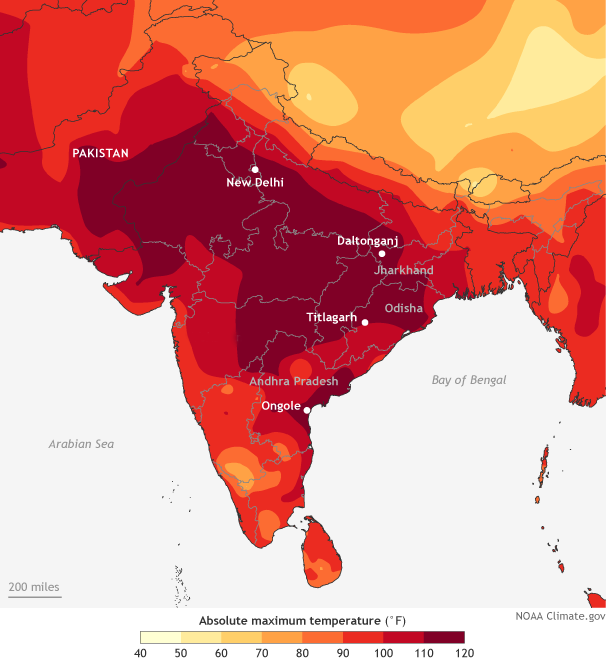
Simulations Confirm Observations of 2015 Heat Waves
“The Deadly Combination of Heat and Humidity in India and Pakistan in Summer 2015,” a study presented at the American Geophysical Union fall meeting, provided new evidence of human influence on extreme weather events. A collaboration of researchers from Berkeley Lab, the Indian Institute of Technology Delhi, and UC Berkeley investigated the cause of the heat waves and whether the events were linked. “Observations suggested human influence; simulations confirmed it,” said Berkeley Lab’s Michael Wehner.
Source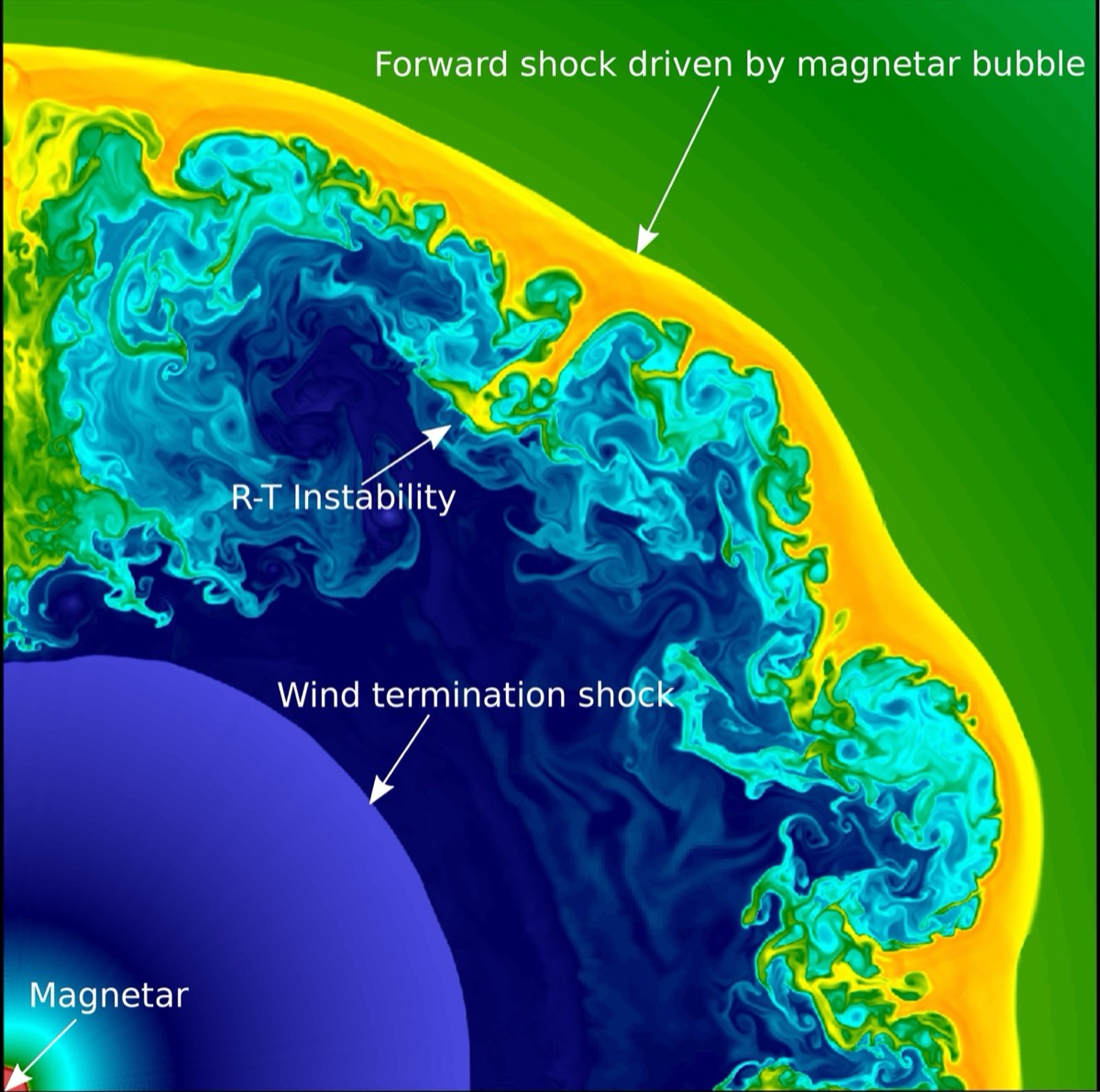
Modeling Superluminous Supernova in 2D
To better understand the physical conditions that create superluminous supernovae, astrophysicists ran two-dimensional (2D) simulations of these events using supercomputers at NERSC and Berkeley Lab’s CASTRO code. According to the researchers, this was the first time superluminous supernovae had been simulated in 2D; previous studies had only modeled these events in 1D. Modeling a star in 2D can capture detailed information about fluid instability and mixing not possible with 1D simulations.
Source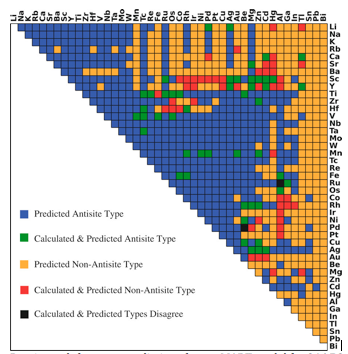
Machine Learning Speeds Study of Metal Compound Defects
Berkeley Lab scientists were part of a research team that tapped into the lab’s Materials Project Database to build and train machine learning algorithms to predict defect behavior in certain intermetallic compounds with high accuracy. This method – a first – helped accelerate research of new advanced alloys and lightweight new materials for applications spanning automotive to aerospace and more.
Source
Kathy Yelick Named to National Academy of Engineering
Berkeley Lab’s Associate Laboratory Director for Computing Sciences Katherine Yelick was named to the National Academy of Engineering. Yelick was recognized “for software innovation and leadership in high-performance computing.” Her work has improved the programmability of high performance computing through innovations to parallel languages and runtime systems. Her contributions to language design and compiler research were key to the success of partitioned global address space for expressing applications with irregular communication patterns on parallel machines.
Source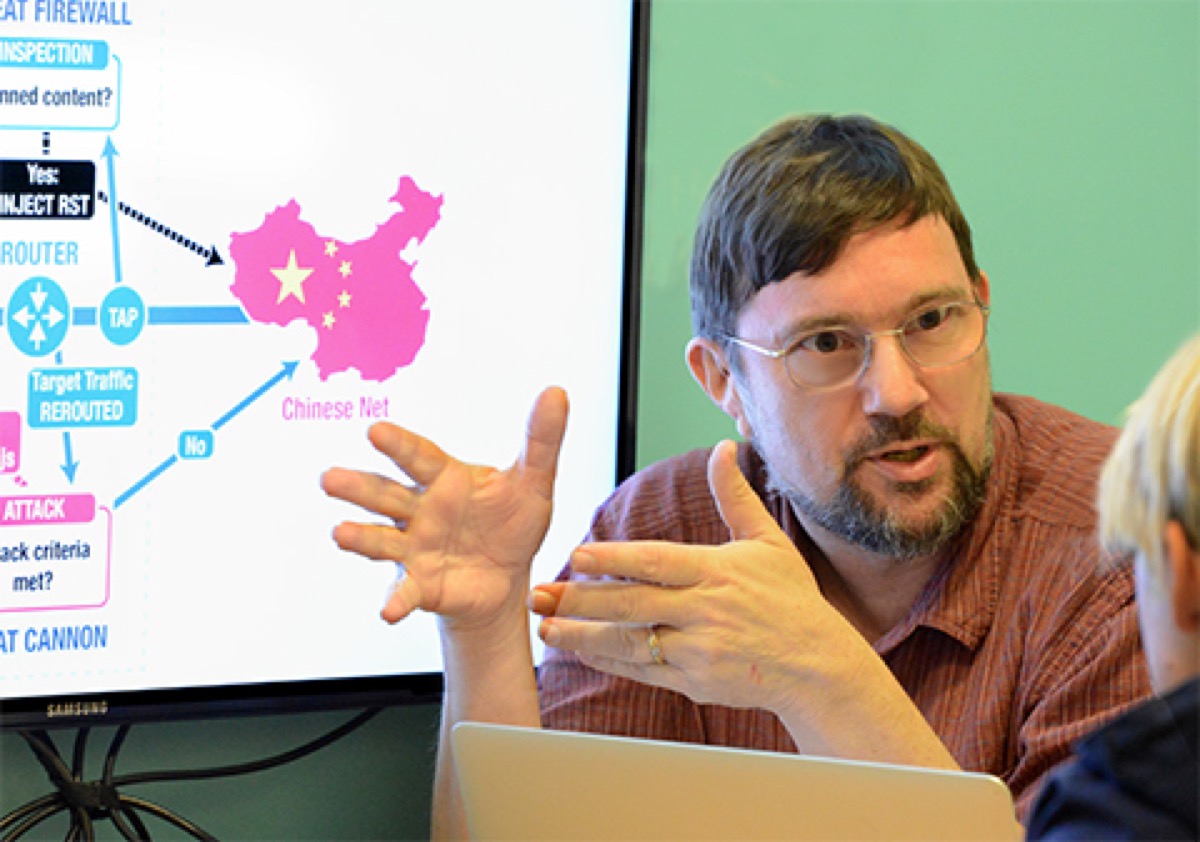
A ‘VAST’ Step Forward in Cyber Security
Network researcher Vern Paxson and postdoc Matthias Vallentin developed VAST, a system designed to help forensic security analysts pinpoint how much of an organization’s computer network has been compromised, and where. Twenty-two years earlier, as a computer science graduate student, Paxson devised another security tool — Bro — that came to be used worldwide to instantly capture the torrent of communications that a hack might compromise.
Source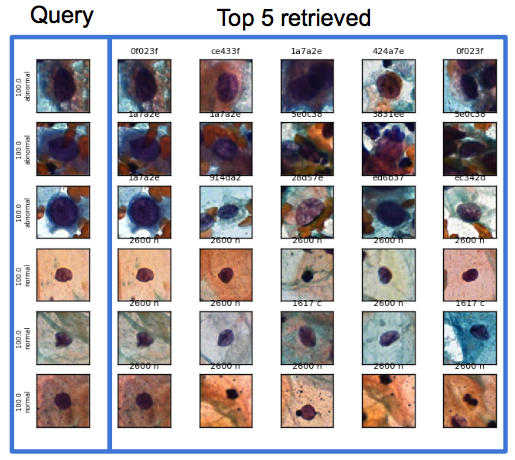
Recognition Software Aids Content-based Image Retrieval
A team led by Daniela Ushizima of the Computational Research Division built a Python-based tool for content-based image retrieval that can search relevant items from large datasets given unseen samples. The pyCBIR software helps catalog and retrieve images from different science domains, including biology, materials research, and geology.
Source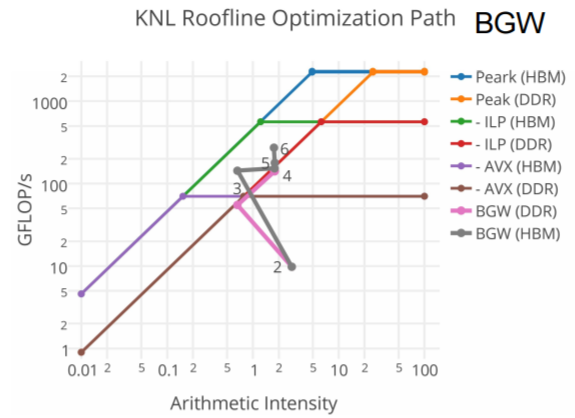
Roofline Model Boosts Code Optimization
Roofline, a software toolkit developed in Berkeley Lab's Computational Research Division to better understand supercomputer performance, was also used to boost application performance for researchers running codes on manycore supercomputers. Roofline was designed to help address the growing gap between processor performance and memory performance on supercomputers that can limit how well many scientific applications perform.
Source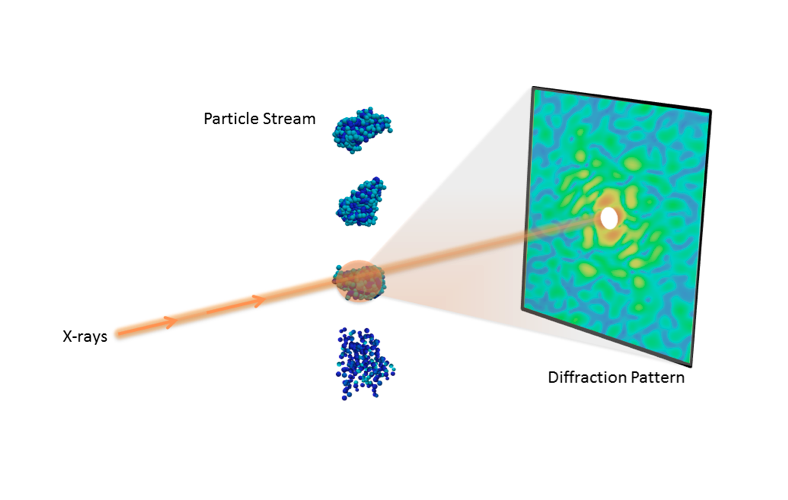
M-TIP Extracts Biological Structures from Limited Data
Berkeley Lab researchers developed a new algorithmic framework called multi-tiered iterative phasing (M-TIP) that utilizes advanced mathematical techniques to determine 3D molecular structure from very sparse sets of noisy, single-particle data. This approach essentially allows researchers to extract more information from experiments with limited data.
Source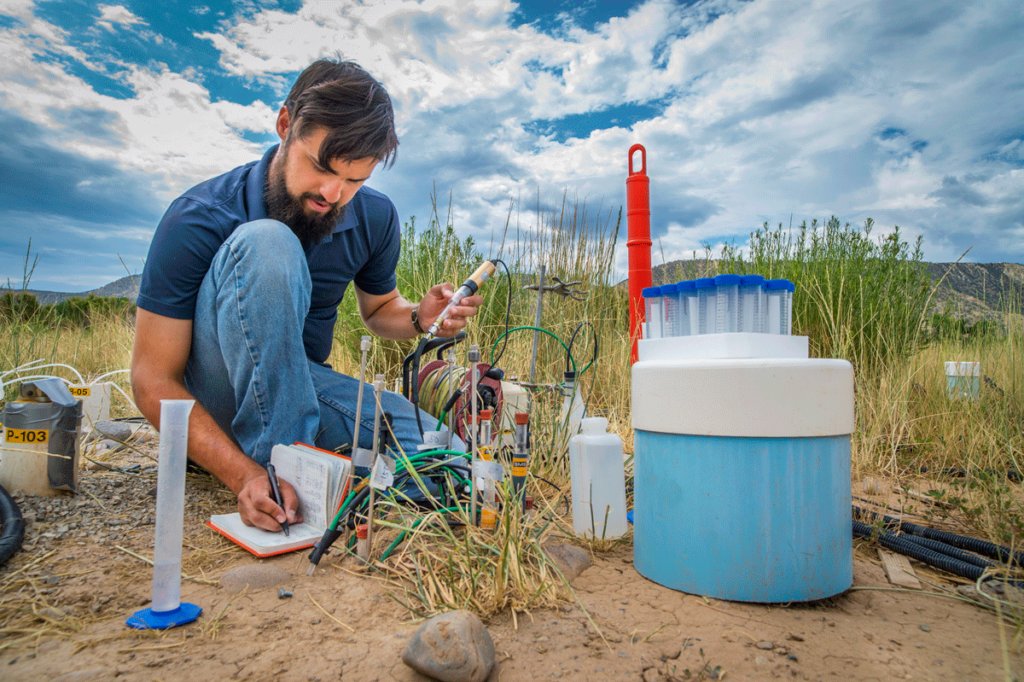
New Data Archive Amplifies Ecosystem Research
$3.6 million in funding from the DOE’s Office of Science and Berkeley Lab’s Computing Sciences and Earth & Environmental Sciences areas fostered a three-year project to develop an archive that would serve as a repository for hundreds of DOE-funded research projects under the agency’s Environmental System Science (ESS) umbrella. Dubbed ESS-DIVE, the Lab-hosted archive has had a significant impact on ecosystem research.
Source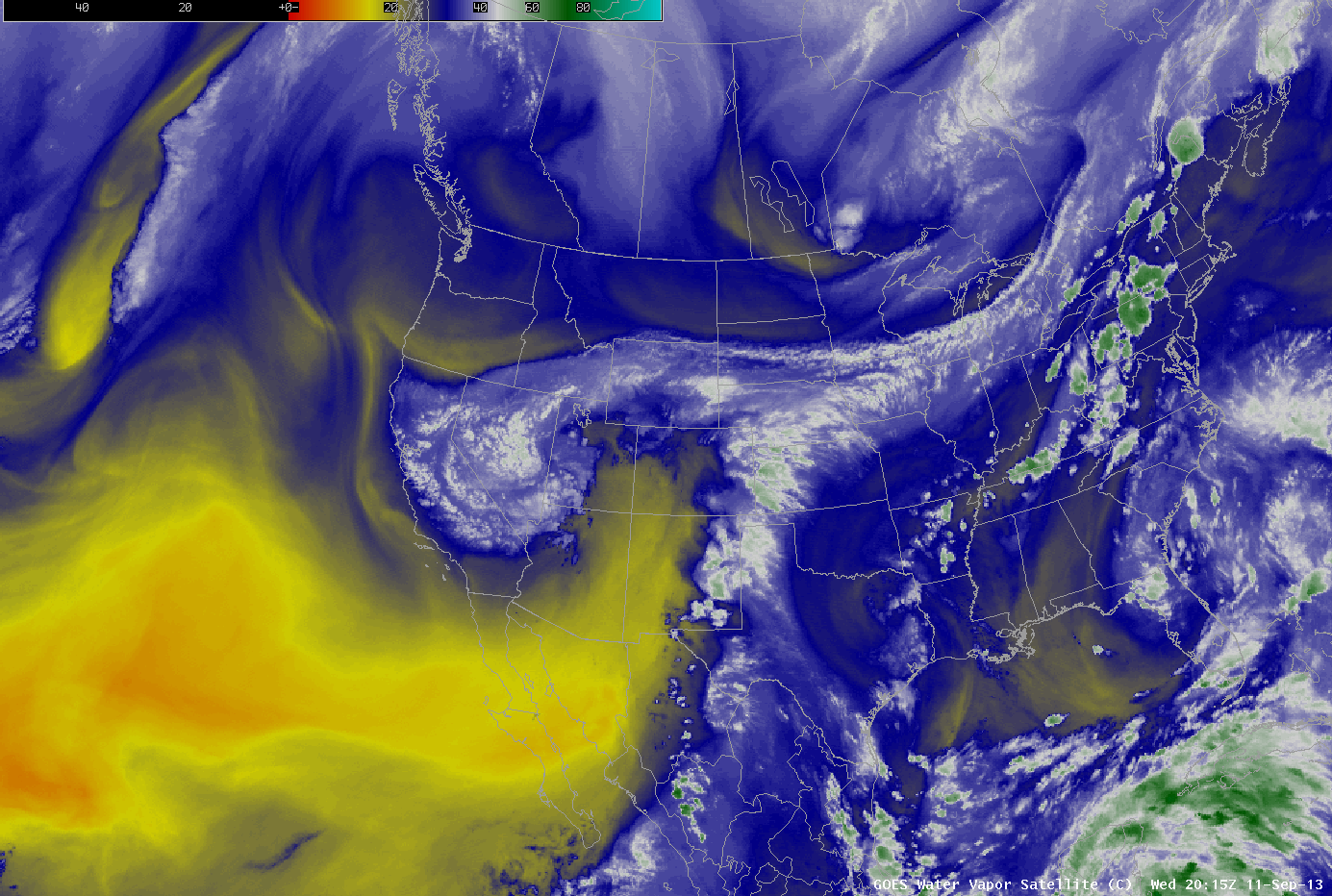
‘Hindcasting’ Sheds New Light on 2013 Colorado Flood
Using a publicly available Weather Research and Forecasting regional model, Berkeley Lab researchers were part of a team that applied “hindcasting” to conditions that led to extreme flooding around Boulder, Colo. in September 2013. Among their findings: that climate change attributed to human activity made the storm much more severe than would otherwise have occurred. This climate modeling framework opened the door to understanding other types of extreme weather events.
Source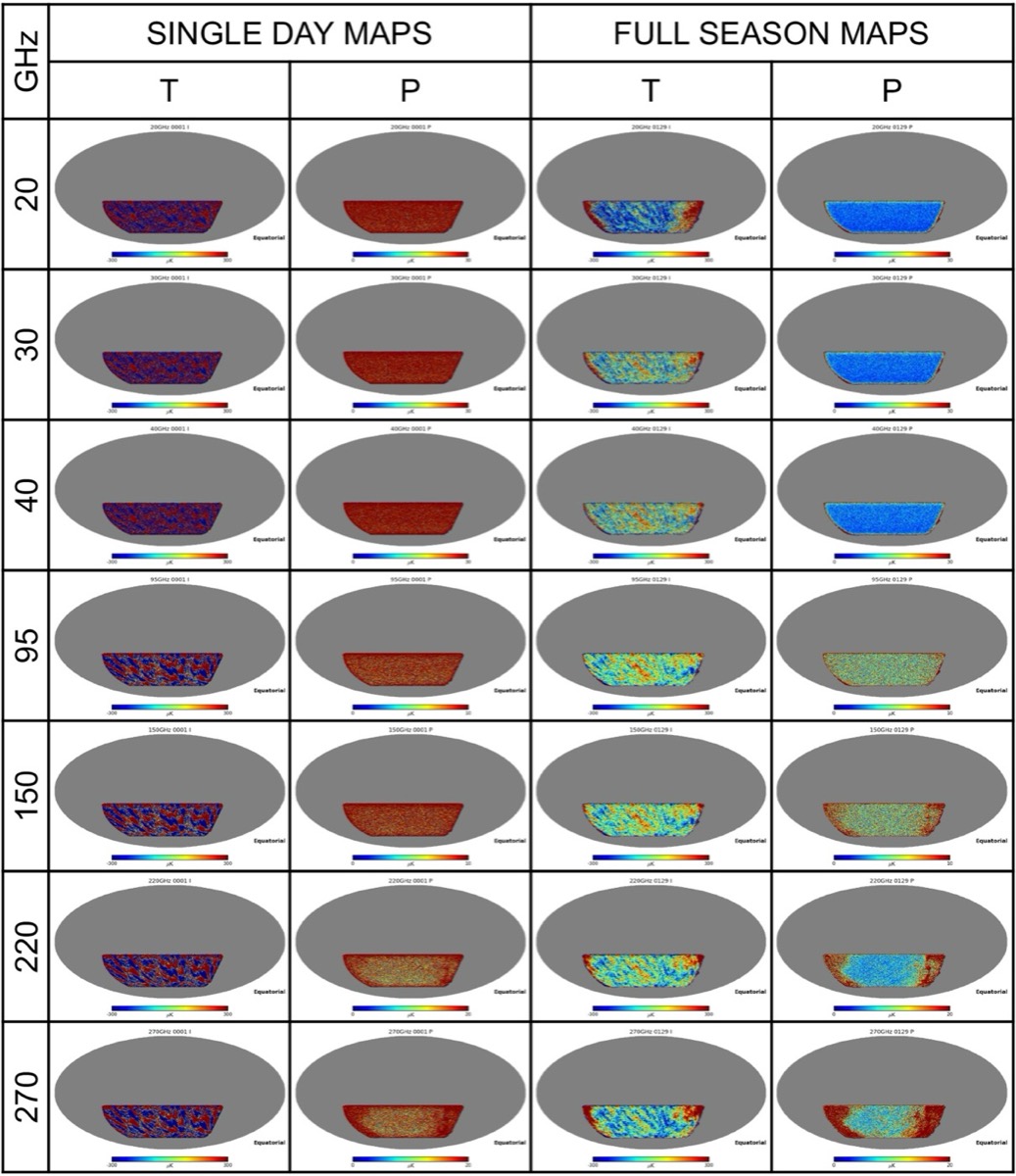
TOAST Enhances CMB Experiments
Researchers in Berkeley Lab’s Computational Cosmology Center reached a critical milestone in preparation for new Cosmic Microwave Background (CMB) experiments: scaling their data simulation and reduction framework TOAST (Time Ordered Astrophysics Scalable Tools) to run on all 658,784 Intel Knights Landing Xeon Phi processor cores on the Cori supercomputer. The team also extended TOAST’s abilities to support ground-based telescope observations.
Source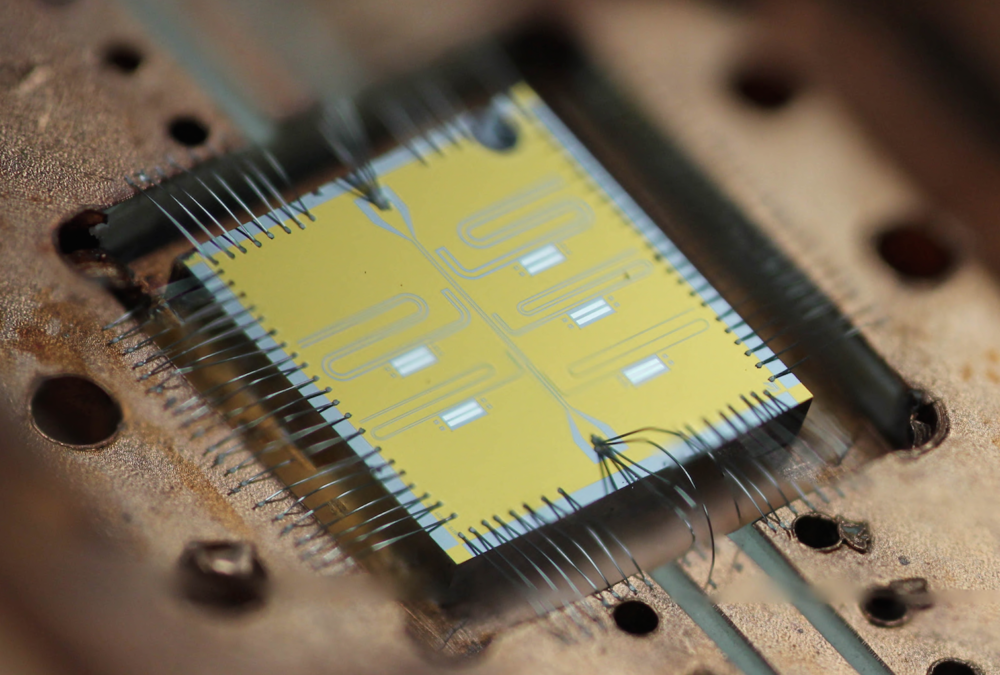
Quantum Computing Targets Fundamental Science
Two Berkeley Lab teams received $3 million in DOE funding for a multi-year effort to design and develop near-term quantum computing platforms and tools – including novel algorithms, compiling techniques, scheduling tools, prototype four- and eight-qubit processors to compute these new algorithms, and a 64-qubit processor with full control – for scientific discovery in the chemical sciences.
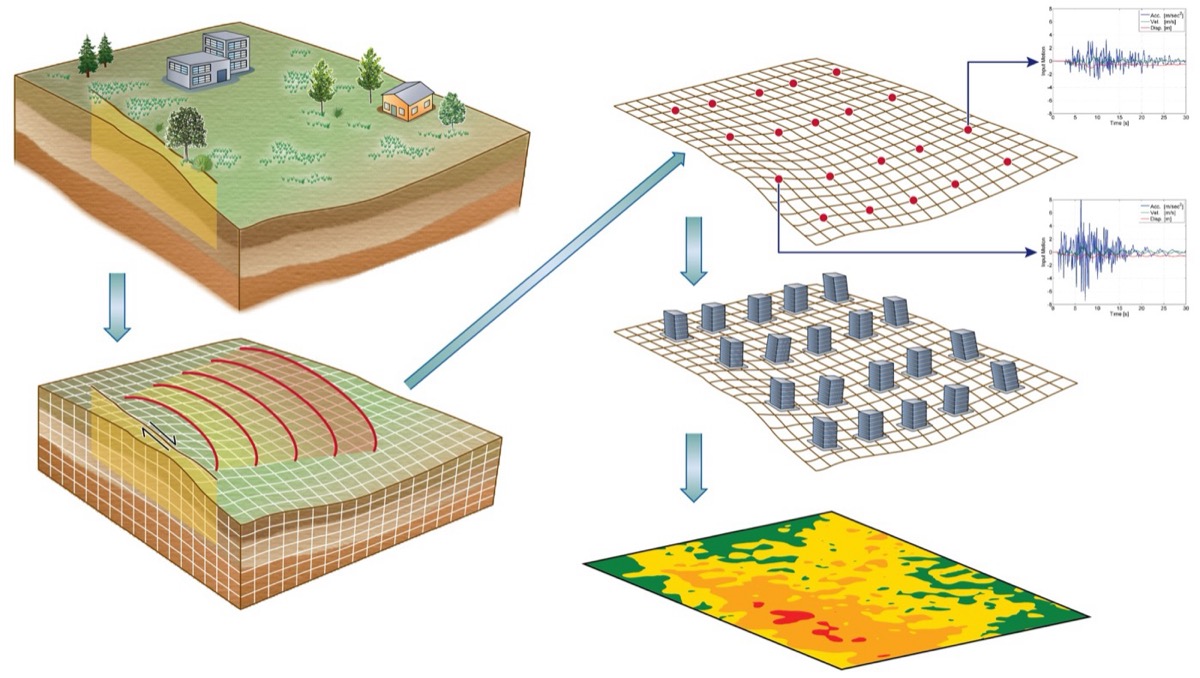
Assessing Regional Earthquake Risk and Hazards
As part of the DOE’s Exascale Computing Project, an interdisciplinary team that included Berkeley Lab researchers built the first-ever end-to-end simulation code to precisely capture the geology and physics of regional earthquakes and how the shaking impacts buildings. After updates to the SW4 seismic wave propagation code, the team used NERSC’s Cori supercomputer to simulate a 6.5 magnitude earthquake on California’s Hayward fault in about 12 hours.
Source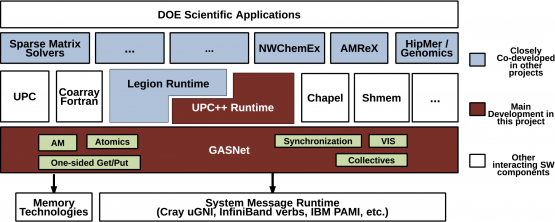
Pagoda Project Rolls Out First Software Libraries
The Pagoda Project — a three-year Exascale Computing Project software development program based at Berkeley Lab — reached a major milestone: making its open-source software libraries publicly available. Led by Scott Baden of Berkeley Lab’s Computer Languages and Systems Software Group, the Pagoda Project’s libraries support lightweight global address space communication for exascale applications, allowing researchers to treat the physically separate memories of each supercomputer node as one address space.
Source
GraphBLAS: Linear Algebra Changes the Equation
After nearly five years of collaboration between researchers in academia, industry and national laboratories — including Berkeley Lab’s Aydın Buluç — GraphBLAS, a collection of standardized building blocks for graph algorithms in the language of linear algebra, was made publicly available. With the growing interest in AI, big data, and data analytics, there is parallel interest in finding patterns and connections in this information by building graphs and exploring their properties, the researchers noted.
Source
ArrayUDF Leads to Discovery of Colliding Neutron Stars
The Laser Interferometer Gravitational-Wave Observatory (LIGO) collaboration leveraged the ArrayUDF framework to discover two colliding neutron stars, a never-before-seen cosmic event providing valuable insights into the origin of the universe’s heavy elements. Developed by Berkeley Lab researchers, ArrayUDF improves scientific productivity by allowing scientists to run user-defined custom analysis operations on large arrays of data with massively parallel supercomputers while leaving complex data management and performance optimization tasks up to the underlying system.
Source
Making Blockchains Even More Robust
Blockchain—a technology used for verifying and recording digital transactions—blasted into public consciousness with Bitcoin, but it could also transform the way governments, global industries, and science research operate. Researchers at Berkeley Lab, UC Davis, and the University of Stavanger in Norway developed a new protocol, called BChain, that makes private blockchain even more robust. They’re also adapting this tool to support applications of strategic importance to the Department of Energy’s Office of Science.
Source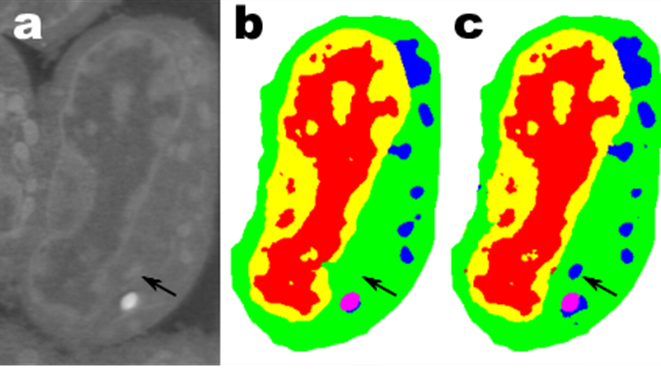
Mathematicians Develop ‘Minimalist Machine Learning’ Algorithms
Berkeley Lab mathematicians developed a new approach to machine learning called Mixed-Scale Dense Convolution Neural Network (MS-D), which has the ability to “learn” from a remarkably small training set. As experimental facilities generate higher resolution images at higher speeds, scientists can struggle to manage and analyze the resulting data, which is often done by hand. “Our goal was to develop a technique that learns from a very small dataset,” said Berkeley mathematician James Sethian.
Source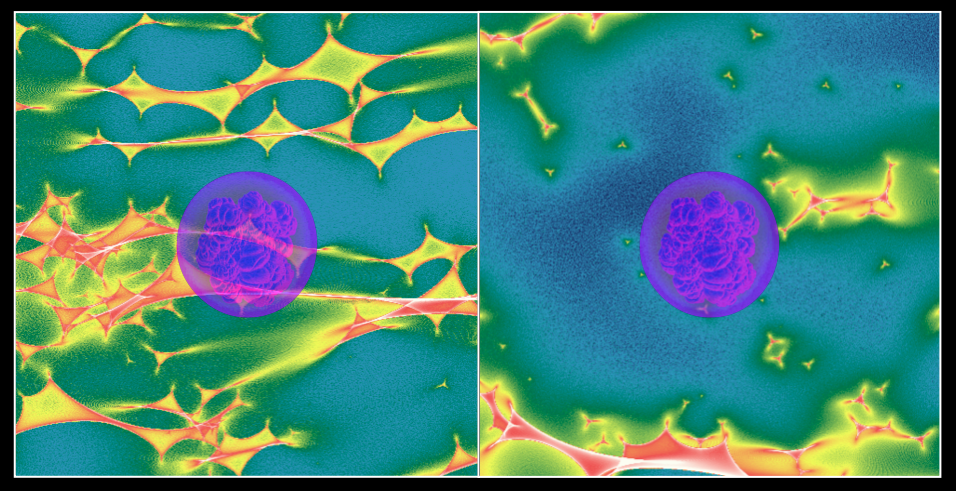
Technique to Uncover Thousands of Strongly Lensed Type Ia Supernovae
Using the SEDONA code and NERSC supercomputers, Berkeley Lab and University of Portsmouth astrophysicists developed a technique to control the effects of “microlensing,” the brightening of a star by an object passing between the star and an observer. With this new technique, the researchers believe they can find 1000 strongly lensed Type Ia supernovae in real-time from LSST data—20 times more than previous expectations. Type Ia supernovae are often used to measure cosmic expansion.
Source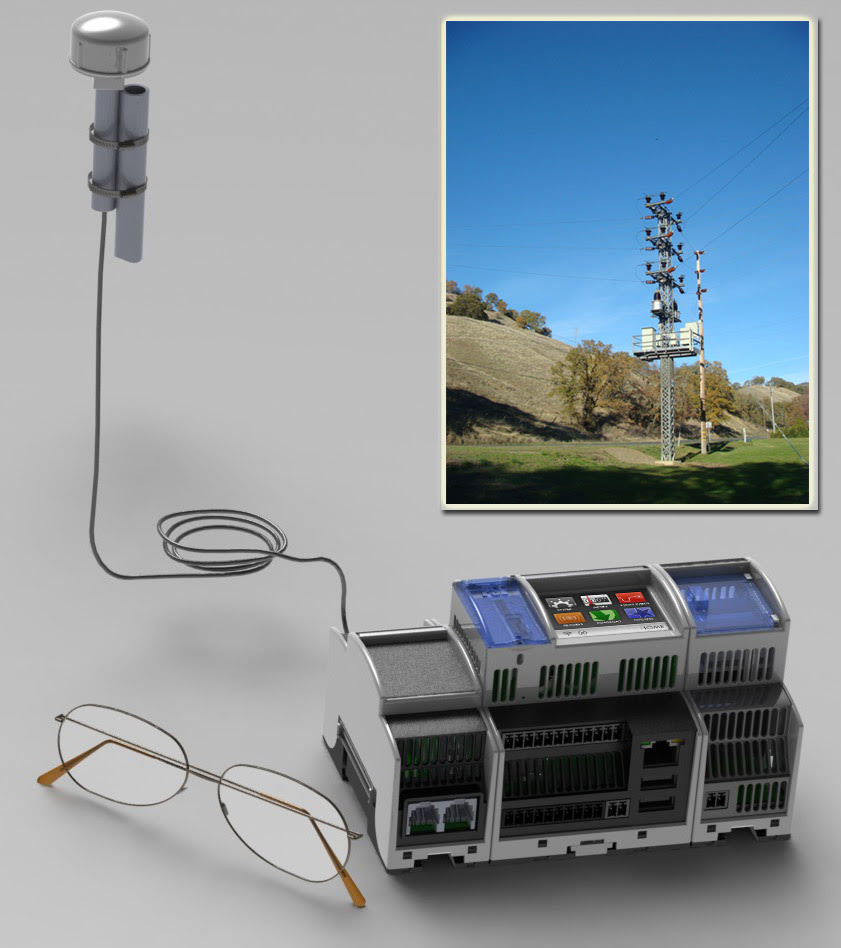
A Novel Power Grid Cybersecurity Tool
Creating innovative tools and technologies to reduce the risk that energy delivery might be disrupted by a cyber incident is vital to making the nation’s electric power grid resilient to cyber threats. And a series of R&D projects led by Berkeley Lab researchers combines cybersecurity, machine learning algorithms, and commercially available power system sensor technology aims to do just that. Their work has sparked interest from U.S. utilities, power companies, and government officials.
Source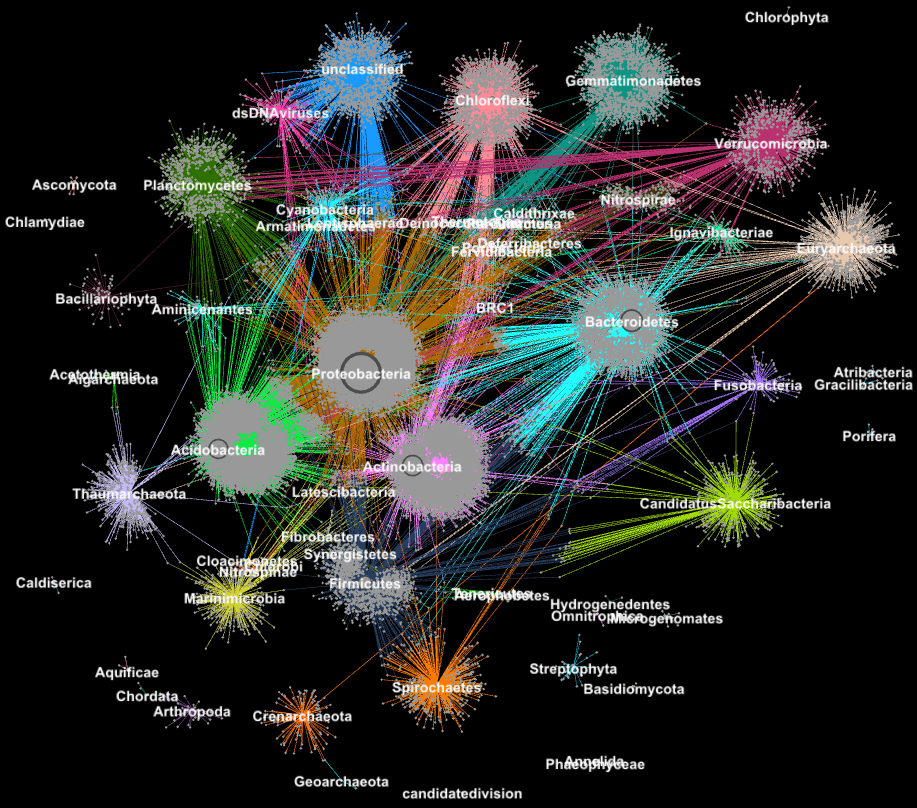
HipMCL: A Game Changer for Metagenomic Clustering
Researchers from Berkeley Lab's CRD and Joint Genome Institute took one of the most popular clustering approaches in modern biology—the Markov Clustering algorithm—and modified it to run quickly, efficiently, and at scale on distributed-memory supercomputers In a test case, their algorithm, HipMCL, achieved a previously impossible feat: clustering a large biological network containing about 70 million nodes and 68 billion edges in a couple of hours, using approximately 140,000 processors on NERSC’s Cori supercomputer.
Source
COSMIC Impact: Next-Gen X-ray Microscopy Platform
With the Advanced Light Source's (ALS) new COSMIC (Coherent Scattering and Microscopy) beamline, researchers demonstrated the ptychographic computed tomography technique that mapped the location of reactions inside lithium-ion batteries in 3D. Building real-time advanced algorithms and the high-performance ptychographic reconstruction code for COSMIC was a collaboration between CRD researchers and ALS beamline scientists. With COSMIC, scientists can probe working batteries and other active chemical reactions to reveal new details about magnetism and correlated electronic materials.
Source
Berkeley Lab’s Fernando Pérez Honored With ACM Software System Award
Berkeley Lab’s Fernando Perez and the Project Jupyter team were honored with an Association of Computing Machinery Software System Award for developing a tool that has had a lasting influence on computing. Project Jupyter is an open, international collaboration that develops tools for interactive computing. The collaboration develops applications like the popular Jupyter Notebook, an open-source web app that allows users to create and share documents that contain live code, equations, visualizations, and narrative text.
Source
Planck Collaboration Wins 2018 Gruber Cosmology Prize
The Planck Team — including researchers in Berkeley Lab’s Computational Research Division (CRD) — was awarded the 2018 Gruber Cosmology Prize for measurements that led to the determination of cosmological parameters (matter content, geometry, and evolution of the universe) to unprecedented precision. From 2009 to 2013 the European Space Agency’s Planck observatory collected data that has provided cosmology with the definitive description of the universe on the largest and smallest scales.
Source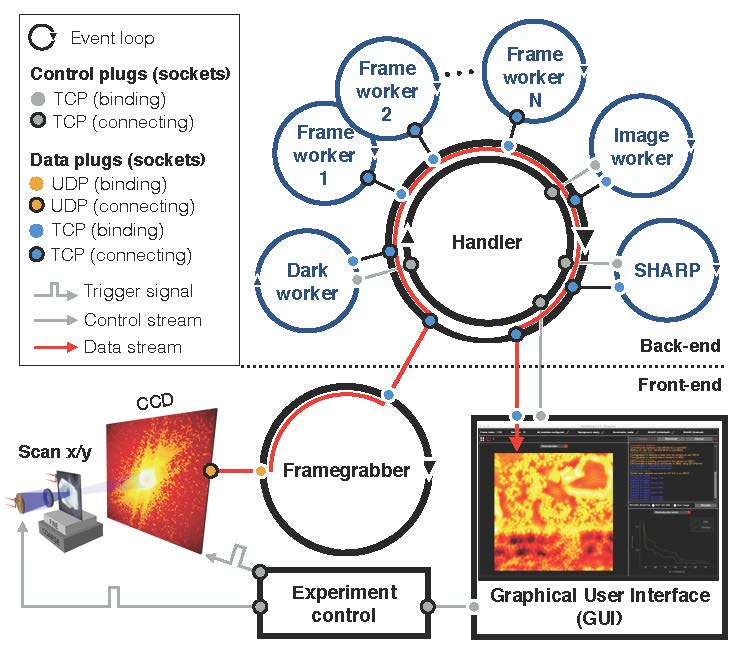
Paving the Way for Real-time Ptychographic Streaming
Ptychographic imaging combines scanning microscopy with diffraction measurements to characterize the structure and properties of materials. Until recently, it wasn’t broadly used because experiments were slow and the computational data processing to produce a reconstructed image was expensive. But advances in light source detectors and x-ray microscopes made it possible to measure a ptychographic dataset in seconds, and Berkeley Lab’s SHARP framework allows for reconstructing millions of phases of ptychographic image data per second.
Source
Using Machine Learning to Search Science Data
As scientific datasets increase in both size and complexity, the ability to label, filter, and search this deluge of information has become a laborious, time-consuming, and sometimes impossible task without the help of automated tools. So a team of Berkeley Lab researchers developed Science Search, a web-based search engine for scientific data. They’ve also built innovative machine learning tools to pull contextual information from scientific datasets and automatically generate missing metadata tags for each file
Source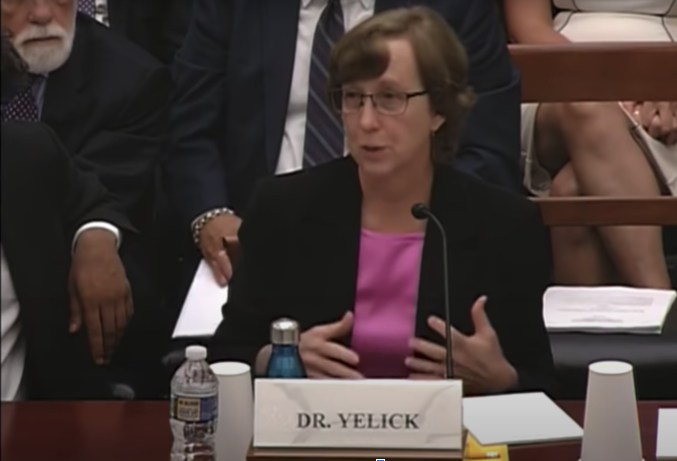
Kathy Yelick Delivers Expert Testimony about Big Data to Congress
Data-driven scientific discovery is poised to deliver breakthroughs across many disciplines. Driven by innovations in instrumentation and computing, the scientific datasets being created are becoming increasingly challenging to sift through and manage. On July 12, 2018, Berkeley Lab’s Kathy Yelick testified before the U.S. House of Representatives Committee on Science, Space, and Technology about advanced computing solutions to these big data challenges.
Source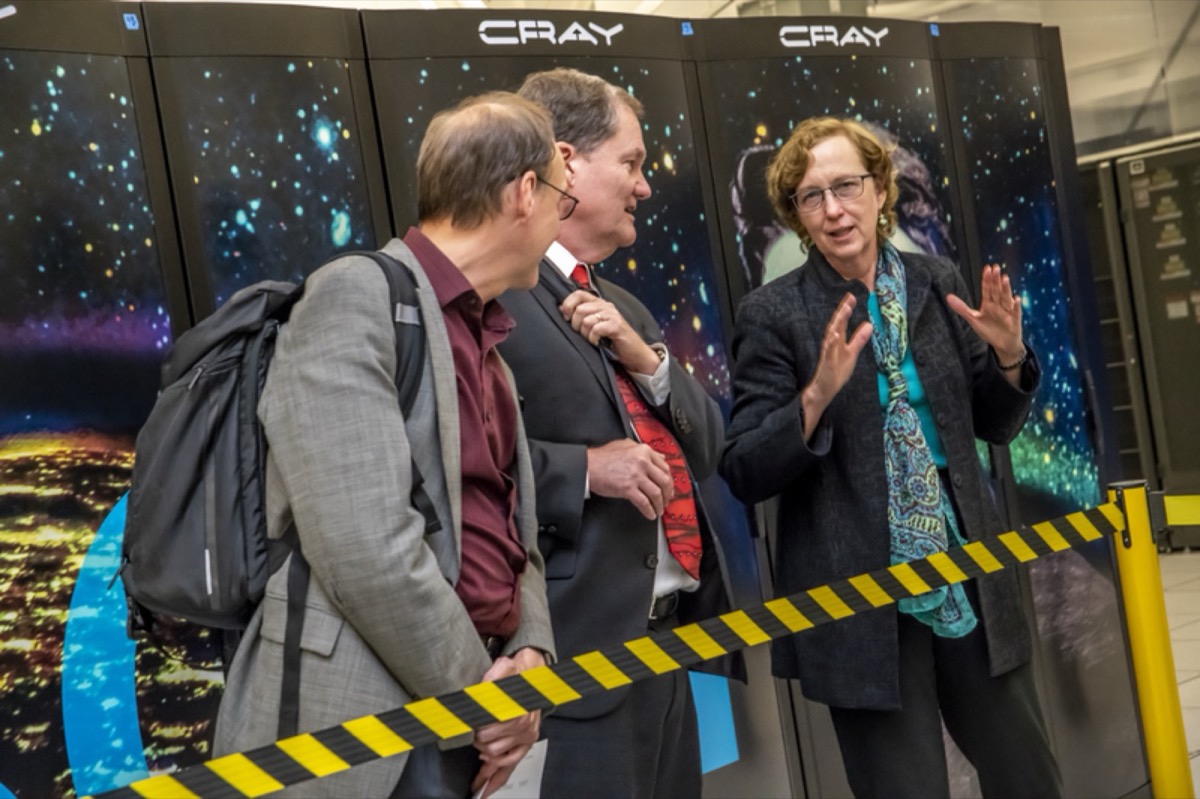
Berkeley Lab Contributes to National Quantum Information Science Strategy Discussions
Representatives from the National Institute of Standards and Technology (NIST) visited Berkeley Lab and UC Berkeley to take part in a discussion on elements of a national strategy for quantum information science.
Source
Berkeley Lab Develops Machine Learning Tools for the Exascale Era
Berkeley Lab is one of eight national labs participating in the Exascale Computing Project’s (ECP’s) ExaLearn, a co-design center focusing on exascale machine-learning software. “This is an exciting new project, with the goal of bringing machine learning to the forefront of the ECP effort, looking at how we can use it to advance the goals of the ECP applications and tackling exascale-sized problems in machine learning,” said Peter Nugent, Berkeley Lab’s principal investigator for ExaLearn.
Source
Berkeley Lab’s ESS-DIVE a Game Changer for Environmental Research
Environmental data are crucial for planning our water and energy future, and building resilient infrastructure. By using high-quality observations collected over years to power computer models, researchers can examine and predict ecosystem and watershed behaviors over the course of seasons, decades, and centuries. With Berkeley Lab-developed ESS-DIVE, a digital repository for Department of Energy environmental research projects, scientists can review each other’s analyses, validate results, study different scenarios, and reuse data for other purposes.
Source
Daniela Ushizima Shares AI Tactics for Cancer Detection at Biden Summit
Berkeley Lab’s Daniela Ushizima, who has adapted algorithms used in materials research to scan for cervical cancer, described her research in a panel discussion at the September 21 East Bay Biden Cancer Community Summit. The meeting was sponsored by East Bay Congressman Mark DeSaulnier, himself a cancer survivor, in conjunction with a Cancer Community Summit hosted by Vice President Joe Biden in Washington, D.C., through his Biden Cancer Initiative.
Source
Berkeley Lab Pushes Quantum Information Frontiers With New Programs in Computing, Physics, Materials, and Chemistry
A series of Department of Energy awards allowed Berkeley Lab to accelerate the development of quantum computing, which holds the promise of solving science problems that are beyond the reach of today’s computers. The awards also furthered Berkeley Lab’s ability to optimize fabrication techniques for qubits (the fundamental units of quantum computing and sensing), improve quantum coherence in next-generation materials, create quantum-based sensors for discoveries in physics, and develop quantum computing algorithms for chemistry research.
Source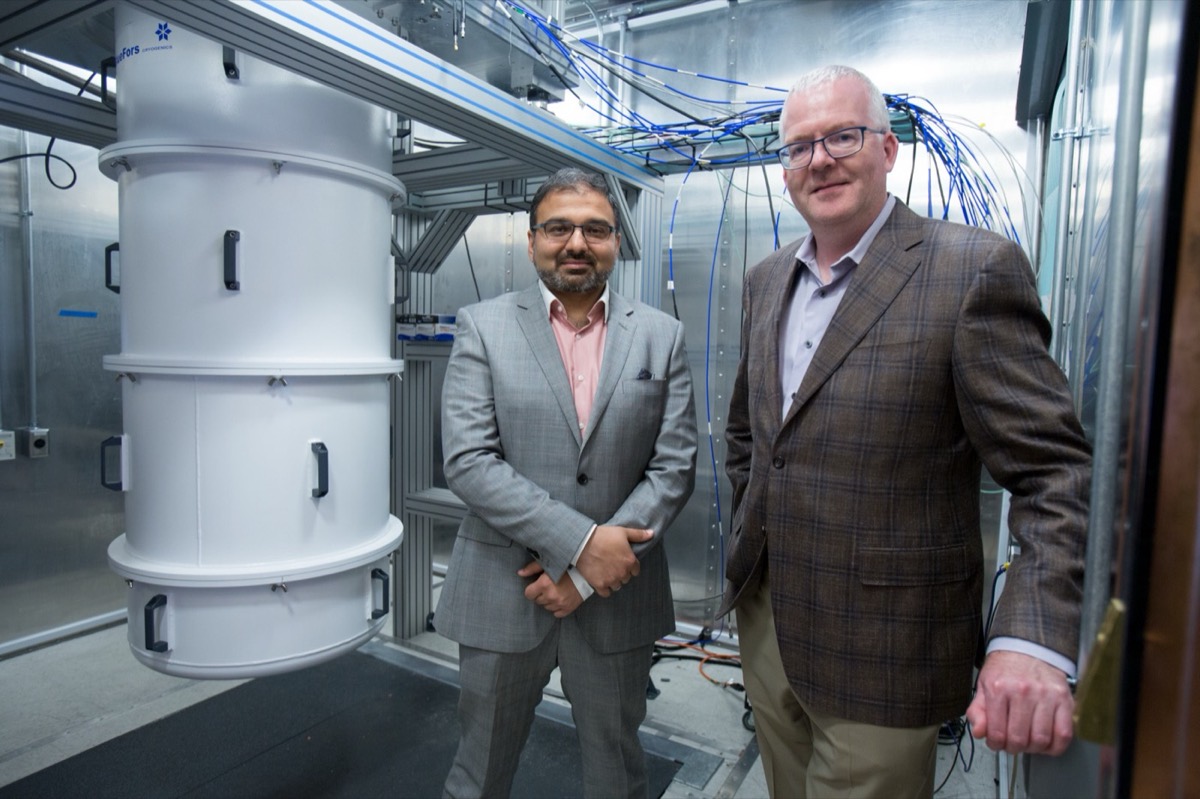
Berkeley Lab to Build an Advanced Quantum Computing Testbed
The U.S. Department of Energy announced that Berkeley Lab would receive $30 million over five years to build and operate an Advanced Quantum Testbed. Researchers plan to use the testbed to explore superconducting quantum processors and evaluate how these emerging quantum devices can be utilized to advance scientific research. As part of this effort, Berkeley Lab will collaborate with MIT Lincoln Laboratory to deploy different quantum processor architectures.
Source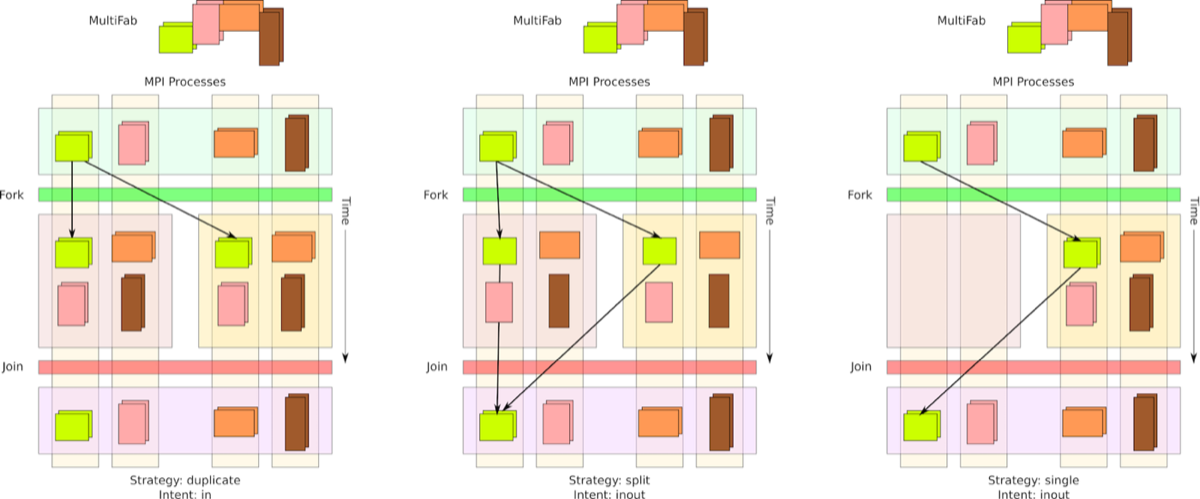
AMReX Co-Design Center Helps ECP Projects Hit Performance Goals
A computational motif known as block-structured adaptive mesh refinement (AMR) provides a natural way for researchers to focus computing power in the most efficient way possible on the most critical parts of a problem. The AMReX Co-Design Center, led by Berkeley Lab’s John Bell, makes available a state-of-the-art AMR infrastructure with the functionality that five ECP application projects and other AMR applications use to effectively take advantage of current and future supercomputer architectures.
Source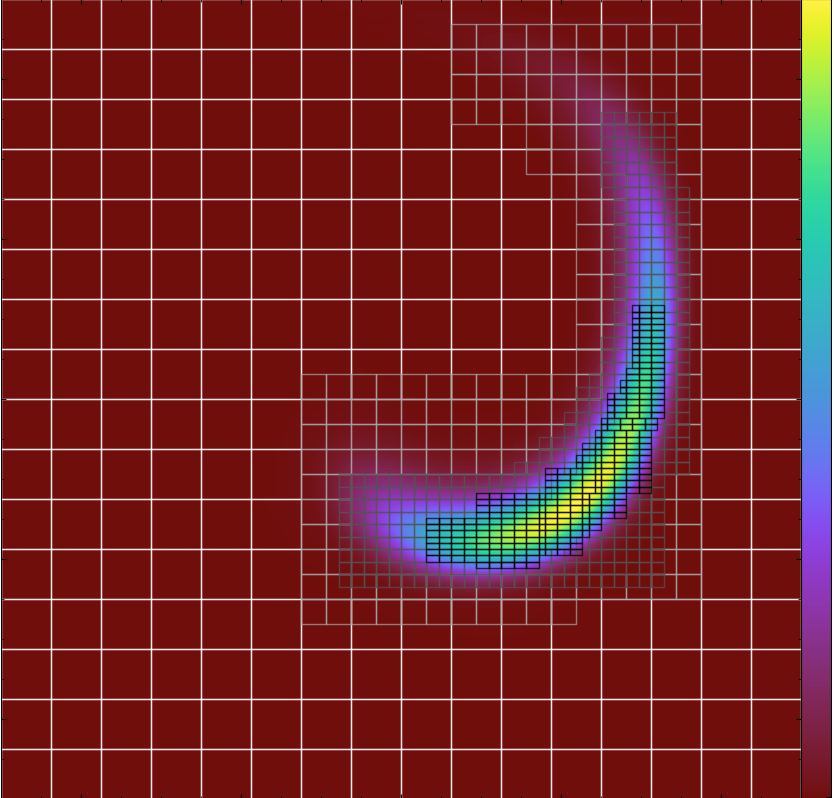
SENSEI Sets the Stage for Exascale In Situ Analysis and Visualization
SENSEI, a software infrastructure that enables simulations to make use of a range of popular in situ analysis and visualization packages, was developed in a collaboration led by Berkeley Lab researchers. In situ, or “in place,” data analysis and visualization is critical to the success of exascale simulations. By analyzing the raw data output right where that data is produced, or in situ, scientists can preserve more time steps to produce more accurate models.
Source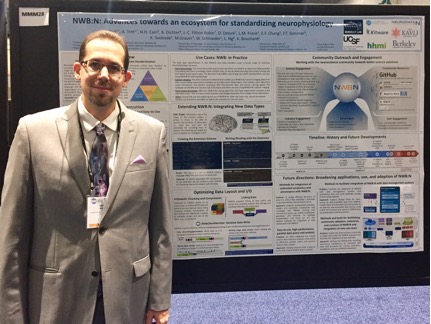
Building Standards for Neurophysiology Data
Researchers from Berkeley Lab and the Allen Institute for Brain Science received $2 million from the National Institutes of Health to develop a next-generation data format and software ecosystem for Neurodata Without Borders: Neurophysiology (NWB:N). NWB:N is a consortium of researchers and foundations interested in breaking down obstacles to data use and sharing in neuroscience. They ultimately aim to standardize neurophysiology data on an international scale to accelerate the pace of scientific discovery.
Source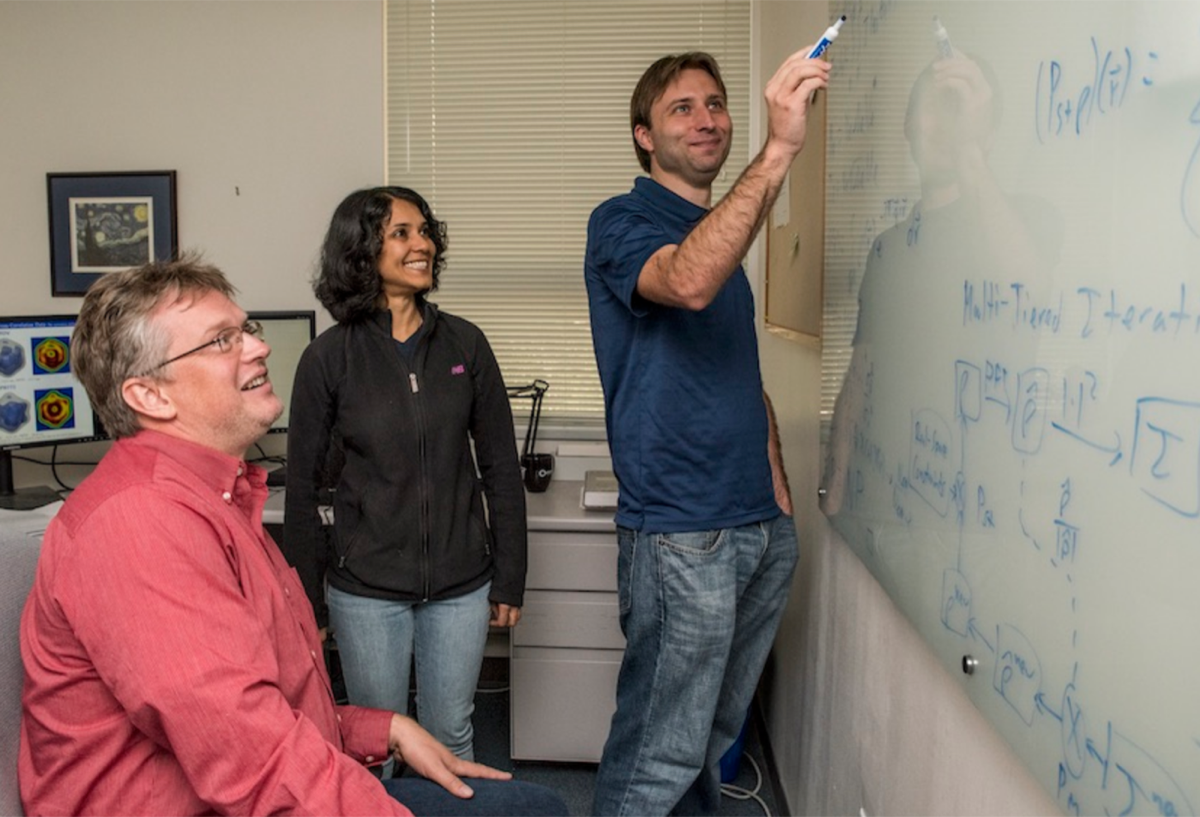
Novel X-ray Imaging Technique Provides Nanoscale Insights into Behavior of Biological Molecules
Berkeley Lab researchers developed a data analysis approach for fluctuation X-ray scanning that helps avoid motion blur and yield better, more detailed three-dimensional models. In 2018, they successfully demonstrated that fluctuation X-ray scattering can capture the behavior of biological systems in unprecedented detail. Understanding how systems like proteins work at the atomic level allows scientists to engineer new functionality, like the efficient production of biofuels, or to design drugs to block a protein’s function altogether.
Source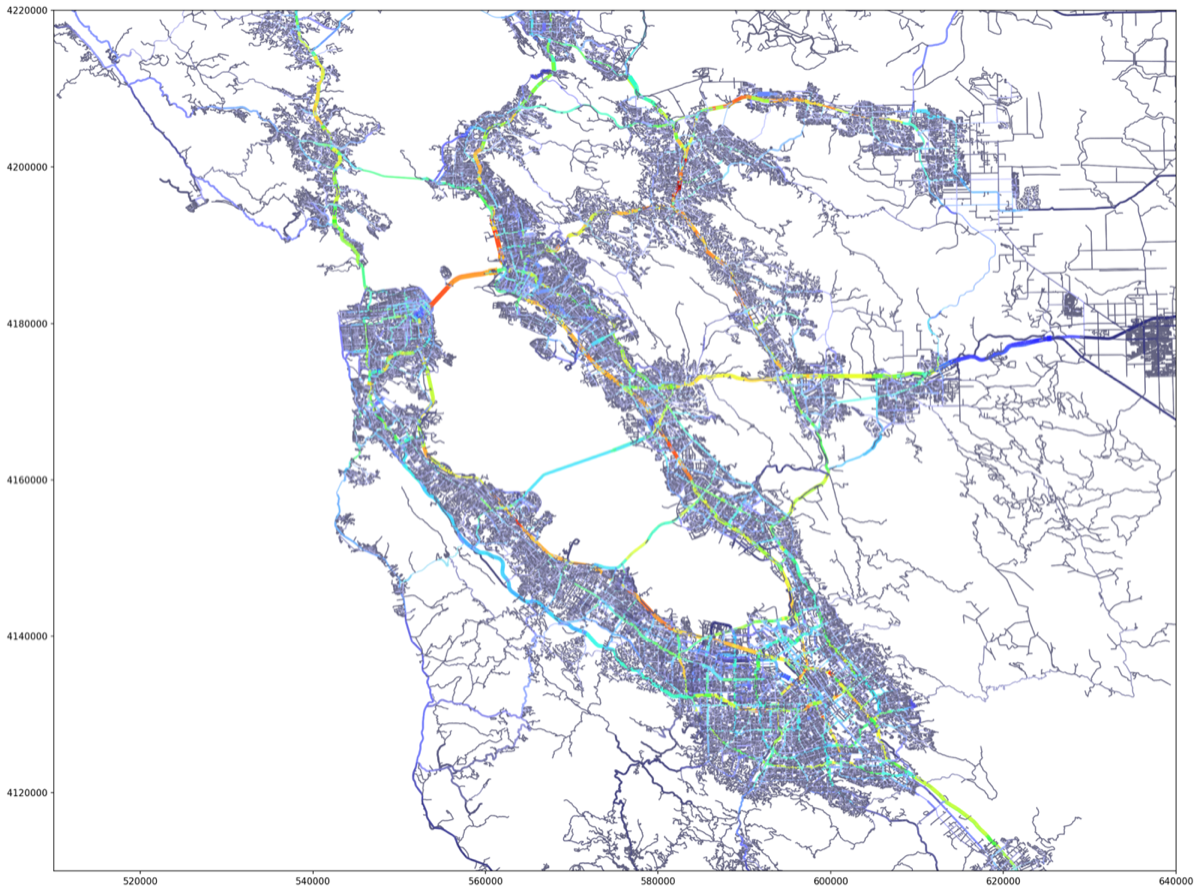
Mobiliti: A Game Changer for Analyzing Traffic Congestion
With a desire to understand transportation systems more thoroughly and build energy- and mobility-efficient controls, government and industry researchers are interested in methods to model large-scale transportation networks. But, commercially available modeling tools can only handle pieces of the urban environment, which leaves city planners and transportation engineers with only a partial understanding. This roadblock prompted Berkeley Lab researchers to develop Mobiliti, a software tool that can run large-scale traffic simulations in seconds.
Source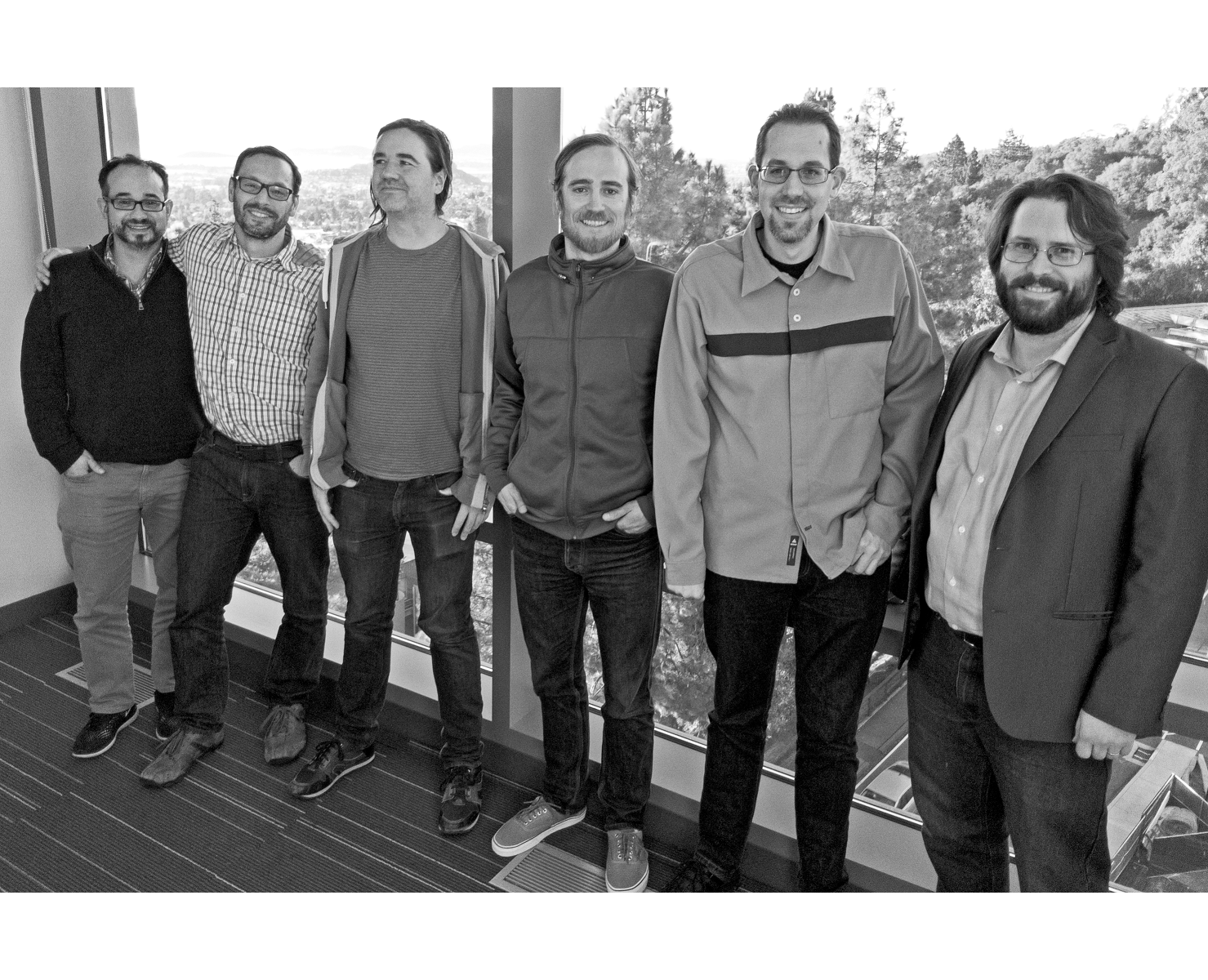
A New Computational Biosciences Group
A new group in Berkeley Lab’s Computational Research Division brought together an integrated team of biologists and computer scientists to develop tools for addressing a range of scientific problems. "Typically, biologists were not trained to think about data as more than a byproduct of their research. Due to the complexity of that data, new state-of-the-art methods are needed to fully extract the value and information from those datasets," said Kristofer Bouchard, Computational Biosciences Group Lead.
Source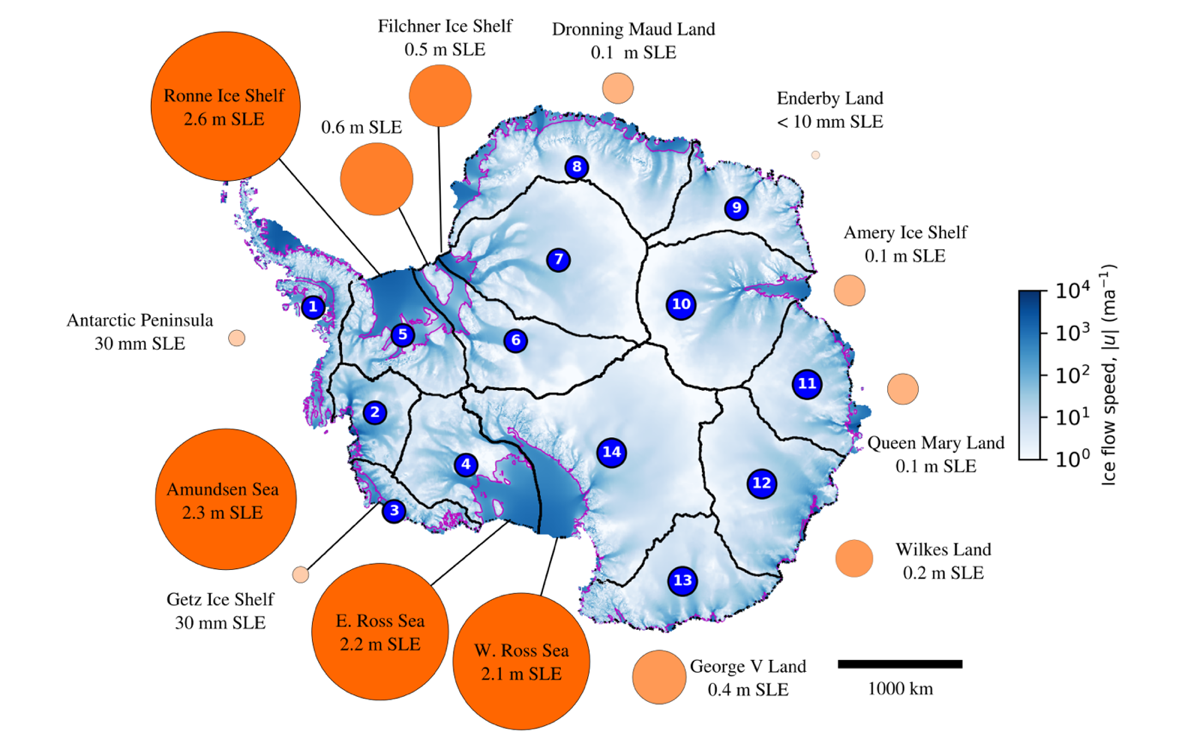
Berkeley Lab’s Ice Sheet Modeling Tool Probes Antarctic Vulnerabilities
The biggest uncertainty in end-of-the-century sea level rise comes from the Antarctic Ice Sheet. However, current Earth system models struggle to account for events unfolding in the Antarctic region. To address this shortcoming, a team of scientists from Berkeley Lab, Swansea University, and the University of Bristol used the BISICLES ice sheet model to enable the first fully resolved, systematic study of millennial-scale ice-sheet response to regional ice-shelf collapse.
Source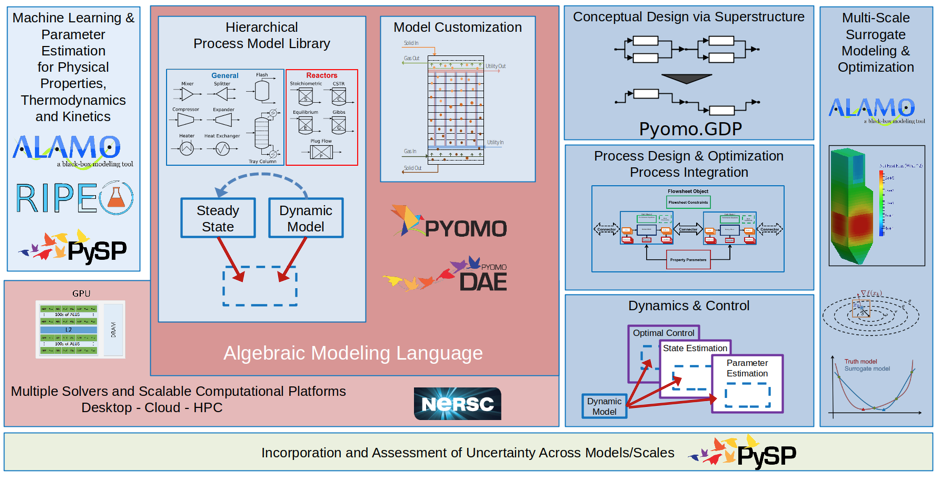
IDAES Software Provides Support for U.S. Power Industry and Beyond
The Institute for the Design of Advanced Energy Systems (IDAES), which includes contributions from Berkeley Lab researchers, released an open-source version of its computational framework and model library. Formed in 2016 to improve the efficiency and reliability of coal-fired power plants and to accelerate the development of advanced fossil energy systems, IDAES builds on the research and partnerships formed during the Carbon Capture Simulation Initiative to create an open-source, non-commercial framework for process systems engineering.
Source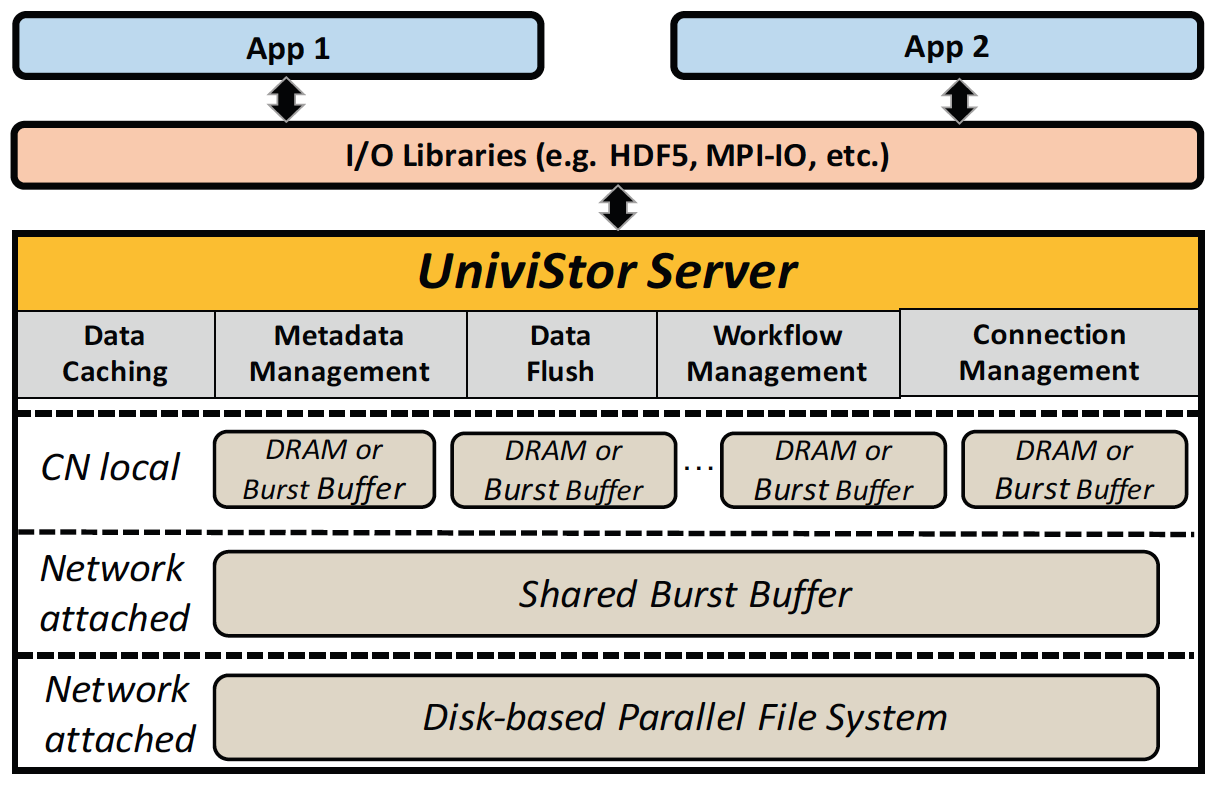
UniviStor: Next-generation Data Storage for Heterogeneous HPC
The explosive growth in scientific data and data-driven science, combined with emerging exascale architectures, pushes the need for new data-management tools and storage technologies in high performance computing. So Berkeley Lab researchers developed object-oriented I/O services designed to simplify data movement, data management, and data reading services on next-generation HPC architectures. Their UniviStor software integrates distributed and hierarchical storage devices into a unified view of the storage and memory layers.
Source
Using Deep Learning to Help VA Identify Suicide Risk in Veterans
Berkeley Lab researchers applied deep learning methods and data analytics to electronic health record data to help the Veterans Administration (VA) address a host of medical and psychological challenges affecting many of the nation’s 700,000 military veterans. The project is a collaboration between the U.S. Department of Energy (DOE) and the VA. It combines the VA’s vast Electronic Health Records system with DOE’s supercomputing, artificial intelligence, and data analytics resources.
Source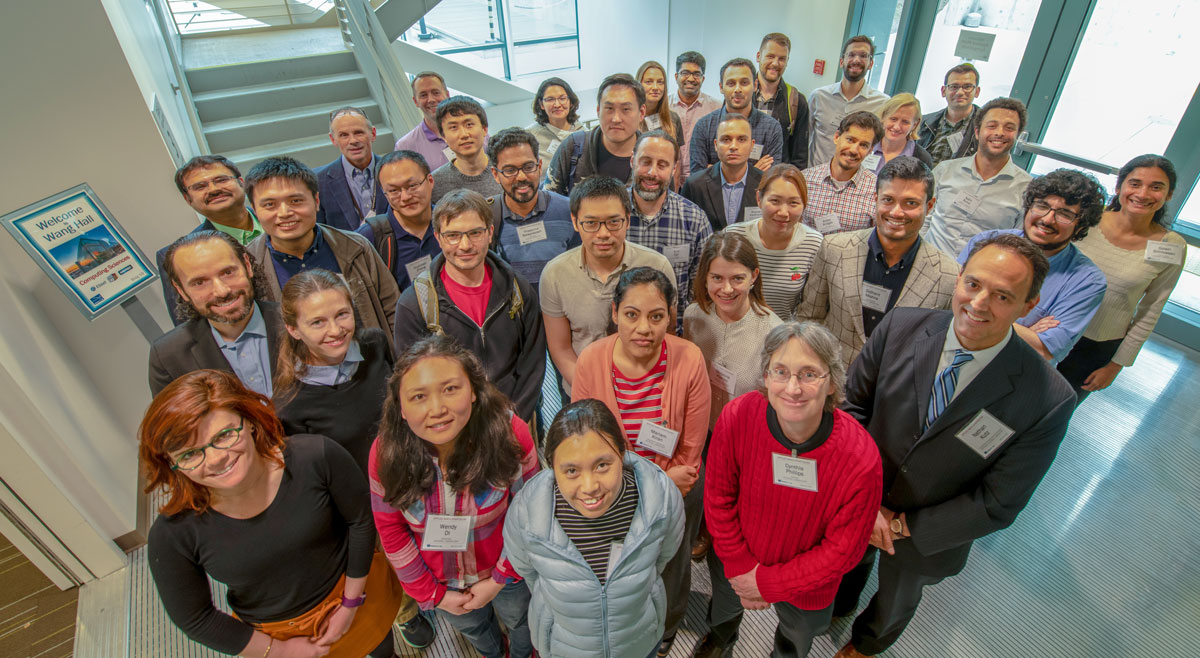
Helping to Define Future of Machine Learning and Data Analytics
Forty applied mathematicians from across the country met at Berkeley Lab to explore the big challenges that the Department of Energy labs should tackle in the next 10-20 years. The discussions centered on two themes: Machine learning and data analytics. “Machine learning and data analysis techniques will be increasingly important as we seek to draw meaningful scientific conclusions from larger (and sometimes noisier) data sets," said Aydın Buluç, who served on the meeting organizing committee.
Source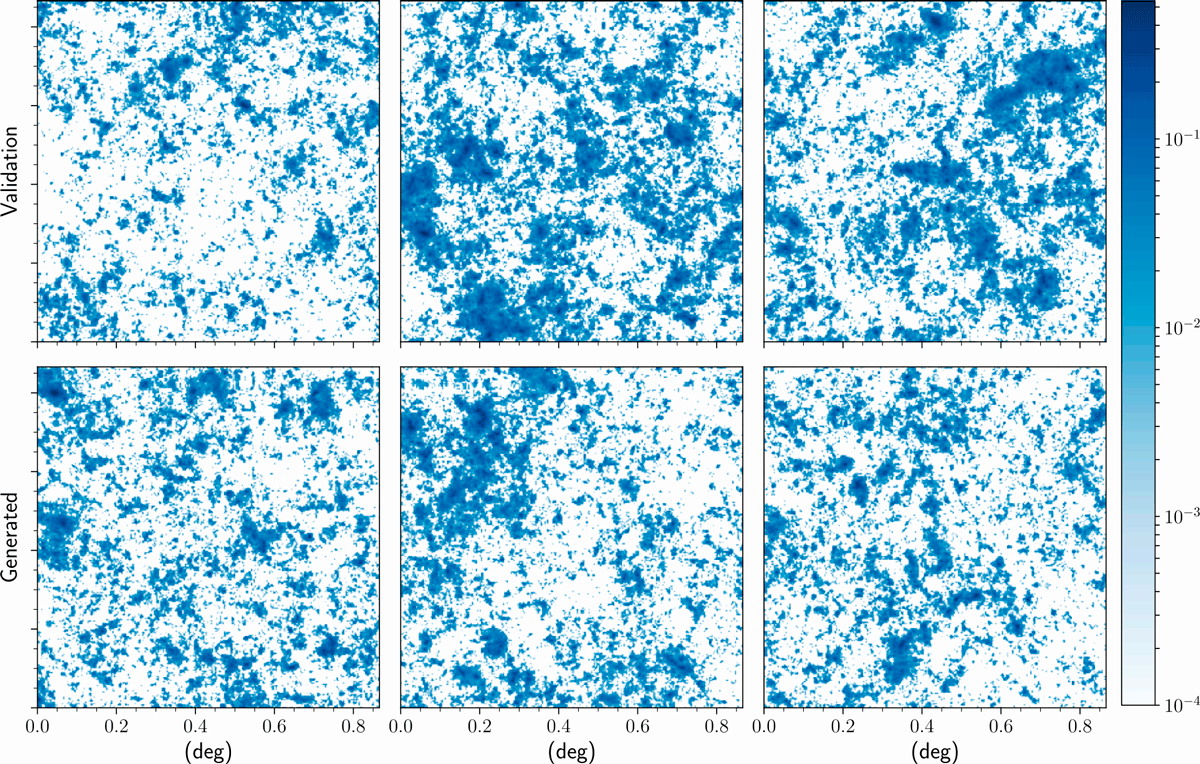
Berkeley Lab Researchers Train a Neural Network to Study Dark Matter
A Berkeley Lab-led research group used generative adversarial networks to enhance the use of gravitational lensing to study dark matter. “Gravitational lensing is one of the best ways we have to study dark matter… it tells us a lot about [the universe’s] structure. The majority of matter in the universe is dark matter, which we can’t see directly, so we have to use indirect methods to study how it is distributed,” said NERSC’s Deborah Bard.
Source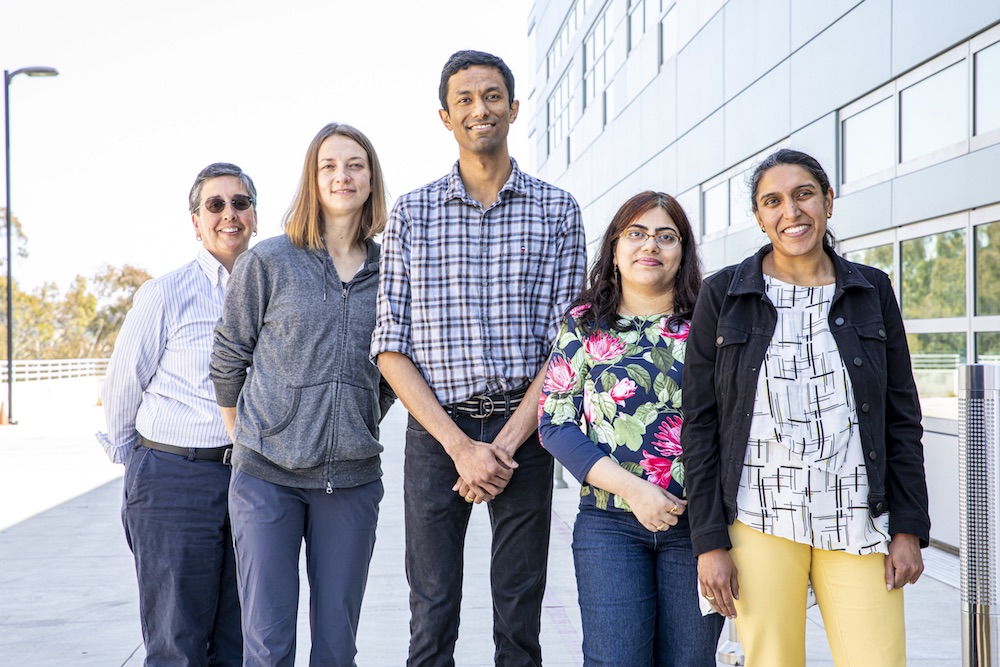
A Machine Learning Tool for Smarter Groundwater Management
Overpumping of groundwater in California has led to near environmental catastrophe in some areas; land is sinking, seawater is intruding, and groundwater storage capacity has shrunk. Berkeley Lab researchers believe machine learning could be part of the solution to restoring groundwater to sustainable levels and quality, and so they built a tool that would run on a laptop and allow agencies to evaluate, in near real-time, multiple future scenarios and the effects of different management actions.
Source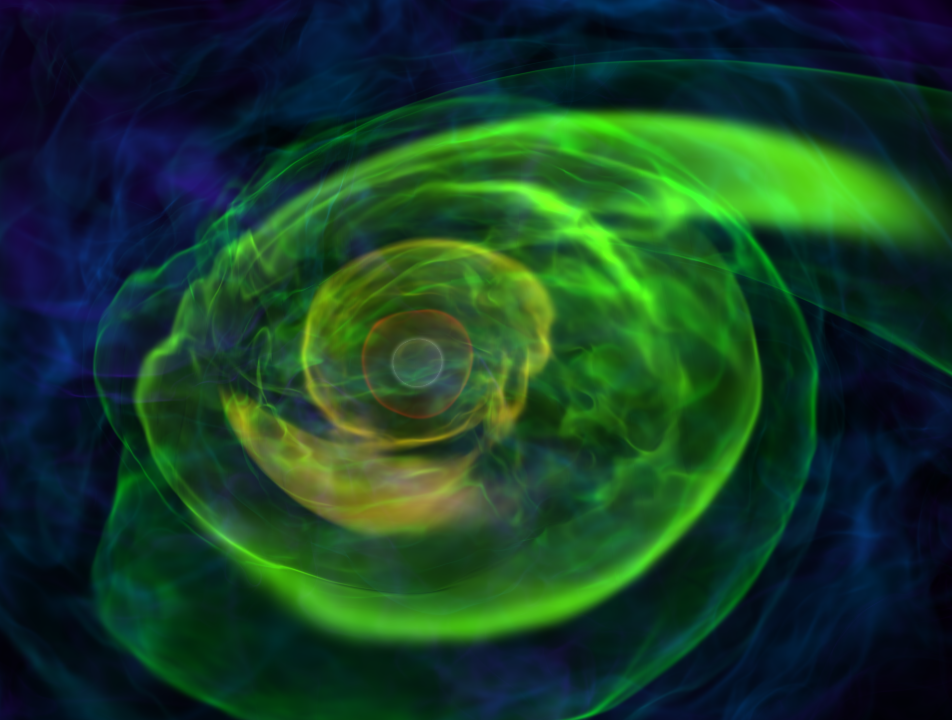
ExaStar Takes Astrophysical Research to the Exascale
Exascale computers will take computationally intensive astrophysics research to the next level, but researchers need new codes to harness the power of exascale. Researchers from multiple Department of Energy national labs collaborated to develop new exascale-level codes as part of the ExaStar project. Berkeley Lab’s ExaStar researchers simulated explosive astrophysical events to address fundamental questions in nuclear astrophysics. And they tackled one of the most difficult issues: simulating how radiation flows through matter.
Source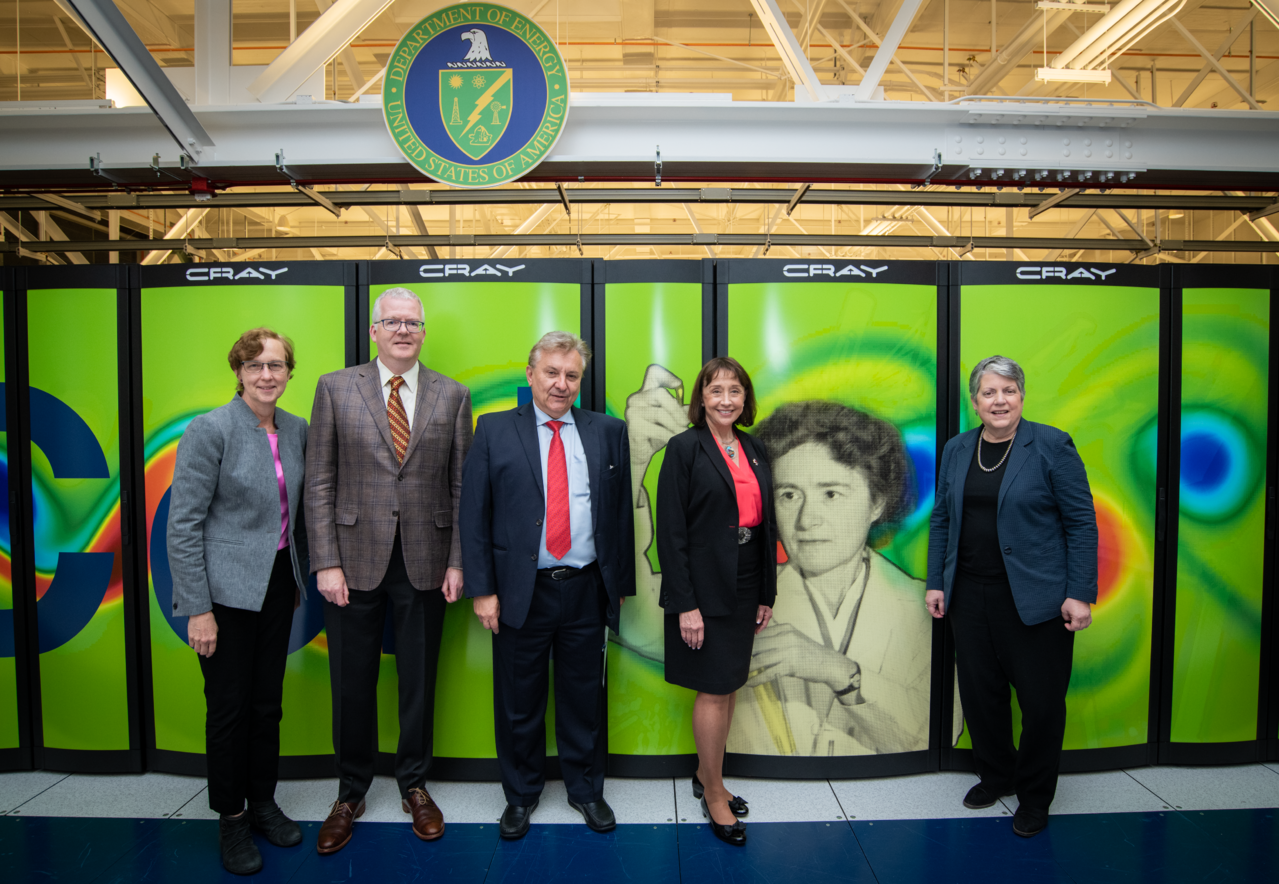
Janet Napolitano Visits Berkeley Lab
UC President Janet Napolitano visited Berkeley Lab on June 20, 2019. Her visit included discussions with senior leadership, presentations from a variety of Lab scientists, and tours of the National Energy Research Scientific Computing Center (NERSC). Napolitano served as the governor of Arizona from 2003 to 2009 and third United States Secretary of Homeland Security from 2009 to 2013. She was named president of the University of California system in September 2013.
John Shalf Ponders the Future of HPC Architectures in ISC19 Keynote
Berkeley Lab’s John Shalf gave the ISC19 keynote address on what the future holds for computing technologies and architectures in the era beyond exascale. “Exascale will be the last iteration of Moore’s Law before the bottom drops out – and the question then is, how do we continue? Is exascale the last of its kind, or are we going to embark on a first-of-its-kind machine for the future of computing?” he asked.
Source
Lab Staff Get Funding for Post-Moore’s Law Computing Research
Berkeley Lab’s George Michelogiannakis and Dilip Vasudevan received funding from the Army Research Office for two post-Moore’s Law computing research projects. With the funding, Michelogiannakis will design race-logic superconducting accelerators to achieve multiple orders of magnitude higher performance per unit power for HPC and national intelligence applications. And, Vasudevan will develop a large-scale system simulation framework that will support the simulation of future supercomputing systems built with new transistors and memory devices.
Source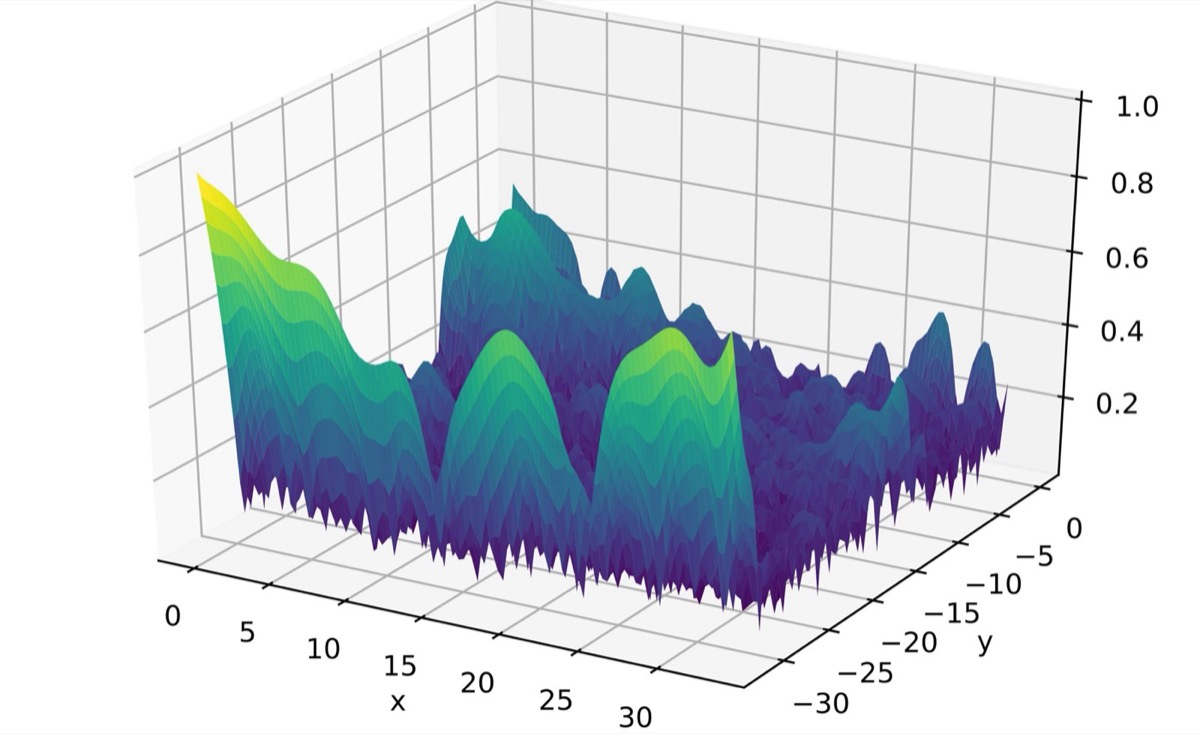
SMART Algorithm Makes Beamline Data Collection Smarter
Berkeley Lab mathematicians worked with Brookhaven National Laboratory beamline scientists to develop and test SMART, a mathematical method that enables autonomous experimental decision making without human interaction. “Modern scientific instruments are acquiring data at ever-increasing rates, leading to an exponential increase in the size of data sets. Taking full advantage of these acquisition rates requires corresponding advancements in the speed and efficiency not just of data analytics but also experimental control,” said Marcus Noack.
Source
Berkeley Lab Part of Multi-Million-Dollar Quantum Computing Projects
Berkeley Lab received funding to advance the development of quantum computing and networking. The Berkeley Lab-led AIDE-QC project will develop open-source computing, programming, and simulation environments that support the diversity of quantum computing research at DOE. And the Fundamental Algorithmic Research for Quantum Computing project will develop novel quantum, classical, and hybrid algorithms to advance basic capabilities in quantum simulation, optimization, and machine learning; and provide rigorous resource scaling estimates for fundamental quantum algorithmic primitives.
Source
Berkeley Lab Hosts DOE AI Town Hall
On September 11-12, 2019, Berkeley Lab hosted the third AI Town Hall. In 2019, DOE hosted a series of four town hall meetings attended by more than 1,000 U.S. scientists and engineers from DOE National Laboratories, industry, and academia to identify opportunities for AI to impact the national science enterprise supported by DOE. The teams also outlined the research and infrastructure needed to advance AI methods and techniques for science applications.
Source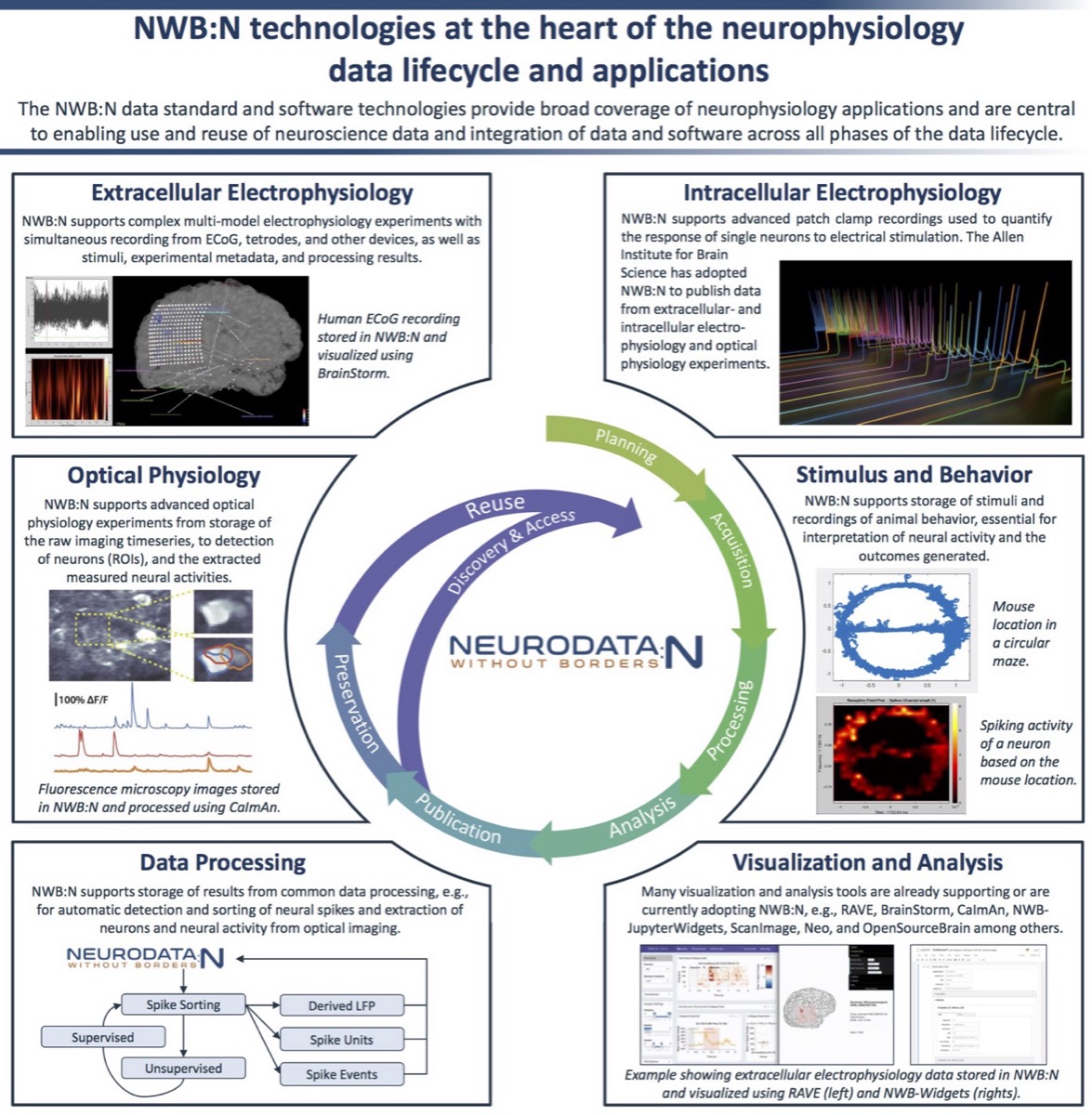
Berkeley Lab’s Neurodata Without Borders Wins R&D100 Award
The Neurodata Without Borders: Neurophysiology (NWB:N) project, led by Berkeley Lab in collaboration with the Allen Institute for Brain Science and multiple neuroscience labs, won a 2019 R&D100 Award. NWB:N is a data standard for neurophysiology research that provides neuroscientists with a software ecosystem that enables them to share, archive, use, and build tools for analyzing data, ensuring the success of brain research worldwide and accelerating the pace of scientific discovery.
Source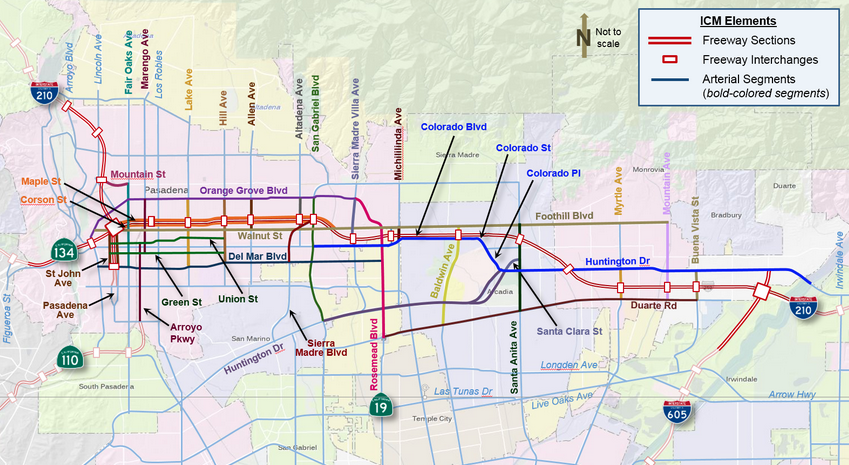
Machine Learning Algorithms Help Predict Traffic Headaches
Urban traffic roughly follows a pattern associated with the “9 to 5” work schedule. But when an accident happens, traffic patterns are disrupted, and traffic engineers, who must adapt to unforeseen traffic scenarios in real time, have difficulty designing accurate traffic flow models. So Berkeley Lab computer scientists worked with researchers at the California Department of Transportation and UC Berkeley to use HPC and machine learning to help improve real-time decision-making when accidents occur.
Source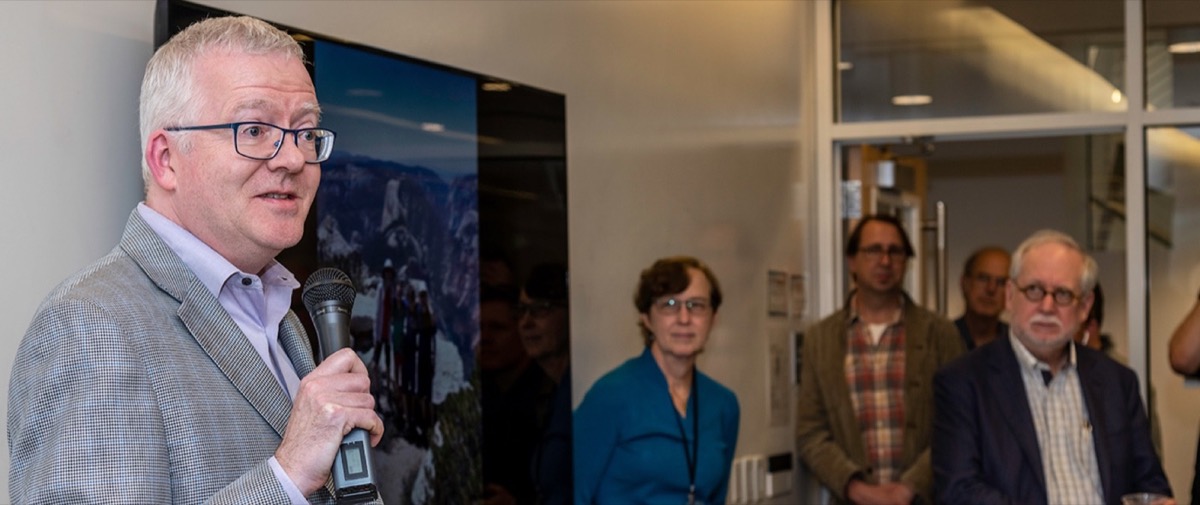
Jonathan Carter Steps Up to Lead Computing Sciences
On January 27, 2020, Jonathan Carter is named Associate Lab Director (ALD) for Computing Sciences. He succeeds Kathy Yelick, who stepped down in December of 2019. Carter brings to the role some 30+ years of experience in research and engineering, as well as people, project, operations, and stakeholder management.
Source
Berkeley Lab Collaborates to Prepare Photovoltaic Research for Exascale
Photovoltaic solar cells are a promising alternative to fossil fuels, but they need to be a lot more efficient before they can go into widespread use. And the arrival of exascale computing will allow them to take this quest to the next level. Berkeley Lab computer scientists are working with researchers at several academic institutions to use the nation’s first exascale computer to search for more efficient photovoltaic solar cell materials.
Source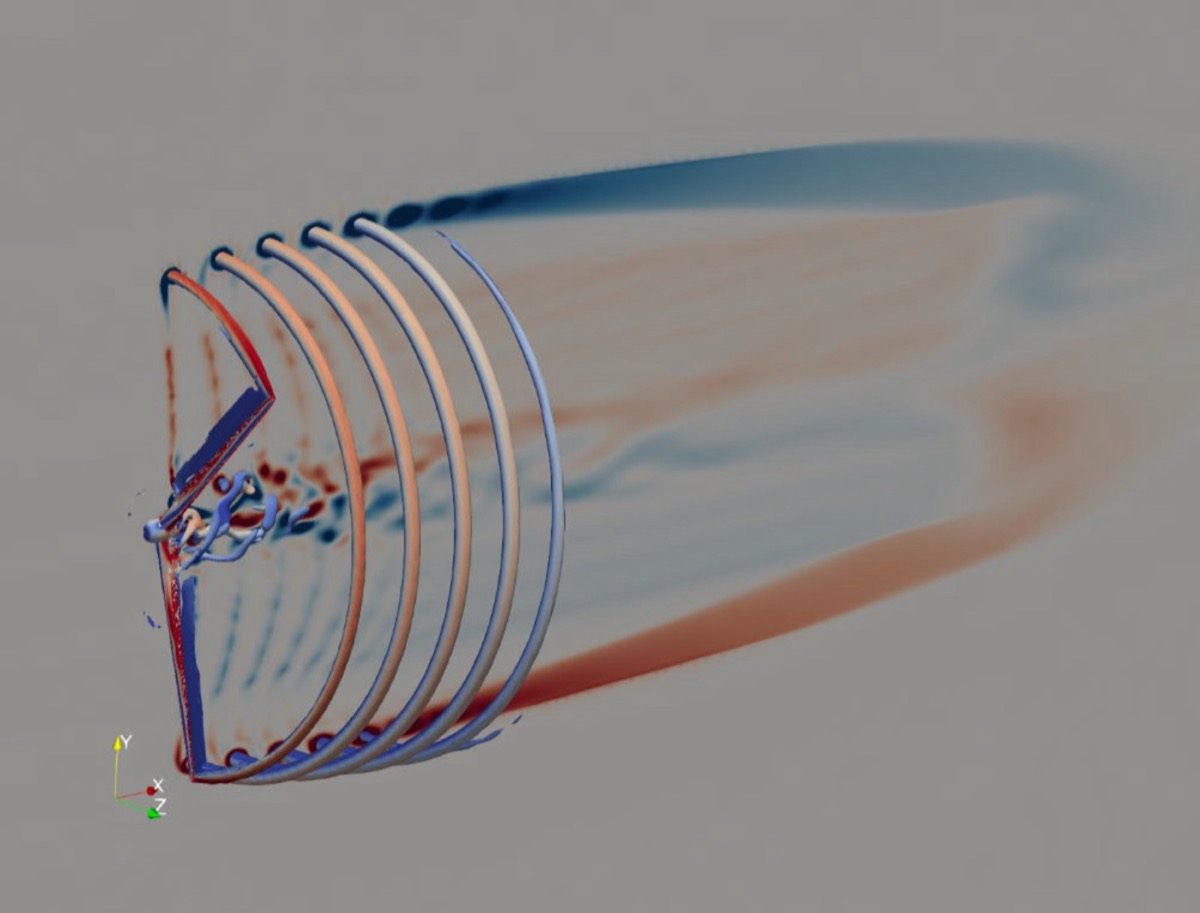
Designing Next-Gen Wind Turbines with Berkeley Lab AMR and Exascale
Before utility grids can achieve wide-scale wind energy deployment, they need more efficient wind plants; this requires advancing our fundamental understanding of the flow physics governing wind-plant performance. ExaWind, a Department of Energy Exascale Computing Project, is developing new simulation capabilities to more accurately predict the complex flow physics of wind farms, and Berkeley Lab is bringing its adaptive mesh refinement expertise to the project to help make this happen.
Source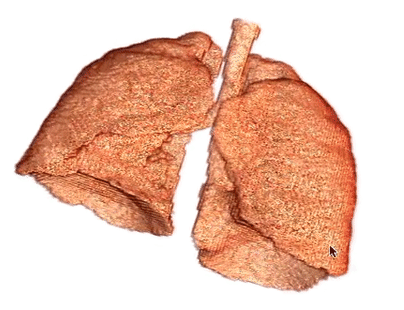
Can CT Scans Be Used to Quickly and Accurately Diagnose COVID-19?
Amid the global COVID-19 pandemic, Berkeley Lab data scientist Daniela Ushizima explored whether image-recognition algorithms and a data-analysis pipeline could help accurately distinguish COVID-19 abnormalities in CT scans and chest X-rays from other overlapping respiratory illnesses.
Source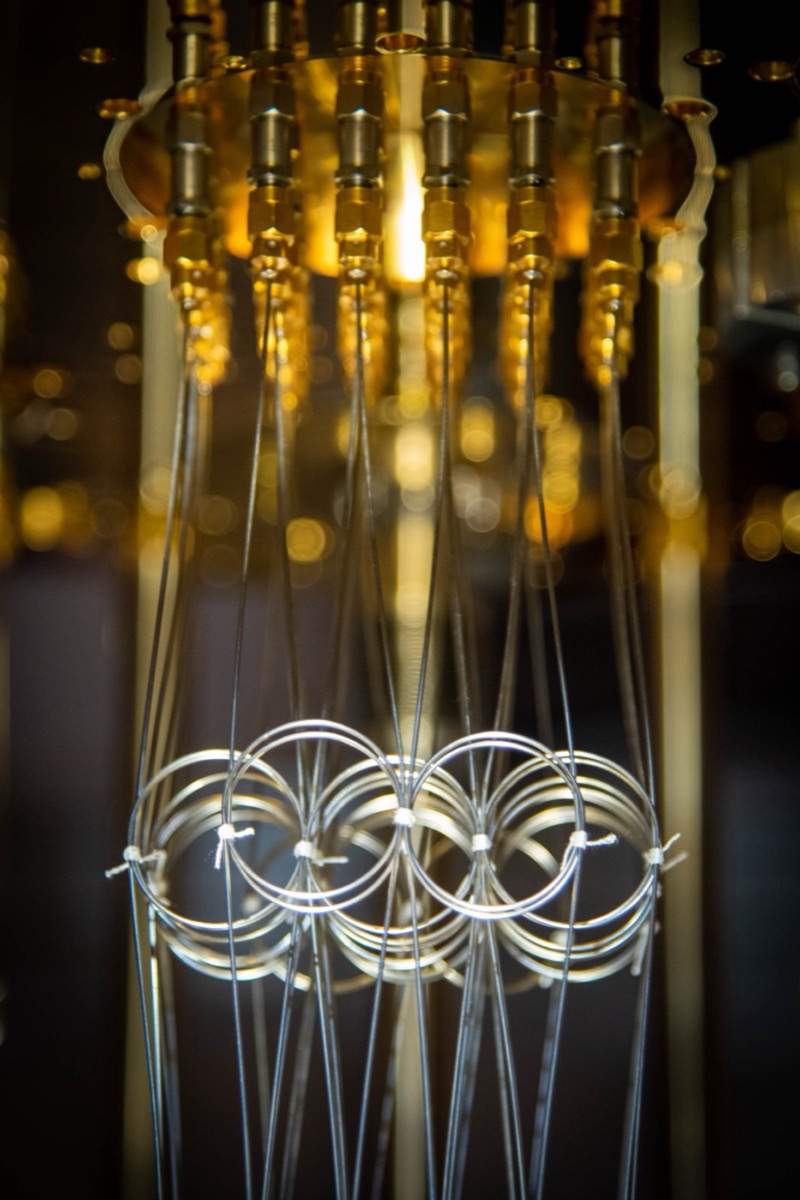
Quantum Systems Accelerator to Pioneer Quantum Technologies
The Department of Energy awarded $115 million over five years to the Quantum Systems Accelerator (QSA), a new research center led by Berkeley Lab that forges the technological solutions needed to harness quantum information science for discoveries that benefit the world. QSA also aims to energize the nation’s research community to ensure U.S. leadership in quantum R&D and accelerate the transfer of quantum technologies from the lab to the marketplace.
Source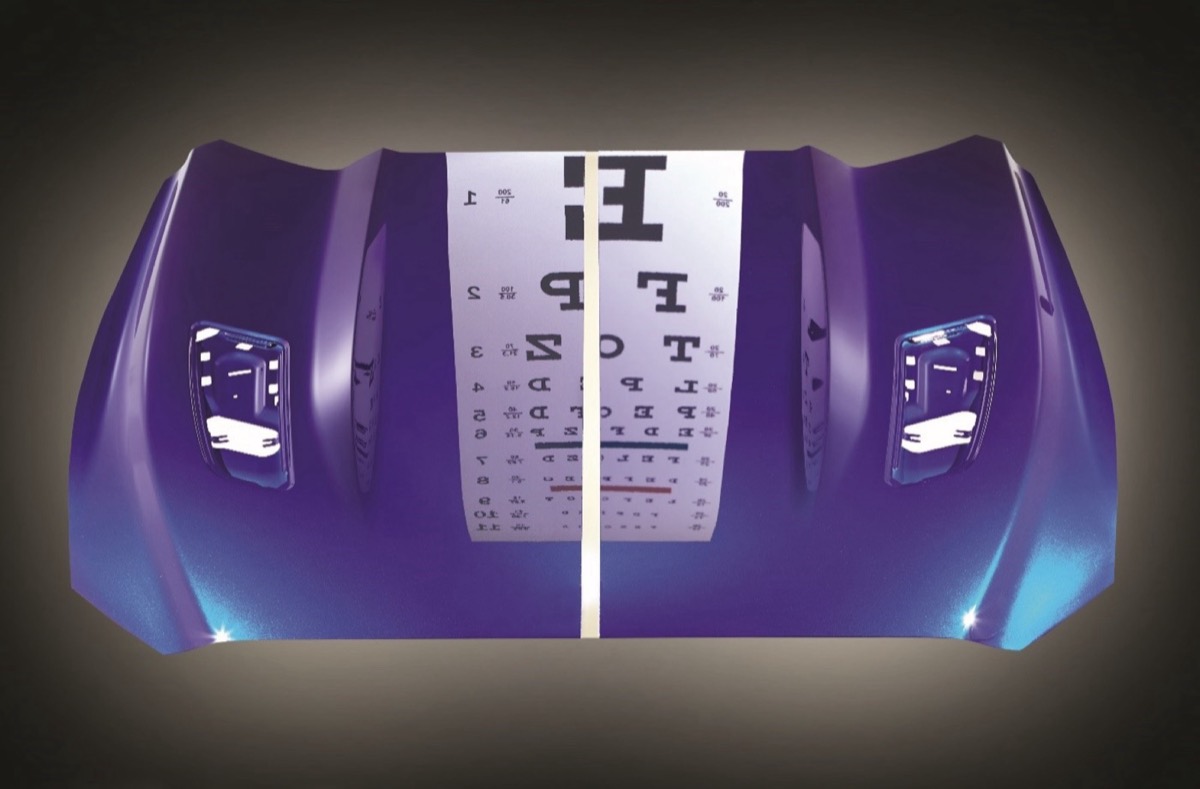
Berkeley Researchers Helps Cut Energy Costs of Painting Cars
Painting cars accounts for about 50-70% of an auto manufacturing plant’s total energy costs. Painting cars is a multi-step process—including preparation, primer, basecoat, and clearcoat—and the industry is looking to develop energy and environmentally friendly improvements to this process. Toward this end, Berkeley Lab researchers and PPG Industries coupled advanced mathematics with HPC resources to model the paint drying process and guide the development of new energy-efficient coatings systems for the automotive industry.
Source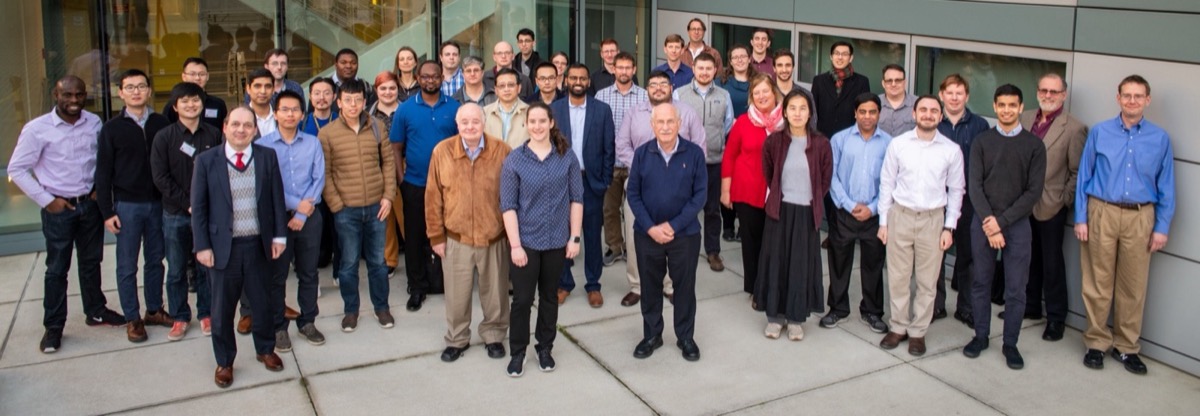
October 2020: IDAES Honored with R&D100 Award
The U.S. Department of Energy’s Institute for the Design of Advanced Energy Systems (IDAES) won a 2020 R&D100 award. The IDAES Modeling & Optimization Platform helps industry and academic users to design, develop, scale-up, and analyze new and potential process systems engineering technologies to accelerate advances and apply them to address the nation’s energy needs. Led by NETL, Berkeley Lab is one of 5 partners in the IDAES collaboration.
Source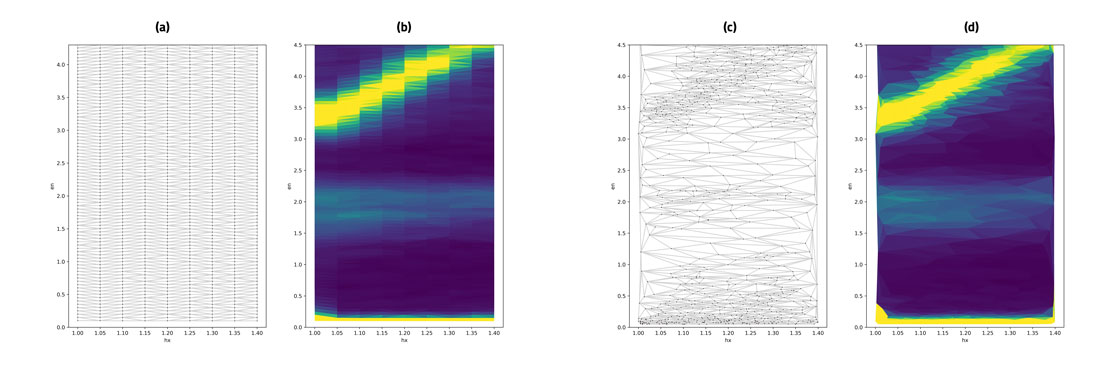
AI Steers Data Acquisition at Neutron Scattering Facility in France
For the first time, a self-learning algorithm developed by Berkeley Lab mathematicians enabled Institut Laue-Langevin researchers to perform autonomous data analysis during a neutron scattering experiment. The algorithm took control over the measurement process without human intervention. Without prior information about physical model or expected signal of the measured sample, the algorithm explored various accessible instrument regions and reconstructed the signal with a strongly reduced number of total measuring points compared to conventional grid scanning.
Source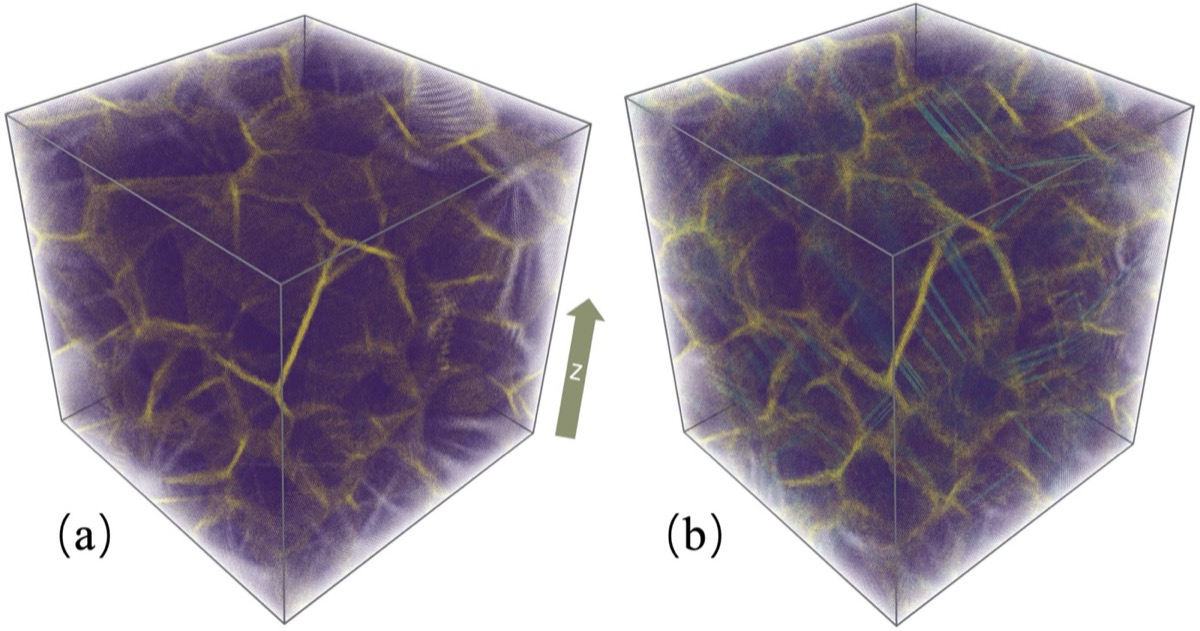
Machine Learning Software Enhances Molecular Dynamics Modeling
Berkeley Lab researchers were co-authors on a research paper that won the 2020 ACM Gordon Bell Prize. The paper, “Pushing the limit of molecular dynamics with ab initio accuracy to 100 million atoms with machine learning,” describes DeePMD-kit (DeePMD stands for deep potential molecular dynamics), a machine-learning-based software package that enhances molecular dynamics modeling.
Source
AI for More Efficient Flying Qubits
Finding a way to link quantum computers with other quantum machines is a big challenge as computing enters its next era. A team of Berkeley Lab researchers is using artificial intelligence techniques to boost the efficiency of a key process that enables qubits to "fly" across optical network fiber. “Quantum networking offers a route to building scalable quantum computers, connecting future quantum computers together, and coupling quantum sensors together to improve precision,” said Jonathan Carter.
Source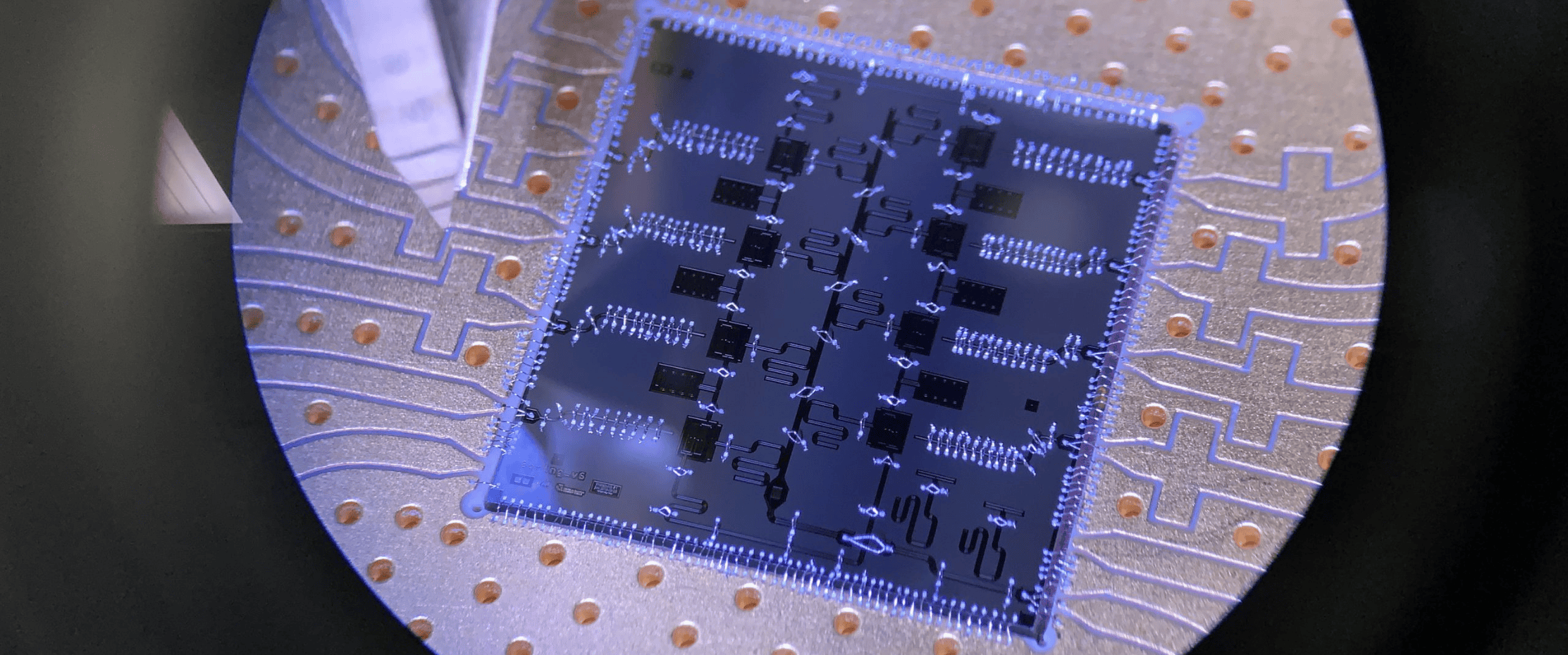
QuIST Group Established to Advance Quantum Co-Design
Berkeley Lab established the Quantum Information Science and Technology (QuIST) group to consolidate its rapidly growing quantum computing ecosystem. Unifying efforts across the Advanced Quantum Testbed and Quantum Systems Accelerator, QuIST focuses on the end-to-end design, fabrication, and operation of world-class superconducting processors for next-generation algorithms and scientific discovery.
Source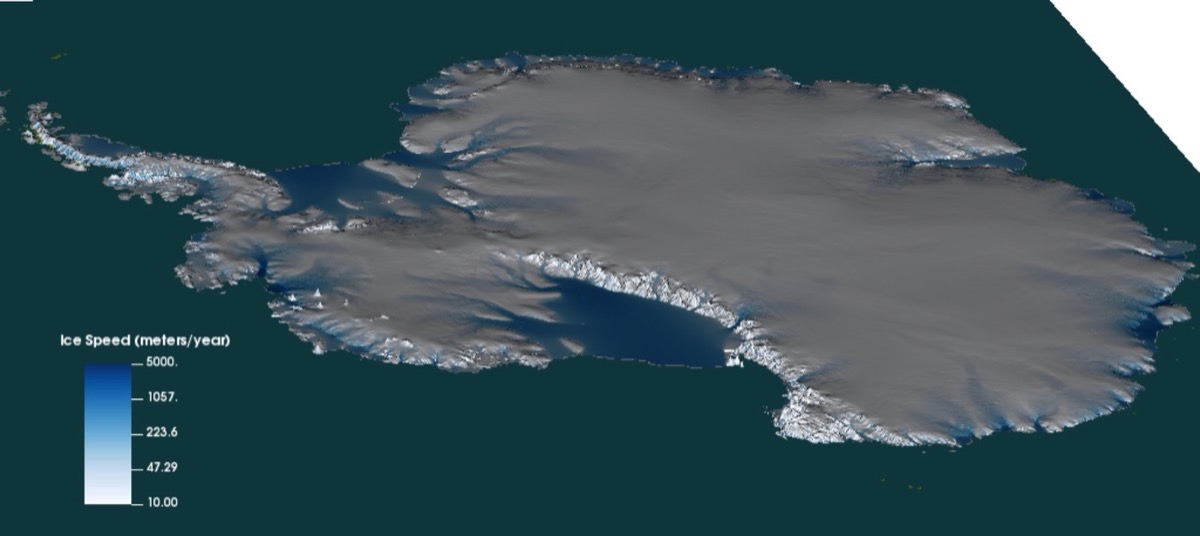
Simulations Tie Melting Ice Sheets, Climate Goals to Slowing Sea-Level Rise
Glaciers and ice sheets currently contribute to half of the global sea-level rise. And an international collaboration of 84 scientists predicted that if we meet the Paris Agreement target of limiting global warming to 1.5°C, sea-level rise could be halved this century (from today to 2100). This work combined nearly 900 simulations, including some of Berkeley Lab’s Dan Martin's BISICLES models of Antarctic ice sheets.
Source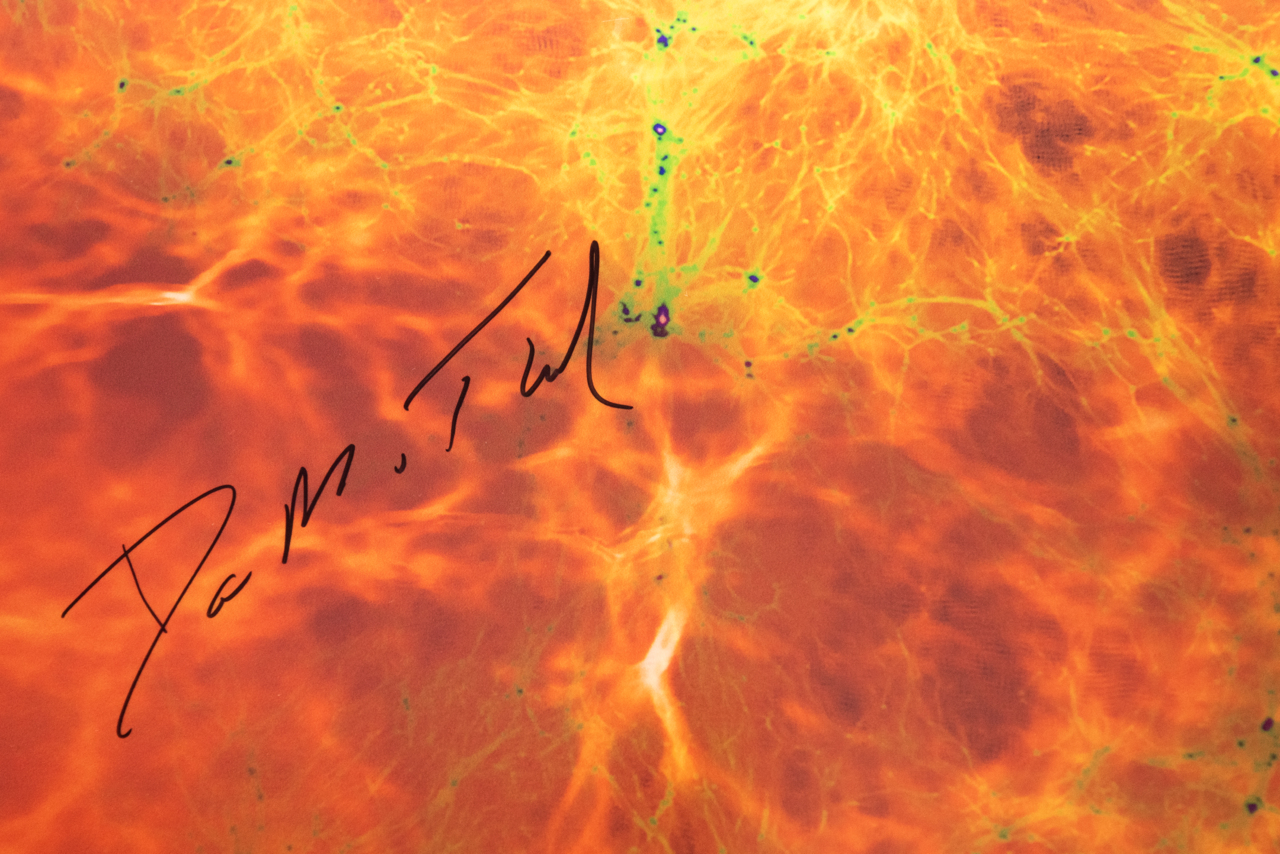
Deputy Energy Secretary Helps Dedicate "Perlmutter" System
NERSC at Berkeley Lab unveiled the first phase of its next-generation supercomputer, Perlmutter. The system, named in honor of Nobel Prize-winning astrophysicist Saul Perlmutter, will increase the supercomputing capability for a broad spectrum of unclassified scientific research within the U.S. Department of Energy’s Office of Science. Deputy Energy Secretary David Turk, UC Berkeley Chancellor Carol Christ, and Dr. Perlmutter were just a few of the dignitaries who participated in the dedication event.
Source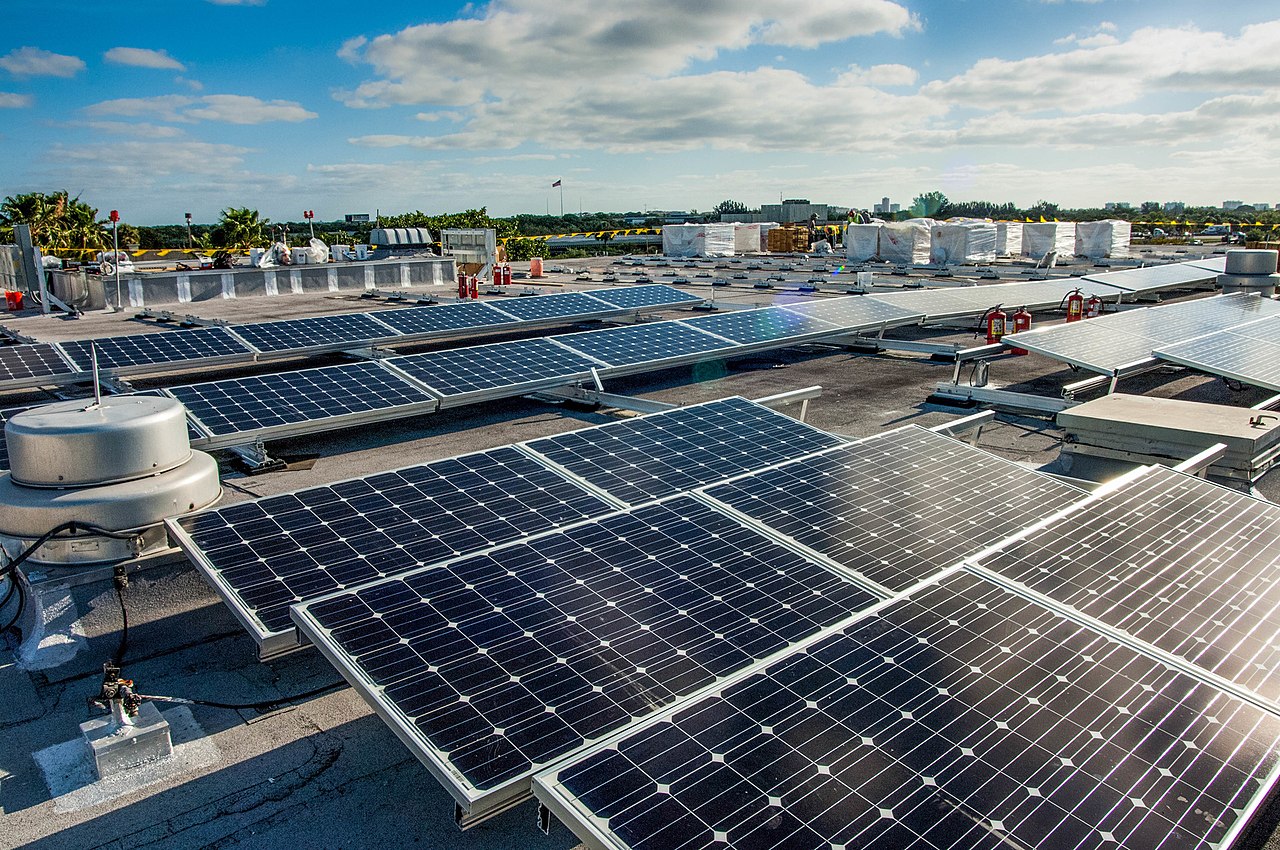
CIGAR 'Smokes Out' Attacks on Solar Electrical Power Equipment
Solar arrays are among the most promising methods for generating sustainable electricity. And inverters—the “brains” of the system, converting DC power generated by the panels to AC power ingested by the grid—are also becoming smarter, adding adaptive capabilities to respond to changing conditions in the grid. Berkeley Lab’s Cybersecurity via Inverter-Grid Automatic Reconfiguration (CIGAR) project aims to protect the grid from disturbances caused by remote attacks against rooftop solar inverters.
Source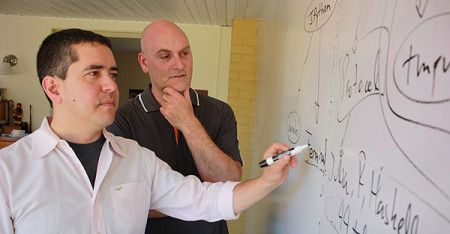
Project Jupyter Transforms Scientific Supercomputing
Recognized by Nature as a code that "transformed science," Project Jupyter—co-developed by Berkeley Lab’s Fernando Pérez—revolutionized HPC access. At NERSC, Jupyter deployments shifted the paradigm from traditional batch jobs to interactive, browser-based AI workflows, becoming the foundational user interface for the DOE’s Integrated Research Infrastructure (IRI).
Source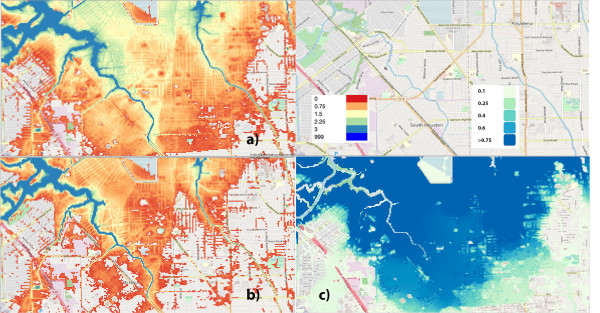
Study of Harvey Flooding Aids in Quantifying Climate Change
How much do the effects of climate change contribute to extreme weather events? A study by CRD’s Michael Wehner investigated this for one particular element of one significant storm: Hurricane Harvey. Wehner used a hydraulic model—a mathematical model that can analyze fluid flows through a system of natural or human-made channels—to quantify how much human-caused climate change may have affected flooding in and around Houston during the 2017 storm and how that flooding was distributed.
Source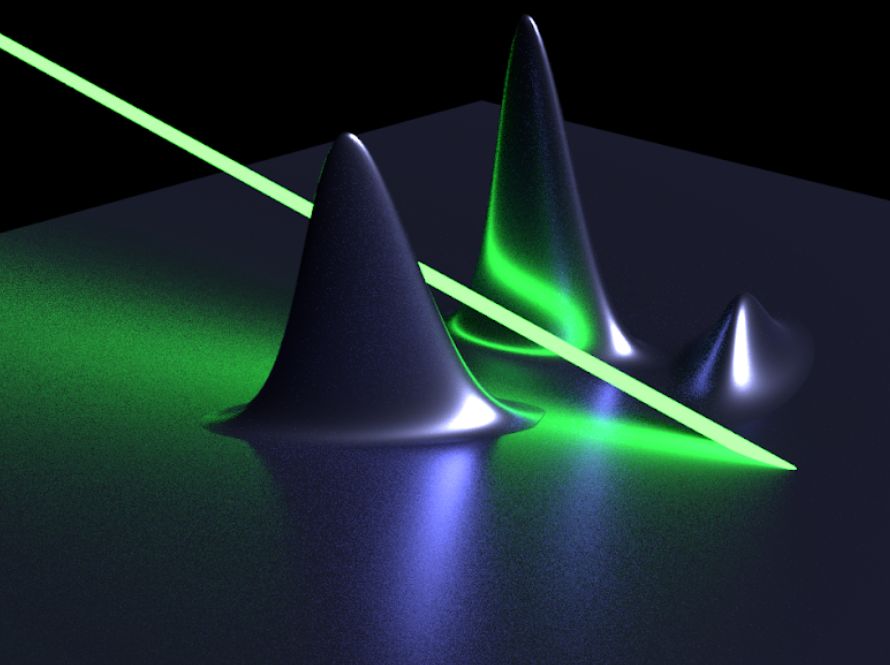
CAMERA Drives Multinational Shift Toward Autonomous Discovery
Berkeley Lab’s CAMERA catalyzed a shift toward "self-driving" experiments with its gpCAM software. Validated by a landmark Nature Reviews Physics paper and an international workshop, this Gaussian process algorithm autonomously steers real-time data acquisition and was successfully integrated into hardware across DOE user facilities, including the ALS and Molecular Foundry.
Source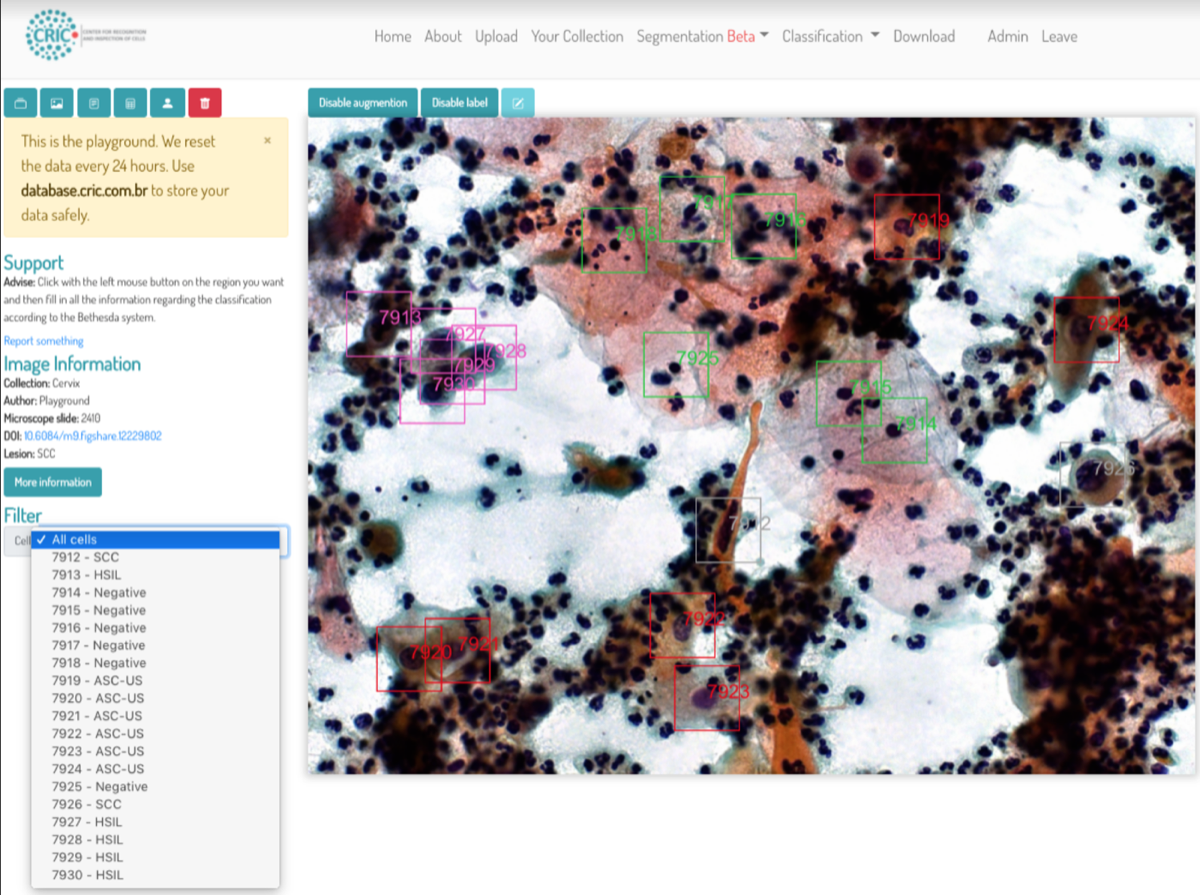
CRIC Database Brings Machine Learning to Women's Health
CRD’s Daniela Ushizima and the Center for Recognition and Inspection of Cells (CRIC) took a significant step toward applying machine learning techniques to women’s health with the CRIC Cervix Collection, a database of images of cervical-vaginal cytology. The open source and searchable database offers opportunities to use machine learning for biomedical purposes, with the aim of advancing reproducible research and FAIR (Findable, Accessible, Interoperable, and Reusable) data.
Source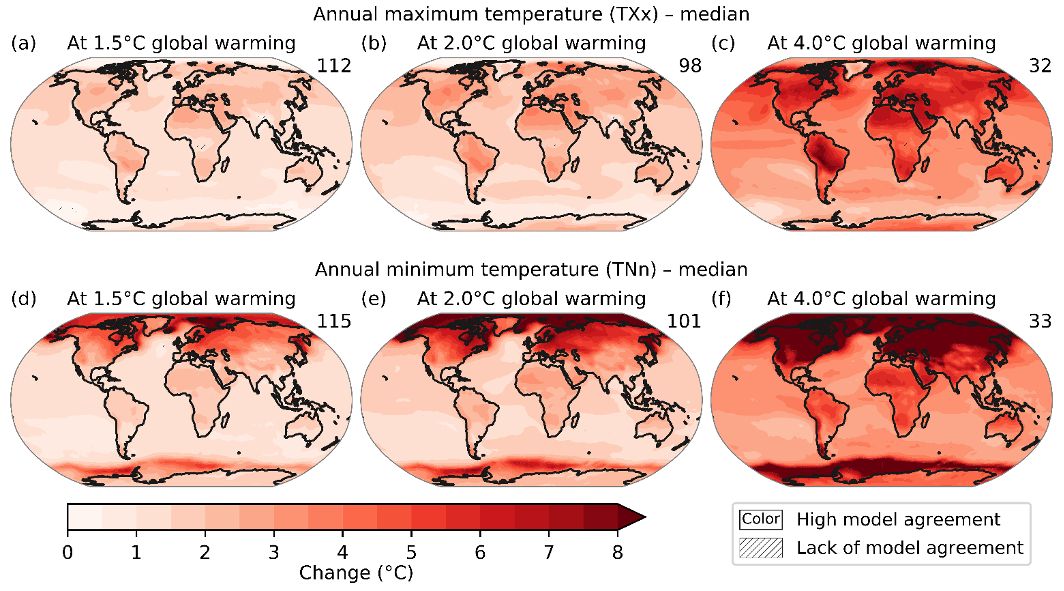
Latest IPCC Report Points to Urgent Need to Cut Emissions
Oceans, forests, and soils absorb half of Earth’s carbon dioxide (CO2) emissions. But as our planet warms, these “carbon sinks” weaken. And if we continue on our current trajectory of greenhouse gas emissions, not only will carbon sinks absorb less CO2 by the next century, they could even reverse their role and become carbon sources. The message is a key takeaway from the sixth IPCC report Working Group I; CRD’s Michael Wehner was a contributor.
Source
Reorganization Brings Data Science to the Forefront
To position Berkeley Lab among the premier institutions for data science research, the Computational Research Division (CRD) was split into two new divisions: One division focuses on data science research, and the other focuses on math, computer, and computational science research. “With the new data science division new data science division, to be led by Deb Agarwal, we will be able to focus on the whole set of challenges that this brings up and address those,” said CRD Director David Brown.
Source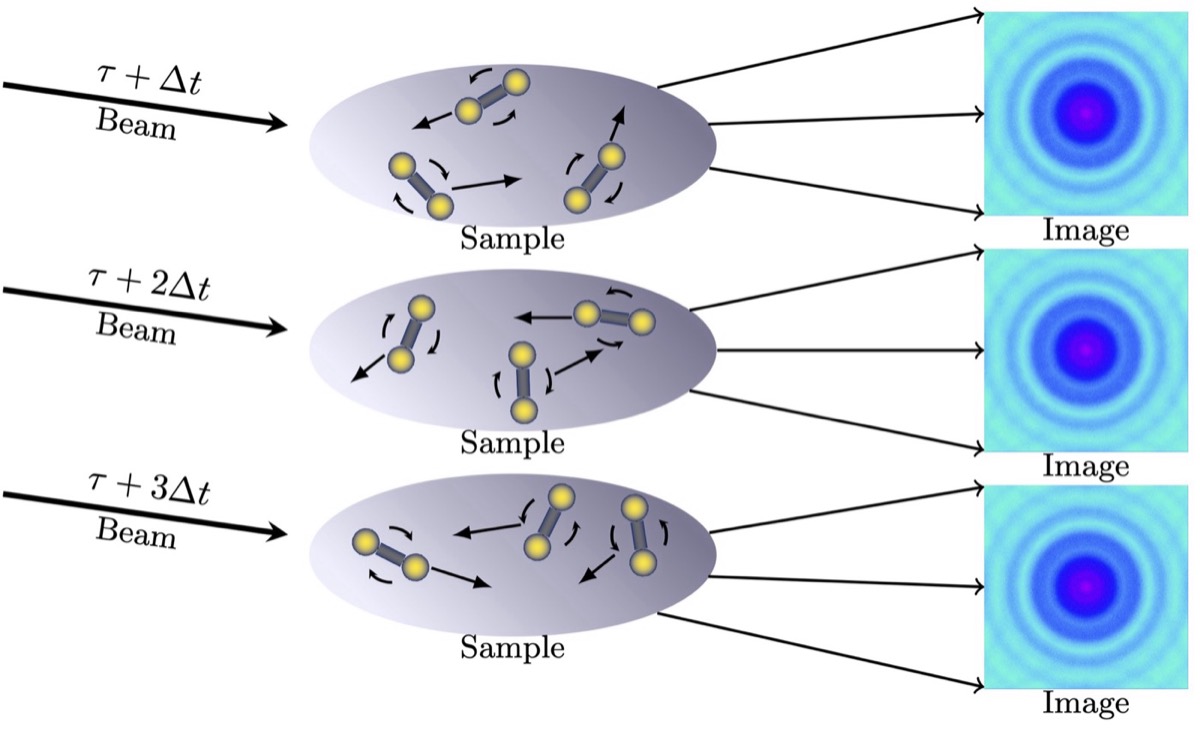
Building an Algorithm to ‘Do the Twist’
Berkeley Lab mathematicians developed an algorithm to decipher the rotational dynamics of twisting particles in large complex systems from the X-ray scattering patterns observed in highly sophisticated X-ray photon correlation spectroscopy (XPCS) experiments. The new math methods can reveal far more information about the function and properties of complex materials than was previously possible.
Source
Secretary of Energy Jennifer Granholm Visits Berkeley Lab
Jennifer Granholm (red jacket), Secretary of Energy, U.S. Department of Energy; and California Congresswoman Barbara Lee (purple jacket) tour Berkeley Lab and talk with early and mid-career researchers, as well as staff. Computational Research Division’s (CRD’s) Daniela Ushizima (gray jacket) spoke about the Lab’s work in the fields of supercomputing and machine learning.
Berkeley Lab, UC Berkeley, Caltech to Build Quantum Network Testbed
Berkeley Lab and UC Berkeley received a $12.5 million award from the Department of Energy (DOE) to build a cutting-edge quantum network testbed. This distributed quantum network between Berkeley Lab and UC Berkeley will help realize the DOE’s vision of establishing a nationwide quantum Internet and support the U.S. National Quantum Initiative. A quantum Internet will enable future capabilities like distributed quantum sensing, upscaling quantum computing, and enabling highly secure communications.
Source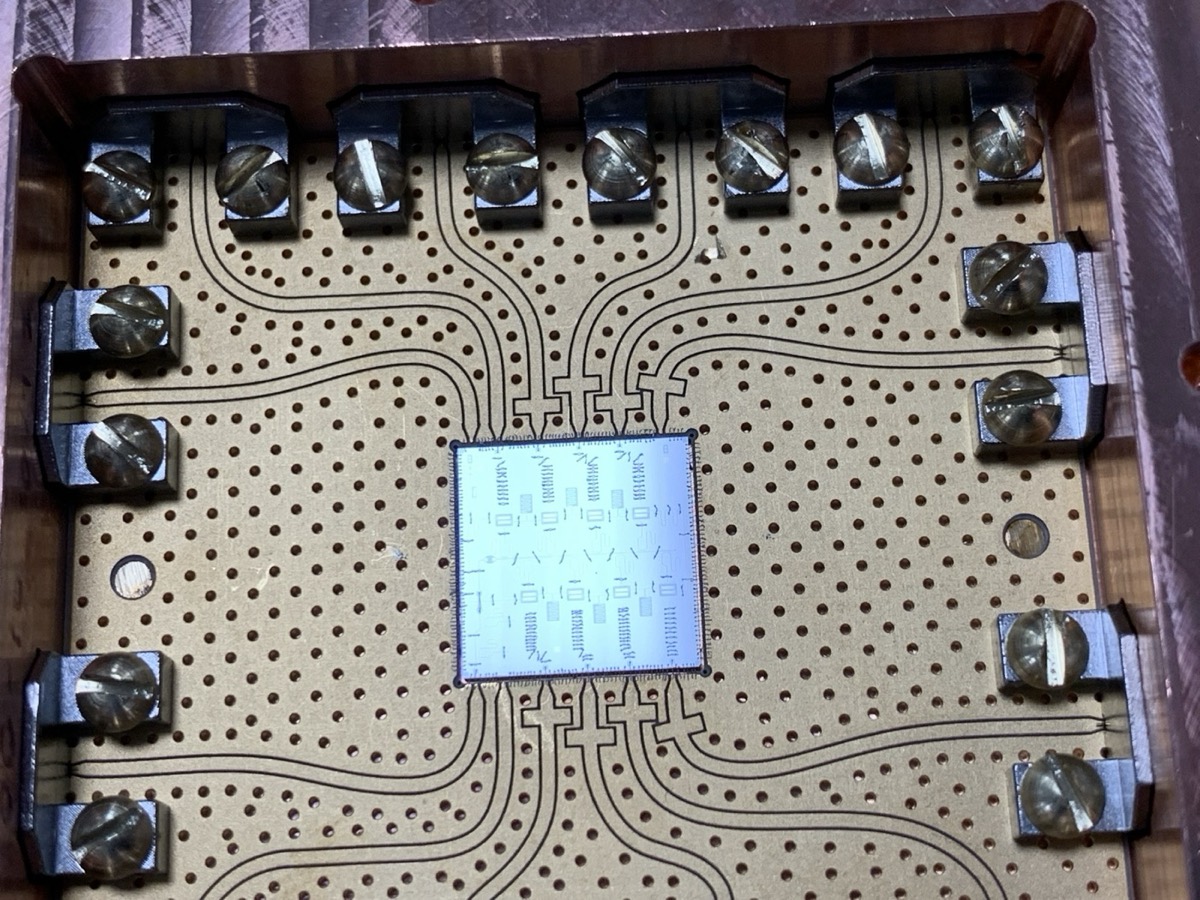
Raising the Bar in Error Characterization for Qutrit-Based Quantum Computing
Error rates are a problem for quantum computers, causing decoherence (loss of information) and problems with the execution of quantum logic gates, which corrupt the results. A growing number of qubits or qutrits increases the propensity for errors, so finely describing these errors—error characterization—allows researchers to overcome them and design better algorithms and processors. A team of physicists at Berkeley Lab’s Advanced Quantum Testbed demonstrated an error characterization method—randomized benchmarking—on a superconducting qutrit quantum processor.
Source
NASA Awards Exceptional Public Achievement Medal for NPIPE Cosmological Pipeline
To maximize insights from the Planck space telescope, researchers developed NPIPE, a novel high-performance computing pipeline run on NERSC’s Cori supercomputer. By unifying disparate instrument data into a single, noise-reduced analysis, the pipeline enabled unprecedented measurements of the early universe's cosmic microwave background, earning NASA’s Exceptional Public Achievement Medal.
Source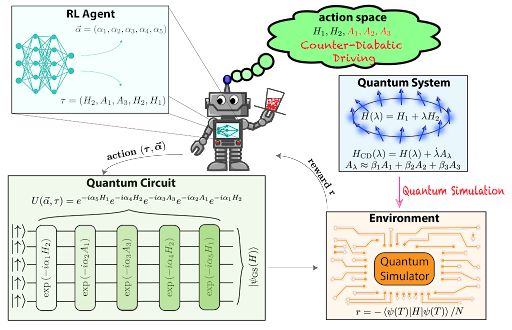
Deep Learning Tactics Speed Quantum Simulations
Machine learning is emerging as a valuable tool in developing quantum computing platforms, particularly in optimizing the methodologies used to simulate quantum systems. Berkeley Lab and UC Berkeley researchers are using an AI technique called reinforcement learning to optimize quantum simulations and speed the time it takes to create and test different quantum architecture designs.
Source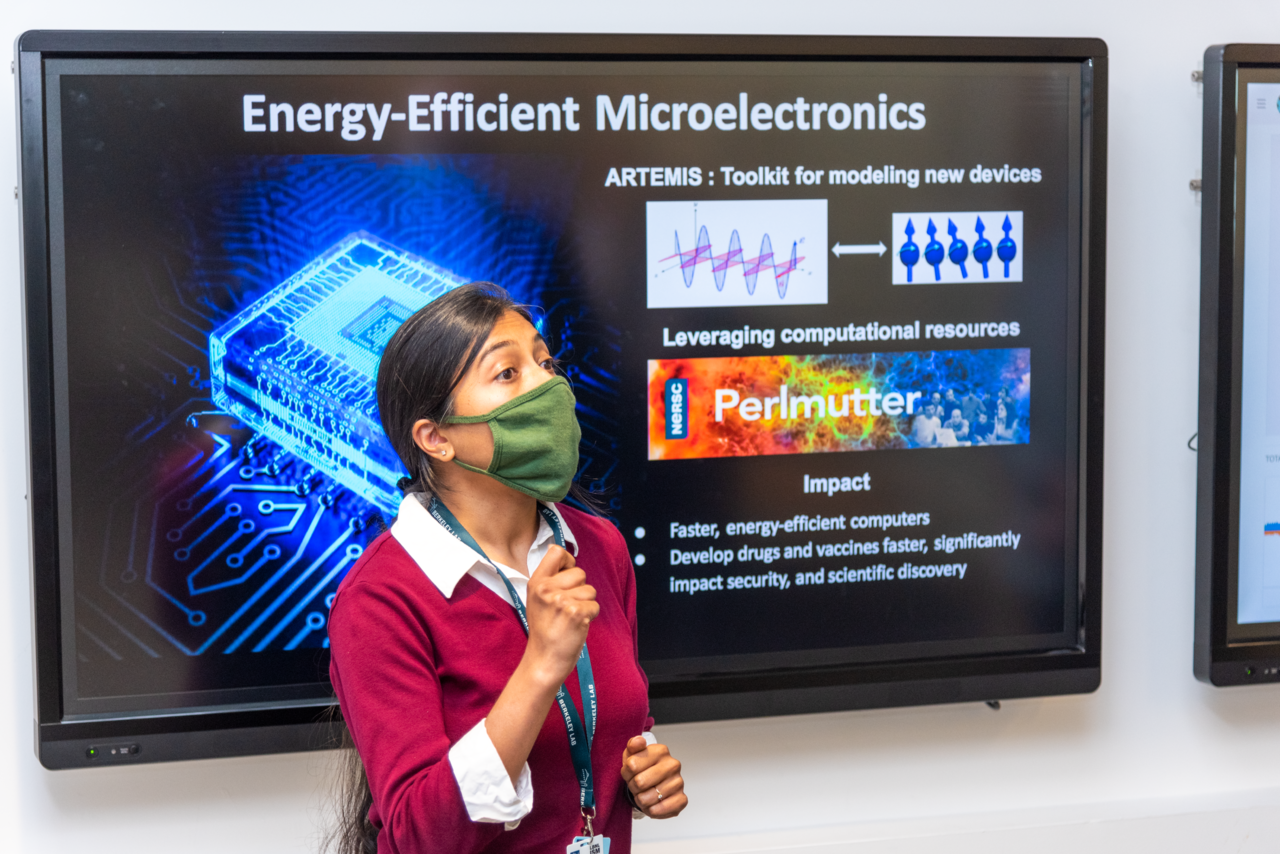
Deputy Energy Secretary David Turk Visits Berkeley Lab
Computational Research Division (CRD) Postdoc Revathi Jambunathan presented her research on energy efficient microelectronics to Deputy Secretary of Energy David Turk during his November 3 visit to Berkeley Lab. During his visit, Turk toured Berkeley Lab facilities to learn about how the lab is supporting the Department of Energy’s goals for decarbonization and clean energy, as well as advancing fundamental science.
Novel Radio Frequency Control System Enhances Quantum Computers
Despite significant advances in building processors with more qubits, quantum computers continue to be noisy and error-prone. Each additional qubit introduces new layers of complexity and possibilities for electrical failure, especially at room temperature. This growth in complexity and computing power requires a rethinking of certain core control elements. Berkeley Lab researchers built a series of compact radio frequency modules that mix signals to improve the reliability of control systems for superconducting quantum.
Source
Crucial Leap in Error Mitigation for Quantum Computers
Researchers at Berkeley Lab’s Advanced Quantum Testbed demonstrated that an experimental method known as randomized compiling (RC) can dramatically reduce error rates in quantum algorithms and lead to more accurate and stable quantum computations. The experiments at AQT were performed on a four-qubit superconducting quantum processor. The researchers demonstrated that RC can suppress one of quantum computers’ most severe types of errors: coherent errors.
Source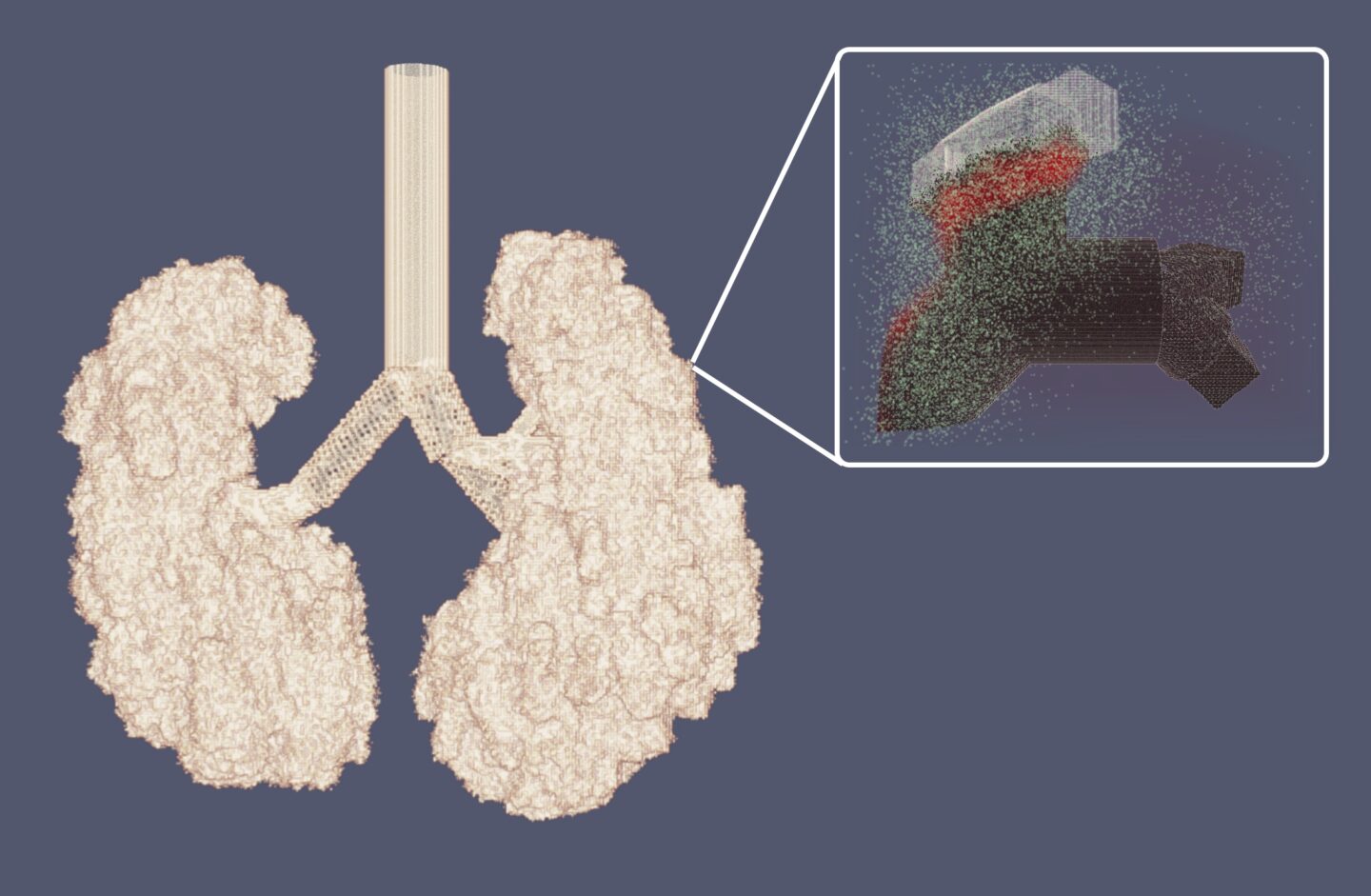
SIMCoV Models Cell-by-Cell Spread of Respiratory Infections
Berkeley Lab researchers developed SIMCoV, a highly scalable 3D spatial model simulating viral infections in lung tissue. Powered by the Exascale-funded UPC++ library on NERSC supercomputers, this agent-based approach tracks billions of interacting cells, demonstrating how the physical distribution of viruses impacts immune response and disease severity.
Source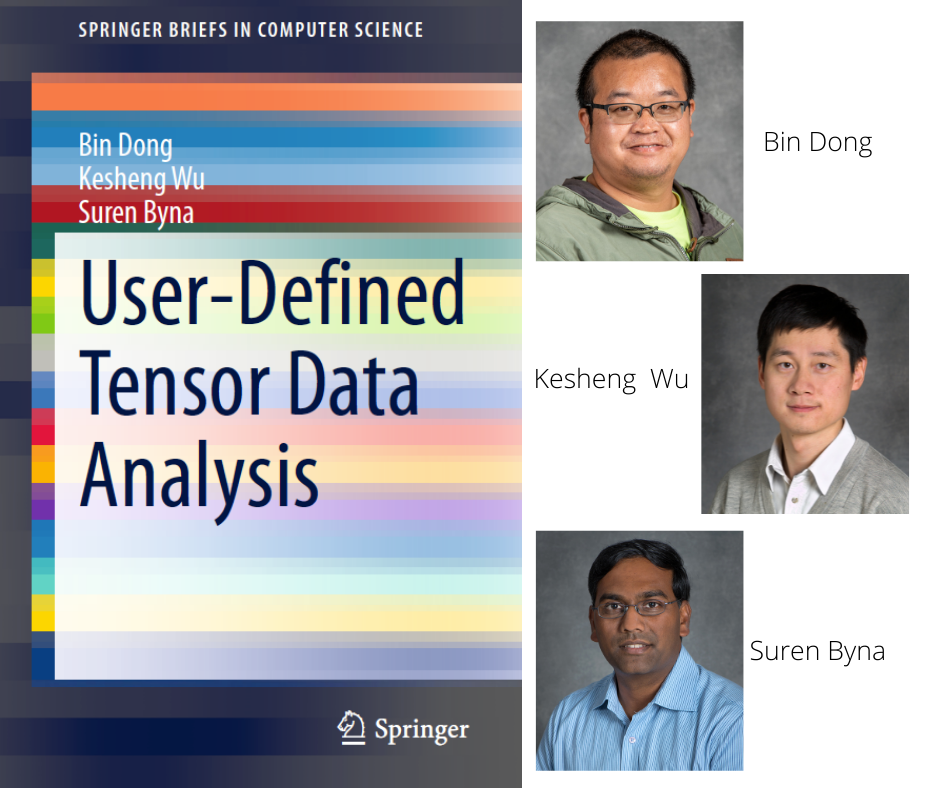
FasTensor Accelerates Big Data Analysis for Exascale Science
Supported by ASCR, Berkeley Lab researchers released FasTensor, an open-source programming model built for massive multidimensional datasets. Unlike commercial systems, FasTensor directly computes on arrays and automates complex data movement on supercomputers, accelerating scientific data analysis by orders of magnitude to support exascale and machine learning workloads.
Source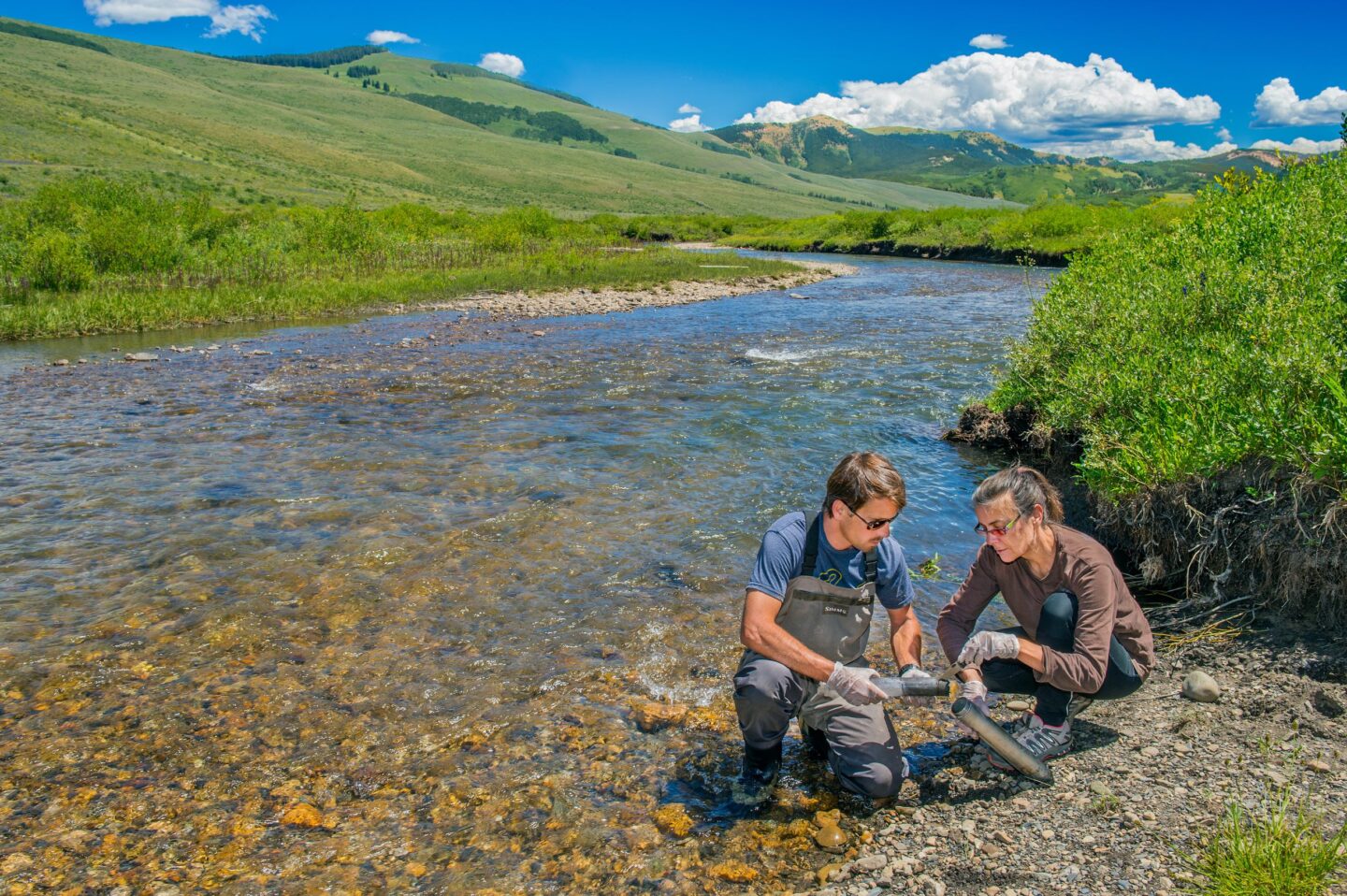
ESnet Expands IRI to the Edge with Remote 5G
To expand the Integrated Research Infrastructure to the extreme edge, ESnet deployed private 5G and satellite backhaul in Colorado’s mountainous East River watershed. This first-of-its-kind field-to-lab connectivity established seamless, real-time data streaming, paving the way for HPC models to autonomously steer remote environmental sensor networks.
Source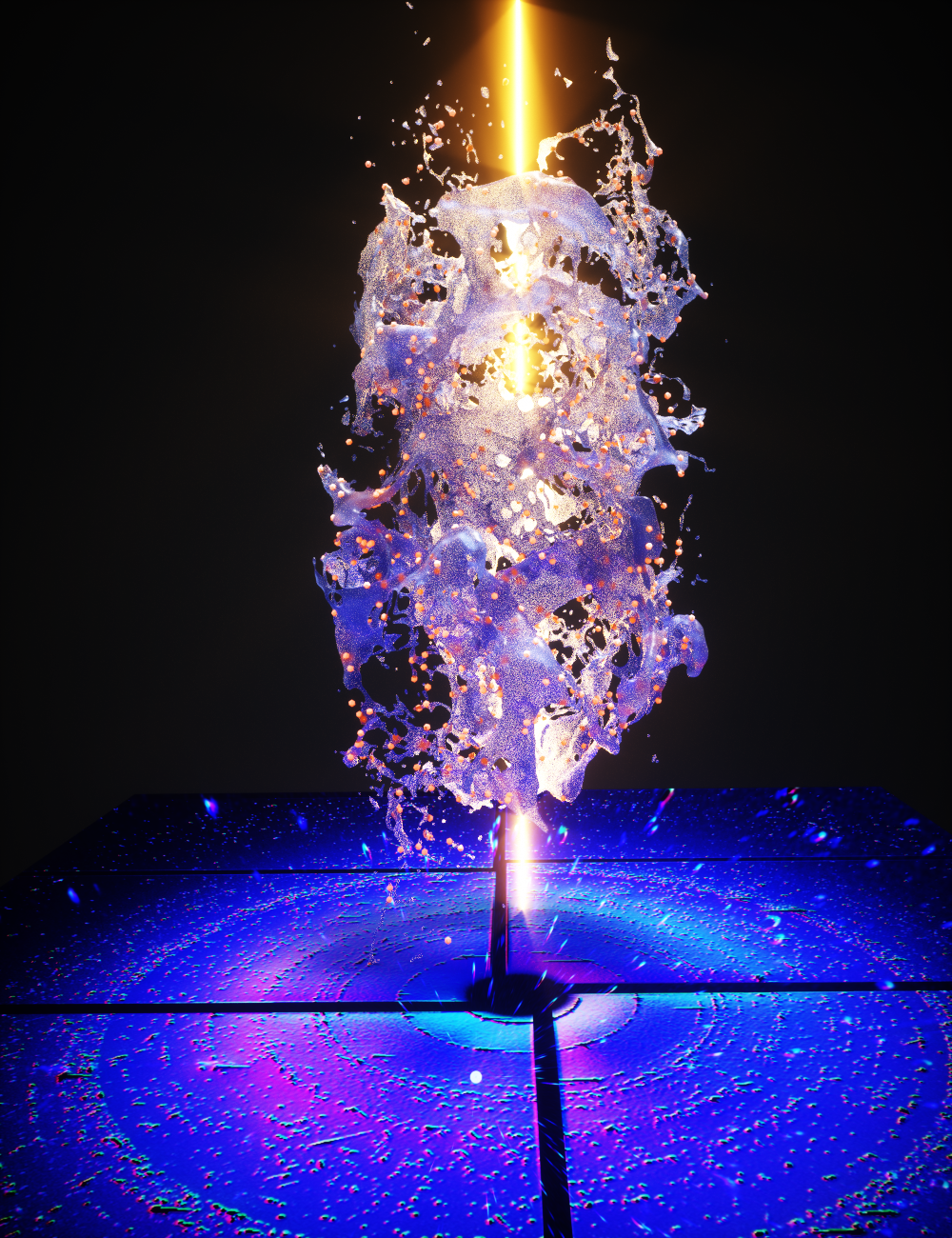
Superfacility Project Achieves Automated Real-Time Experimental Workflows
Concluding its initial phase in 2022, the Superfacility Project achieved a major milestone by successfully automating massive data workflows between experimental instruments and supercomputers via ESnet. This seamless integration allows researchers to analyze complex datasets in real time without human intervention, establishing the foundation for DOE’s Integrated Research Infrastructure.
Source
ESnet Powers Multi-Lab "SuperLab" Grid Demonstrations
In 2022 and 2023, ESnet’s ultra-low latency network linked hardware at NREL, PNNL, and INL to create a collaborative "SuperLab." Utilizing the advanced ESnet6 architecture, researchers successfully co-simulated massive, hybrid renewable and nuclear power grids in real time, testing physical and virtual energy assets to de-risk future power transitions. https://www.youtube.com/watch?v=ANsynoDxh84, https://www.youtube.com/watch?v=ZCw_QRC_07E&t=1s, https://www.youtube.com/watch?v=doOqWOMd_Ug, https://cs.lbl.gov/news-and-events/news/2022/esnet-plays-key-role-in-groundbreaking-aries-digital-twin-demonstration/
Source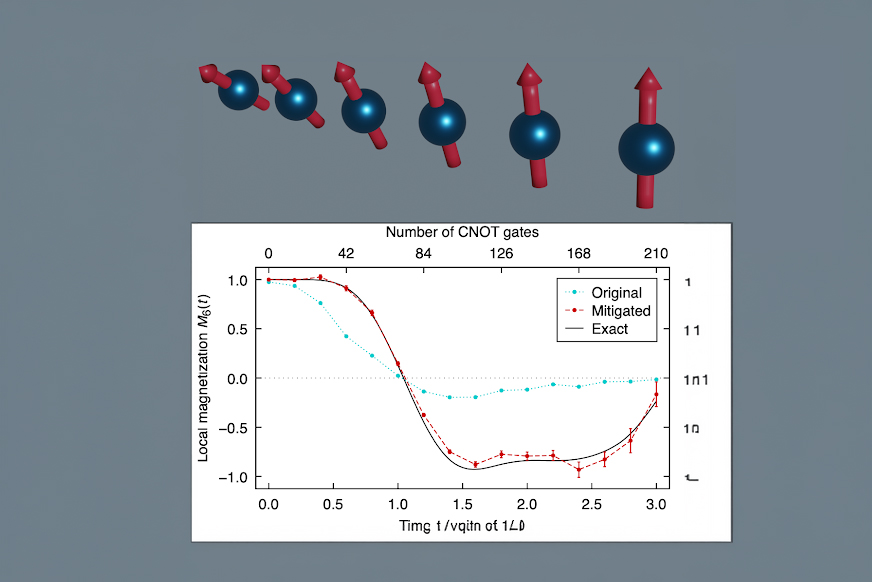
Pioneering Error Mitigation for Near-Term Quantum Hardware
Berkeley Lab researchers combined "noise-estimation circuits" with statistical techniques to suppress computational errors on early quantum hardware. This advance allowed near-term quantum computers to reliably perform hundreds of operations instead of just tens, unlocking the ability to run larger, more complex scientific simulations.
Source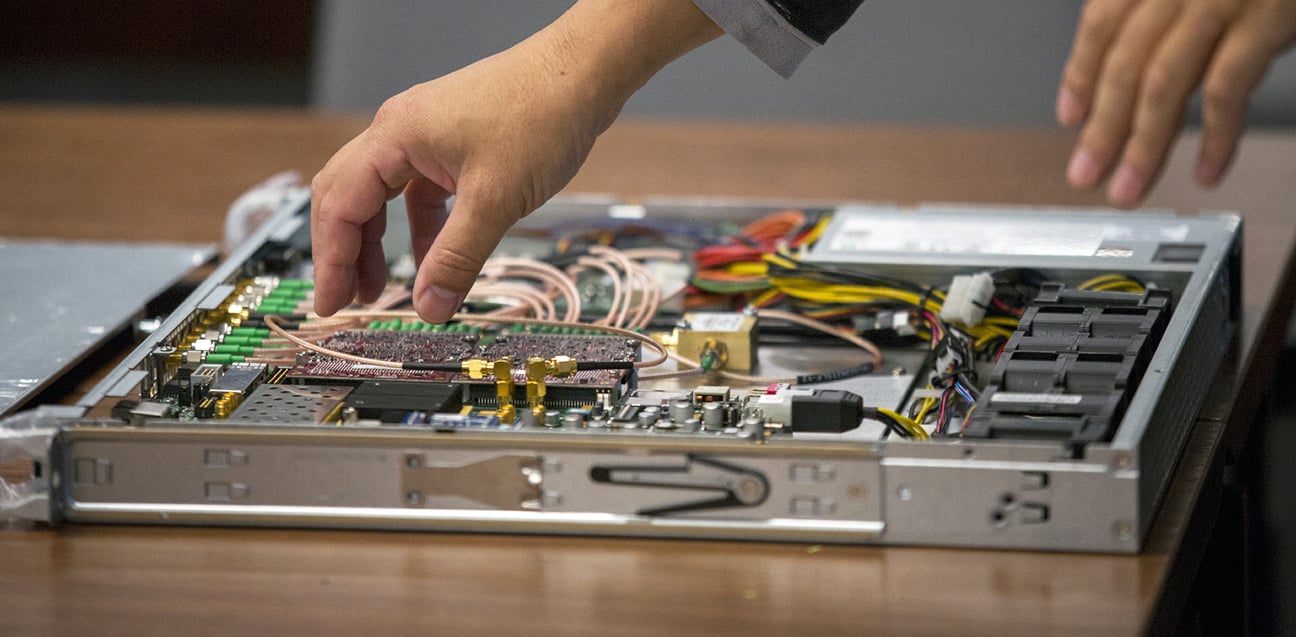
AQT Open-Sources QubiC Controls, Accelerating Global Quantum Research
Berkeley Lab’s Advanced Quantum Testbed (AQT) developed and open-sourced QubiC, an affordable electronic control system for quantum computers. Adapted from particle accelerator technology, this modular system offers a powerful alternative to expensive commercial hardware, removing major financial roadblocks and accelerating global quantum research.
Source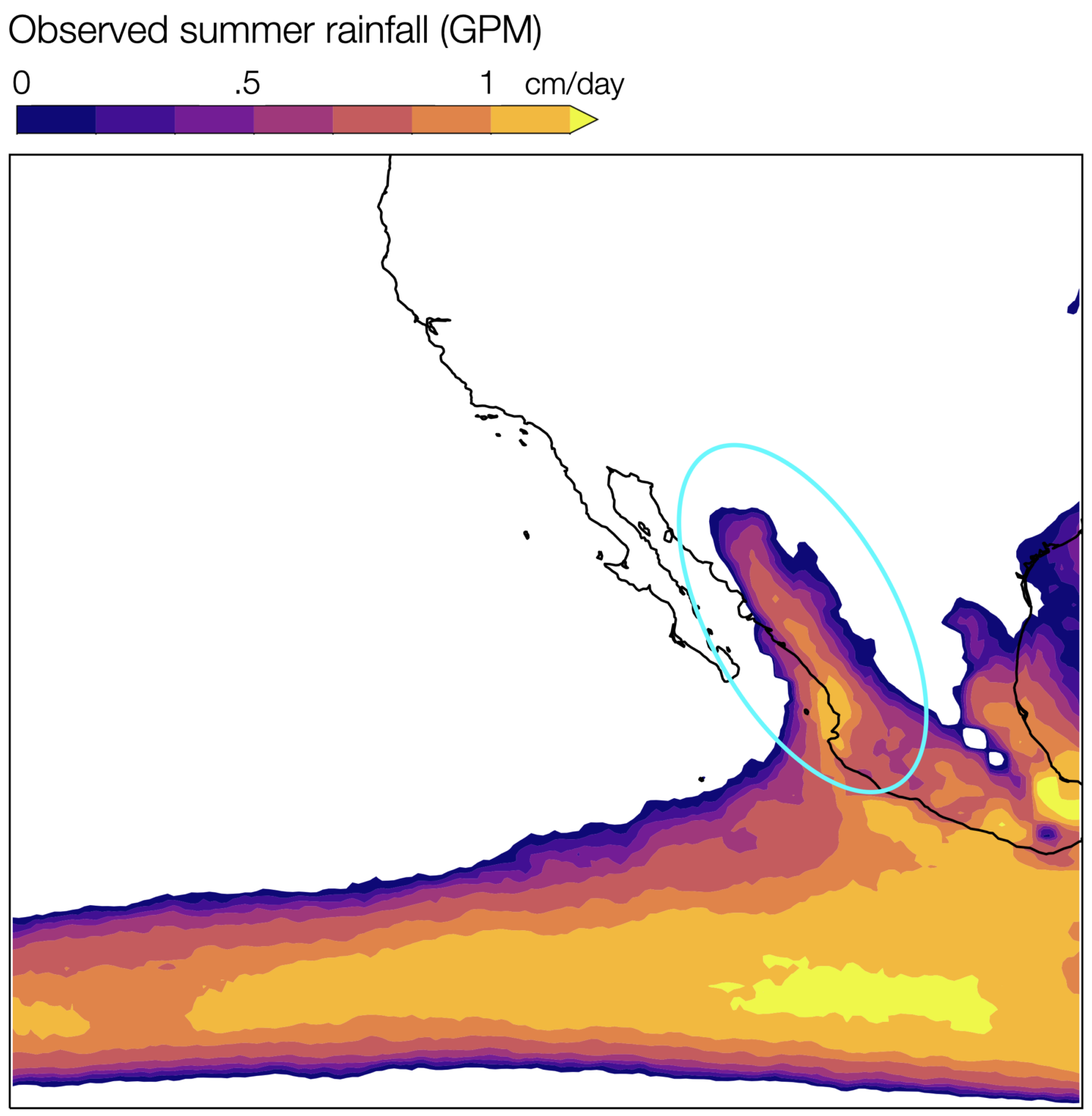
High-Resolution Simulations Reveal Unique Origins of North American Monsoon
Using supercomputers at NERSC, researchers ran decade-long, high-resolution climate simulations that fundamentally redefined the North American monsoon. The models revealed that mechanical deflection of the jet stream by regional mountains drives the monsoon, transforming how scientists project future climate and extreme weather patterns.
Source
Supercomputing Enables Hyper-Local Climate Resilience Planning for San Francisco
In a pioneering civic partnership, Berkeley Lab researchers used National Energy Research Scientific Computing Center supercomputers to model future extreme storms at a three-kilometer resolution. This highly localized climate data allows San Francisco officials to confidently upgrade municipal infrastructure and adapt to intensifying atmospheric rivers in a warming world.
Source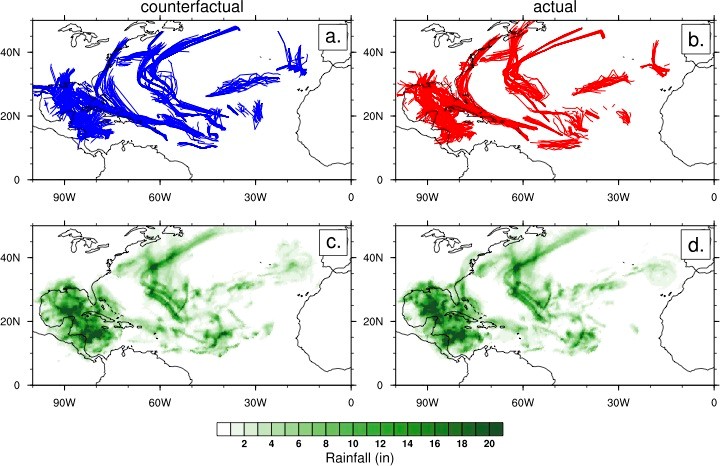
Computer Models Show Role of Climate Change in Intense 2020 Hurricane Season
Using NERSC supercomputers, Berkeley Lab researchers and collaborators performed the first climate attribution study of an entire hurricane season. By modeling the historic 2020 North Atlantic season, the team discovered that human-induced climate change causes storms to rain out moisture more efficiently, significantly amplifying extreme precipitation.
Source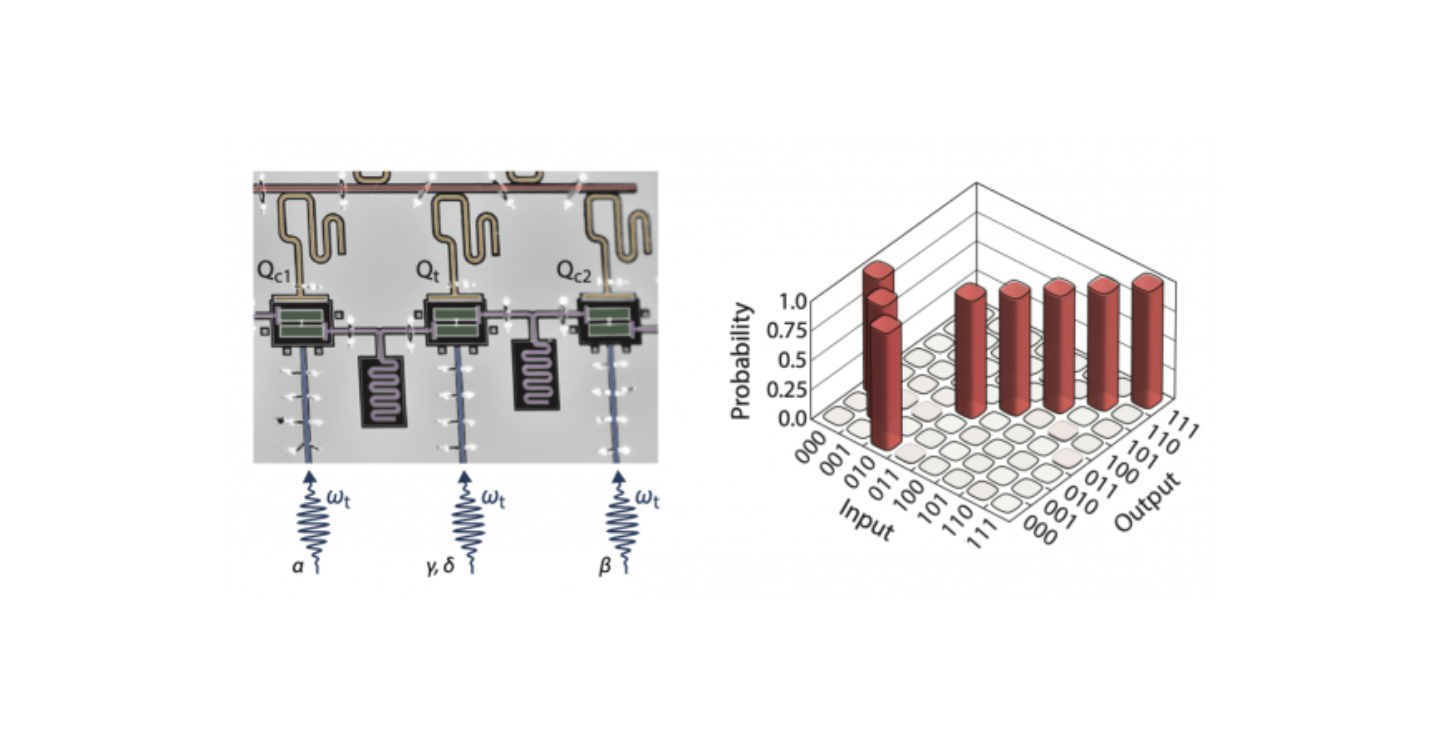
First Single-Step, High-Fidelity iToffoli Gate Demonstrated for Quantum Computing
Researchers at Berkeley Lab’s Advanced Quantum Testbed achieved the first single-step demonstration of a high-fidelity, native three-qubit iToffoli gate on a superconducting processor. Operating at 98.26% fidelity, this breakthrough eliminates complex multi-gate sequences and significantly reduces circuit depth, paving the way for more efficient and reliable quantum algorithms.
Source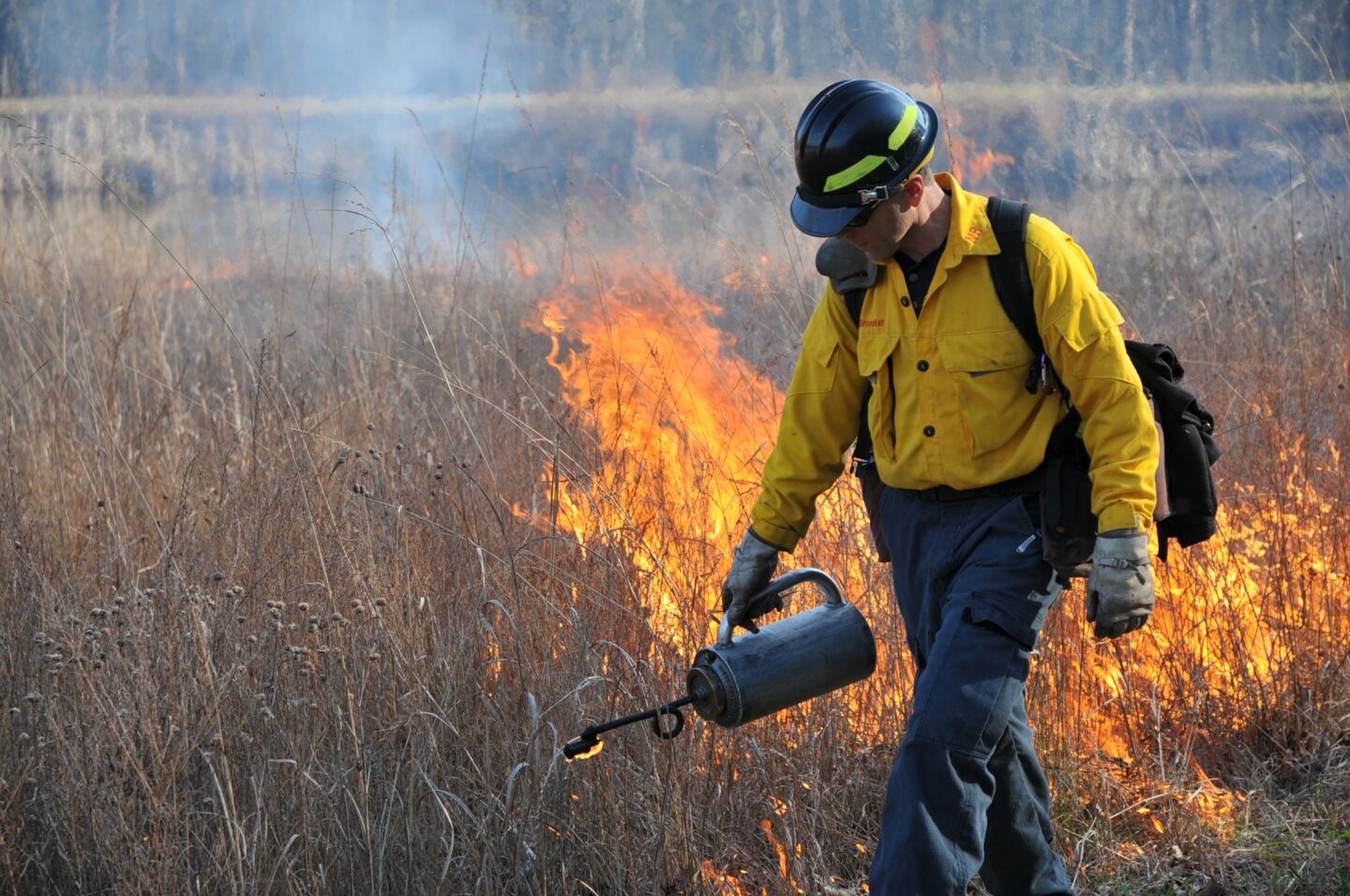
ESS-DIVE Infrastructure Adapted to Unify Wildland Fire Research
Building on the DOE’s Earth and Environmental System Science Data for a Virtual Ecosystem (ESS-DIVE), Berkeley Lab scientists are developing a specialized platform for wildland fire research. By harmonizing diverse datasets on fuels, fire behavior, and smoke, this standardized repository helps researchers collaboratively improve crucial wildfire prediction models.
Source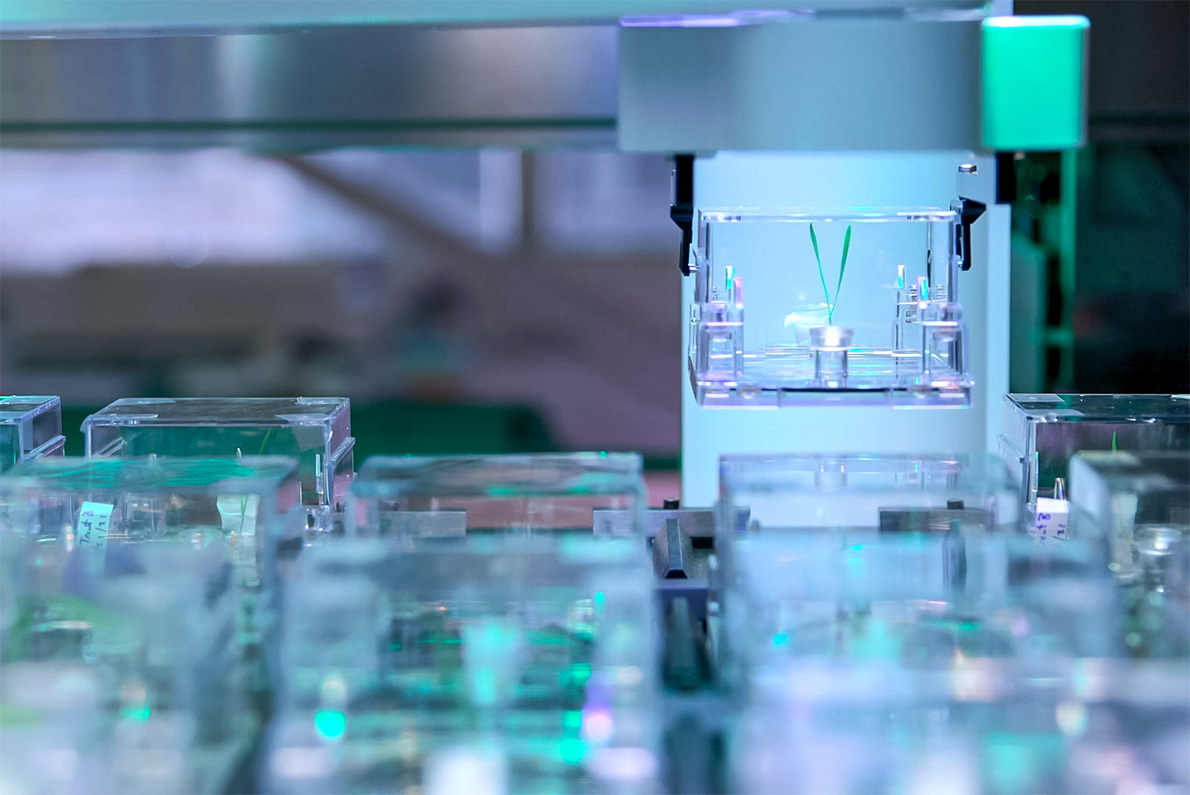
Berkeley Lab Integrates EcoBOT and gpCAM for Autonomous Biological Discovery
In 2022, Berkeley Lab invented EcoBOT, an automated robotic platform for sterile plant-microbiome experiments. By integrating this advanced hardware with CAMERA’s gpCAM algorithm and NERSC supercomputing, researchers created a fully autonomous, “self-driving” laboratory capable of actively analyzing data and steering its own experiments to accelerate bioenergy research.
Source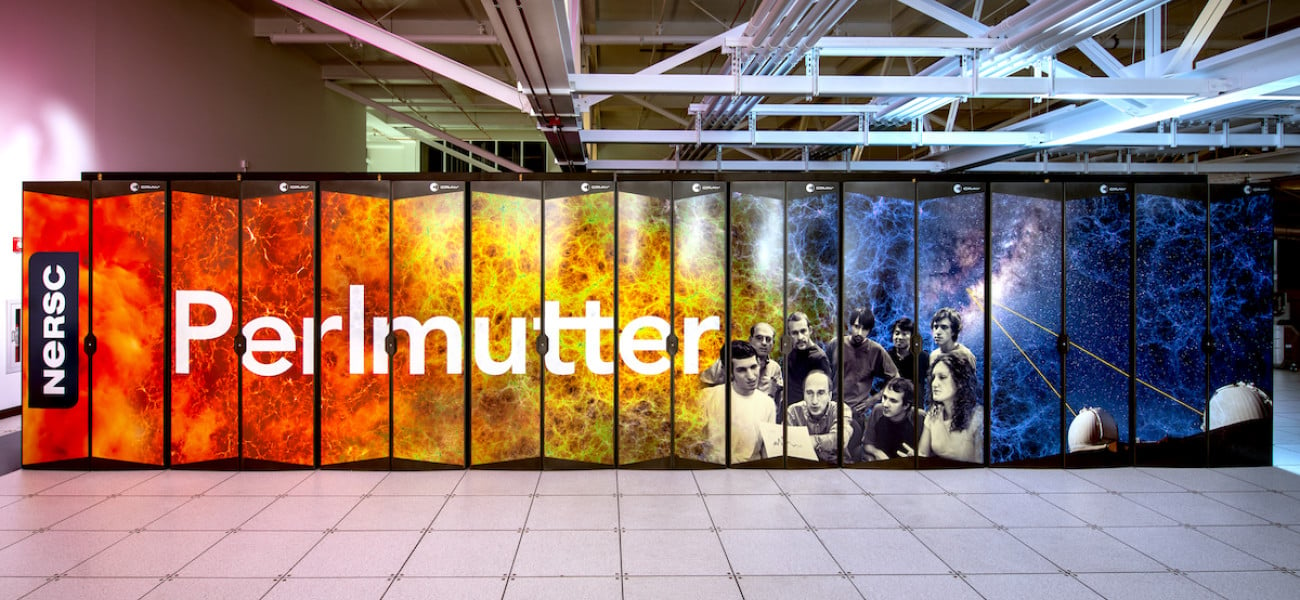
NERSC Launches QIS@Perlmutter Program
NERSC launched the QIS@Perlmutter program to bridge classical and quantum computing by dedicating supercomputer GPU resources to quantum information science. The initiative quickly drove advancements in quantum circuit simulation, noise modeling, and algorithm development, fostering high-impact collaborations with industry leaders to shape future quantum technologies.
Source
Supercomputing Simulations Reveal Deep Origins of Brain Surface Signals
Using the Cori supercomputer, Berkeley Lab researchers resolved a long-standing question in neuroscience by simulating a full-scale cortical column. Utilizing 180,000 compute cores concurrently, the team discovered that 85% of electrical signals recorded on the brain’s surface originate from its deepest layers, providing a precise biophysical foundation for interpreting neurological data.
Source
Award-Winning PARETO Software Optimizes Produced Water Management
Berkeley Lab and the National Energy Technology Laboratory released PARETO, an open-source optimization framework for managing water produced during oil and gas operations. Recognized with a 2022 Hart Energy engineering award, the DOE-funded software empowers industry and policymakers to identify cost-effective, environmentally sustainable water treatment and beneficial reuse opportunities.
Source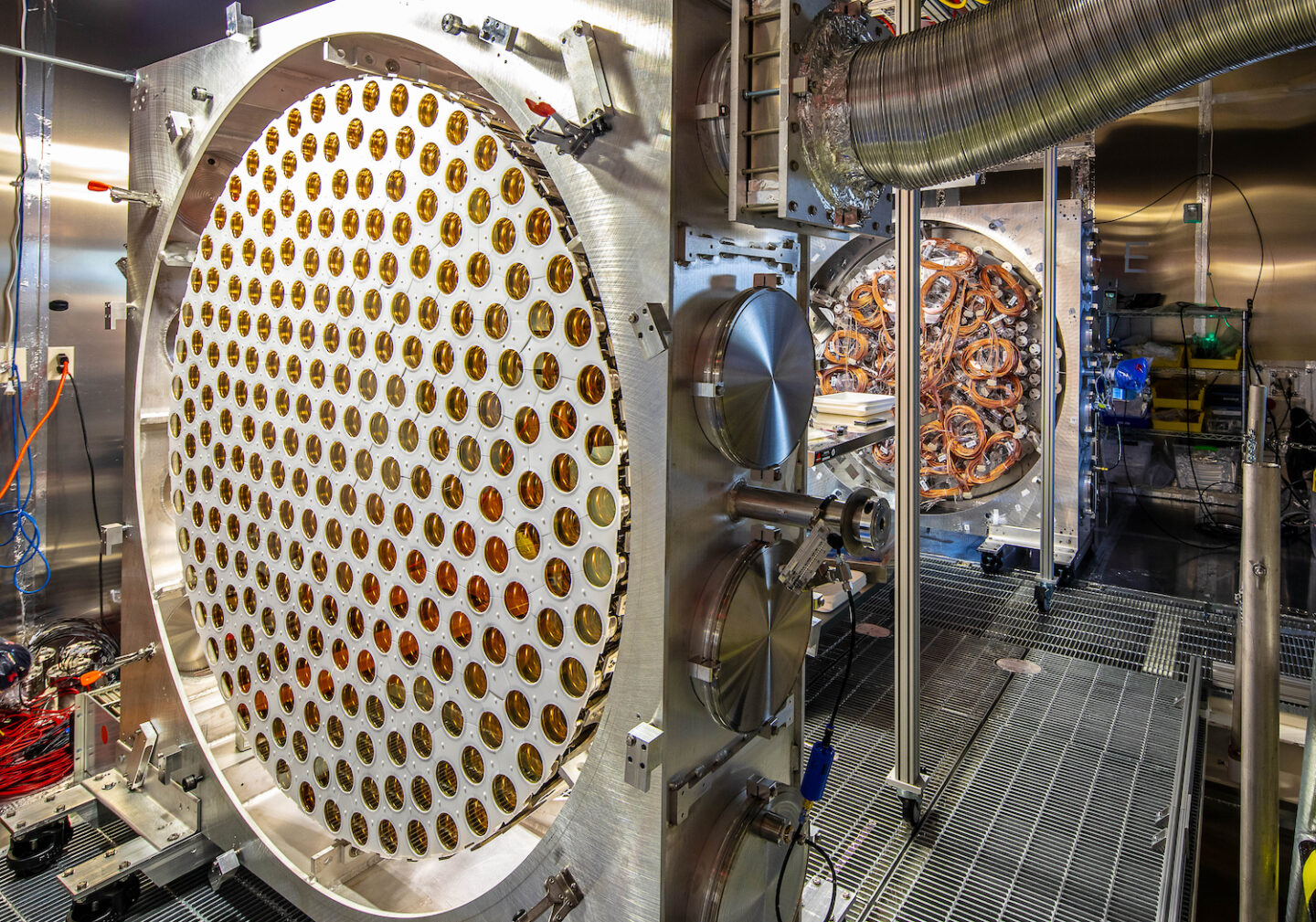
Superfacility Infrastructure Powers Data Pipeline for LUX-ZEPLIN Dark Matter Search
Operating under Berkeley Lab’s Superfacility model, NERSC and ESnet deployed an automated data pipeline that enabled the LUX-ZEPLIN dark matter experiment to deliver its first results. ESnet transports data from South Dakota to NERSC, which processes one petabyte annually to support the search for weakly interacting massive particles.
Source
GraphBLAST Framework Brings High-Performance Graph Analytics to GPUs
Berkeley Lab and UC Davis researchers developed GraphBLAST, the first open-source, linear-algebra-based graph framework optimized for GPUs. By addressing load-balancing and memory management bottlenecks, the software achieves order-of-magnitude speedups over previous GPU implementations, enabling efficient, large-scale graph analytics on GPU-accelerated supercomputers.
Source
Exabiome Software Suite Scales Metagenomic Analysis for Supercomputers
Developed by Berkeley Lab, the Exabiome software suite transitions metagenomic data analysis to distributed-memory, GPU-accelerated supercomputers. Overcoming previous memory limitations, tools like MetaHipMer and PASTIS coassemble and cluster terabyte-sized microbial datasets in hours rather than months, enabling researchers to identify rare species and reconstruct longer contiguous genomes from complex environmental samples.
Source
ESnet Unveils Next-Gen Network
The Energy Sciences Network (ESnet) formally unveiled ESnet6, the newest generation of the U.S. Department of Energy’s high-performance network dedicated to science. The network features 46 Terabits-per-second of bandwidth and smart, programmable, and automated services built to support the multi-petabyte dataflows typical of science research today and into the exascale era.
Source
Stefan Wild Appointed Director of Applied Mathematics and Computational Research Division
Stefan Wild was appointed as the director of Berkeley Lab’s Applied Mathematics and Computational Research Division. Formerly a senior computational mathematician at Argonne National Laboratory, Wild brings extensive expertise in numerical optimization and automated learning to lead the division’s research in mathematical modeling, algorithm design, and high-performance software implementation.
Source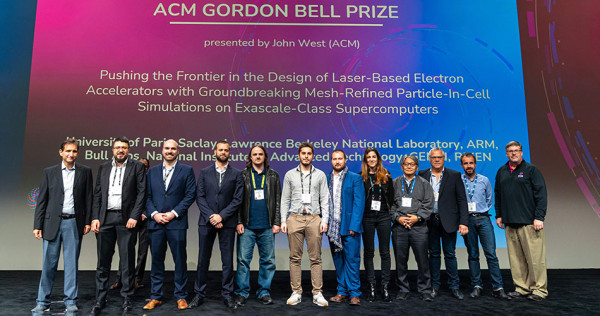
WarpX Wins 2022 Gordon Bell Prize for Exascale Accelerator Modeling
The Berkeley Lab-led WarpX project won the 2022 ACM Gordon Bell Prize for groundbreaking particle-in-cell simulations of plasma accelerators. Supported by the Exascale Computing Project and leveraging the AMReX library, WarpX enables highly optimized 3D modeling on exascale supercomputers, advancing compact laser-based accelerators for high-energy physics and medical applications.
Source
GASNet-EX Communication Library Upgraded for Exascale
Developed through the DOE Pagoda project, the GASNet-EX library upgraded the foundational GASNet communication interface for exascale architectures. By providing a network-independent layer for Remote Memory Access, it isolates developers from low-level hardware details, ensuring highly efficient, stable communication for major scientific applications like NWChemEx across diverse supercomputing platforms.
Source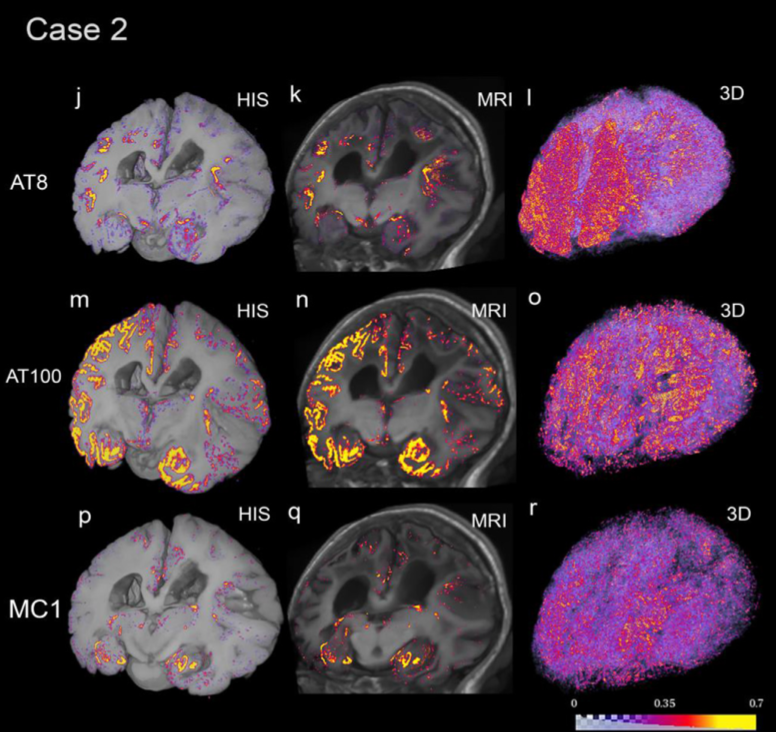
Berkeley Lab's Daniela Ushizima Wins 2023 Pioneer Award for Alzheimer’s Computational Pipeline
Berkeley Lab’s Daniela Ushizima and UCSF’s Lea Grinberg received a 2023 PMWC Pioneer Award for a deep learning and HPC pipeline analyzing Alzheimer’s disease. By co-registering multimodal brain imaging to map tau protein deposits, the tool automates subjective manual quantification, providing reliable 3D baselines to evaluate experimental treatments.
Source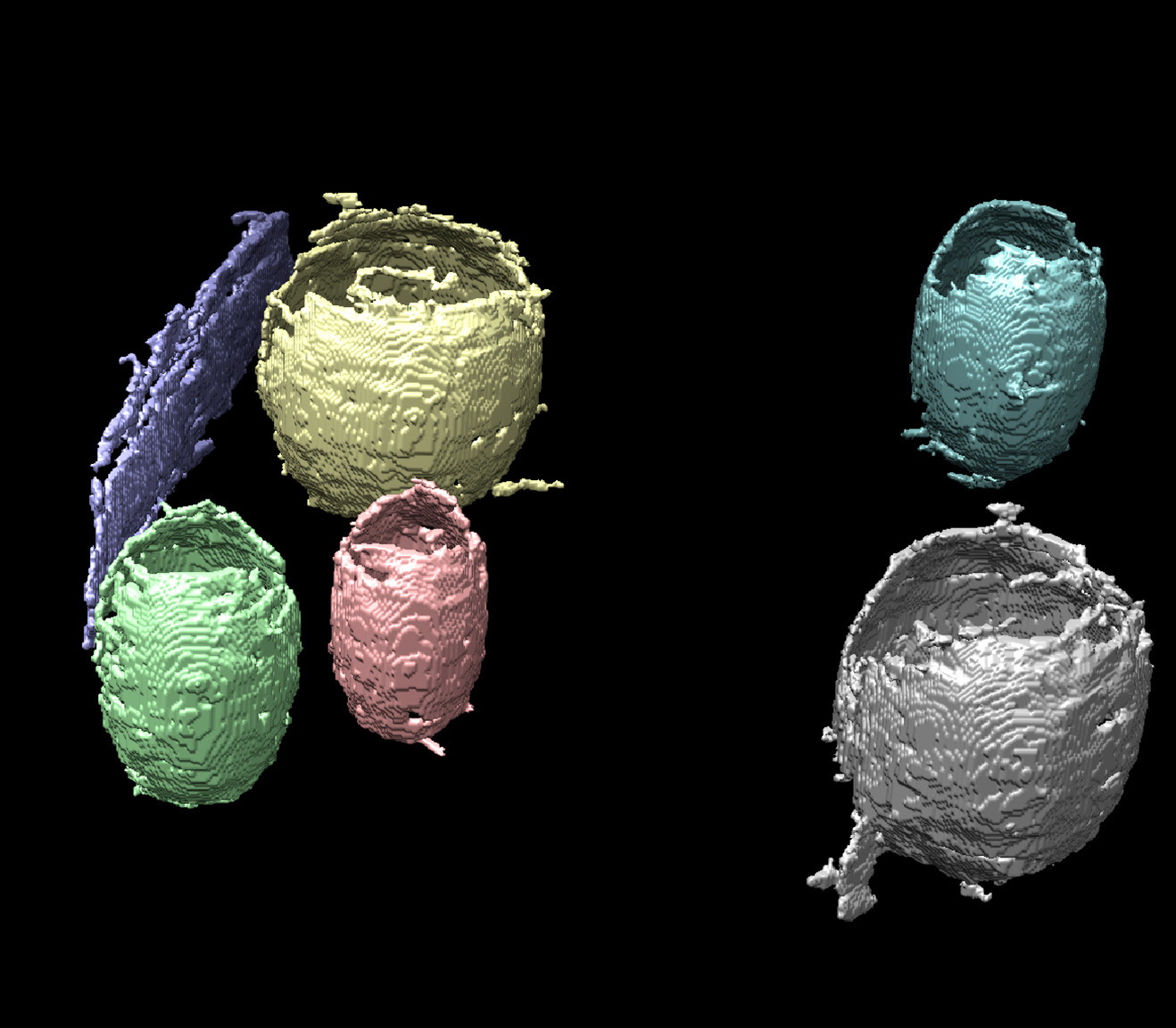
Machine Learning Pipeline Accelerates Cryo-ET Image Segmentation
To address data bottlenecks in high-resolution biological imaging, Berkeley Lab researchers developed a novel machine learning pipeline for cryo-electron tomograms. Utilizing the NERSC Cori supercomputer, the framework combines neural networks and reinforcement learning to segment noisy cell structures, reducing processing time from months to days to enable high-throughput structural biology.
Source
Open-Access Exascale Earthquake Datasets Released to Public
To help engineers design resilient infrastructure, researchers released unprecedented open-access earthquake datasets through the Pacific Earthquake Engineering Research Center. Powered by the DOE Exascale Computing Project, the EQSIM framework utilized supercomputers to model seismic waves from fault to structure, achieving groundbreaking 10 Hz regional simulations of the Bay Area. https://www.youtube.com/watch?v=m6Sp6qaWuLs, https://cs.lbl.gov/news-and-events/news/2022/eqsim-shakes-up-earthquake-research-at-the-exascale-level/ https://www.youtube.com/watch?v=m6Sp6qaWuLs, https://cs.lbl.gov/news-and-events/news/2022/eqsim-shakes-up-earthquake-research-at-the-exascale-level/
Source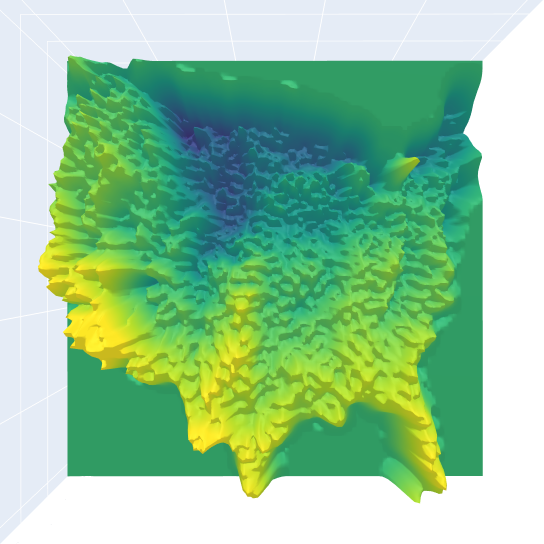
Record-Breaking Algorithm Scales Exact Gaussian Processes to 5 Million Data Points
To analyze massive datasets with built-in uncertainty quantification, Berkeley Lab mathematicians developed a novel algorithm scaling exact Gaussian processes to a record-breaking five million data points. By discovering natural data sparsity and harnessing the GPU-accelerated Perlmutter supercomputer, the breakthrough enables massive-scale, rigorous machine learning for climate and earth sciences.
Source
ESnet6 Honored with DOE Project Assessment Award
Energy Sciences Network’s ESnet6 project was finished more than two years ahead of schedule and significantly under budget. In recognition of this unusual feat, the DOE presented ESnet with a special Project Assessment Award.
Source
Sustainable Research Pathways Program Transforms Workforce Diversity
Founded by Berkeley Lab and the Sustainable Horizons Institute in 2014, the Sustainable Research Pathways (SRP) program connects students and faculty from underrepresented institutions with national laboratory scientists. Over nearly a decade, SRP has transformed computational science workforce diversity, fostering vital research collaborations, publications, and early career awards.
Source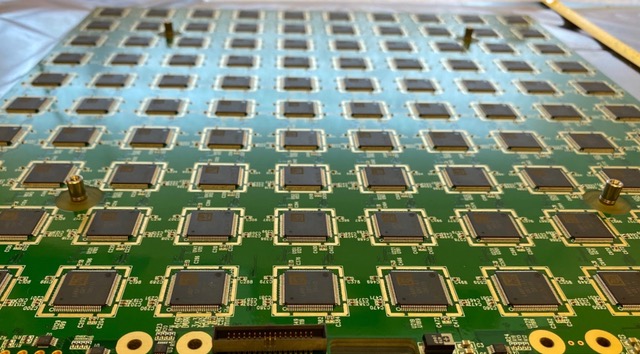
First All-GPU Physics Detector Simulation Accelerates DUNE Experiment
Researchers completed the first full physics detector simulation to run entirely on GPUs, using NERSC’s Perlmutter supercomputer. Designed for the Deep Underground Neutrino Experiment (DUNE), the simulation processed 3D pixel sensor data 10,000 times faster than traditional CPUs, overcoming a critical computational bottleneck to advance international high-energy physics research.
Source
Berkeley Lab Co-Leads Strategic AI for Science, Energy, and Security Roadmap
In collaboration across the national laboratory system, Berkeley Lab played a leading role in developing the "Advanced Research Directions on AI for Science, Energy, and Security" report. This comprehensive roadmap outlines foundational methodologies, addresses responsible AI, and guides future DOE investments to accelerate transformative scientific discovery and national security.
Source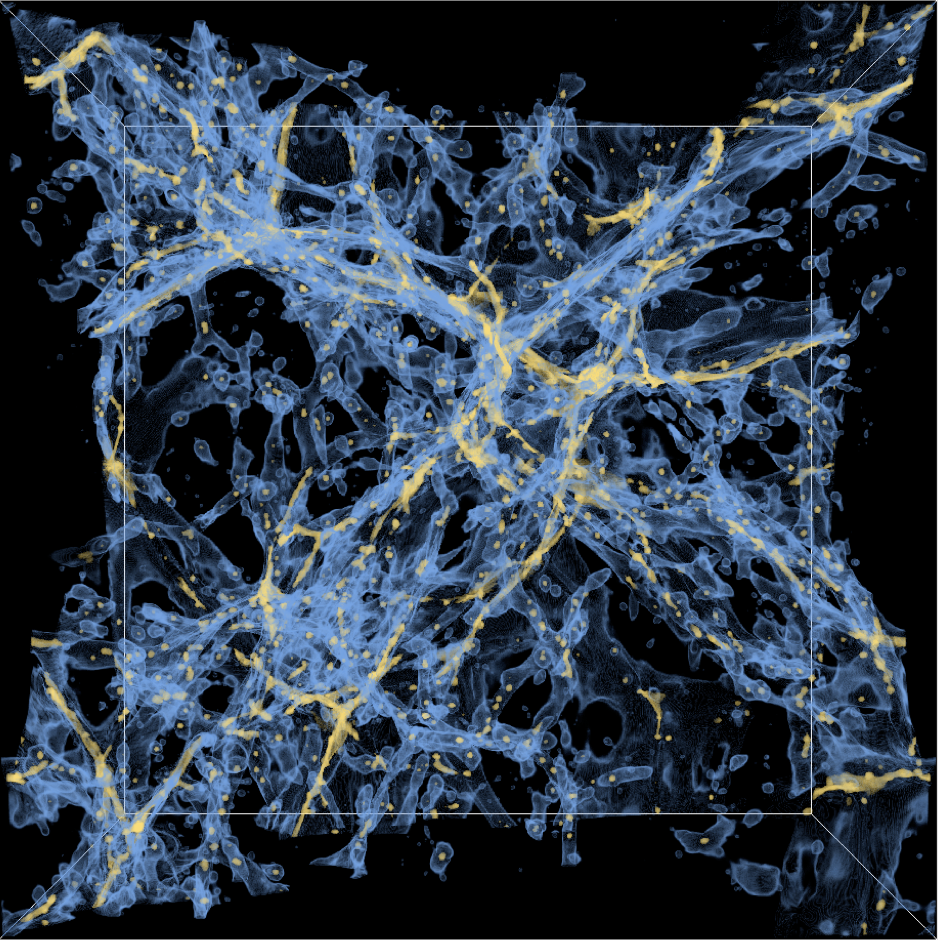
ExaLearn Surrogate Models Generate Universe Simulations in Milliseconds
To circumvent the massive computational time required for cosmological modeling, the ECP ExaLearn co-design center developed AI-driven surrogate models. Leveraging the Perlmutter supercomputer, researchers trained algorithms to transform low-resolution data into high-fidelity astrophysics simulations, reducing generation time from millions of hours to milliseconds and accelerating Dark Energy research.
Source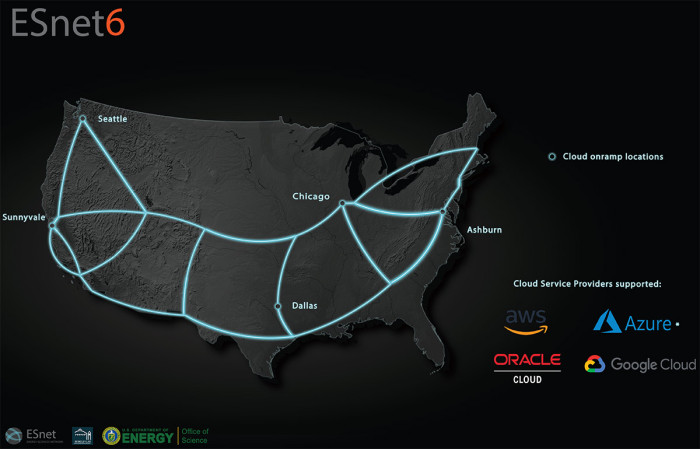
ESnet Launches Cloud Connect Service to Support Scientific and Enterprise Workloads
ESnet's new Cloud Connect service carves out a dedicated, high-bandwidth path (up to 10 Gbps) across ESnet6’s 400GE-capable backbone from any supported user facility to the nearest cloud on-ramp.
Source
Ana Kupresanin Appointed to Lead Scientific Data Division
In October 2023, Ana Kupresanin was appointed director of Berkeley Lab’s Scientific Data Division. Formerly an associate director at Lawrence Livermore National Laboratory, Kupresanin brings deep expertise in statistics, machine learning, and uncertainty quantification to advance DOE data infrastructure, FAIR data principles, and foundational AI for scientific discovery.
Source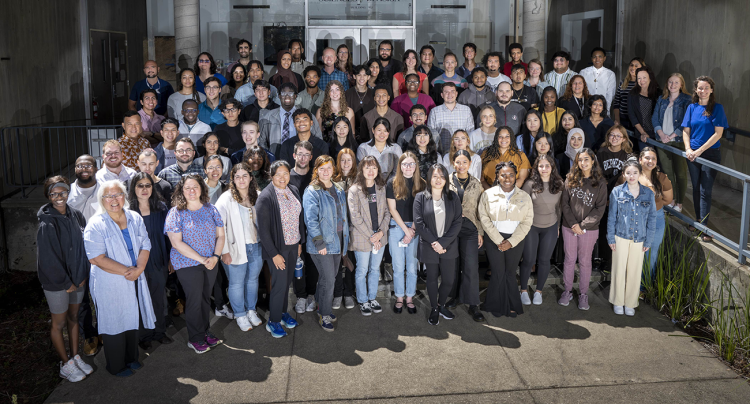
Landmark DOE Applied Energy HPC Bootcamp
Berkeley Lab hosted a pioneering, ECP-funded HPC bootcamp focused on applied energy research. Co-organized by NERSC, ALCF, and OLCF, the event trained a new generation of students to leverage NERSC's Perlmutter for real-world energy challenges, establishing a collaborative model for building a highly skilled computational science workforce. https://photos.app.goo.gl/NSN8iByRSPKrt5g7A
Source
First GPU-Accelerated Einstein Cross Modeling on Perlmutter
Enabling a major leap in computational astrophysics, researchers used NERSC’s Perlmutter supercomputer to perform the first GPU-accelerated modeling of an Einstein Cross. Utilizing the GIGA-Lens pipeline on A100 GPUs, the team slashed the modeling time of DESI survey data from 4.3 hours to just 55 seconds.
Source
Berkeley Lab Co-Leads DOE High Performance Data Facility Hub
The DOE selected Jefferson Lab and Berkeley Lab to jointly establish the High Performance Data Facility (HPDF) Hub. This $300+ million ASCR user facility will provide transformational data management and storage. Leveraging NERSC and ESnet, HPDF will serve as the cornerstone of the DOE’s Integrated Research Infrastructure.
Source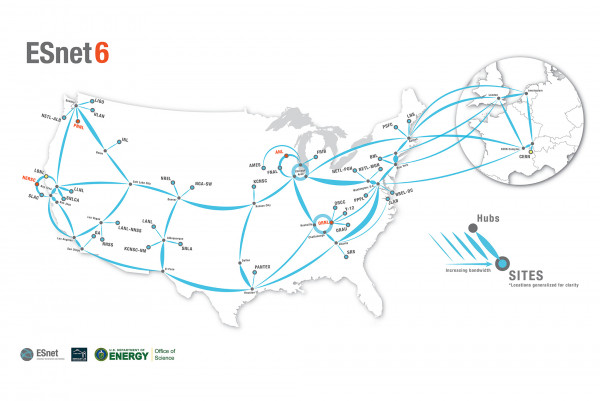
ESnet Turns on 400G Circuits to Four DOE National Labs, Supercharging Multi-Site Scientific Research
Argonne, Oak Ridge, and Pacific Northwest National Laboratories and NERSC are first to have access to cutting-edge networking speeds — with more on the way.
Source
Illuminating Microbial Dark Matter at Scale
Supported by the Exascale Computing Project, Berkeley Lab and JGI researchers used NERSC supercomputers to develop groundbreaking metagenomics tools. Applying the massively parallel HipMCL algorithm and GPU-powered geNomad framework, the team processed immense environmental datasets, discovering 1.17 billion previously unknown protein sequences and millions of mobile genetic elements.
Source
Berkeley Lab Leading the Way With New Cybersecurity Projects
The U.S. Department of Energy awarded $39 million to nine National Laboratory projects to strengthen cybersecurity for distributed energy resources. Lawrence Berkeley National Laboratory received two $4.9 million grants — one developing a privacy-preserving platform for sharing threat information, and another using AI/ML to detect cyberattacks in power distribution systems.
Source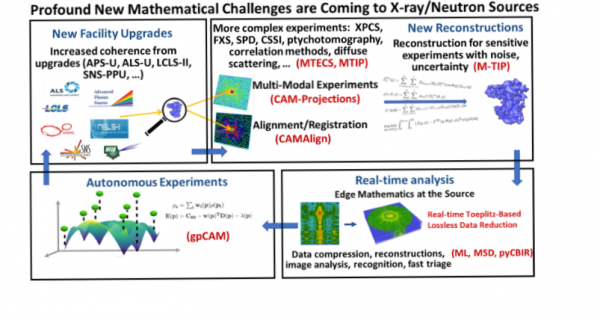
CAMERA Secures Funding to Drive Autonomous Science
Berkeley Lab’s CAMERA was awarded $15 million to expand its mathematical toolkit for upgraded ASCR and BES user facilities. Building on transformative algorithms like gpCAM and TomoCAM, CAMERA is now pioneering real-time edge mathematics and autonomous workflows to enable future self-driving experiments.
Source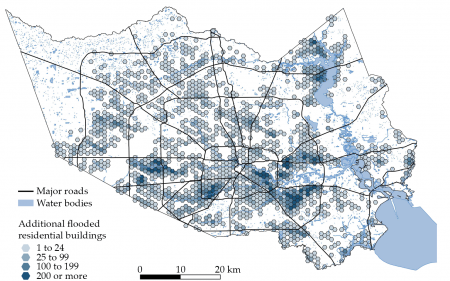
Statistical Modeling Advances Extreme Weather Attribution
In 2023, Berkeley Lab’s computational climate research gained national recognition when scientist Michael Wehner testified before the U.S. Senate on Extreme Event Attribution. Utilizing advanced statistical modeling, this research quantitatively assesses extreme weather severity, directly informing the IPCC, the National Climate Assessment, and global resilience planning.
Source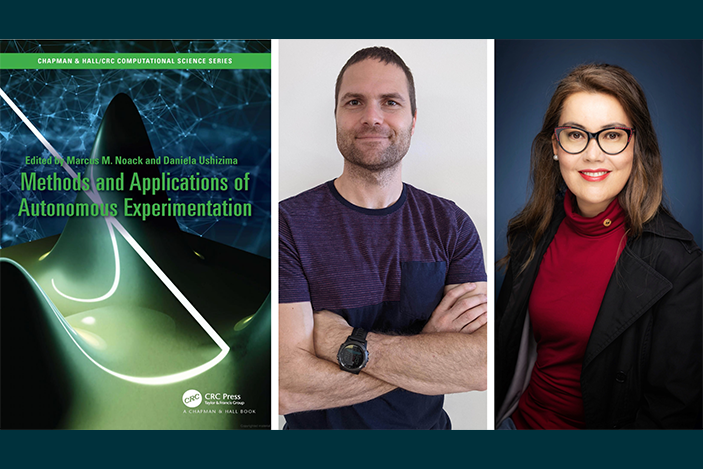
Defining the Paradigm for Autonomous Experimentation
To establish a foundational framework for the nascent field of self-driving labs, Berkeley Lab researchers co-edited the first comprehensive book dedicated to Autonomous Experimentation in 2023. Uniting applied mathematics, physics, and machine learning, this milestone solidified DOE’s intellectual leadership in automating scientific discovery and complex experimental workflows.
Source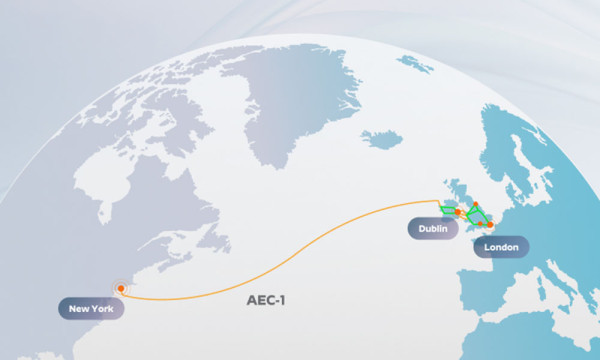
ESnet Announces First Trans-Atlantic Subsea Spectrum Agreement
ESnet signs a long-term lease agreement with Aqua Comms for 25% of a fiber pair linking New York, Dublin, and London — ESnet's first trans-Atlantic spectrum acquisition.
Source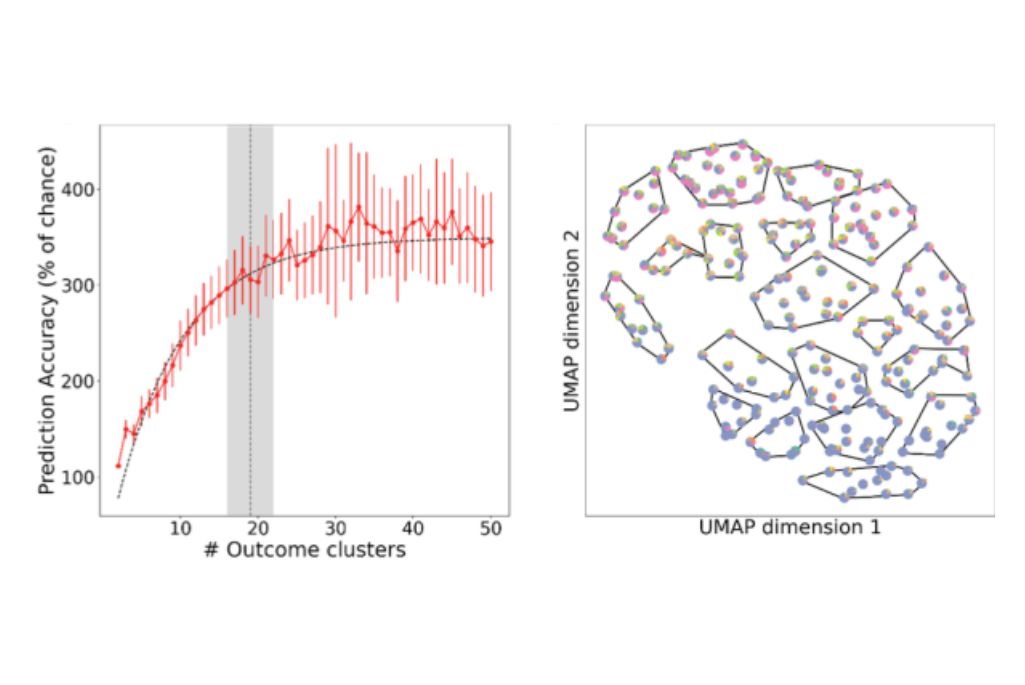
Machine Learning Enhances Traumatic Brain Injury Prognosis
In collaboration with UCSF, Berkeley Lab researchers used NERSC’s Cori supercomputer to develop novel machine learning algorithms to enhance Traumatic Brain Injury prognosis. By analyzing complex clinical datasets, the team demonstrated the ability to predict 19 distinct outcome phenotypes, a six-fold improvement in precision over standard clinical classifications.
Source
Record-Setting Algorithms for Quantum Data Encoding
Supported by ASCR, Berkeley Lab researchers and university partners developed novel quantum data encoding methods, QCrank and QBArt. By mitigating hardware noise on near-term quantum processors, the team successfully encoded a 384-pixel image—the largest ever on a quantum device—demonstrating a major leap for hybrid quantum-classical data analysis.
Source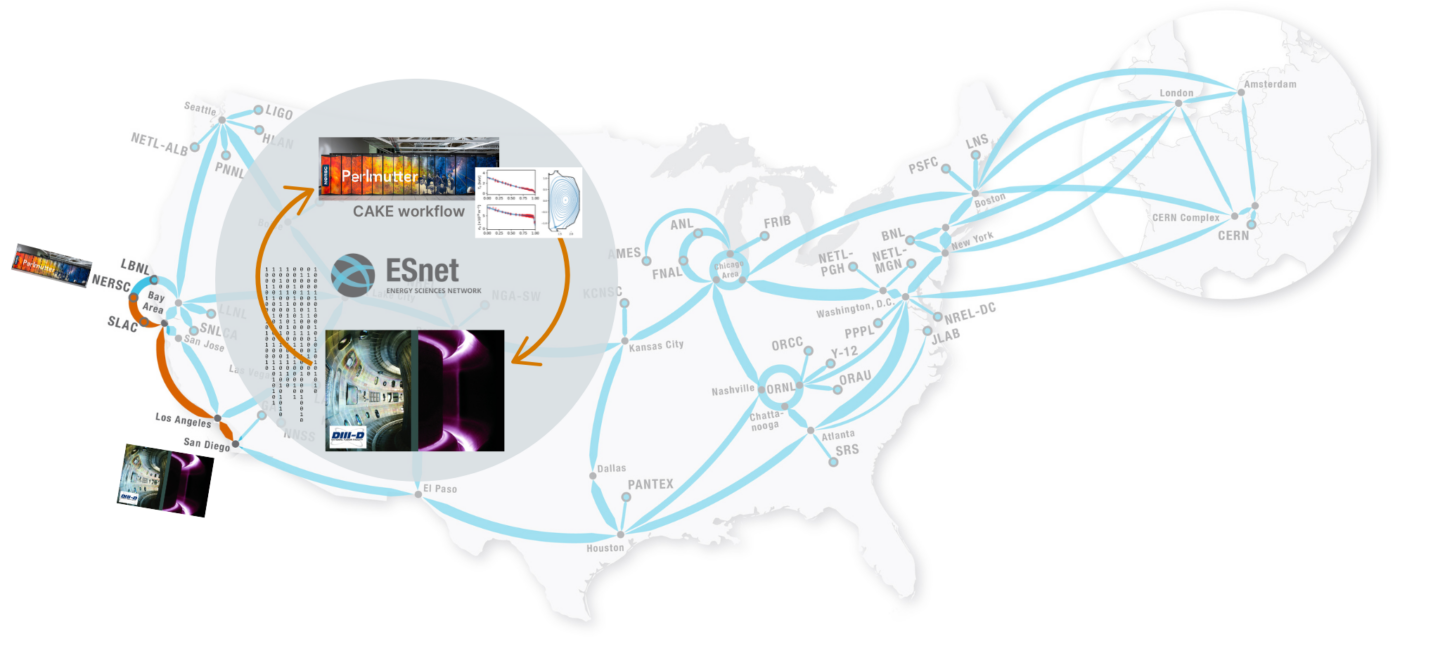
Realizing the Superfacility Model for Fusion Energy
Demonstrating DOE’s Integrated Research Infrastructure vision, researchers linked the DIII-D fusion facility with NERSC supercomputers via ESnet6. This cross-facility integration automated complex plasma data analysis between experimental shots, cutting processing time by eighty percent and delivering near-real-time insights to accelerate the global push for clean fusion energy.
Source
gpCAM Wins R&D100 Award
Developed through Berkeley Lab’s CAMERA project, the gpCAM software won a 2024 R&D 100 Award for advancing AI-driven autonomous decision-making. By leveraging Gaussian processes to steer high-speed experiments, the tool enables self-driving laboratories to rapidly accelerate discoveries in materials research, carbon capture, and energy storage across global scientific facilities.
Source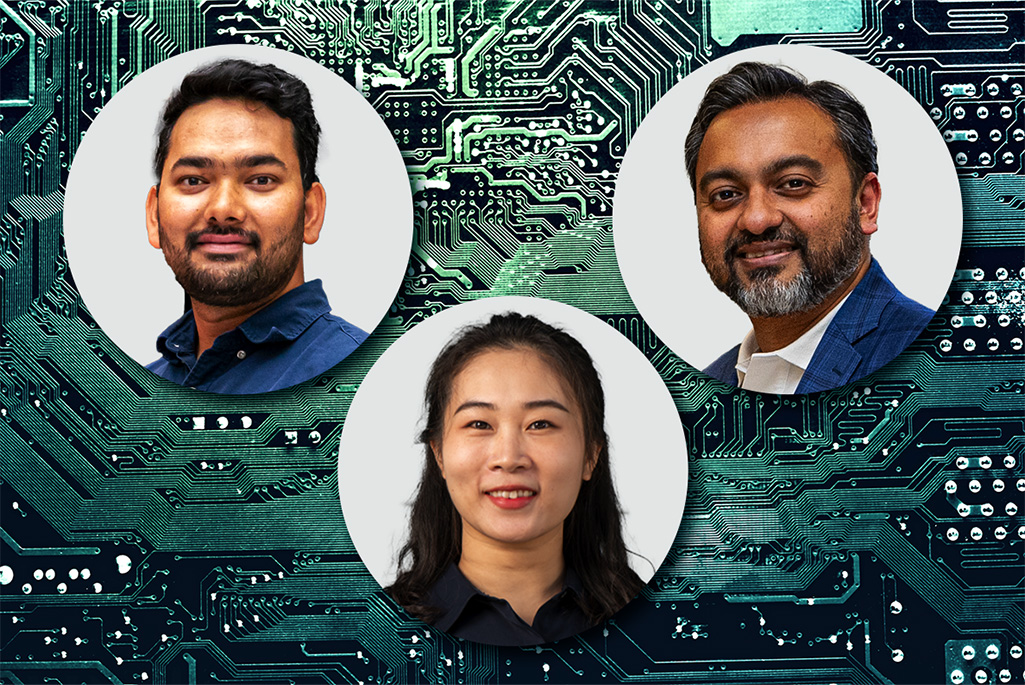
Co-Designing Energy-Efficient Microelectronics with FerroX
Advancing the DOE’s Microelectronics Co-Design initiative, Berkeley Lab researchers developed FerroX, a highly scalable, open-source 3D simulation framework. Powered by NERSC, FerroX provides unprecedented atomistic models of negative capacitance, accelerating the development of next-generation, ultra-low-voltage microchips that promise vastly superior energy efficiency over conventional silicon processors.
Source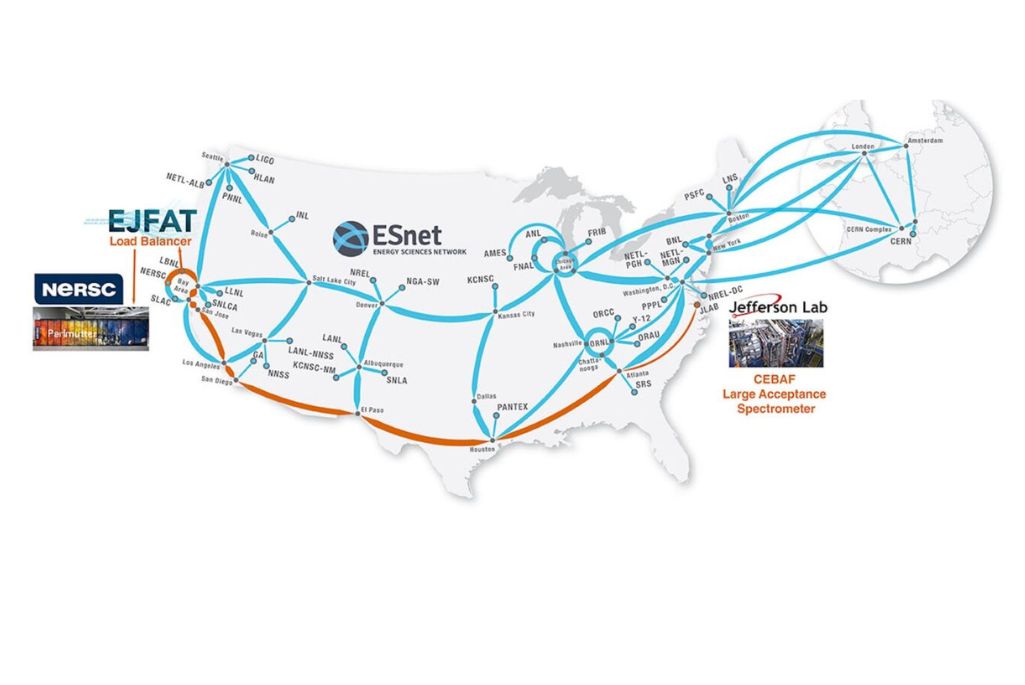
Pioneering a Continental-Scale Superfacility for Real-Time Streaming
Building on the Superfacility concept to advance DOE’s Integrated Research Infrastructure, researchers demonstrated EJFAT. This novel hardware streamed raw nuclear physics data at 100 Gbps from Jefferson Lab across ESnet directly into NERSC, enabling real-time, continental-scale supercomputing analysis without traditional storage bottlenecks.
Source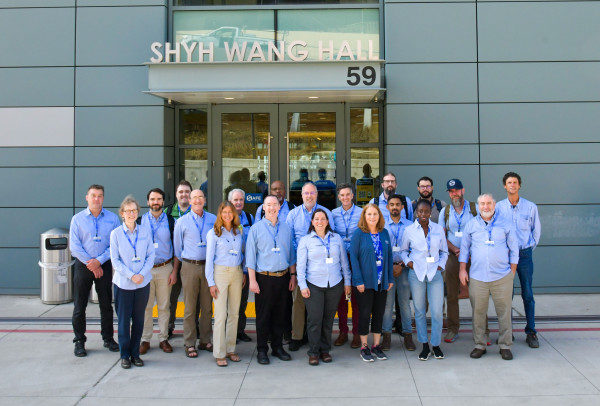
Cybersecurity Center of Excellence Receives Five-Year, $6M/Year Award From NSF
The U.S. National Science Foundation awarded Trusted CI, the NSF Cybersecurity Center of Excellence, a five-year, $6-million-per-year grant through September 2029. Founded in 2012, Trusted CI partners with research cyberinfrastructure operators to build effective cybersecurity programs, addressing complex challenges across NSF's cyberinfrastructure research ecosystem.
Source
David Baker Wins Nobel Prize for Chemistry
David Baker, a computational biologist and prolific NERSC user, has been awarded a Nobel Prize for Chemistry for his work in computational protein design.
Source
Pioneering the Open Chiplet Economy for Next-Generation HPC
To overcome the physical limits of traditional silicon and secure the future of high-performance computing, Berkeley Lab partnered with the Open Compute Project to launch the Open Chiplet Economy Experience Center. This strategic initiative drives the standardization of modular chiplets, enabling the DOE to co-design customized, cost-effective supercomputing hardware.
Source
50 Years of NERSC: A Legacy of Discovery
Celebrating its 50th anniversary in 2024, NERSC has grown into the DOE Office of Science’s most productive HPC center. Now supporting over 10,000 global users, 2,000 annual publications, and seven Nobel Prize-winning projects, NERSC continues to pioneer the integration of AI, experimental workflows, and next-generation architectures.
Source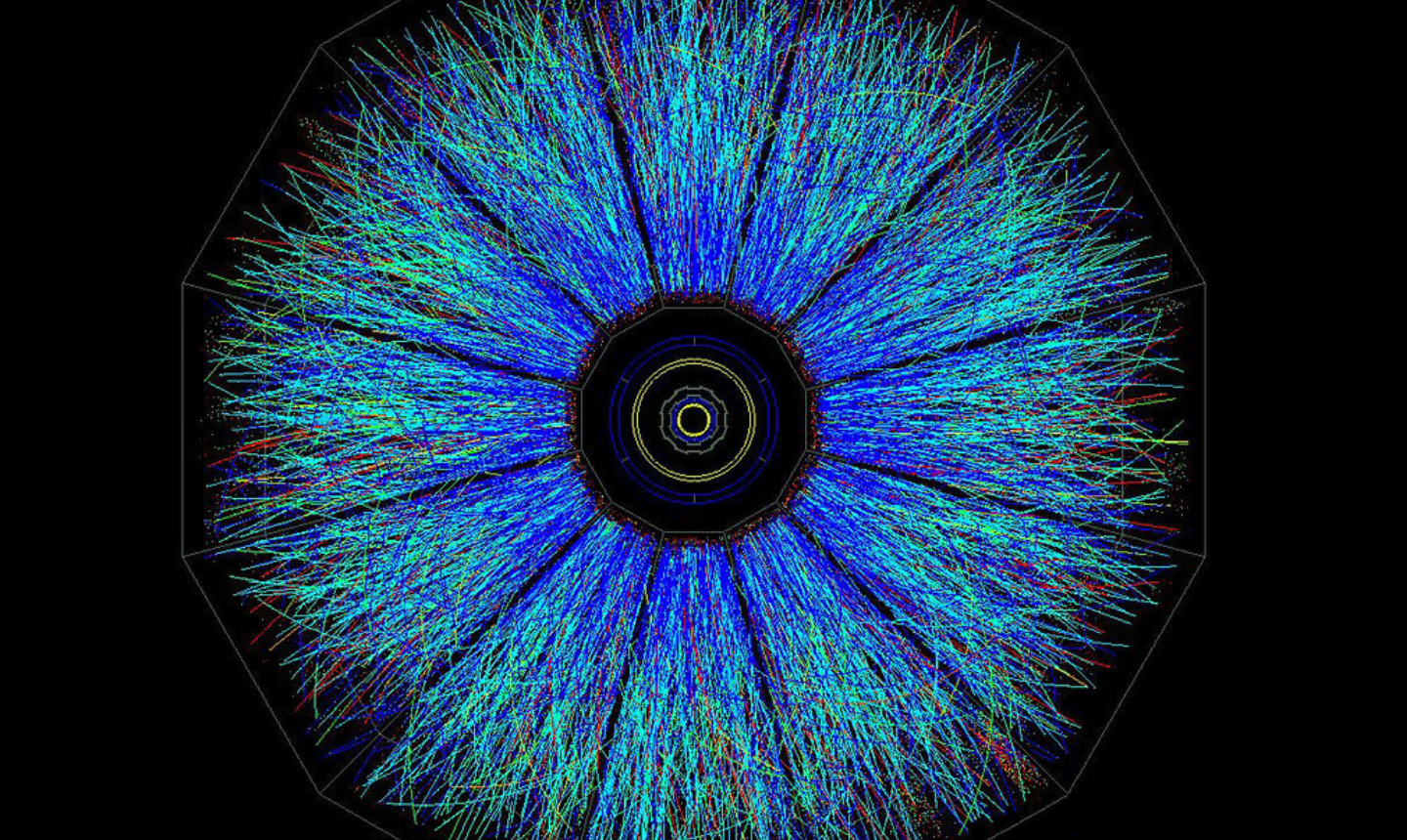
Automating Particle Colliders with GPTune
In a milestone for autonomous facility operations, Berkeley Lab scientists deployed the GPTune machine learning algorithm to steer particle beams at Brookhaven’s Relativistic Heavy Ion Collider. By automating impossibly complex adjustments, the AI tool increased beam intensity by 71%, proving that machine learning can successfully optimize massive-scale physics experiments.
Source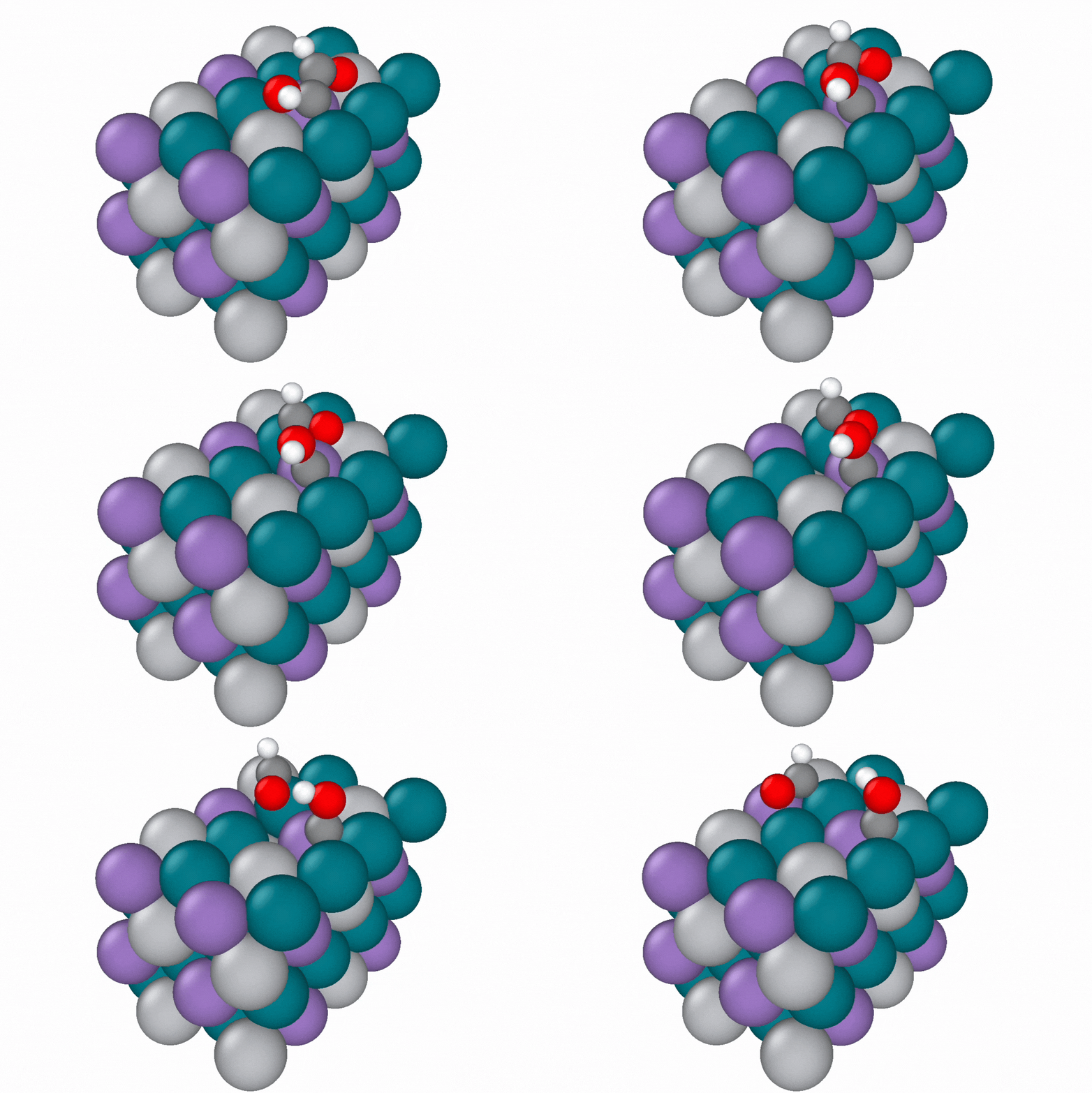
Bringing LLM-Style AI Scaling to Molecular Science
Berkeley Lab researchers developed EScAIP, an AI architecture that applies the massive scaling principles of large language models to atomistic simulations. Running ten times faster than previous tools, EScAIP topped major chemistry benchmark leaderboards, proving national labs can outcompete big tech in developing foundational AI for science.
Source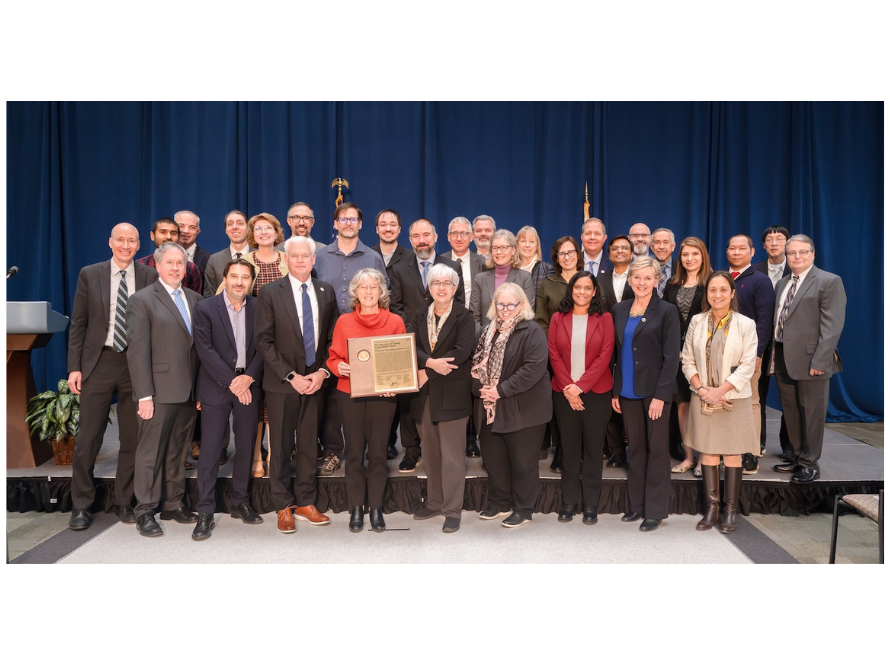
Delivering Exascale: ECP Earns Secretary’s Honor Award
Recognizing the culmination of a seven-year, $1.8 billion collaboration, the DOE awarded the Exascale Computing Project team the Secretary’s Honor Award. Dozens of Berkeley Lab researchers played critical roles in delivering this first-of-its-kind software ecosystem, enabling breakthrough scientific simulations on the world’s most powerful supercomputers.
Source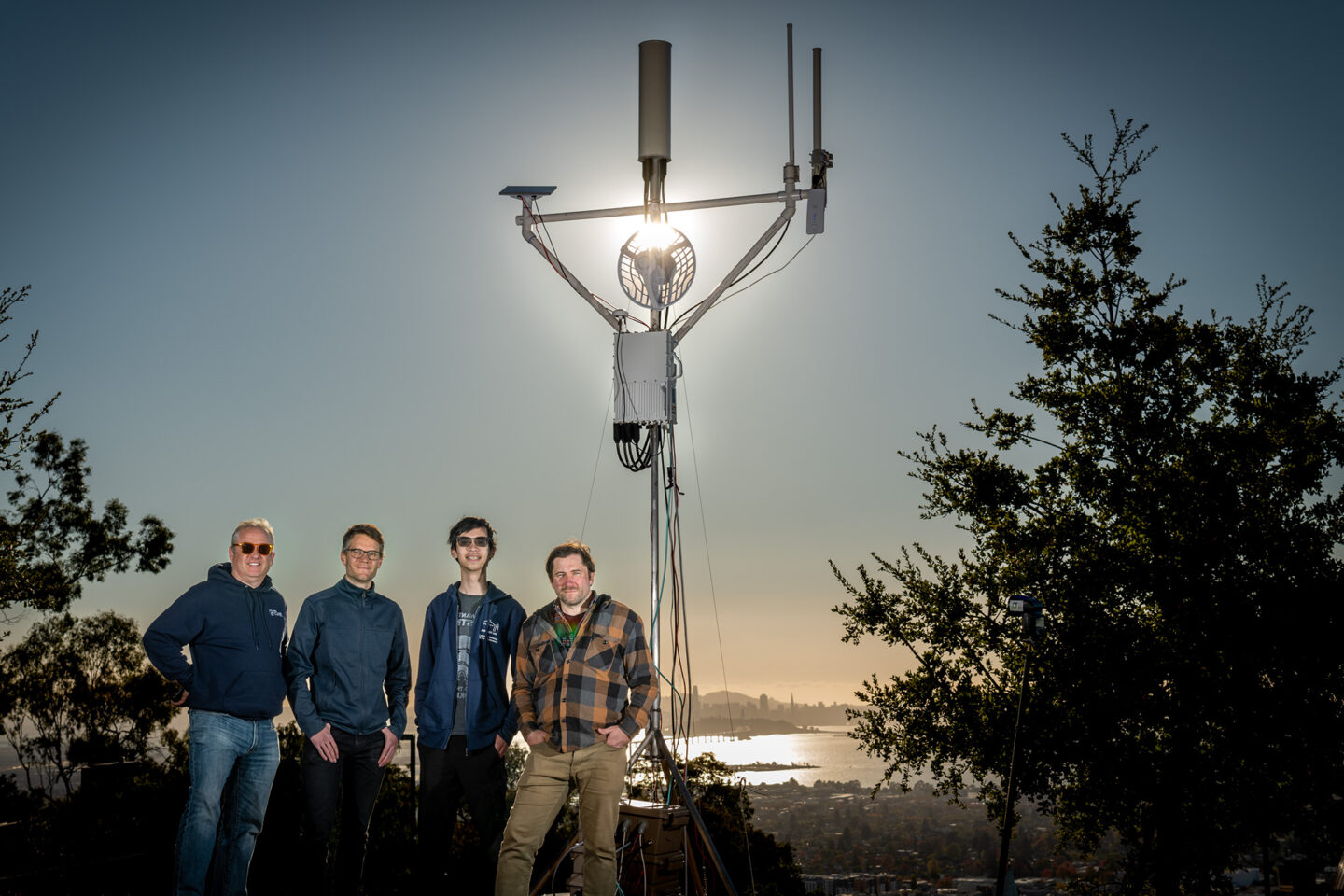
Extending ESnet to the Wireless Edge
To eliminate data bottlenecks in remote field research, Berkeley Lab deployed a first-of-its-kind portable wireless network prototype. Led by ESnet, the system integrates 5G, private cellular, and satellite connections, successfully extending the DOE’s high-speed data backbone to off-grid environments and paving the way for real-time, self-driving field laboratories.
Source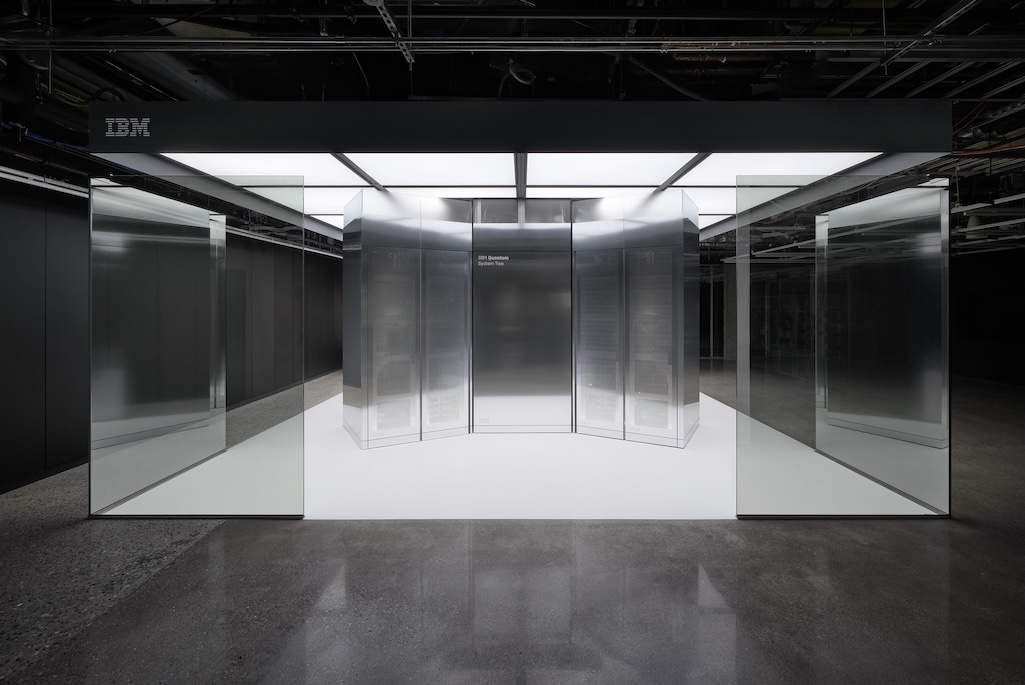
Integrating Quantum Technologies into NERSC Workflows
To prepare the scientific community for a future of hybrid supercomputing, NERSC established an IBM Quantum Innovation Center. This strategic partnership provides thousands of DOE researchers with direct access to advanced superconducting quantum hardware, officially integrating commercial quantum technologies into NERSC's classical high-performance computing ecosystem.
Source
Berkeley Lab Co-Hosts the First DOE 1,000 Scientist AI Jam
Marking a major shift toward AI-assisted research, Berkeley Lab co-hosted the DOE’s first-ever 1,000 Scientist AI Jam. Alongside eight other national laboratories, the lab gathered hundreds of researchers to test commercial AI models against complex domain challenges, exploring how generative artificial intelligence can accelerate scientific discovery and coding workflows.
Source
Launching OMol25 to Revolutionize AI-Driven Chemistry
Berkeley Lab and Meta co-led the release of Open Molecules 2025, an unprecedented dataset of over 100 million 3D molecular simulations. Requiring six billion CPU hours to generate, this foundational open-source resource enables the global scientific community to train advanced AI models for simulating complex chemical reactions.
Source
DOE Announces New Supercomputer Powered by Dell and NVIDIA to Speed Scientific Discovery
During a visit to Berkeley Lab, Secretary of Energy Chris Wright announced a new contract with Dell Technologies to develop the next flagship supercomputer at NERSC. The system will be named in honor of Jennifer Doudna.
Source
Blueprint for AI-Powered Scientific Networking
ESnet released a foundational strategy report outlining the integration of AI and machine learning into high-performance network operations. The roadmap established priority work-packages to transition ESnet toward autonomous, AI-augmented data routing and anomaly detection, strengthening the backbone of the DOE’s Integrated Research Infrastructure.
Source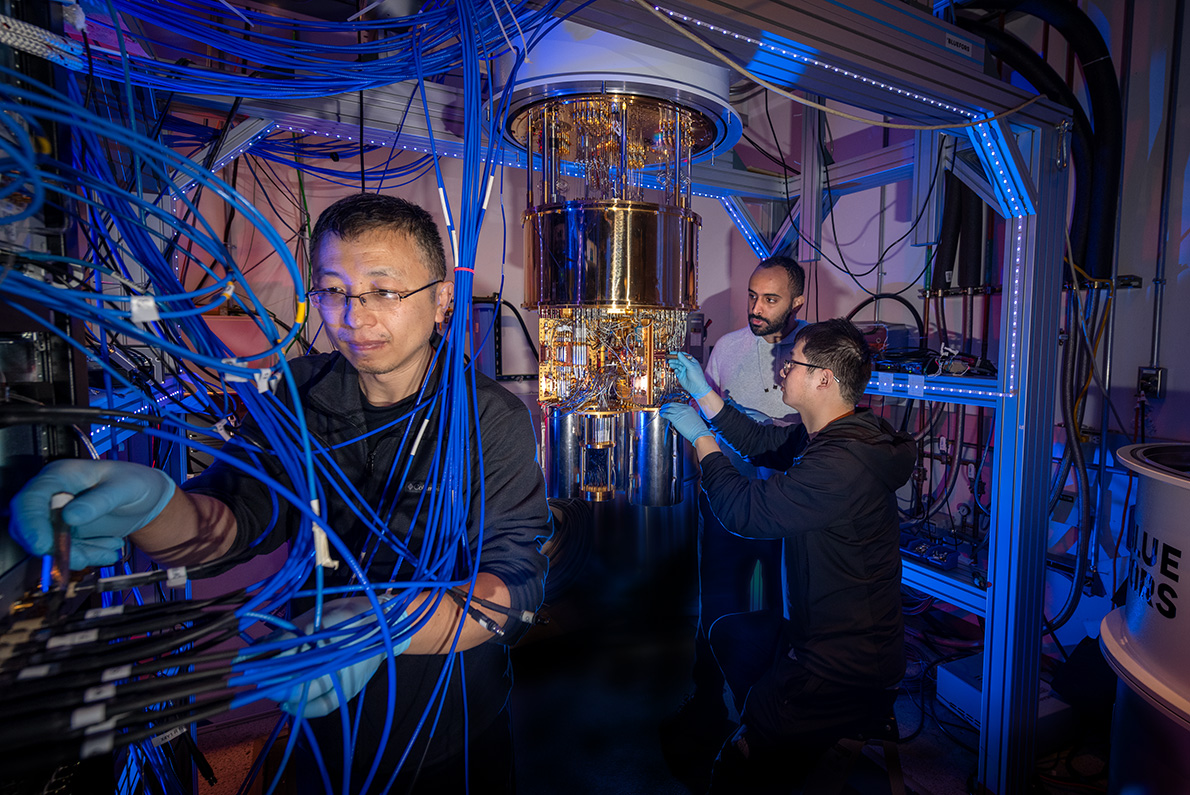
DOE Renews Berkeley Lab-Led Quantum Systems Accelerator with $125M Investment
Following five years of breakthrough research, the DOE renewed funding for the Berkeley Lab-led Quantum Systems Accelerator. Targeting 1,000-fold computational performance gains by 2030, QSA brings together 15 partner institutions to co-design scalable quantum prototypes and algorithms, driving critical advancements in quantum utility and national research infrastructure.
Source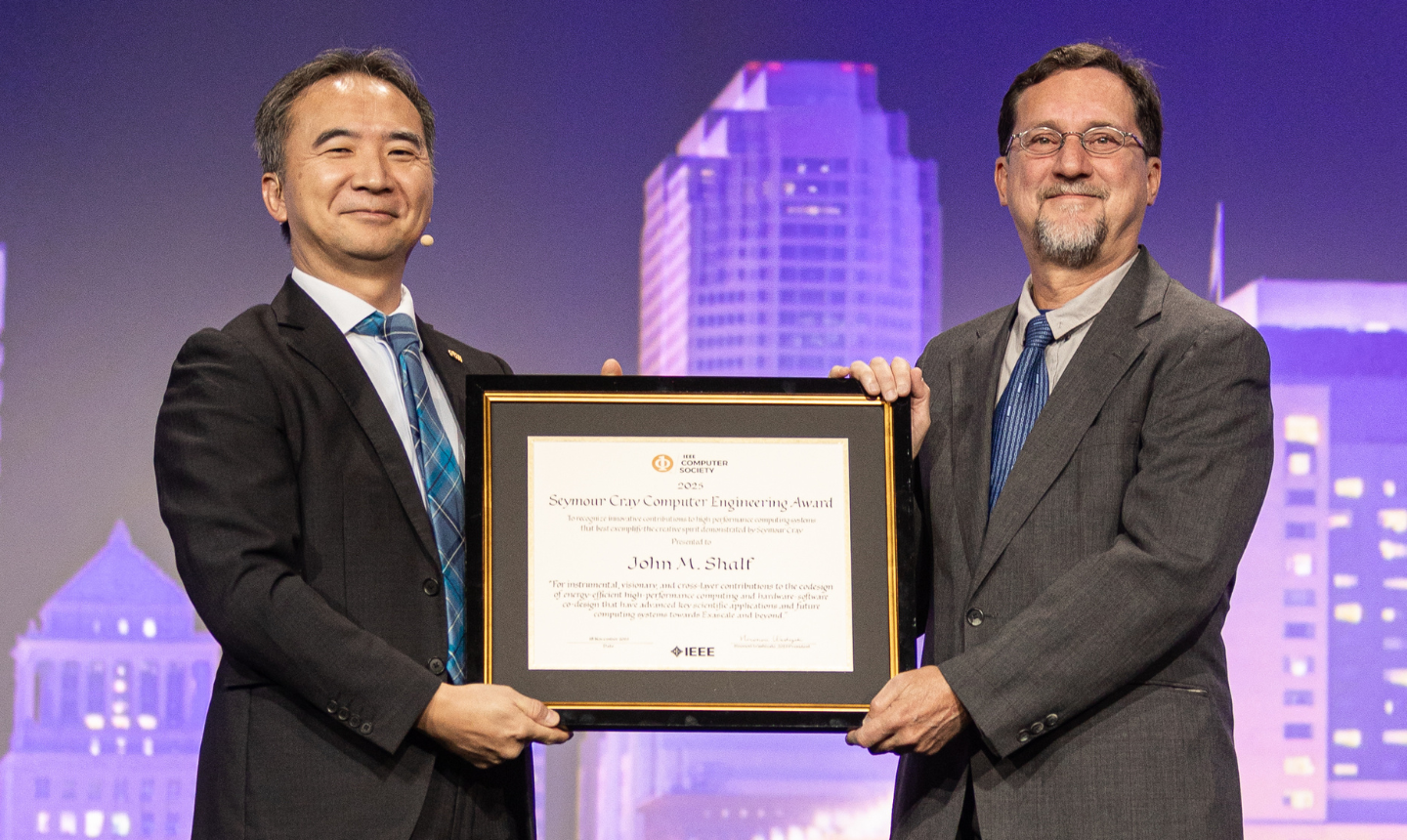
Berkeley Lab Pioneer Wins Top IEEE Honor for HPC Co-Design
Berkeley Lab computer scientist John Shalf won the prestigious IEEE Seymour Cray Computer Engineering Award. The honor recognized the Lab’s foundational leadership in energy-efficient hardware-software co-design, exascale computing, and modular chiplet architectures—key pillars of the DOE’s strategy for next-generation scientific computing.
Source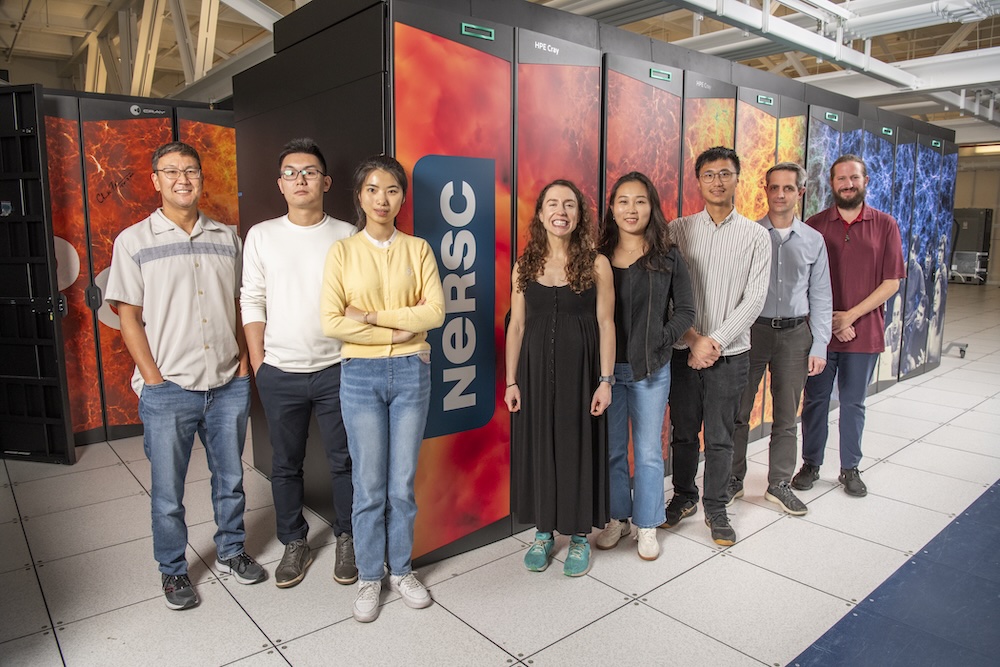
Berkeley Lab Achieves Full-Scale Quantum Chip Simulation on Perlmutter
In 2025, researchers utilized nearly all 7,000 GPUs on the Perlmutter supercomputer to physically model a highly complex quantum microchip. Using the exascale modeling tool ARTEMIS, the team simulated 11 billion grid cells to optimize chip design before fabrication, marking a breakthrough in microelectronics co-design and quantum hardware development.
Source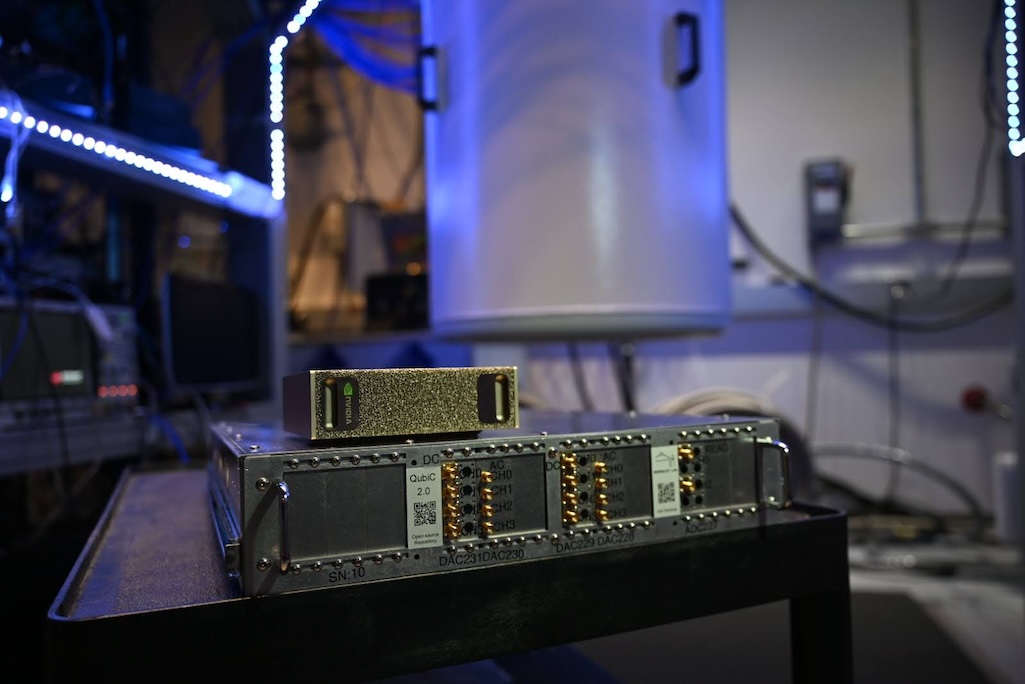
Berkeley Lab and NVIDIA Pioneer Real-Time Quantum-HPC Integration
In 2025, Berkeley Lab partnered with NVIDIA to directly link quantum processors with GPU supercomputers. By connecting the Lab’s open-source QubiC control stack to NVIDIA hardware via high-speed networks, the team enabled low-latency, real-time feedback loops—laying the architectural groundwork for AI-enhanced quantum error correction and scalable hybrid computing.
Source
Berkeley Lab Takes Major Step Toward Doudna with Delivery of Early Access System, Cech
The road to deploying the next flagship supercomputer at NERSC reached an important milestone with the delivery of the NERSC-10 Pilot Early Access System (EAS), called Cech.
Source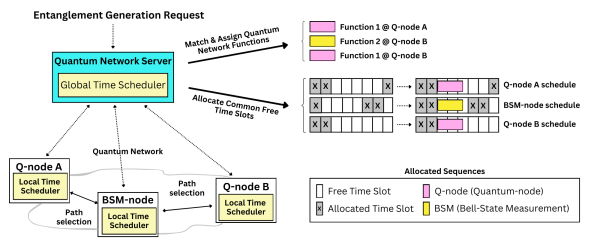
Building a Flexible Control Framework for Quantum Networks
ESnet’s Quantum Application Network Testbed for Novel Entanglement Technology (QUANT-NET) researchers have developed a novel control framework that enables automated, reliable control of quantum networks, paving the way for practical deployment.
Source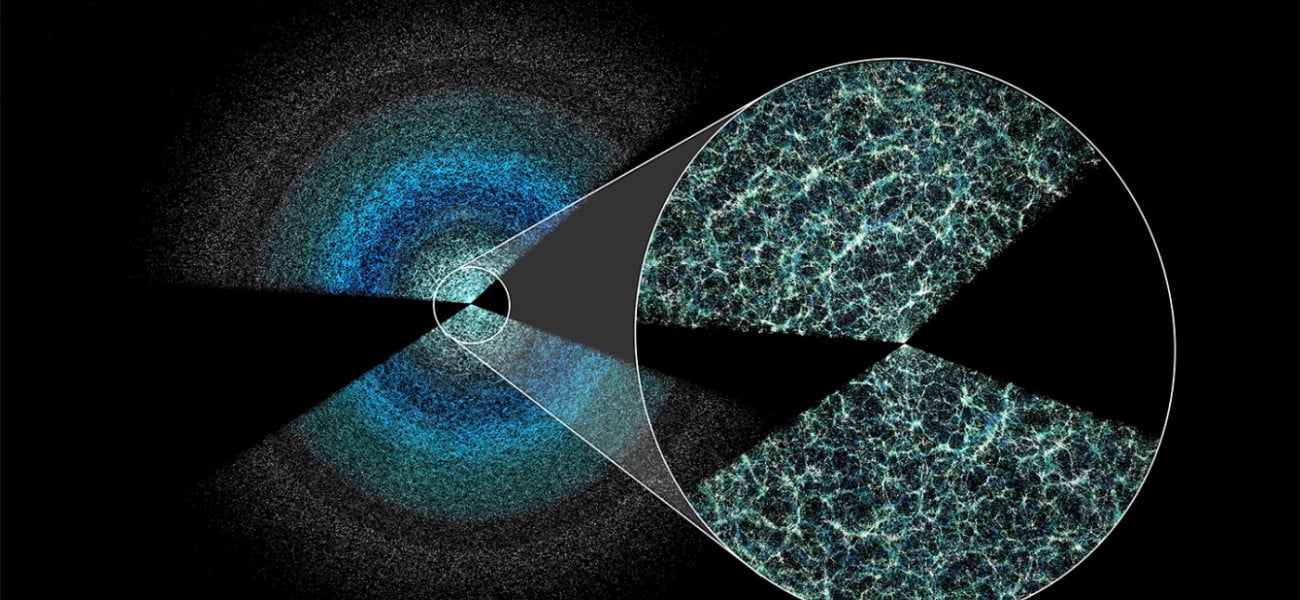
DESI Completes Five-Year Survey to Produce Largest 3D Map of the Universe
The Berkeley Lab-managed Dark Energy Spectroscopic Instrument (DESI) completed its five-year sky survey ahead of schedule. The project showcased a flawless Integrated Research Infrastructure workflow, streaming nightly observation data across ESnet for near-real-time processing on NERSC supercomputers to map more than 47 million galaxies and quasars.
Source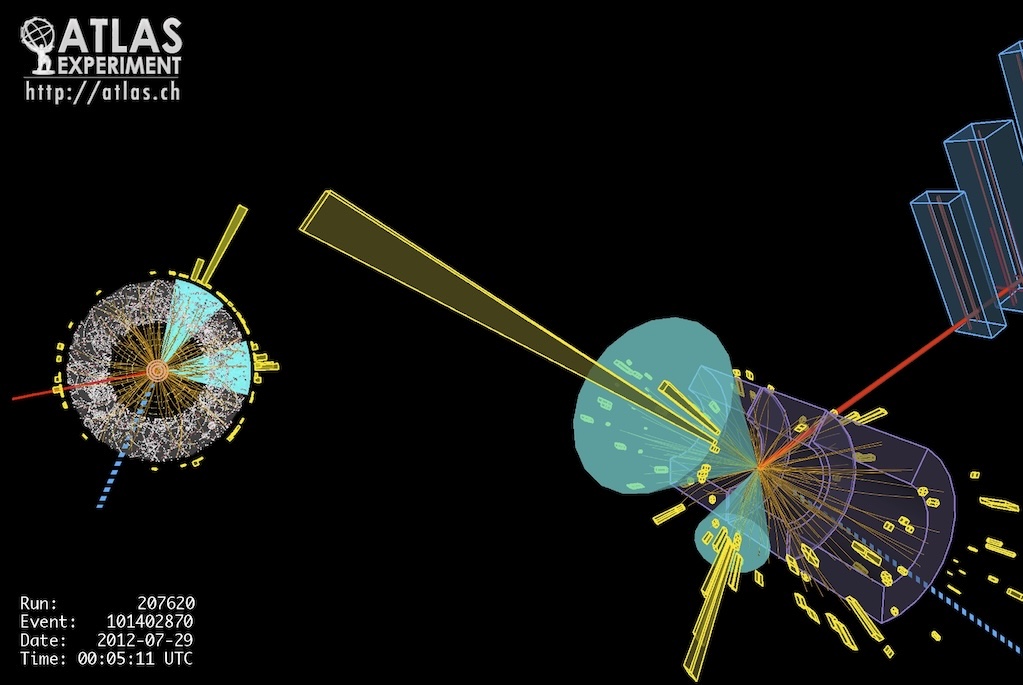
Berkeley Lab and NERSC Release Cross-Disciplinary AI Foundation Model
Berkeley Lab and NERSC researchers launched OmniLearned, an open-source AI foundation model that successfully transferred its predictive capabilities from particle physics to cosmology and molecular physics. Trained on Perlmutter using one billion data points, the model proved that generalized AI can accelerate discoveries across diverse scientific domains.
Source
Computing Pioneer Kathy Yelick Appointed Ninth Director of Berkeley Lab
In 2026, the University of California and the DOE appointed computer scientist Kathy Yelick as the ninth director of Berkeley Lab. A former Computing Sciences ALD, NERSC Director, and exascale pioneer, her appointment cements AI, advanced computing, and the Genesis Mission as central pillars of the Lab’s scientific future. https://megaphone.link/SLT5403915076
Source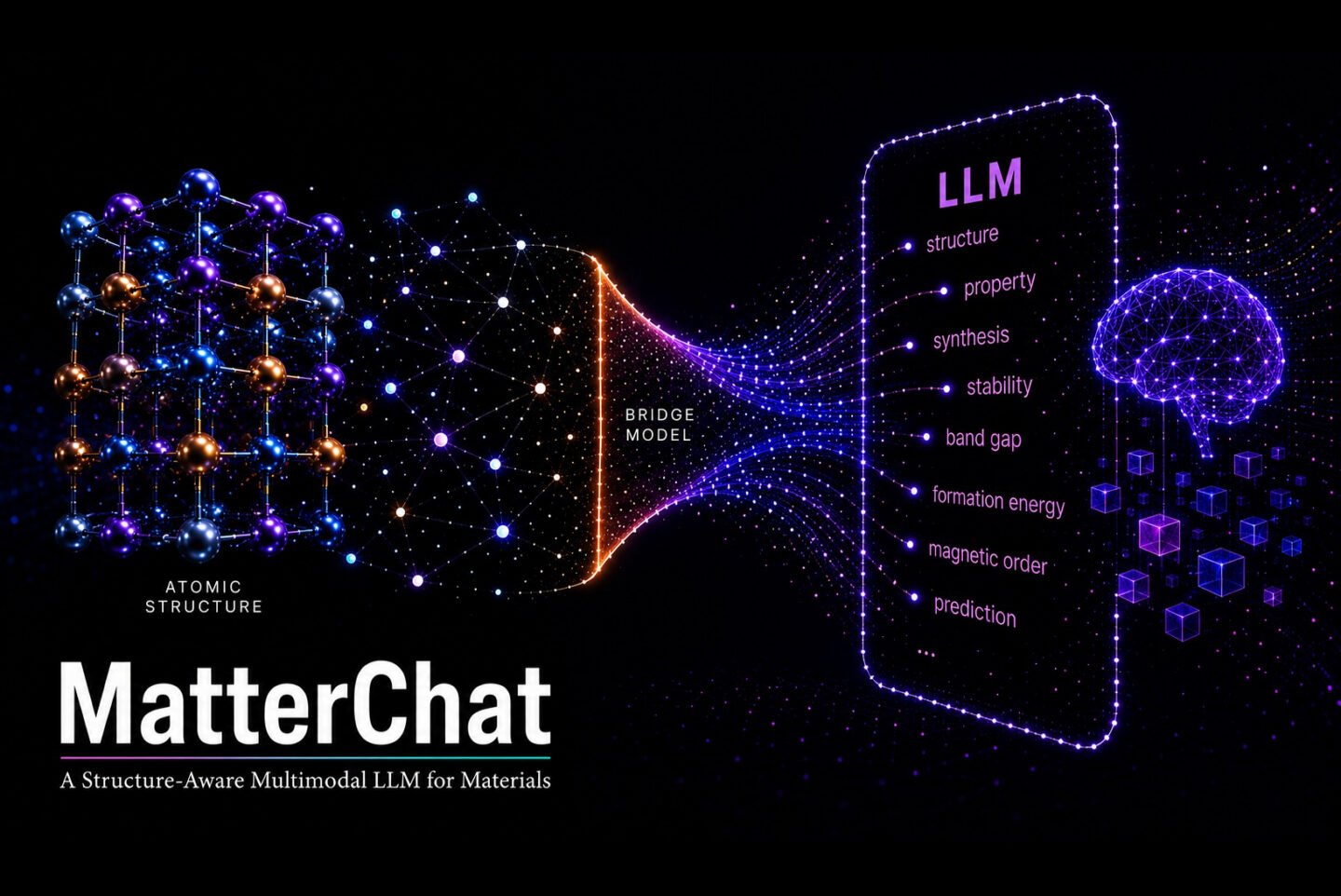
Berkeley Lab Framework Bridges Commercial AI and Physical Sciences
Berkeley Lab launched MatterChat, an innovative AI framework that connects commercial Large Language Models with physics-based materials simulations. Trained on NERSC supercomputers, this modular "bridge" empowers AI with 3D structural vision, accelerating microelectronics co-design and directly advancing the DOE’s Genesis Mission for AI-driven scientific discovery.
Source
Berkeley Lab Quantum Chip Enters America250 Time Capsule
In 2026, California Governor Gavin Newsom selected an 8-qubit quantum chip, co-developed with UC Berkeley and distributed globally by the Lab’s Advanced Quantum Testbed (AQT), for the America250 time capsule. The inclusion permanently cements Berkeley Lab’s foundational leadership in driving the nation's emerging quantum computing ecosystem.
Source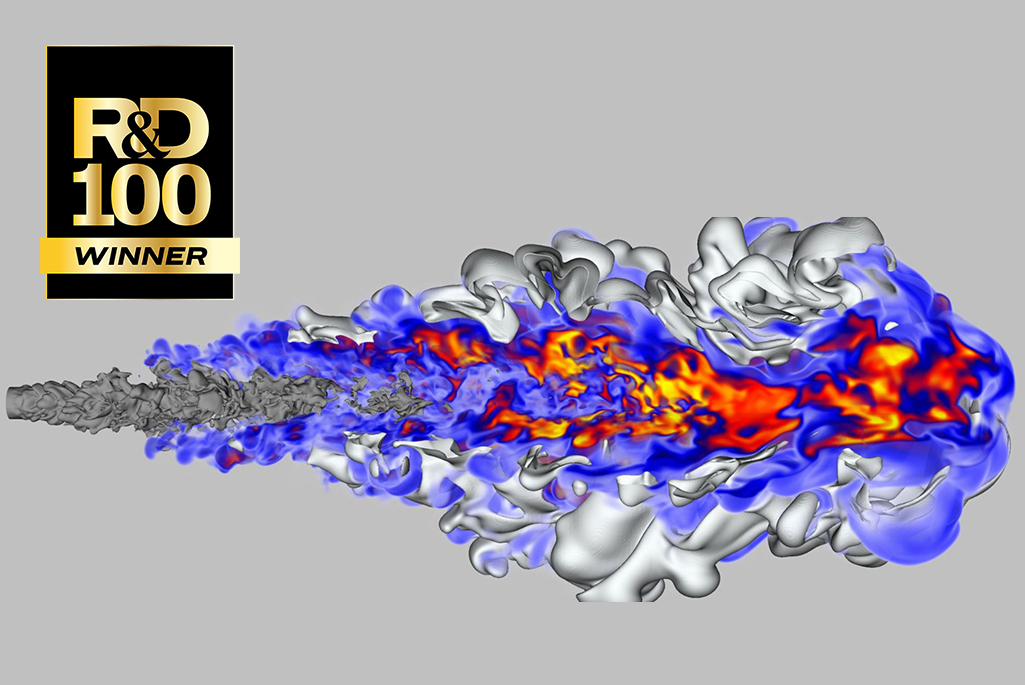
Pele Exascale Combustion Simulation Suite Wins 2026 R&D 100 Award
The Pele Suite of Exascale Reacting Flow Codes, co-developed by Berkeley Lab and a multi-institutional team, received an R&D 100 Award for its breakthrough capabilities in combustion simulation. Built upon the Lab's foundational research into Adaptive Mesh Refinement and the AMReX framework, this open-source software harnesses exascale supercomputing to accurately model extreme fuel-air interactions, accelerating the development of next-generation aerospace and clean energy technologies
Source